
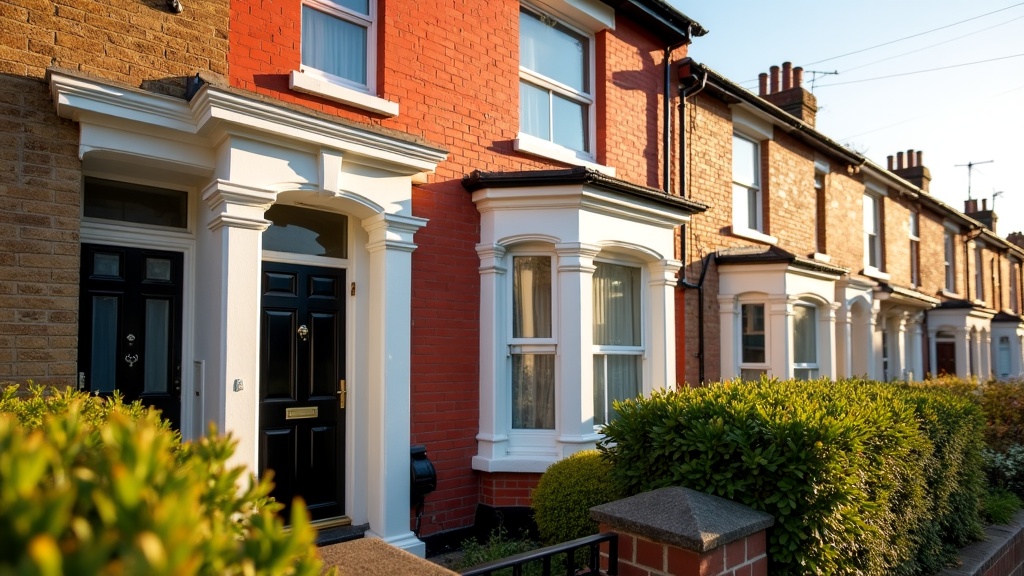
Understanding whether your Airbnb property should pay business rates or council tax is crucial for UK hosts. The distinction between these two tax systems can significantly impact your annual costs and compliance obligations. Generally, properties used exclusively for short-term lettings may be liable for business rates rather than council tax, but the rules vary by council and property type.
What's the Difference Between Business Rates and Council Tax?
Business rates and council tax are two separate taxation systems in the UK. Council tax applies to domestic properties, whilst business rates apply to commercial properties and premises used for business purposes.
Council tax is charged annually based on property value bands (A-H in England and Wales, A-I in Scotland). The amount varies by local authority but typically ranges from £900-£3,000+ per year for most residential properties. Council tax includes services like rubbish collection, street lighting, and local authority services.
Business rates, also known as non-domestic rates, apply to commercial properties. The rate is calculated using the property's rateable value multiplied by the business rate multiplier set by government (51.2p per £1 of rateable value in England for 2025-26). However, many small properties qualify for Small Business Rate Relief, potentially reducing the bill to zero.
For Airbnb hosts, the key question is whether your property's use crosses the threshold from domestic to commercial activity. This determination affects not only your tax bill but also your insurance requirements and planning permissions.
When Does an Airbnb Property Pay Business Rates Instead of Council Tax?

An Airbnb property typically becomes liable for business rates when it's no longer considered a domestic dwelling. This happens when the property is used exclusively or predominantly for short-term commercial lettings rather than as someone's home.
The Valuation Office Agency (VOA) assesses each case individually, but several factors indicate commercial use:
- The property is let for fewer than 140 days per year to the same occupants
- Lettings are typically for less than six months duration
- The property operates like a hotel or guest house with daily servicing
- Multiple short bookings rather than long-term tenancies
- Commercial marketing and professional management
Crucially, if you live in the property as your main residence whilst also hosting guests in spare rooms, you'll continue paying council tax. The switch to business rates typically occurs when the entire property becomes a dedicated short-term rental business.
The 140-day rule is particularly important. If the same guests stay for more than 140 days in a year, the property may be considered domestic accommodation. However, this doesn't mean hosting different guests for a total of more than 140 days triggers business rates - it's about individual booking lengths.
How Are Airbnb Business Rates Calculated?
Business rates for Airbnb properties are calculated using the property's rateable value, which the VOA determines based on the property's rental value as of a specific date (currently 1 April 2021 for the 2023 rating list).
The calculation is straightforward: Rateable Value × Business Rate Multiplier = Annual Bill. For 2025-26, England's multiplier is 51.2p per £1 of rateable value (49.9p for small properties with rateable values under £51,000).
However, most small Airbnb properties benefit from Small Business Rate Relief (SBRR). Properties with rateable values under £12,000 typically pay zero business rates. Those with rateable values between £12,000-£15,000 receive tapered relief.
For example, a one-bedroom London flat might have a rateable value of £8,000. Under SBRR, this property would pay £0 in business rates, compared to potential council tax of £1,200-£1,800 annually. However, a larger property with a rateable value of £20,000 would pay approximately £10,240 annually in business rates.
LetGrow's free listing score can help you optimise your property's revenue potential, which becomes especially important if you're facing higher business rates instead of council tax.
Council Tax Rules for Mixed-Use Airbnb Properties
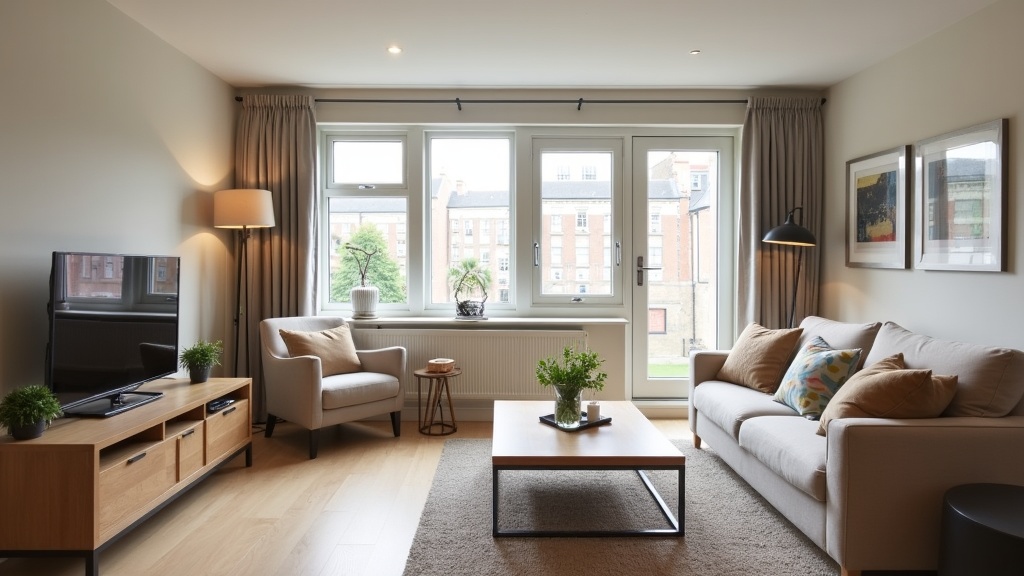
Many Airbnb hosts operate mixed-use arrangements, living in their property whilst letting spare rooms or occasionally renting the entire property whilst away. These situations typically remain under council tax rather than business rates.
If you live in the property as your main residence, you'll continue paying council tax even whilst hosting Airbnb guests. This applies whether you're letting a spare bedroom or occasionally renting your entire home whilst travelling.
However, council tax rules become complex for multiple property owners. You cannot claim the single person discount on your main residence whilst also claiming another property as your main residence for council tax purposes. Each property needs a clear primary use designation.
Some hosts attempt to avoid business rates by maintaining minimal personal use of a dedicated rental property. However, councils increasingly scrutinise these arrangements. Genuine mixed-use requires substantial personal occupation - occasional personal stays don't typically qualify.
The London council tax and business rates obligations are particularly complex due to higher property values and stricter enforcement. Many London boroughs actively monitor short-term rental activity through planning enforcement teams.
Regional Variations: Scotland, Wales, and England
Business rates and council tax rules vary across the UK, creating additional complexity for hosts operating in different regions or considering where to invest.
Scotland has introduced the most comprehensive short-term let regulations, requiring licensing for most Airbnb properties since October 2022. Scottish councils can set different business rates multipliers, and some areas like Edinburgh have strict licensing requirements that affect operational costs beyond just taxation.
Wales maintains similar business rates principles to England but with different relief schemes and multipliers. Welsh councils have additional powers to charge council tax premiums on second homes and empty properties, which can affect mixed-use arrangements.
England offers the most generous Small Business Rate Relief, with properties under £12,000 rateable value paying zero business rates. However, English councils increasingly use Article 4 directions and planning controls to restrict short-term lettings, particularly in tourist hotspots.
Northern Ireland operates a different rates system entirely, with domestic and non-domestic rates both collected by Land & Property Services rather than local councils.
How to Challenge Your Rates Assessment
If you disagree with your council's decision to impose business rates, or believe your rateable value is incorrect, you can challenge the assessment through formal appeal processes.
For business rates assessments, you can appeal to the Valuation Office Agency within six months of receiving your rates bill. Common grounds for appeal include:
- Arguing the property should remain under council tax due to mixed use
- Challenging the rateable value as too high compared to similar properties
- Demonstrating the property doesn't meet commercial use criteria
- Providing evidence of reduced rental capacity or restrictions
For council tax disputes, you can appeal to the Valuation Tribunal within six months. This might apply if you're charged council tax on a property the council claims is your second home, when it's actually your main residence.
Professional advice becomes valuable for substantial tax differences. A rating surveyor can assess whether your challenge has merit and represent you through the appeals process. Many work on contingency fees, taking a percentage of any savings achieved.
Keep detailed records of your property usage, including personal stays, guest bookings, and any periods when the property was unavailable for letting. This evidence supports your case about the property's primary use.
Tax Planning Strategies for Airbnb Hosts
Understanding the business rates versus council tax distinction enables strategic tax planning for your Airbnb portfolio.
For single-property hosts, maintaining genuine mixed use (living in the property whilst hosting) typically results in lower overall costs under council tax. However, this limits your hosting capacity and revenue potential.
Dedicated rental properties benefit from business rates when rateable values are low enough for Small Business Rate Relief. A property paying £0 business rates versus £1,500 council tax creates significant savings. However, losing SBRR eligibility makes business rates expensive quickly.
Multiple property owners can structure their portfolio to optimise tax efficiency. Designating one property as your main residence for council tax purposes whilst operating others as dedicated rentals under business rates (with SBRR) can minimise total tax liability.
Consider the broader implications beyond just rates. Business-rated properties require commercial insurance, may need different mortgage products, and could face planning restrictions. The insurance requirements for Airbnb hosts become particularly important for commercial properties.
The holiday let tax rules also interact with rates liability. Properties qualifying for Furnished Holiday Lettings relief under income tax may still be liable for business rates rather than council tax.
Compliance and Record-Keeping Requirements
Proper compliance requires maintaining detailed records of your property's use, regardless of whether you pay business rates or council tax.
Essential records include booking calendars showing guest stays, evidence of personal use for mixed-use claims, rental income records, and correspondence with your local council or VOA. These records support your tax position and help during any reviews or appeals.
Many councils actively monitor short-term rental activity through online platforms, cross-referencing Airbnb listings with their tax records. Inconsistencies between your claimed property use and online advertising can trigger investigations.
Business rates liability comes with additional compliance requirements. You must notify the VOA of material changes to the property, maintain proper business insurance, and potentially comply with commercial safety regulations like those outlined in our fire safety guide for English properties.
Consider professional bookkeeping software that tracks property use automatically. This creates reliable records whilst reducing administrative burden. Many Airbnb-specific tools categorise stays, calculate tax obligations, and maintain compliance documentation.
Get your free Airbnb performance score to understand how your property compares to local competitors - especially important if business rates are affecting your profitability compared to council tax properties.
Common Mistakes to Avoid
Several common errors can lead to unexpected tax bills or compliance issues for Airbnb hosts navigating business rates versus council tax.
Never assume you'll automatically qualify for Small Business Rate Relief. Many hosts discover they're liable for full business rates when their rateable value exceeds relief thresholds, creating bills of £5,000-£15,000+ annually. Always check your rateable value before committing to dedicated short-term letting.
Avoid making misleading claims about property use. Some hosts claim mixed use to stay under council tax whilst actually operating dedicated rentals. Councils increasingly investigate these claims, and false declarations can result in backdated bills plus penalties.
Don't ignore planning permission requirements. Many areas require change of use permission for dedicated short-term lettings. Operating without permission doesn't just risk enforcement action - it can also affect your rates liability and insurance validity.
Failing to notify relevant authorities of changes in property use is another costly mistake. If your circumstances change - for example, moving out of a property you previously lived in whilst hosting - you must inform both council tax and business rates teams promptly.
Finally, don't rely solely on online forums or informal advice about tax liability. Rules vary significantly by location and individual circumstances. Professional advice becomes cost-effective when dealing with substantial properties or complex arrangements.
Future Regulatory Changes
The regulatory landscape for short-term rentals continues evolving, with implications for both business rates and council tax liability.
Government consultations suggest potential standardisation of short-term rental taxation across the UK. This could affect the current postcode lottery where identical properties face different tax treatments depending on local council interpretation.
Planning law changes increasingly restrict short-term letting without permission. These restrictions could affect business rates liability by limiting commercial use of properties, potentially keeping more properties under council tax.
The ongoing review of business rates more broadly may affect small business relief thresholds. Any reduction in relief could make business rates liability more expensive for Airbnb properties currently paying minimal amounts.
Stay informed through our comprehensive UK Airbnb regulations guide, which tracks all regulatory developments affecting short-term rental hosts across Britain.
Frequently Asked Questions
Do I pay business rates or council tax if I live in my Airbnb property?
If you live in the property as your main residence whilst hosting guests in spare rooms or occasionally renting the whole property, you typically continue paying council tax rather than business rates.
What happens if my Airbnb property switches from council tax to business rates?
You'll receive a business rates bill instead of council tax, calculated using your property's rateable value. Many small properties qualify for Small Business Rate Relief, potentially paying £0, but larger properties can face bills of £5,000-£15,000+ annually.
Can I avoid business rates by limiting how often I rent my property?
Simply limiting rental frequency doesn't automatically keep you under council tax. The key factors are whether the property is your main residence and whether it's used predominantly for commercial short-term letting versus domestic purposes.
How do councils know if my property should pay business rates?
Councils monitor online listings, cross-reference booking platforms with tax records, investigate neighbour complaints, and review planning applications. They can also request evidence of your property's actual use patterns.
What's Small Business Rate Relief and do Airbnb properties qualify?
Small Business Rate Relief reduces or eliminates business rates for properties with low rateable values. Properties under £12,000 rateable value typically pay £0, with tapered relief up to £15,000. Most small Airbnb properties qualify if they're liable for business rates.
Can I challenge my local council's decision about business rates?
Yes, you can appeal business rates assessments to the Valuation Office Agency within six months. Common grounds include challenging whether the property should be business-rated at all, or disputing the rateable value assigned to your property.
Understanding whether your Airbnb property pays business rates or council tax requires careful consideration of your specific circumstances, local council policies, and the property's actual use patterns. The distinction can significantly affect your annual costs and compliance obligations. Ready to optimise your listing's performance regardless of your tax situation? Get your free LetGrow score to see exactly how your property measures up against the competition.