
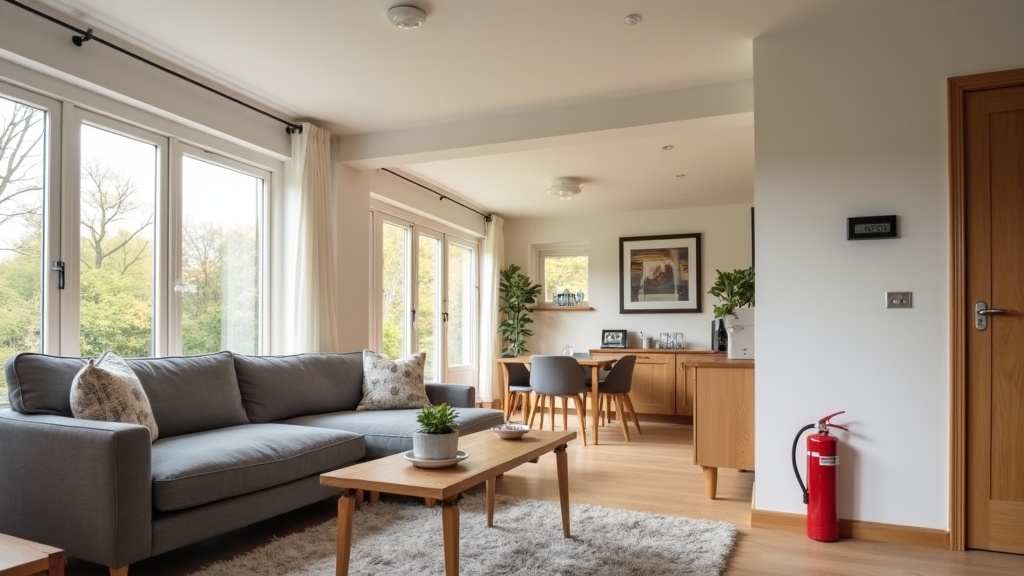
Fire safety regulations for Airbnb properties in England have become increasingly stringent, with hosts facing serious legal and financial consequences for non-compliance. Understanding Airbnb fire safety regulations UK requirements isn't just about ticking boxes—it's about protecting your guests, your property, and your business from potentially devastating outcomes.
Whether you're managing a Victorian terrace conversion, a modern apartment, or a countryside cottage, fire safety compliance affects every short-term rental host in England. The regulations vary depending on your property type, guest capacity, and local authority requirements, making it essential to understand exactly what applies to your situation.
What Fire Safety Regulations Apply to Airbnb Properties in England?
Most Airbnb properties in England fall under the Regulatory Reform (Fire Safety) Order 2005, which requires hosts to conduct fire risk assessments and implement appropriate safety measures. Additionally, properties may need to comply with local housing standards and specific short-term rental licensing requirements.
The regulatory landscape for fire regulations short term rental properties is complex because it depends on several factors:
- Property type: Houses, flats, converted buildings, and purpose-built blocks have different requirements
- Guest capacity: Properties accommodating more than six guests face stricter regulations
- Building height: High-rise buildings (over 18 metres) have additional requirements following the Building Safety Act 2022
- Local authority rules: Some councils impose additional fire safety requirements for short-term rentals
The Fire Safety Order places a legal duty on the "responsible person" (typically the host or property owner) to ensure guest safety. This includes conducting regular fire risk assessments, maintaining fire safety equipment, and ensuring clear evacuation routes.
Properties that were previously exempt from certain regulations may now require compliance if they're used for commercial short-term letting. A standard residential property becomes a "relevant premises" under fire safety law when used commercially, triggering additional obligations.
Do I Need a Fire Risk Assessment for My Airbnb Property?
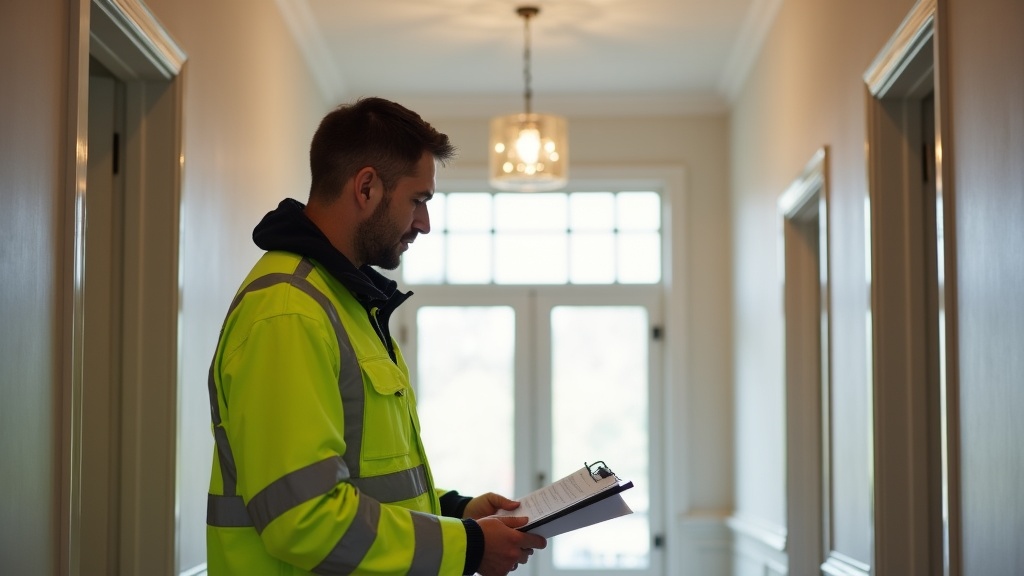
Yes, most Airbnb hosts in England must conduct a fire risk assessment, either professionally or through a competent self-assessment, particularly if the property accommodates paying guests or is part of a multi-occupancy building.
The Fire Safety Order requires a "suitable and sufficient" fire risk assessment for virtually all non-domestic premises, which includes properties used for commercial short-term letting. This assessment must:
- Identify fire hazards and people at risk
- Evaluate the adequacy of existing fire safety measures
- Record findings and create an action plan
- Be reviewed regularly (at least annually)
For single-family houses let as entire properties, you may conduct your own assessment if you're competent to do so. However, for flats, converted properties, or buildings with shared areas, professional assessment is often necessary.
The assessment should cover ignition sources (cooking equipment, electrical items, heating), fuel sources (furniture, curtains, cleaning products), and oxygen sources (ventilation, air conditioning). It must also evaluate escape routes, fire detection systems, and emergency lighting.
Documentation is crucial—your assessment must be written down if you employ five or more people or if required by your local fire authority. Even if not legally required to document it, written records demonstrate due diligence and help with insurance claims.
What Fire Safety Equipment Do I Need in My Airbnb?
Essential fire safety equipment includes smoke alarms on every floor, carbon monoxide detectors where applicable, fire blankets in kitchens, and appropriate fire extinguishers. The specific requirements depend on your property size, layout, and local regulations.
Mandatory equipment for most Airbnb properties:
- Smoke alarms: At least one on every floor, positioned in hallways and landing areas
- Carbon monoxide detectors: Required in rooms with fuel-burning appliances (gas boilers, wood burners, etc.)
- Fire blanket: Positioned near cooking areas, easily accessible
- Emergency lighting: Battery-powered torches or emergency lighting in escape routes
Additional equipment often recommended:
- Fire extinguishers: Appropriate types for different areas (water/foam for general fires, CO2 for electrical)
- Heat detectors: In kitchens where smoke alarms may cause false alarms
- Emergency escape ladders: For upper-floor windows in properties without alternative escape routes
- Fire doors: Self-closing fire-rated doors for escape routes in converted buildings
All equipment must be regularly tested and maintained. Smoke alarms should be tested monthly, carbon monoxide detectors according to manufacturer instructions (typically monthly), and fire extinguishers professionally serviced annually.
If you're unsure about your property's specific requirements, LetGrow's comprehensive listing analysis can help identify potential safety and compliance gaps that might affect your hosting success.
Are There Special Requirements for HMOs and Multi-Let Properties?
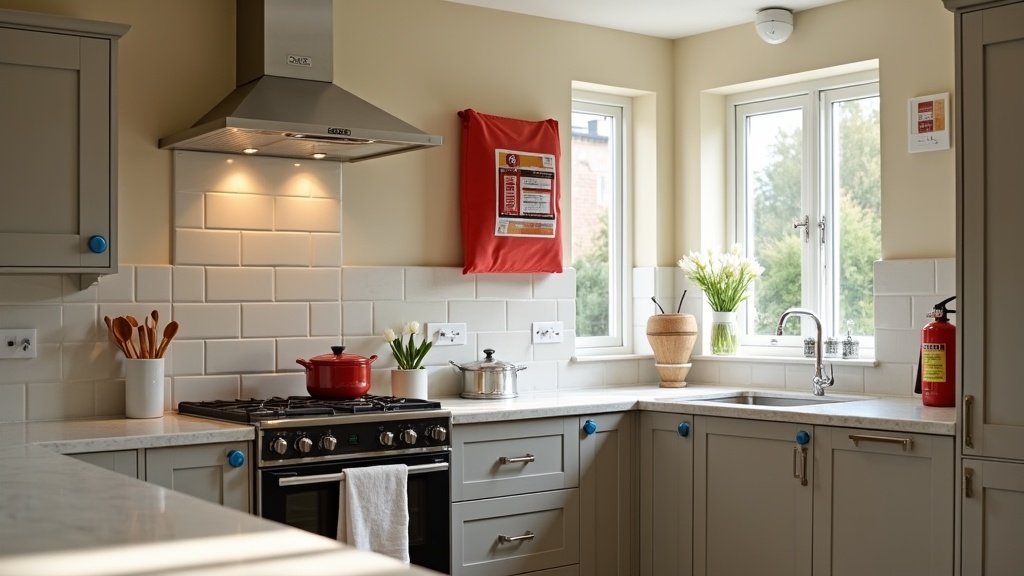
Houses in Multiple Occupation (HMOs) and multi-let properties face significantly stricter fire safety requirements, including additional fire doors, enhanced detection systems, and more frequent professional inspections under both HMO licensing and fire safety regulations.
If your Airbnb operates as an HMO (typically when letting individual rooms to unrelated guests), you'll need:
- HMO licence: Mandatory for most properties with three or more unrelated occupants
- Enhanced fire detection: Mains-powered smoke alarms with battery backup, often networked throughout the property
- Fire doors: Self-closing fire doors on escape routes and between different occupancies
- Emergency lighting: Maintained emergency lighting systems in common areas and escape routes
- Fire extinguishers: Appropriate extinguishers on each floor
- Professional assessment: Annual fire risk assessments by qualified professionals
The definition of HMO can be complex for short-term rentals. Letting individual rooms to unrelated guests clearly falls under HMO rules, but whole-property lets to groups who don't live together as a single household might also qualify, depending on booking patterns and local authority interpretation.
Some councils apply HMO-level fire safety requirements to all short-term rental properties, regardless of letting arrangement. This is particularly common in areas with specific short-term rental licensing schemes.
For properties in converted buildings or blocks of flats, additional requirements may include:
- Compartmentation to prevent fire spread between units
- Protected escape routes with fire-resistant construction
- Automatic fire detection systems
- Resident caretaker or 24-hour emergency contact
How Often Must Fire Safety Equipment Be Tested and Maintained?
Fire safety equipment requires regular testing and maintenance schedules: smoke alarms monthly, carbon monoxide detectors as per manufacturer guidelines, fire extinguishers annually by professionals, and emergency lighting systems every six months.
Testing schedule for common equipment:
| Equipment | Testing Frequency | Who Can Test |
|---|---|---|
| Smoke alarms | Monthly | Host or cleaner |
| Carbon monoxide detectors | Monthly (or per manufacturer) | Host or cleaner |
| Fire extinguishers | Annually | Professional service |
| Fire blankets | Visually check monthly | Host or cleaner |
| Emergency lighting | Every 6 months | Competent person |
| Fire doors | Every 6 months | Competent person |
Document all testing and maintenance activities. Create a simple log showing dates, results, and any remedial action taken. This documentation proves compliance and helps with insurance claims or enforcement proceedings.
Battery replacement schedules are crucial—many fires occur in properties with non-functioning smoke alarms due to flat batteries. Consider using long-life lithium batteries or mains-powered units with battery backup.
Professional servicing isn't just about compliance—it ensures equipment will function when needed. A fire extinguisher that hasn't been serviced may not work effectively, potentially putting lives at risk and invalidating insurance coverage.
What Are the Penalties for Fire Safety Non-Compliance?
Non-compliance with fire safety regulations can result in unlimited fines, imprisonment for up to two years, prohibition notices stopping your lettings immediately, and potential personal liability for damages or injuries resulting from fires.
The enforcement powers available to fire authorities are extensive:
- Improvement notices: Requiring specific actions within set timescales
- Prohibition notices: Immediately stopping use of the property until compliance
- Prosecution: Criminal proceedings with unlimited fines and potential imprisonment
- Emergency action: Immediate evacuation of guests at your expense
Recent prosecutions have resulted in significant penalties. In 2023, several landlords received fines exceeding £50,000 for fire safety breaches, with some receiving custodial sentences where negligence contributed to injuries.
Insurance implications are equally serious. Most policies exclude claims where the property doesn't comply with statutory requirements. A fire in a non-compliant property could leave you personally liable for property damage, guest injuries, and temporary accommodation costs.
Beyond legal penalties, fire safety breaches can trigger:
- Airbnb account suspension or permanent removal
- Local authority licensing revocation
- Planning enforcement action
- Difficulty obtaining future insurance coverage
Given the complexity of fire safety regulations and the severe consequences of non-compliance, many hosts benefit from professional guidance. Understanding how your property compares to others and identifying potential risks early can save significant costs and stress.
Do Local Authorities Have Additional Fire Safety Requirements?
Many local authorities impose additional fire safety requirements beyond national regulations, particularly in areas with short-term rental licensing schemes. These may include enhanced detection systems, professional inspections, and specific equipment standards.
Local variations in Airbnb safety requirements can be significant:
London boroughs often require:
- Enhanced fire detection systems in all short-term rentals
- Professional fire risk assessments for properties above certain sizes
- Specific insurance requirements including fire cover
- Regular compliance inspections as part of licensing
Understanding local requirements alongside national regulations is crucial for compliance. Some areas require specific business registrations that include fire safety compliance, while others have integrated fire safety into their short-term rental licensing processes.
Tourist hotspots like Bath, Canterbury, and York have implemented specific safety standards including:
- Mandatory professional fire risk assessments
- Enhanced emergency information for guests
- Specific equipment requirements beyond national minimums
- Regular re-licensing with safety inspections
Some councils work closely with fire authorities to conduct joint inspections, combining planning compliance, licensing requirements, and fire safety checks in a single visit.
The trend is toward stricter local requirements, with many authorities using licensing conditions to impose higher standards than national minimums. This reflects concerns about visitor safety and the different risk profile of short-term rentals compared to long-term residential lets.
How Can I Ensure My Property Meets All Fire Safety Requirements?
Ensuring comprehensive fire safety compliance requires a systematic approach: conduct professional risk assessments, install and maintain appropriate equipment, provide clear emergency information to guests, and stay updated on changing regulations through official channels and professional networks.
Step-by-step compliance approach:
- Professional assessment: Engage a qualified fire risk assessor for comprehensive evaluation
- Equipment installation: Install all required detection, suppression, and emergency equipment
- Documentation: Create and maintain comprehensive safety records
- Guest information: Provide clear emergency procedures and evacuation routes
- Regular review: Schedule ongoing maintenance, testing, and assessment updates
- Professional networks: Join host associations and professional bodies for regulation updates
Guest communication is often overlooked but legally important. Provide clear, written emergency information including:
- Location of fire safety equipment
- Primary and alternative evacuation routes
- Assembly points and emergency contact numbers
- Specific hazards or limitations guests should know about
Consider creating a simple fire safety guide for each property, displayed prominently alongside other guest information. This demonstrates due diligence and helps guests respond appropriately in emergencies.
Technology can help with ongoing compliance. Smart smoke alarms can alert you remotely to low batteries or faults, while digital inspection logs help track maintenance schedules and demonstrate systematic compliance.
Professional property management isn't necessary, but professional advice often is. LetGrow's expert listing analysis can help identify potential compliance and safety issues that might affect both guest safety and your hosting success.
Fire Safety Regulations: What's Coming Next?
Future fire safety regulations for short-term rentals are likely to become more stringent, with potential requirements for enhanced detection systems, professional assessments for all commercial properties, and standardised guest safety information across all platforms.
The Building Safety Act 2022 has already introduced changes for high-rise buildings, and similar principles may extend to short-term rentals. Proposed changes include:
- Mandatory professional fire risk assessments for all commercially-let properties
- Enhanced detection and suppression systems as standard
- Digital compliance reporting and monitoring systems
- Standardised guest safety information requirements
- Regular competency testing for hosts managing multiple properties
The trend toward platform accountability may also drive changes. Airbnb and other platforms are under increasing pressure to verify safety compliance, potentially requiring hosts to provide compliance certificates before listing activation.
Brexit has allowed the UK to develop fire safety standards independent of EU regulations, with indications that requirements may become more stringent rather than relaxed. The government's focus on building safety following recent tragic events suggests continued regulatory development.
Stay informed through official channels including the Home Office, your local fire authority, and recognised hosting associations. Understanding regulatory trends helps you plan improvements and avoid last-minute compliance rushes.
Frequently Asked Questions
Do I need different fire safety measures for a cottage versus a flat?
Yes, cottages typically need basic smoke alarms and carbon monoxide detectors, while flats often require enhanced systems, fire doors, and consideration of building-wide evacuation procedures due to shared escape routes and different fire spread risks.
Can I use battery-only smoke alarms in my Airbnb?
Battery-only alarms are acceptable for most single-family homes, but many local authorities and HMO regulations require mains-powered alarms with battery backup. Always check your specific local requirements and consider reliability implications of battery-only systems.
How much does professional fire risk assessment cost?
Professional fire risk assessments typically cost £200-£500 for standard residential properties, with higher costs for larger or more complex buildings. This investment protects against potentially unlimited fines and provides insurance protection.
Are smart smoke alarms acceptable for Airbnb properties?
Smart smoke alarms are generally acceptable and often beneficial, providing remote monitoring and low-battery alerts. However, ensure they meet British Standards (BS EN 14604) and maintain backup power systems in case of WiFi failures.
What happens if a guest triggers a false alarm?
False alarms are common with sensitive detection systems. Ensure guests know how to safely silence alarms and prevent unnecessary fire service callouts, which may result in charges. Provide clear instructions and consider heat detectors in areas prone to false alarms.
Do garden rooms and outbuildings need fire safety measures?
Garden rooms and outbuildings used for guest accommodation need appropriate fire safety measures including smoke alarms, emergency lighting, and clear escape routes. The specific requirements depend on size, construction, and distance from the main building.
Fire safety compliance for Airbnb properties in England requires ongoing attention and professional guidance. The regulatory landscape continues evolving, making it essential to stay informed and maintain robust safety systems. Ready to ensure your listing meets all requirements while maximising its potential? Get your free comprehensive listing score to see how your property measures up across all key performance areas.