
You're lying in bed at 11pm, second-guessing your Airbnb prices for the third time this week. Should you drop £10 to beat the competition? Or hold firm and risk sitting empty? Dynamic pricing promises to end this torture — but is it the revenue-boosting miracle everyone claims, or just another expensive tool that costs more than it earns?
Let's cut through the hype. Airbnb dynamic pricing in the UK can genuinely transform your revenue — or it can quietly drain your occupancy while you watch competitors book out. The difference? Knowing exactly when it works, when it doesn't, and what it actually costs you in real terms.
What Is Airbnb Dynamic Pricing UK (and Why Every Host Is Talking About It)
Dynamic pricing automatically adjusts your nightly rate based on real-time demand, competitor pricing, seasonality, local events, and booking patterns. Instead of manually changing your price every few days, the system responds instantly to market shifts — raising rates when demand spikes, lowering them when your calendar looks dangerously empty.
The appeal is obvious: you make more money during peak periods without pricing yourself out during quiet weeks. A Saturday night in Edinburgh during the Fringe? Your rate climbs. A rainy Tuesday in February? It drops just enough to stay competitive.
But here's what nobody tells you upfront: dynamic pricing is only as smart as the data it's fed and the rules you set. A badly configured tool will race your competitors to the bottom or overprice you into invisibility. The UK market has unique quirks — bank holidays, half-term breaks, regional events — that generic algorithms often miss.
Most hosts adopt dynamic pricing because they're exhausted from manual adjustments or they've watched a competitor's calendar fill while theirs stays patchy. The question isn't whether dynamic pricing can work — it's whether it works for your specific property, location, and hosting style.
The Real Costs of Airbnb Dynamic Pricing (Beyond the Monthly Subscription)
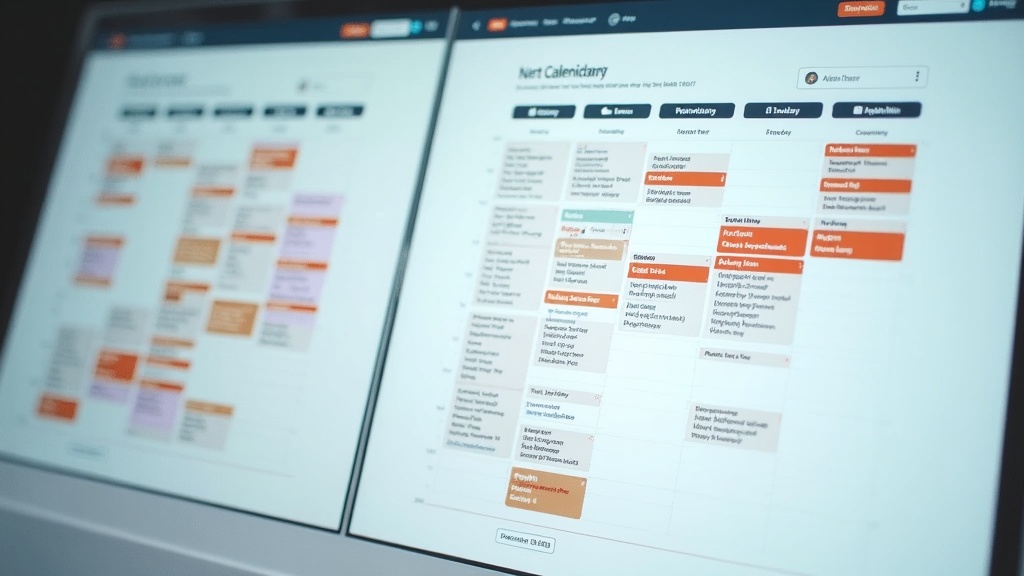
Dynamic pricing tools typically charge between £20-£80/month or take 1-2% of your gross revenue, but the hidden costs often dwarf the subscription fee. Let's be brutally honest about what you're actually paying.
Subscription Fees vs Revenue Share Models
Tools like PriceLabs and Beyond Pricing charge flat monthly fees (£19-£40 for most UK hosts). Wheelhouse and some others take a percentage cut instead. The percentage model sounds harmless until you do the maths: 1% of £3,000 monthly revenue is £30 — more than most flat-fee tools — and it scales as you grow, meaning your most profitable months cost you the most.
The Opportunity Cost Nobody Calculates
Here's the killer: if your dynamic pricing tool undercuts you by just £5/night and you host 15 nights/month, you've lost £75 — more than most subscriptions cost. Aggressive 'race to the bottom' algorithms are shockingly common, especially in competitive urban markets. They prioritise occupancy over revenue, which sounds sensible until you realise 90% occupancy at £70/night earns you less than 75% at £85.
Then there's setup time. Configuring pricing rules, minimum/maximum rates, event-based overrides, and seasonal adjustments can take 3-5 hours initially, plus monthly tweaking. If you value your time at even £20/hour, that's £60-£100 in hidden labour.
The Trust Tax
Over-reliance on automation means some hosts stop learning their market. You don't notice that a new restaurant opened nearby, or that a competitor renovated and is now justifying higher rates, or that your listing's reviews are slipping and guests are choosing cheaper options. Dynamic pricing can numb you to the signals that actually drive revenue.
If you're unsure whether your current pricing is helping or hurting you, LetGrow's free listing score analyses your pricing against local competitors and shows you exactly where you stand — no subscription required.
When Dynamic Pricing Actually Works (the Honest Truth)
Dynamic pricing delivers genuine results when you have consistent bookings, compete in a data-rich market, and can't realistically monitor prices daily yourself. It's not magic — it's efficient maths applied to predictable patterns.
High-Turnover Properties in Competitive Markets
If you're hosting in Manchester city centre, Edinburgh Old Town, or Bristol's Harbourside with multiple similar listings nearby, dynamic pricing gives you the edge when demand shifts hour-by-hour. A conference announcement, a concert, a football match — the algorithm reacts faster than you ever could manually.
Hosts Managing Multiple Properties
Once you're juggling three or more listings, manual pricing becomes unsustainable. Dynamic tools let you set baseline rules once, then focus on guest experience and operations instead of spreadsheet warfare. For portfolio hosts, the time saved genuinely justifies the cost.
Markets With Volatile Demand Patterns
Coastal towns (Brighton, Cornwall, Scarborough), university cities during term time, or anywhere with major seasonal events benefit enormously. Dynamic pricing captures premium rates during peak windows you might miss manually — think school holidays, bank holiday weekends, or local festivals.
That said, even in ideal conditions, dynamic pricing works better when paired with strong fundamentals: optimised photos, a keyword-rich title, competitive amenities, and solid reviews. A brilliant pricing strategy can't fix a listing that doesn't convert browsers into bookers. For a full breakdown of where your listing stands, LetGrow's AI-powered audit covers pricing and the 12 other factors that drive bookings.
When Dynamic Pricing Is a Waste of Money (and What to Do Instead)

Dynamic pricing often fails in low-competition rural areas, for unique/luxury properties, or when hosts don't understand their own minimum profitable rate. Here's when to skip it entirely — or at least delay.
You're in a Low-Data Market
If you're hosting a countryside cottage in rural Wales or a boutique barn conversion in the Lake District with few comparable properties nearby, dynamic pricing tools lack the data to price you accurately. They'll either compare you to irrelevant city flats or default to overly conservative rates. In these cases, manual pricing based on your direct bookings, repeat guests, and seasonal patterns often outperforms algorithms.
Your Listing Is Unique or Luxury-Tier
A thatched Tudor cottage, a houseboat, a converted church, or any property with genuine character doesn't compete on price — it competes on experience. Dynamic pricing algorithms treat you like a commodity, dragging your rate toward the median when you should be commanding a premium. Manually set your rate based on what your guests are willing to pay, not what the algorithm thinks a generic 2-bed should cost.
You Don't Know Your Break-Even Rate
If you haven't calculated your true costs — mortgage, bills, cleaning, restocking, Airbnb fees, tool subscriptions, maintenance buffer — a dynamic pricing tool might drop you below profitability chasing occupancy. Always set a hard minimum rate that covers your costs plus a reasonable margin. Too many hosts let algorithms price them into losses during quiet months.
For a deeper dive into building a pricing strategy that actually fits your property type and market, check out our full Airbnb pricing strategy guide for UK hosts.
How to Choose the Right Dynamic Pricing Tool for Your UK Airbnb
Pick a tool that understands UK-specific demand patterns, offers manual override controls, and transparently shows you why it suggests each price. Don't just pick the cheapest or most popular — pick the one that fits your hosting style.
UK Market Knowledge Matters
Some tools (often US-based) don't account for UK bank holidays, half-term weeks, or regional quirks like Scotland's different school holiday dates. A tool that treats Easter Monday like any other Monday will cost you bookings. Look for platforms that explicitly mention UK market calibration or let you add custom event-based pricing rules.
Control vs Automation Trade-Off
Fully automated 'set and forget' tools sound appealing but can be dangerous. You want a tool that suggests prices but lets you override them easily — a last-minute wedding booking, a returning guest discount, or a local event the algorithm missed. PriceLabs, for example, offers granular control; Beyond Pricing leans heavier on full automation. Choose based on how hands-on you want to be.
Transparent Pricing Logic
The best tools show you why they're recommending a rate: 'Increased demand detected (+15%), competitor rates up 8%, local event in 3 days.' Black-box pricing that just spits out a number without explanation makes it impossible to learn your market or spot mistakes.
For a side-by-side breakdown of how different pricing tools compare for UK hosts, our pricing tools comparison covers features, costs, and real-world performance.
The Smarter Hybrid Approach: Dynamic Pricing With Manual Guardrails
The hosts making the most money aren't using dynamic pricing blindly — they're blending algorithmic speed with manual market knowledge. Here's how to get the best of both worlds without surrendering control.
Set Hard Minimums and Maximums
Never let an algorithm price below your break-even rate, and cap the upper limit at what your market can realistically bear. A £250/night suggestion might look tempting, but if comparable listings max out at £180, you'll just sit empty. Review these limits quarterly as your market evolves.
Monitor Weekly, Don't Obsess Daily
Check your tool's suggestions every Monday. Look for patterns: is it consistently underpricing weekends? Overpricing midweek? Missing local events? Adjust your base rates or rules accordingly. You're not trying to outsmart the algorithm every day — you're teaching it your market over time.
Override for Repeat Guests and Direct Bookings
If a previous 5-star guest wants to rebook, offer them a manual discount that reflects the value of a guaranteed, low-risk booking. Dynamic pricing tools don't account for relationship value — you have to inject that human judgement yourself.
Pair Pricing With Listing Optimisation
Dynamic pricing optimises one variable. But if your photos are weak, your title doesn't include search keywords, or you're missing amenities guests filter for, no pricing strategy will save you. Pricing works exponentially better when your listing converts — when browsers actually click 'book' instead of scrolling past. LetGrow's free performance score shows you exactly where your listing is leaking potential bookings, from photos to pricing to SEO.
The Bank Holiday and Peak Season Trap (and How to Avoid It)
Dynamic pricing tools often misjudge UK bank holidays and school holiday weeks, either overpricing too early or underpricing too late. These windows represent 20-30% of most UK hosts' annual revenue — getting them wrong is expensive.
Bank Holidays: The Algorithm's Blind Spot
Easter, May bank holidays, August bank holiday — these are predictable demand spikes, yet many tools don't start raising rates aggressively until 2-3 weeks out. By then, early-bird bookers have already secured cheaper listings. Manually override your rates 6-8 weeks before major bank holidays to capture the planners, then let dynamic pricing fine-tune as you approach the date.
Our guide to dynamic pricing for UK bank holidays 2026 includes exact dates and pricing strategies for every major holiday this year.
School Holidays: Regional Differences Matter
Scotland's school holidays differ from England's, and some tools don't distinguish. If your Edinburgh listing is priced for English half-term when Scottish schools are still in session, you're leaving money on the table. Check your tool's settings — or manually adjust for regional holiday calendars.
For a full seasonal breakdown, including May to August peak period strategies, see our peak season pricing guide.
What LetGrow Recommends: The 3-Step Pricing Reality Check
Before you commit to a dynamic pricing subscription, do this free 3-step audit to see if you actually need it — or if simpler fixes will get you most of the way there.
Step 1: Check Your Current Pricing Against Local Competitors
Search Airbnb for your dates as a guest. Filter for your property type, bedrooms, and location. Are you priced within 10-15% of similar listings? If you're wildly off in either direction, your problem isn't lack of automation — it's misjudging your market position. Adjust manually first, then reassess in 4 weeks.
Step 2: Calculate Your Occupancy Rate and Revenue Per Available Night
Occupancy alone doesn't tell the story. You want Revenue Per Available Night (RevPAN): total monthly revenue ÷ nights available. A host with 70% occupancy at £100/night (RevPAN £70) earns more than one with 85% at £75 (RevPAN £64). If your occupancy is high but revenue is flat, dynamic pricing might help. If both are low, your listing needs optimisation, not price automation.
Step 3: Get an Expert Second Opinion (for Free)
LetGrow's free listing score analyses your pricing relative to competitors, flags revenue leaks, and scores your photos, title, and amenities. It takes 60 seconds and shows you exactly which problems to fix first — pricing, presentation, or positioning. Most hosts discover their pricing is fine but their listing isn't converting, which no dynamic tool will solve.
Frequently Asked Questions
Is dynamic pricing worth it for a single Airbnb property?
It depends on your market and availability. If you're in a high-competition city with fluctuating demand and you host year-round, dynamic pricing can boost revenue by 10-20%. If you're in a rural or unique market with steady bookings, manual pricing often performs just as well without the monthly cost.
Which dynamic pricing tool is best for UK Airbnb hosts?
PriceLabs and Beyond Pricing are popular for UK hosts due to their flexibility and UK market data. PriceLabs offers more manual control; Beyond Pricing leans on automation. Choose based on how hands-on you want to be. For a full comparison, see our best Airbnb pricing tools guide.
Can dynamic pricing lower my revenue instead of increasing it?
Yes. Aggressive algorithms that prioritise occupancy over rate can systematically underprice you, especially in competitive markets. Always set hard minimum rates and review suggested prices weekly to ensure the tool isn't racing competitors to the bottom.
How much does Airbnb dynamic pricing cost in the UK?
Expect £20-£80/month for flat-fee tools or 1-2% of gross revenue for percentage-based models. Factor in setup time and the potential cost of under- or over-pricing if the tool isn't configured correctly.
Should I use Airbnb's built-in Smart Pricing?
Airbnb's Smart Pricing is free but notoriously conservative, often pricing below market rate to maximise bookings for Airbnb, not revenue for you. Most experienced hosts use third-party tools or manual pricing instead. If you do use it, always set a high minimum rate to prevent underpricing.
What should my minimum nightly rate be?
Your minimum rate should cover all fixed and variable costs (mortgage, bills, cleaning, Airbnb fees, maintenance, restocking) plus a profit margin. Calculate this before enabling any dynamic pricing — never let an algorithm price you below break-even, even in the quietest months.
The Verdict: Is Airbnb Dynamic Pricing UK a Genius Move or Money Pit?
It's a genius move — but only if you choose the right tool, configure it correctly, and pair it with a fundamentally strong listing. Dynamic pricing works brilliantly for portfolio hosts, high-turnover properties, and competitive urban markets. It's a waste of money (or worse, a revenue drain) for unique properties, low-data rural markets, or hosts who haven't nailed the basics first.
The hosts who succeed with dynamic pricing don't treat it as autopilot — they treat it as a co-pilot. They set guardrails, monitor weekly, override when needed, and never stop learning their market. Most importantly, they optimise their entire listing — photos, title, amenities, reviews — so that when the algorithm finds the perfect price, the listing actually converts.
Before you commit to a subscription, get the full picture. LetGrow's free Airbnb performance score shows you exactly where your listing stands: pricing, photos, SEO, amenities, and more. You'll see whether dynamic pricing is your biggest opportunity — or whether simpler fixes will unlock more revenue, faster.