
Choosing between hiring an Airbnb management company and self-managing your property is one of the biggest decisions you'll face as a short-term rental host. With management fees ranging from 15% to 35% of your revenue, understanding the true cost comparison between professional management and DIY hosting can make or break your profitability.
The short answer? Self-managed properties typically retain 85-90% of gross revenue after expenses, whilst managed properties keep just 65-75% after fees. However, the best choice depends on your time availability, local knowledge, and willingness to handle guest communications yourself.
What Do Airbnb Management Companies Actually Cost?
UK Airbnb management companies typically charge between 15% and 35% of your gross rental income, with most falling around 20-25%. However, the headline percentage rarely tells the full story of what you'll actually pay.
Most management companies use a tiered fee structure:
- Basic management (15-20%): Listing creation, guest communication, and booking management
- Full service (20-25%): Includes cleaning coordination, basic maintenance, and key management
- Premium service (25-35%): Adds professional photography, interior styling, and revenue optimisation
Beyond the base percentage, expect additional costs that aren't always transparent upfront. Setup fees range from £200-500, covering photography and initial listing optimisation. Cleaning fees are typically marked up 20-30% above market rates, as companies partner with specific providers. Many also charge extra for maintenance callouts, late check-ins, or damage assessments.
For a property earning £2,000 monthly, a 25% management fee means £500 goes to the company before you see a penny. Over a year, that's £6,000 – enough to fund significant property improvements or simply boost your returns.
How Much Does Self-Managed Airbnb Actually Cost?

Self-managing your Airbnb involves direct costs that many hosts underestimate initially. However, these expenses are typically much lower than management company fees and give you complete control over quality and spending.
Your main ongoing costs include cleaning (£30-80 per turnover depending on property size), laundry service if not handled in-house (£15-25 per booking), and supplies like toiletries, coffee, and cleaning materials (roughly £5-10 per guest). Most self-managed hosts spend 8-12% of gross revenue on these operational expenses.
One-time setup investments include professional photography (£200-400), initial furnishing and décor upgrades (£1,000-3,000 depending on property condition), and basic tools like a lockbox or smart lock (£100-300). These costs are front-loaded but spread across years of hosting.
The hidden cost many overlook is time. Self-managing typically requires 2-4 hours per booking for communication, coordination, and problem-solving, plus periodic deep cleans and maintenance tasks. For hosts earning £150+ per night, this time investment often pays better than most part-time work.
Which Option Saves More Money Long-Term?
Self-managed properties almost always generate higher net income, but the gap varies significantly based on your efficiency and local market conditions.
Let's examine a realistic example: a two-bedroom London flat earning £3,500 monthly gross revenue. With a management company charging 25% plus marked-up services, your net monthly income would be approximately £2,400 (£3,500 - £875 management fee - £225 cleaning and extras).
Self-managing the same property typically costs £350 monthly in direct expenses (cleaning, supplies, utilities), leaving you with £3,150 net income. That's an extra £750 monthly, or £9,000 annually – a 31% improvement in your actual earnings.
The break-even point usually occurs within 3-6 months of switching to self-management, even accounting for setup costs and learning curve inefficiencies. Properties in high-demand areas with strong occupancy rates see the biggest financial benefits from self-management.
However, management companies can sometimes achieve higher occupancy through better optimisation and local market knowledge. If a company increases your bookings by 15-20%, their fees might be justified despite the percentage cost.
What About Your Time Investment?
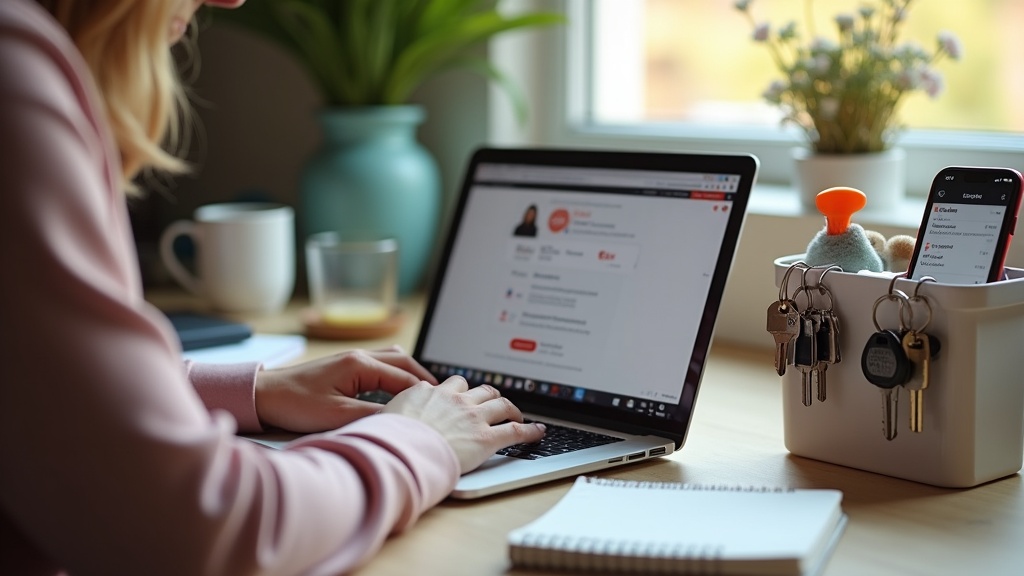
Time is the biggest non-financial factor in this comparison, and it's where management companies provide their clearest value proposition.
Self-managing requires consistent daily attention: responding to inquiries within an hour, coordinating cleaners and maintenance, handling check-ins, and resolving guest issues. Peak booking periods can mean 6-8 hours weekly, whilst quiet periods might need just 30 minutes daily.
Most experienced self-managed hosts develop systems that streamline these tasks. Automated messaging handles 70% of guest communications, pre-approved cleaner and maintenance contacts reduce coordination time, and clear house rules prevent most issues. After 6-12 months, many hosts report managing their time investment down to 1-2 hours per booking.
Management companies eliminate almost all hands-on hosting tasks, but you sacrifice control over guest experience and property standards. Some hosts find the mental load of constant availability more exhausting than the actual time spent.
If you're earning £200+ nightly and value your time highly, management fees might be worthwhile. For lower-earning properties or hosts who enjoy the hosting process, self-management typically offers better returns on both money and time invested.
Hidden Costs Most Hosts Miss
Both management companies and self-managed hosting involve costs that aren't immediately obvious, but understanding these helps make accurate comparisons.
Management companies often mark up third-party services significantly. That £40 cleaner becomes £55 through the management company, and emergency maintenance calls include admin fees on top of contractor costs. Many charge extra for services you'd assume were included, like inventory restocking, guest damage assessments, or seasonal deep cleaning.
Communication delays can also cost money. When management companies take 4-6 hours to respond to urgent guest issues, you risk negative reviews that impact future bookings. Some hosts report 10-15% lower guest satisfaction scores under management compared to their own direct handling.
Self-managed hosting has hidden costs too, but they're more controllable. Emergency callouts at weekends cost more than planned maintenance. Seasonal demand fluctuations mean periods with high cleaning costs but low occupancy. Guest damage occasionally requires immediate replacement of furniture or appliances.
The key difference is transparency and control. With self-management, you see exactly where every pound goes and can adjust spending based on your priorities and cash flow.
If you'd like an expert assessment of your current hosting approach with specific suggestions for improvement, LetGrow's free listing score shows you exactly where you stand against local competitors.
When Does Hiring Management Actually Make Sense?
Despite the financial advantages of self-management, certain situations genuinely favour professional management companies – particularly when your circumstances limit hands-on involvement.
Geographic distance is the most compelling reason. If your property is more than 2 hours away, coordinating cleaners, handling emergencies, and managing check-ins becomes genuinely difficult. Management companies with local presence can respond to urgent issues within 30-60 minutes, whilst remote hosts might need half a day to arrange solutions.
Multiple property portfolios also benefit from professional management once you exceed 3-4 properties. The administrative overhead of managing numerous bookings, cleaning schedules, and maintenance requests can become overwhelming without dedicated systems and staff.
High-end luxury properties often justify management fees through specialised services. Companies managing £300+ nightly properties typically offer concierge services, premium amenities coordination, and white-glove guest experiences that individual hosts struggle to match consistently.
New hosts in competitive markets sometimes benefit from management companies' local expertise and established systems. However, this advantage typically diminishes after 6-12 months as you develop your own knowledge and processes.
The key is honest assessment of your situation. If management fees reduce your stress significantly and you can still achieve your financial goals, the cost might be worthwhile regardless of pure profit maximisation.
DIY Hosting: Making It Work Without Burning Out
Successful self-managed hosting requires systems and boundaries that prevent the common pitfall of becoming a 24/7 customer service representative for your property.
Automation handles the bulk of guest communication efficiently. Pre-written message templates for common questions, automated check-in instructions, and scheduled follow-ups reduce active messaging by 60-70%. Most booking platforms offer basic automation tools, whilst services like Your Porter or Hostfully provide more sophisticated options.
Building reliable local support networks is crucial for emergencies and regular maintenance. Establishing relationships with 2-3 cleaners, a handyman, and a locksmith before you need them prevents scrambling during crises. Many successful hosts maintain WhatsApp groups with their support team for quick coordination.
Setting clear availability boundaries protects your personal time whilst maintaining good guest service. Most experienced hosts respond to messages during business hours but set expectations that emergencies outside these times incur additional charges. Guests generally respect clear boundaries more than inconsistent availability.
For comprehensive guidance on optimising your self-managed approach, our detailed guide on Airbnb listing optimisation covers the essential systems and strategies that make DIY hosting profitable and manageable.
The learning curve typically takes 3-6 months, during which you'll refine processes and identify what works for your property and guest demographic. Most hosts find self-management becomes significantly easier once these systems are established.
Making the Right Choice for Your Situation
The decision ultimately depends on balancing financial goals, time availability, and stress tolerance rather than following a one-size-fits-all approach.
Start by calculating your true break-even point. If management fees would cost you more than £500 monthly, self-management almost certainly makes financial sense unless your time is extremely valuable or constrained. Properties earning less than £1,500 monthly rarely justify full management fees from a pure profit perspective.
Consider a trial period approach. Many hosts start with self-management for 6-12 months to understand their property's rhythms and guest needs, then make an informed decision about whether professional management would add sufficient value.
Hybrid approaches also work well for some hosts. You might handle guest communications and coordination yourself whilst outsourcing specific tasks like professional photography, pricing optimisation, or deep cleaning to specialists rather than full-service management companies.
Whatever you choose, ensure your listing is optimised for maximum performance. Poor photos, weak descriptions, or uncompetitive pricing will reduce earnings regardless of your management approach. Get your free Airbnb performance score to identify specific areas where your listing could be earning more.
Frequently Asked Questions
How much do UK Airbnb management companies typically charge?
Most UK Airbnb management companies charge 20-25% of gross rental income for full service, with basic packages starting around 15% and premium services reaching 35%. Additional costs like setup fees (£200-500) and marked-up cleaning services typically add 3-5% to your total expenses.
Is self-managing an Airbnb worth the time investment?
Self-managing typically requires 2-4 hours per booking initially, decreasing to 1-2 hours as you develop systems. For properties earning £150+ nightly, this time investment usually pays better than most part-time work, with 25-35% higher net profits than managed properties.
What are the biggest hidden costs of Airbnb management companies?
Management companies often mark up cleaning (20-30% above market rates), charge extra for services you'd expect included (damage assessments, inventory restocking), and add admin fees to maintenance callouts. These extras can add 5-10% to your stated management fee percentage.
How quickly can I switch from management company to self-hosting?
Most management contracts require 30-90 days notice, but you can typically transition within 2-4 weeks once approved. The main tasks involve taking control of your listing, establishing cleaner/maintenance contacts, and setting up guest communication systems.
Do management companies actually increase bookings enough to justify their fees?
Some management companies achieve 10-20% higher occupancy through better optimisation and local market knowledge, but this varies significantly by company and location. The increased bookings rarely offset 20-25% management fees unless your property was severely underperforming initially.
What's the minimum property income that makes professional management worthwhile?
Properties earning less than £2,000 monthly rarely justify full management fees from a financial perspective. Above £3,500 monthly, management might make sense if you value time savings over profit maximisation, particularly for remote or luxury properties requiring specialised handling.
Whether you choose professional management or the DIY approach, success in short-term rentals comes down to optimisation and understanding your local market. Ready to see how your listing measures up? Get your free score at LetGrow and discover specific opportunities to boost your revenue.