
Setting the right Airbnb cleaning fee strategy can make or break your profitability as a UK host. Too high, and you'll scare away potential guests; too low, and you'll eat into your margins whilst attracting guests who might not value your property. With average UK cleaning fees ranging from £30 for studios to £80+ for larger homes, finding your sweet spot requires understanding guest psychology, local competition, and your operational costs.
Your cleaning fee isn't just about covering expenses—it's a powerful pricing tool that can influence booking patterns, guest behaviour, and your overall revenue per booking. Let's explore how to craft a cleaning fee strategy that maximises your earnings whilst maintaining strong occupancy rates.
What Is an Airbnb Cleaning Fee and Why Does It Matter?
An Airbnb cleaning fee is a one-time charge added to each booking to cover the cost of preparing your property between guests. Unlike your nightly rate, it's fixed regardless of stay length, making it particularly valuable for longer bookings where the per-night impact decreases.
The cleaning fee serves multiple strategic purposes beyond simply covering housekeeping costs. It helps filter guests by commitment level—those booking for longer stays are less sensitive to fixed fees, whilst bargain hunters seeking one-night stays may look elsewhere. This natural filtering often results in more respectful guests and better reviews.
From a revenue perspective, cleaning fees contribute directly to your bottom line. For a three-night booking with a £60 nightly rate and £45 cleaning fee, you're earning £225 total—effectively £75 per night. However, Airbnb displays the nightly rate more prominently in search results, so your listing appears competitive whilst maintaining healthy margins.
How Much Should You Charge for Airbnb Cleaning?

UK cleaning fees typically range from £25-£35 for studio apartments, £35-£50 for one-bedroom properties, £45-£65 for two-bedroom homes, and £60-£85 for three-bedroom properties or larger. However, these benchmarks should be starting points rather than rigid rules.
Your optimal cleaning fee depends on several factors: actual cleaning costs, local market rates, property type, and guest expectations. In London, cleaning fees tend to run 20-30% higher than the national average due to higher service costs and guest expectations for premium experiences.
To calculate your baseline, add up all cleaning-related expenses: professional cleaning service (or your time valued at market rates), laundry costs, restocking amenities like toiletries and coffee, wear-and-tear replacement for linens and towels, and time spent coordinating between guests. Many hosts underestimate these hidden costs and end up subsidising their own cleaning.
Research shows that guests are generally willing to pay cleaning fees up to 15-20% of their total booking cost without significant resistance. For a £200 three-night stay, a cleaning fee of £30-£40 feels reasonable, whilst £70 might trigger booking abandonment.
"I used to charge £25 for cleaning my two-bedroom Manchester apartment until I properly calculated my costs. Between the cleaner, laundry, restocking, and my coordination time, I was losing £20 per turnover. Now I charge £55 and my margins are healthy." — Sarah, Manchester host with three properties
Cleaning Fee vs Nightly Rate: Finding the Right Balance
The relationship between your cleaning fee and nightly rate significantly impacts guest psychology and booking patterns. A high cleaning fee with lower nightly rates attracts longer stays but may deter short-term bookings. Conversely, low cleaning fees with higher nightly rates appeal to weekend visitors but might reduce profitability on extended stays.
Consider two identical properties: Property A charges £50/night with a £20 cleaning fee, whilst Property B charges £45/night with a £35 cleaning fee. For a one-night stay, Property A costs £70 versus £80 for Property B—a clear advantage. However, for a week-long booking, Property A totals £370 whilst Property B costs £350, making it more attractive for longer stays.
Your target guest demographics should influence this balance. Business travellers often book shorter stays and prefer lower total costs upfront, making higher nightly rates with minimal cleaning fees effective. Holiday makers planning week-long breaks are typically less sensitive to fixed fees and more focused on nightly rates when comparing properties.
Seasonal considerations also matter. During peak summer months when demand is high, you might reduce cleaning fees to appear more competitive in searches, compensating with higher nightly rates. In quieter periods, maintaining cleaning fees whilst lowering nightly rates can preserve margins whilst staying price-competitive.
For comprehensive insights into how your pricing compares locally, LetGrow's free listing score analyses your rates against similar properties and identifies opportunities to optimise your pricing strategy.
How Do Guests Perceive Cleaning Fees?
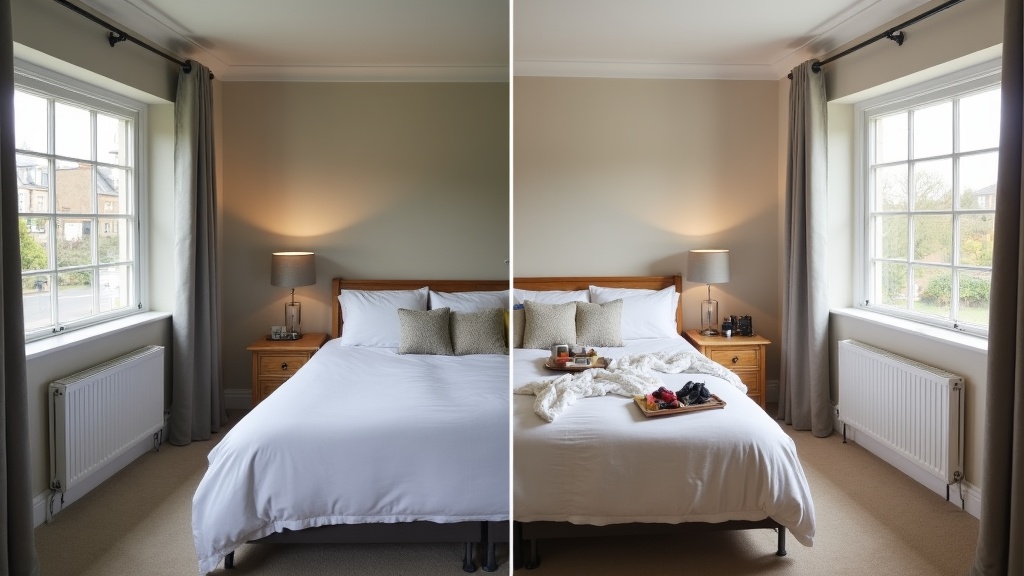
Guest perception of cleaning fees is complex and often emotional rather than purely rational. Many guests understand that professional cleaning is necessary between bookings, but they expect transparency and value for money. Excessive or poorly justified cleaning fees are frequent sources of negative reviews and booking abandonment.
Research indicates that guests are more accepting of cleaning fees when they're clearly communicated and proportionate to the property size and quality. A £75 cleaning fee for a luxury four-bedroom house feels reasonable, whilst the same fee for a basic studio apartment triggers resentment.
Transparency is crucial. Guests appreciate hosts who explain what the cleaning fee covers—professional cleaning service, fresh linens, towel replacement, restocking essentials, and deep sanitisation. Some hosts include a brief explanation in their listing description: "Our £45 cleaning fee ensures your accommodation is professionally cleaned and sanitised between guests, with fresh linens and fully stocked amenities."
Timing of disclosure also affects perception. Airbnb shows cleaning fees before booking completion, but guests often focus on nightly rates during initial searches. Properties with reasonable cleaning fees clearly displayed tend to receive fewer price-related complaints than those where fees feel "hidden" until checkout.
The rise of "cleaning fee outrage" on social media has made guests more sensitive to excessive charges. Fees above £100 for typical residential properties often generate negative attention, regardless of justification. Staying within market norms whilst delivering visible value helps maintain positive guest relationships.
Should You Include Cleaning in Your Nightly Rate Instead?
Some hosts choose to eliminate cleaning fees entirely, incorporating costs into higher nightly rates. This strategy can improve search visibility and appeal to price-sensitive guests, but it comes with trade-offs that require careful consideration.
The primary advantage is search competitiveness. When guests filter by price or sort by lowest cost, your property appears more attractive without the cleaning fee addition. This can increase click-through rates and initial interest, particularly for shorter stays where cleaning fees disproportionately impact total costs.
However, removing cleaning fees means shorter stays become less profitable. A one-night guest costs the same to clean as a week-long visitor, but without separate cleaning charges, you can't recoup those fixed costs appropriately. This often leads to either reduced profitability or the need to set minimum stay requirements.
Properties in competitive markets with many similar listings might benefit from eliminating cleaning fees to stand out in searches. Conversely, unique properties with limited direct competition can maintain separate cleaning fees without significant booking impact.
Consider your typical booking patterns when making this decision. If 80% of your guests stay three nights or longer, incorporating cleaning costs into nightly rates might work well. But if you frequently host weekend breaks and business travellers, separate cleaning fees often generate higher revenue per booking.
Some hosts experiment with seasonal approaches—removing cleaning fees during competitive periods and reintroducing them during high-demand seasons when guests are less price-sensitive.
Regional Variations: UK Market Insights
Cleaning fee expectations vary significantly across UK regions, influenced by local service costs, competition levels, and guest demographics. Understanding these variations helps set appropriate fees that align with market expectations whilst maintaining profitability.
London hosts typically charge the highest cleaning fees, ranging from £40-£60 for one-bedroom properties and £70-£100 for larger homes. The premium reflects higher service costs, stricter cleanliness standards, and guests accustomed to paying more for accommodation services. International visitors, who make up a significant portion of London bookings, often expect comprehensive cleaning services and are less resistant to associated fees.
Edinburgh, Bath, and other tourist-heavy cities support cleaning fees 10-20% above national averages due to high demand and limited supply during peak seasons. However, these markets are highly competitive, requiring careful balance between fees and overall value proposition.
Northern cities like Manchester, Liverpool, and Newcastle tend toward lower cleaning fees, typically £25-£45 for most property types. Lower service costs and different guest expectations influence these rates, but hosts shouldn't automatically discount their fees without considering their specific costs and positioning.
Rural and coastal areas present unique challenges. Holiday cottages in Cornwall or Lake District properties might justify higher cleaning fees due to remote locations increasing service costs and guests expecting pristine conditions for special occasions. However, these markets also attract budget-conscious family groups who scrutinise all additional fees carefully.
For detailed analysis of how your fees compare to local competition, get your free Airbnb performance score to see where you stand against similar properties in your specific market.
Common Cleaning Fee Mistakes to Avoid
Many UK hosts make critical errors when setting cleaning fees that damage their profitability, guest satisfaction, or booking conversion rates. Recognising and avoiding these mistakes can significantly improve your hosting success.
The most common mistake is underpricing cleaning fees out of fear of deterring guests. While high fees can indeed reduce bookings, fees below your actual costs essentially mean you're paying guests to stay at your property. Calculate your true cleaning costs including hidden expenses like your time, then set fees accordingly.
Conversely, some hosts set excessive cleaning fees to boost revenue without providing corresponding value. A £80 cleaning fee for a basic one-bedroom flat will generate negative reviews and booking resistance unless the property is exceptionally well-maintained and cleaned to hotel standards.
Inconsistent cleaning standards relative to fees charged create guest disappointment and poor reviews. If you charge premium cleaning fees, guests expect spotless properties with fresh linens, restocked amenities, and attention to detail. Cutting corners on actual cleaning whilst maintaining high fees is a recipe for negative feedback.
Many hosts fail to communicate what their cleaning fee covers, leading to guest confusion and resentment. A brief explanation in your listing or welcome message helps justify the charge: "Our cleaning fee covers professional sanitisation, fresh linens, towel replacement, and restocking of complimentary amenities including toiletries and coffee supplies."
Another error is setting the same cleaning fee regardless of booking length or guest count. Some hosts implement graduated fees—standard rates for stays under a week, but reduced or waived fees for monthly bookings where per-night impact is minimal.
Finally, many hosts set cleaning fees once and never review them. Service costs increase, market conditions change, and your property standards evolve. Regular quarterly reviews ensure your fees remain appropriate and competitive.
Optimising Your Cleaning Fee Strategy
Creating an effective Airbnb cleaning fee strategy requires ongoing optimisation based on booking patterns, guest feedback, and market changes. Start with competitive research using Airbnb's search filters to analyse similar properties in your area, noting their cleaning fees relative to nightly rates and property quality.
Track your metrics closely. Monitor how cleaning fee changes affect your booking conversion rate, average booking length, and guest satisfaction scores. A/B testing different fee levels over several months provides data-driven insights into your optimal pricing point.
Consider implementing dynamic cleaning fees based on seasonality or demand. During peak summer months, slightly higher fees might be acceptable given increased demand and guest expectations. In quieter periods, modest reductions can improve booking competitiveness without significantly impacting margins.
Guest feedback offers valuable insights into fee perception. Reviews mentioning cleanliness, value for money, or pricing concerns should inform your strategy. Consistently positive feedback about property condition might support higher fees, whilst price complaints suggest downward adjustment.
Some advanced hosts use cleaning fees strategically to influence booking patterns. Higher fees naturally deter very short stays whilst attractive longer-stay guests who are less sensitive to fixed costs. This can improve operational efficiency and guest quality.
Communication remains crucial throughout optimisation. Keep guests informed about what your cleaning fee covers and why it's necessary. Transparency builds trust and reduces fee-related complaints, even when charges are above market averages.
For comprehensive analysis of your current pricing strategy including cleaning fees, LetGrow analyses your entire listing for free and provides specific recommendations to optimise your revenue whilst maintaining guest satisfaction.
Frequently Asked Questions
What's the average Airbnb cleaning fee in the UK?
Average UK cleaning fees range from £25-£35 for studios, £35-£50 for one-bedroom properties, £45-£65 for two-bedroom homes, and £60-£85 for larger properties. London typically runs 20-30% higher due to increased service costs.
Can I charge different cleaning fees for different seasons?
Yes, you can adjust cleaning fees seasonally, though frequent changes may confuse guests. Many hosts increase fees slightly during peak demand periods when guests are less price-sensitive and reduce them during quieter months to maintain competitiveness.
Should my cleaning fee cover guest damage or extra mess?
Standard cleaning fees should cover normal turnover cleaning only. Excessive mess, damage, or rule violations should be handled through Airbnb's resolution centre or security deposits, not inflated cleaning fees which apply to all guests.
Do guests really abandon bookings because of high cleaning fees?
Yes, research shows that cleaning fees exceeding 15-20% of total booking costs significantly increase abandonment rates. Guests are particularly sensitive to fees that seem disproportionate to property size or nightly rates.
How often should I review my cleaning fee?
Review cleaning fees quarterly or whenever you notice changes in booking patterns, local competition, or actual cleaning costs. Service price increases, market shifts, or guest feedback should trigger immediate reviews.
Can I waive cleaning fees for longer bookings?
Many hosts reduce or waive cleaning fees for stays over one week since the per-night impact decreases significantly. This strategy can attract longer bookings whilst maintaining margins on shorter stays.
Crafting the right Airbnb cleaning fee strategy balances guest expectations, market competition, and your operational costs. Regular monitoring and adjustment ensure your fees remain competitive whilst protecting your profitability. Remember, transparency and value delivery matter more than finding the lowest possible price—guests will pay fair fees for clean, well-maintained properties that meet their expectations. Ready to see how your current pricing strategy measures up? Get your free performance score and discover specific optimisation opportunities for your listing.