
Why Airbnb in the Cotswolds Demands a Different Pricing Playbook
The Cotswolds isn't just another UK holiday let market — it's a collection of honey-stone villages and historic market towns where pricing psychology, seasonal demand, and guest expectations follow entirely different rules to city apartments or coastal cottages. Get your Airbnb Cotswolds historic market pricing wrong, and you'll either sit empty while competitors fill their calendars, or leave thousands of pounds on the table by undercharging during peak weekends.
The most profitable hosts in Cirencester, Stow-on-the-Wold, Bourton-on-the-Water, and Chipping Campden understand one fundamental truth: market town demand is event-driven, not season-driven. A Tuesday in August might earn you less than a Friday in February if there's a food festival, antiques fair, or polo match nearby. Static pricing — the same rate every night — is the fastest way to underperform in this market.
This guide shows you exactly how to price your Cotswolds Airbnb to capture premium weekend demand, avoid the revenue leaks that plague rural listings, and position your property for the high-spending guests this region attracts. Whether you're in a Georgian townhouse in Tetbury or a converted barn outside Moreton-in-Marsh, the principles remain the same: dynamic, data-led pricing tailored to your micro-market.
What Makes the Cotswolds Holiday Let Market Unique?
The Cotswolds holiday let market is characterised by short-break weekend demand, high average guest spend, and extreme seasonality around events and school holidays. Unlike urban markets where business travel smooths occupancy, Cotswolds bookings spike around leisure weekends, food festivals, racing at Cheltenham, and summer tourism — then drop sharply mid-week and off-season.
Guest demographics skew older and wealthier than most UK markets. Cotswolds visitors are predominantly couples aged 45+, families celebrating milestones, and international tourists seeking quintessential English countryside experiences. They book further in advance, stay 2-3 nights on average, and prioritise character, location, and amenities over price. This creates opportunity: the market will pay premium rates for quality listings, but only if your pricing signals value and exclusivity at the right moments.
Market towns like Stow-on-the-Wold, Moreton-in-Marsh, and Cirencester command higher rates than isolated rural properties because guests want walkable access to cafés, pubs, independent shops, and weekend farmers' markets. A cottage in the town centre will consistently outperform an identical property two miles outside, even if the rural listing has better views. Location within the market town itself — not just 'Cotswolds' — dictates your pricing ceiling.
The Weekend Premium Mistake Most Hosts Make
Cotswolds hosts routinely undercharge on Friday and Saturday nights, treating weekends the same as weekdays. Data from comparable listings shows weekend rates should be 30-50% higher than mid-week in popular market towns during spring and summer. A property priced at £120 per night flat could charge £95 Monday-Thursday and £145-160 Friday-Saturday, dramatically increasing total revenue without hurting occupancy.
The psychology works because weekend guests are a different buyer. They're celebrating anniversaries, planning romantic getaways, or treating family to a countryside escape — price is not the primary decision factor. Mid-week guests, by contrast, are often retirees or remote workers seeking value. Flat pricing tries to serve both and satisfies neither. If you're unsure how your current pricing compares to local competition, LetGrow's free Airbnb performance score benchmarks your rates against similar properties in your area and shows you exactly where you're leaving money on the table.
How to Price Your Airbnb in Historic Cotswolds Market Towns
Pricing a Cotswolds Airbnb effectively requires layering four strategies: base rate positioning, weekend uplift, seasonal adjustment, and event-driven spikes. Start with competitive base pricing, then apply multipliers based on demand signals. This isn't guesswork — it's pattern recognition applied to your local micro-market.
1. Establish Your Competitive Base Rate
Your base rate is your Monday-Thursday price during shoulder season (March-April, September-October). Research 8-10 comparable listings in your immediate area — same property type, bedroom count, and location quality. Don't compare a town-centre Georgian terrace to a rural farmhouse; they're different products. Position your base rate in the middle of the pack if you're new or have fewer than 10 reviews, or in the top 25% if you have strong reviews, professional photos, and premium amenities.
For a well-optimised 2-bedroom cottage in Stow-on-the-Wold with good reviews, expect a base rate around £110-140 per night. A 1-bedroom apartment in Cirencester might sit at £80-100. A luxury 4-bedroom townhouse in Chipping Campden could command £250-350. These are starting points, not fixed targets — your actual rate depends on photos, review score, title optimisation, and amenity set. LetGrow's Airbnb pricing strategy guide breaks down how each listing element impacts your pricing power.
2. Apply Weekend Uplift (Friday-Saturday)
Once you've set a competitive base, add 35-50% for Friday and Saturday nights during peak months (April-October). If your base is £120, your weekend rate should be £160-180. This isn't gouging — it's market-rate pricing. Check your local competitors: the highest-performing listings already do this. Weekend uplift captures the premium leisure demand that defines the Cotswolds market without deterring mid-week bookings.
Adjust your uplift by month: 60% in May and September (wedding season, perfect weather), 40% in July-August (families book longer stays, less price-sensitive to per-night rate), 25-30% in November-March (winter weekends still outperform weekdays, but demand is lower). You can test and refine these percentages by monitoring your inquiry-to-booking conversion rate — if you're getting views but no bookings, you may be slightly high; if you're booking out weeks in advance, you're probably low.
3. Seasonal Demand Adjustments
Cotswolds demand follows a distinct annual rhythm. Spring (April-May) and autumn (September-October) are peak revenue months — the weather is mild, gardens are at their best, and the region isn't overrun with summer tourists. Raise your base rate 15-20% during these windows. June is strong for weddings and long weekends around early summer bank holidays.
July-August see high occupancy but more price-sensitive families. Keep rates competitive but don't discount — offer value through minimum stay discounts (10% off for 5+ nights) rather than dropping nightly rates. November-February is low season, but Christmas, New Year, and Valentine's weekend are exceptions — treat these as event-level pricing (see below). For insight into how occupancy impacts pricing strategy across different markets, read how occupancy rate changes your price.
4. Event-Driven Price Spikes
This is where Cotswolds pricing gets sophisticated. Monitor local event calendars and adjust rates 60-90 days in advance. Cheltenham Races (March and November), Badminton Horse Trials (May), Cornbury Music Festival (July), and Fairford Air Tattoo (July) drive massive spikes in accommodation demand. Listings within 30 minutes of these venues can charge 2-3x normal rates during event weekends.
Even smaller market town events matter: food festivals in Stroud, antiques fairs in Moreton-in-Marsh, Christmas markets in Cirencester and Tetbury. Set calendar alerts for these dates and adjust pricing 6-8 weeks out. The key is raising rates before demand appears — once the event is next week, the best guests have already booked elsewhere. For more on capturing peak pricing during local events, see premium rates during festival and event season.
The Hidden Revenue Leaks in Cotswolds Airbnb Listings

Even hosts who understand dynamic pricing often lose bookings and revenue to subtle listing optimisation gaps. Three issues quietly cost Cotswolds hosts thousands per year: poor title SEO for market town searches, missing high-value amenities, and weak photo positioning that buries your best features.
Market Town Keyword Gaps in Titles
Your Airbnb title is the single most important SEO element for search visibility. Guests don't search 'charming cottage Cotswolds' — they search 'Stow-on-the-Wold cottage 2 bed parking' or 'dog-friendly Cirencester townhouse'. If your title doesn't include your specific market town name, key amenities (parking, garden, dog-friendly, wood burner), and property type, you're invisible in filtered searches.
A weak title: 'Beautiful Cotswolds Escape with Character'. A strong title: 'Stow-on-the-Wold Stone Cottage | Parking | Wood Burner | Dog-Friendly'. The second version appears in four different filtered searches the first doesn't. LetGrow's listing audit analyses your title against local competitors and rewrites it to maximise search visibility — get your free score here to see exactly what's missing from yours.
The Amenities That Justify Premium Pricing
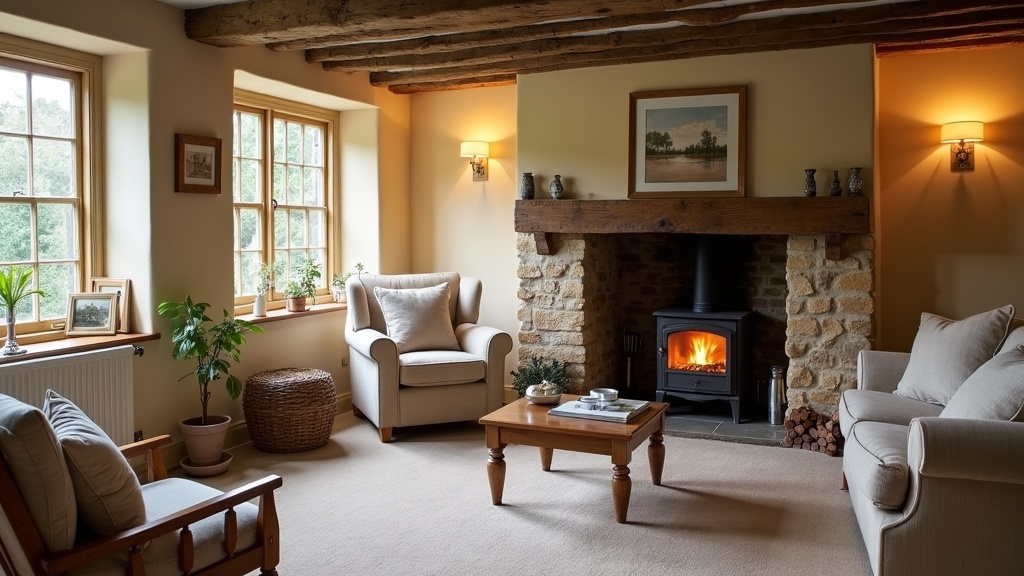
Cotswolds guests expect certain amenities and will pay significantly more for listings that have them: dedicated parking (non-negotiable in rural areas), wood-burning stove or fireplace (huge emotional appeal), fully equipped kitchen (guests cook more in countryside rentals), and outdoor space (garden, patio, or courtyard). If you have these features but haven't ticked them in Airbnb's amenity checklist, you're not appearing in filtered searches — a critical revenue leak.
Less obvious but equally valuable: a dishwasher (families and groups cooking), a dining table that seats your max guest count (don't make 4 guests eat in shifts), and quality coffee facilities. A £15 cafetière counts as 'Coffee Maker' in Airbnb's amenity filter — tick it, because guests absolutely filter for this. Each correctly listed amenity expands your search visibility and justifies higher pricing.
Photo Order and Quality
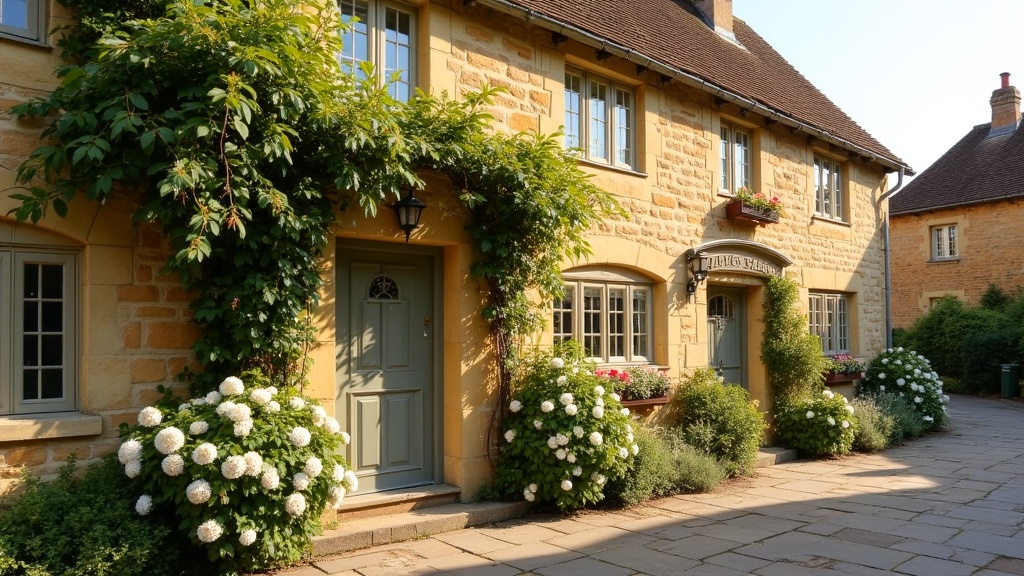
Your hero photo (first image) determines whether guests click into your listing at all. In the Cotswolds market, exteriors showing honey-stone character, climbing roses, or historic architecture consistently outperform interior shots as hero images — they signal location and authenticity instantly. Your second and third photos should showcase your best interior space (usually the living room) and a key amenity (the kitchen, garden, or a beautiful bedroom).
Avoid leading with overly styled or dark photos. Cotswolds guests want to see natural light, original features, and a sense of place. Poor photo order or low-quality images are the fastest way to lose bookings to competitors with identical properties but better presentation. LetGrow's photo optimisation service analyses your current photo set and provides a recommended order based on what performs best in your market.
Market Town Airbnb Demand: Where to Focus Your Strategy
Not all Cotswolds market towns perform equally. Stow-on-the-Wold, Bourton-on-the-Water, and Chipping Campden see the highest year-round demand due to tourist infrastructure (restaurants, shops, attractions) and strong brand recognition. Listings here command 15-25% higher rates than less-known villages, even if the property quality is identical.
Cirencester, Tetbury, and Moreton-in-Marsh are second-tier in demand but offer better value for guests, which translates to more consistent mid-week bookings. These towns attract domestic repeat visitors and retirees rather than international tourists. Pricing here should be 10-15% below top-tier towns but with stronger occupancy. Winchcombe, Northleach, and smaller villages rely heavily on weekend and event-driven demand — expect lower occupancy overall but the ability to charge premium rates during peak weekends if your listing is exceptional.
Tourist Destination Pricing: Premium or Volume?
Hosts in high-demand towns face a strategic choice: price for premium (high rates, lower occupancy, targeting affluent guests) or volume (competitive rates, high occupancy, more turnover). Premium strategies work best for unique properties — listed buildings, exceptional design, standout amenities — where you can sustain 70-80% occupancy even at top-quartile pricing. Volume strategies suit standard properties in competitive markets where occupancy matters more than per-night rate.
Most successful Cotswolds hosts blend the two: premium pricing on weekends and peak season, competitive pricing mid-week and off-season. This maximises revenue when demand is high and fills gaps when it's soft. The mistake is picking one strategy and applying it year-round — the market demands flexibility. For a detailed comparison of pricing tools that help you execute dynamic strategies, see LetGrow vs Hosting Tools pricing comparison.
How to Optimise Your Listing for Cotswolds-Specific Searches
Airbnb's search algorithm prioritises listings that closely match guest intent. When someone searches 'Chipping Campden dog-friendly cottage parking', they don't want to scroll through pages of results — they want the perfect match immediately. Your job is to make your listing that perfect match by aligning your title, description, and amenity tags with high-intent search terms.
Title and Description Best Practices
Your title should follow this structure: [Market Town Name] + [Property Type] + [Top 3 Amenities/Features]. Example: 'Bourton-on-the-Water Cottage | River Views | Parking | Wood Burner'. This immediately tells the guest where you are, what you are, and why they should care. Don't waste title characters on generic fluff like 'stunning', 'beautiful', or 'perfect for families' — these add no search value.
Your description should open with a one-sentence summary of your unique value: 'A characterful 18th-century stone cottage in the heart of Stow-on-the-Wold, 2 minutes' walk to independent shops, galleries, and pubs.' Then break into short, scannable paragraphs covering: location and walkability, interior features and character, amenities and practical details, nearby attractions and activities, and guest experience highlights. Use bullet points for key features — guests skim, they don't read. For more on listing optimisation techniques that apply across UK markets, compare this approach to coastal pricing strategies in Cornwall.
The Amenity Checklist You Can't Ignore
Go through Airbnb's entire amenity list and tick everything your property legitimately has. Hosts routinely leave amenities unchecked out of laziness or uncertainty, which removes them from filtered searches. Have a hairdryer in the bathroom? Tick it. Clothes hangers in the wardrobe? Tick it. Iron and ironing board? Tick it. These seem trivial, but filtered searches are cumulative — the more boxes you tick, the more search queries you appear in.
For Cotswolds properties, prioritise: parking (essential), heating type (central heating, wood burner, etc.), kitchen facilities (oven, dishwasher, coffee maker), outdoor space (garden, patio, balcony), and pet policy (dog-friendly listings command 10-15% higher rates and occupancy in rural markets). If you're missing a high-value amenity that's feasible to add — like a cafetière for £15 or a luggage rack for £20 — add it and tick the box. The ROI is immediate.
Comparing Your Cotswolds Listing Against Local Competitors
You can't optimise in a vacuum. Effective pricing and positioning require constant awareness of what comparable listings are doing — their rates, occupancy, review scores, amenities, and how they present themselves. Identify 8-10 direct competitors (same town, same property type, similar capacity) and monitor them monthly.
Look for patterns: Are they fully booked on weekends you're empty? Check their pricing — you're probably too high or your listing presentation is weaker. Are they charging £20-30 more per night with the same setup? Look at their photos, title, and amenity list — they're likely optimised better. Competitive analysis isn't copying; it's understanding the market rate for quality and positioning yourself accordingly.
LetGrow's competitor analysis does this automatically, tracking local listings' pricing, availability, and performance against yours. You'll see exactly where you rank on price, quality, and visibility, plus specific suggestions to close the gap. Learn more about LetGrow's optimisation tools here.
Common Pricing Mistakes in the Cotswolds Market
Flat pricing year-round. The single biggest error. Demand varies wildly by day of week, season, and local events. Static rates either leave money on the table during peaks or price you out during troughs.
Undercharging on weekends. Weekend leisure demand in the Cotswolds is premium — guests will pay more. If your Friday-Saturday rates aren't 30-50% higher than weekdays in season, you're losing revenue.
Ignoring local event calendars. Cheltenham Races, Badminton Horse Trials, and even village food festivals create huge demand spikes. Hosts who don't adjust pricing in advance miss the highest-revenue weekends of the year.
Copying competitor pricing blindly. If a competitor is charging £150/night, that doesn't mean you should. Maybe they have better photos, a hot tub, or 50 five-star reviews. Match positioning to your listing's actual quality, then use optimisation to justify higher rates over time.
Racing to the bottom on price. When bookings slow, many hosts panic and slash rates by 20-30%. This rarely works because the problem is usually visibility or listing quality, not price. Discounting a poorly optimised listing just means you earn less from the bookings you do get. Fix the listing first, then adjust pricing strategically. For examples of how different UK markets handle seasonal demand, compare this to summer market analysis in Bournemouth.
How LetGrow Helps Cotswolds Hosts Maximise Revenue
LetGrow is a UK-based Airbnb optimisation platform built for self-managing hosts who want expert-level performance without hiring a full-service management company. We don't manage your property — we optimise your listing so you can manage it better. Our tools include AI-powered listing audits, competitor analysis, pricing strategy recommendations, photo optimisation, and SEO title rewrites.
For Cotswolds hosts specifically, LetGrow's competitor analysis identifies which market town listings you're competing against and how your pricing, amenities, and presentation compare. You'll see exactly where you're underperforming and what changes will have the biggest revenue impact. Our pricing strategy recommendations account for weekend uplift, seasonal demand, and local events — tailored to your micro-market, not generic UK-wide averages.
Getting started is free: LetGrow's free Airbnb listing score analyses your current title, description, photos, pricing, and amenities in under 60 seconds and gives you a performance score with immediate, actionable improvements. It's the fastest way to identify the revenue leaks in your listing and understand exactly what's holding you back.
Frequently Asked Questions
What is the average nightly rate for Airbnb in the Cotswolds?
Average nightly rates vary significantly by property type and location. A 2-bedroom cottage in popular market towns like Stow-on-the-Wold or Bourton-on-the-Water typically ranges from £110-160 per night mid-week and £150-200 on weekends during peak season. Luxury properties and larger homes can command £250-400+ per night. Rates are 20-30% lower in winter and less-known villages.
Should I charge more on weekends for my Cotswolds Airbnb?
Absolutely. Weekend demand in the Cotswolds is driven by leisure travellers who are less price-sensitive than mid-week guests. Apply a 35-50% weekend uplift on Fridays and Saturdays during spring, summer, and autumn. This strategy maximises revenue without hurting overall occupancy, as mid-week pricing remains competitive for value-seekers and remote workers.
Which Cotswolds market towns have the highest Airbnb demand?
Stow-on-the-Wold, Bourton-on-the-Water, and Chipping Campden see the highest year-round demand due to strong tourist infrastructure and brand recognition. Cirencester, Tetbury, and Moreton-in-Marsh offer consistent mid-tier demand with better value positioning. Smaller villages rely more heavily on weekend and event-driven bookings with lower baseline occupancy.
How do I price my Airbnb around Cheltenham Races or local events?
Monitor local event calendars and adjust pricing 60-90 days in advance. For major events like Cheltenham Races, Badminton Horse Trials, or Fairford Air Tattoo, listings within 30 minutes can charge 2-3x normal weekend rates. Even smaller events (food festivals, Christmas markets, antiques fairs) justify 50-80% uplifts. The key is raising rates early before demand peaks and the best guests book elsewhere.
What amenities justify higher pricing in Cotswolds holiday lets?
Dedicated parking is non-negotiable and can add 15-20% to your rate in rural areas. A wood-burning stove or fireplace adds significant emotional appeal and commands premium pricing in colder months. Other high-value amenities include a fully equipped kitchen with dishwasher, private outdoor space (garden or patio), dog-friendly policy, and quality beds with high thread-count linens. Each correctly listed amenity also expands your search visibility.
How can I improve my Airbnb listing visibility in Cotswolds searches?
Include your specific market town name in your title (not just 'Cotswolds'), list all amenities your property actually has (especially parking, heating, and pet policy), upload high-quality photos with your best exterior or character features first, and ensure your description includes location-specific keywords guests search for. LetGrow's free listing audit identifies exactly which elements are holding back your search visibility and provides specific fixes.
Conclusion
Pricing an Airbnb in the Cotswolds successfully means understanding that this market rewards strategic flexibility, not static rates. Weekend uplift, seasonal adjustment, event-driven spikes, and competitive positioning — layered together — separate the hosts earning £25,000-40,000 annually from those struggling at £12,000-15,000 with identical properties.
The most profitable Cotswolds hosts treat their listing as a product that must be continuously optimised: sharper titles, better photos, complete amenity tags, and dynamic pricing that responds to real-time demand signals. This isn't complex, but it does require discipline and market awareness — or the right tools to automate the heavy lifting.
Ready to see how your listing measures up? Get your free Airbnb performance score at LetGrow and discover exactly where you're leaving revenue on the table — and how to capture it.