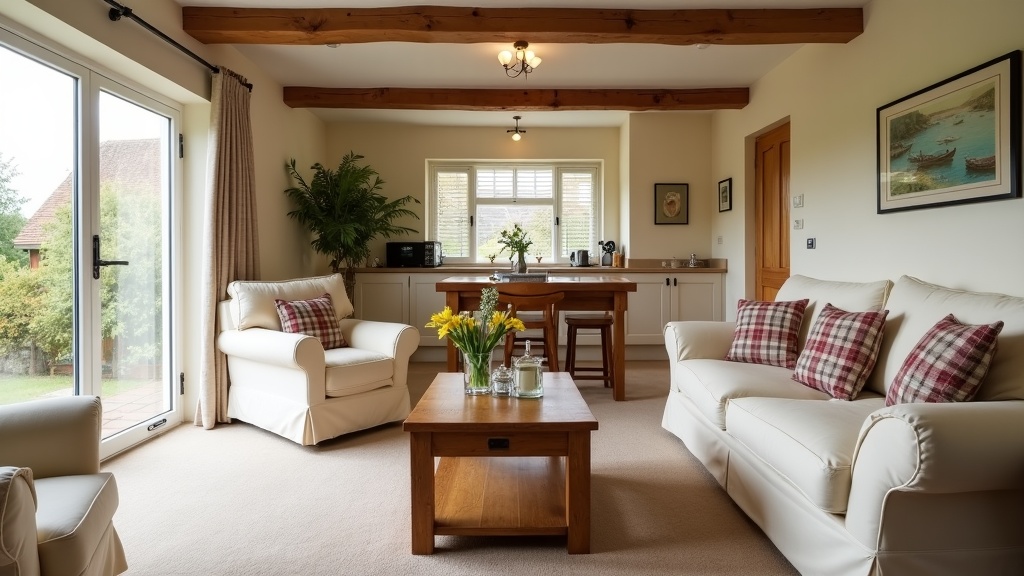
What is the summer holiday rule for Airbnb council tax exemption?
The summer holiday rule is a specific council tax exemption that applies to properties let out as furnished holiday accommodation for at least 140 days per year. If your Airbnb meets this threshold and is genuinely available for commercial letting (rather than personal use with occasional guests), your property may qualify for business rates instead of council tax — and if the rateable value is below £12,000 in England (£6,000 in Scotland and Wales), you could pay nothing at all.
This exemption isn't automatic, though. Your local council will scrutinise whether you're genuinely running a commercial holiday let or simply using Airbnb as a side hustle whilst maintaining the property as a second home. The difference matters enormously: second homes attract a council tax premium in many areas, whilst qualifying furnished holiday lets can escape local taxation entirely.
Here's what nobody tells you upfront: the 140-day rule is just the starting point. Your property must also be commercially available for at least 210 days per year, and you need bulletproof evidence to prove it. Councils have tightened enforcement dramatically since 2023, and hosts who claim the exemption without proper documentation are being retrospectively billed — sometimes for multiple years.
How the furnished holiday let council tax exemption actually works
When your Airbnb qualifies as a furnished holiday let (FHL), it's classified as a business rather than a domestic dwelling. This triggers a shift from council tax liability to business rates liability. For small holiday lets with a rateable value below the Small Business Rates Relief threshold, this often means paying zero business rates.
The critical qualifying criteria are:
- 140 days of actual lettings per year (midnight-to-midnight bookings count as full days)
- 210 days of genuine commercial availability per year (listed, marketed, and genuinely available to book)
- No single letting exceeding 31 consecutive days (or the total of such lettings must not exceed 155 days per year)
- Furnished to a high standard with everything guests need for immediate occupation
The Valuation Office Agency (VOA) assesses your property and assigns a rateable value. In England, if that value is under £12,000 and you apply for Small Business Rates Relief, you'll typically pay nothing. In Scotland and Wales, the threshold is lower (£6,000 in Wales, with Scotland offering 100% relief for properties under £15,000 rateable value under specific schemes). The difference between business rates and council tax can mean savings of thousands of pounds annually for qualifying hosts.
But here's where hosts get caught out: availability doesn't mean your calendar is simply open on Airbnb. Councils look for active marketing, competitive pricing, responsive communication, and a genuine intention to let commercially. If you've blocked your calendar for personal use, set extortionate prices to deter bookings, or ignored enquiries, you won't qualify — even if your Airbnb calendar technically shows 210+ available days.
The mistake most Airbnb hosts make with council tax exemption
The single biggest error? Assuming that listing on Airbnb automatically proves commercial availability. It doesn't. Councils now routinely cross-reference your Airbnb calendar with booking data, review frequency, pricing strategy, and response rates. A property 'available' at £300 per night in a £90 market isn't genuinely available — it's blocked by stealth pricing.
Three red flags councils actively hunt for:
- Calendar blocking for personal use: If you're using your Airbnb for family holidays, weekend getaways, or long-term storage of personal belongings, those days don't count towards commercial availability. Document every blocked date with a legitimate business reason (maintenance, deep cleaning, photographer visit).
- Inconsistent pricing: Wildly fluctuating prices or sustained overpricing relative to comparable local listings signals you're not serious about bookings. LetGrow's free listing score includes competitor pricing analysis to help you stay within the competitive range.
- Poor occupancy despite 'availability': If your property shows 210+ available days but achieves only 60 booked nights, councils will question whether you're genuinely trying to attract guests or simply gaming the system.
One London host learned this the hard way: after claiming business rates relief for three years, Southwark Council audited her listing and found she'd blocked 80 days for personal use without declaring it. She was retrospectively billed for council tax plus penalties — a five-figure sum that wiped out years of hosting profit.
Proving your Airbnb qualifies: the documentation you actually need
When your council challenges your exemption claim (and many will), you'll need contemporaneous evidence. Scrambling to piece together records after the fact rarely works. Instead, maintain a 'council tax defence file' throughout the year with:
- Airbnb booking confirmations and payout statements: Export these monthly. They prove actual lettings and give you a verifiable day count.
- Calendar screenshots with date stamps: Capture your availability calendar quarterly, showing dates genuinely open for booking.
- Marketing evidence: Screenshots of your listing on Airbnb, Booking.com, or direct booking sites; social media posts promoting your property; email newsletters to past guests.
- Maintenance and cleaning logs: Invoices and dated photos proving the property is maintained to commercial letting standard. If you block three days for deep cleaning, an invoice from a cleaning company strengthens your case.
- Pricing strategy documentation: Show your rates align with local market data. Tools like LetGrow's pricing analysis can benchmark your rates against competitors and demonstrate you're pricing to attract bookings, not deter them.
- Guest communications: Airbnb message threads showing active enquiry responses, booking management, and professional guest interaction.
Store everything digitally in a dedicated folder, organised by tax year. If your council requests evidence (and they increasingly do), you should be able to produce a complete file within 24 hours.
London council tax and Airbnb: the toughest battlefield
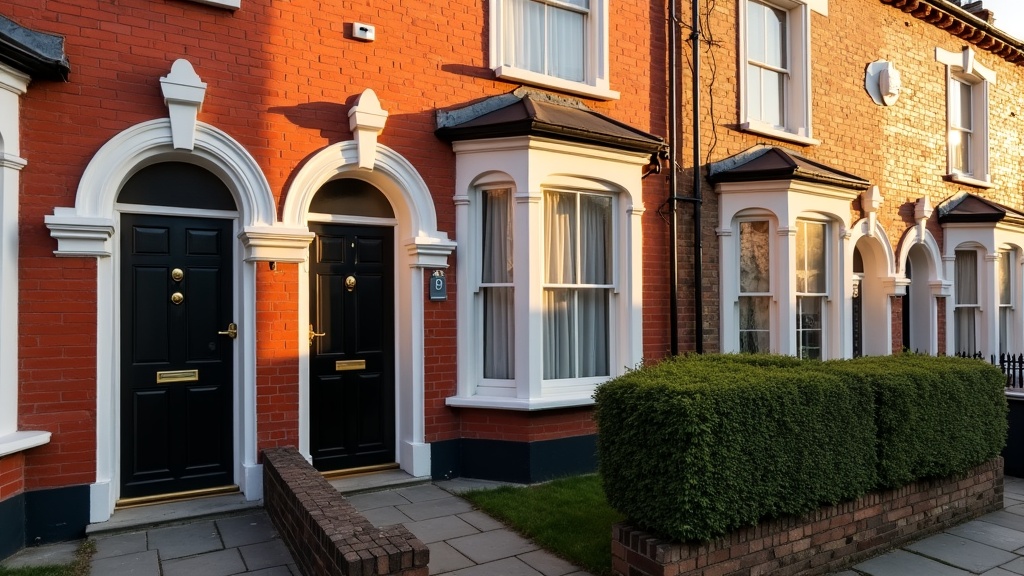
If you're hosting in London, brace yourself for extra scrutiny. The capital's councils are aggressively auditing short-term lets, and many have dedicated enforcement teams cross-referencing Airbnb listings with council tax records. Westminster, Camden, Tower Hamlets, and Southwark are particularly rigorous.
London adds three complications:
- The 90-night rule: Entire homes in Greater London can only be let short-term for 90 nights per year unless you have planning permission. If you're bumping against this limit, you can't possibly hit the 140-night threshold for FHL status. Many London hosts get caught in this trap: they claim FHL exemption whilst simultaneously breaching the 90-night cap.
- Second home premiums: If your property doesn't qualify for business rates, many London boroughs charge a council tax premium (often 100% extra) on second homes. The stakes for proving exemption are therefore much higher.
- Rateable value thresholds: London property values mean many short-term lets have rateable values above the Small Business Rates Relief threshold, so even if you qualify for business rates, you may still owe significant amounts.
The interplay between planning, taxation, and council enforcement in London is complex enough that many hosts benefit from specialist advice. Our guide to London council tax and business rates for Airbnb hosts breaks down borough-by-borough differences and enforcement patterns.
What happens if your Airbnb doesn't reach 140 nights?
If you fall short of the 140-night threshold, your property is treated as a domestic dwelling for council tax purposes. You'll be liable for the full council tax charge, and if the property isn't your main residence, you may face a second home premium.
Here's the uncomfortable truth: most Airbnb listings don't hit 140 nights. Industry data suggests UK Airbnb occupancy averages around 50-60%, meaning a property available year-round might achieve only 180-220 booked nights. If you're blocking time for personal use, operating seasonally, or facing stiff local competition, you could easily fall below the threshold.
But there's a silver lining for borderline cases: councils typically assess on a tax year basis (April to April), and you can appeal if you've genuinely tried to meet the threshold but fallen short due to circumstances beyond your control (major renovation, local event cancellations, pandemic restrictions). You'll need compelling evidence of genuine commercial intent.
If you're consistently below 140 nights, it's time to reassess your strategy. Get a free performance analysis from LetGrow to identify why your occupancy is lagging — often it's fixable through pricing adjustments, better photos, or title optimisation.
Council tax liability when you live in your Airbnb property
If you're renting out a spare room or annexe whilst living in the property as your main residence, the council tax position is straightforward: you remain liable for council tax on the whole property. The furnished holiday let exemption doesn't apply to properties that are someone's main home, even if part of it is let commercially.
However, you're still running a business, which means:
- You'll need to declare Airbnb income on your self-assessment tax return
- You may be able to claim the Rent a Room Scheme allowance (up to £7,500 per year tax-free) if you're letting furnished accommodation in your only or main home
- You cannot claim business rates relief, but you also avoid the scrutiny and documentation burden of proving FHL status
This arrangement often makes financial sense for urban hosts: council tax is payable anyway, the administrative burden is lower, and you avoid planning permission complications in areas with short-term let restrictions.
How councils are cracking down on false Airbnb exemption claims
Since 2023, councils have access to better data-sharing tools and many have hired specialist enforcement officers. The Valuation Office Agency now works more closely with local authorities to identify properties claiming business rates relief that don't qualify.
Expect your council to:
- Monitor Airbnb and other platforms: Automated scraping tools track listing activity, pricing changes, and review frequency.
- Request evidence proactively: Rather than waiting for hosts to claim exemption, councils are writing to known short-term let operators demanding proof of FHL status.
- Conduct site visits: In high-value areas, enforcement officers may visit properties to verify they're genuinely furnished to commercial standard and available for letting.
- Apply retrospective charges: If you've incorrectly claimed exemption, councils can backdate charges for up to six years, plus penalties for deliberate misrepresentation.
One Norfolk host reported being asked to provide three years of detailed booking records, calendar screenshots, and bank statements to prove her cottage qualified. The council's letter explicitly warned that false claims could be treated as council tax fraud — a criminal offence.
The message is clear: if you're claiming the exemption, be certain you qualify and keep meticulous records. If you're not sure, it's safer to pay council tax and sleep soundly than to risk penalties.
The broader tax picture: why FHL status matters beyond council tax
The furnished holiday let classification isn't just about dodging council tax — it unlocks several other tax advantages that make it valuable even if you'd owe some business rates:
- Capital allowances: You can claim tax relief on furniture, appliances, and equipment more generously than with residential lets.
- Capital Gains Tax relief: FHLs qualify for Business Asset Disposal Relief (formerly Entrepreneurs' Relief), potentially reducing CGT from 24% to 10% when you sell.
- Pension contributions: FHL income counts as relevant earnings for pension contribution purposes, unlike standard rental income.
- Mortgage interest deductibility: FHL expenses (including mortgage interest) can be deducted in full against profits, unlike the restricted relief on residential buy-to-let mortgages.
These benefits are substantial enough that some hosts strategically manage their lettings to ensure they hit the 140-night threshold, even if it means accepting lower rates during quieter periods to secure bookings. The full picture is covered in our comprehensive guide to holiday let tax rules for 2026.
However, the Government has signalled potential changes to FHL tax treatment, so staying informed is critical. LetGrow's digital guidebook (just £2.95/month) includes regularly updated tax and regulatory guidance written specifically for UK Airbnb hosts.
What to do right now: your council tax exemption action plan
Whether you're claiming exemption already or considering it for the first time, here's your immediate checklist:
- Calculate your actual letting days: Go through your Airbnb (and any other platform) bookings for the current tax year. Count midnight-to-midnight stays. Are you genuinely on track for 140+ nights?
- Audit your availability: Review your blocked dates. Can you justify each one with a commercial reason? If not, unblock them or document the business rationale.
- Check your pricing: Compare your rates to 5-10 similar listings within a mile. Are you competitive? If you're priced more than 20% above market, you're signalling you don't want bookings.
- Contact your council proactively: Don't wait for them to challenge you. Ask which team handles business rates for holiday lets and what evidence they require. Some councils have specific application forms; others want a detailed letter with supporting documents.
- Start your evidence file today: Even if you're mid-tax-year, begin capturing screenshots, exporting booking data, and organising invoices. Three months of contemporaneous evidence is better than none.
- Optimise for occupancy: If you're borderline on the 140-night threshold, focus ruthlessly on conversion. LetGrow's free Airbnb listing score analyses your title, photos, amenities, and pricing to identify exactly what's holding back your bookings.
The summer holiday rule for council tax exemption is one of the most valuable — and most scrutinised — benefits available to UK Airbnb hosts. Get it right, and you could save thousands whilst building a legitimate, profitable short-term rental business. Get it wrong, and you're risking penalties, backdated bills, and potentially a fraud investigation.
Frequently Asked Questions
Do I have to pay council tax on my Airbnb if I let it for more than 140 nights?
No — if your Airbnb is let for 140+ nights per year, available commercially for 210+ nights, and meets furnished holiday let criteria, it's classified as a business and assessed for business rates instead of council tax. Properties with a rateable value below £12,000 (England) often pay zero business rates under Small Business Rates Relief.
Can I claim council tax exemption if I use my Airbnb for personal holidays?
Personal use days don't count towards the 140-night letting threshold or the 210-night availability requirement. If you're blocking significant time for personal use, you'll struggle to prove genuine commercial availability and may not qualify for the exemption. Always document blocked dates with a business reason (maintenance, cleaning, photography).
What evidence do councils ask for when checking Airbnb council tax exemption?
Councils typically request booking confirmations, calendar screenshots, payout statements, pricing records, marketing materials, maintenance invoices, and guest communication logs. You'll need to prove both 140+ actual letting days and 210+ days of genuine commercial availability with contemporaneous documentation spanning the full tax year.
Does the 90-night London rule affect council tax exemption for Airbnb?
Yes — London's 90-night annual limit for short-term lets of entire homes makes it impossible to reach the 140-night threshold required for furnished holiday let status without planning permission. Many London hosts cannot claim the council tax exemption because they're capped at 90 nights of legitimate lettings per year.
What happens if I wrongly claimed Airbnb council tax exemption?
Councils can retrospectively charge you council tax (potentially with a second home premium) for up to six years, plus penalties and interest. In serious cases, deliberate false claims can be prosecuted as council tax fraud. If you've incorrectly claimed exemption, contact your council immediately to regularise your position.
Is it worth trying to hit 140 nights just for the council tax exemption?
It depends on your property value and local council tax rate. The exemption can save £2,000-£5,000+ per year on high-value properties, and FHL status also unlocks valuable income tax and capital gains tax benefits. However, you must genuinely operate commercially — artificially inflating bookings or misrepresenting availability is risky and potentially illegal.
Final thoughts: don't gamble with council tax exemption
The summer holiday rule offers genuine, substantial savings for hosts running commercially viable short-term lets. But councils are watching, enforcement is tightening, and the penalties for getting it wrong are severe. If you're claiming the exemption, treat it like the serious tax position it is: document everything, operate transparently, and stay well clear of the line between legitimate optimisation and fraudulent misrepresentation.
And if you're struggling to hit 140 nights? The problem might not be the market — it could be your listing. Small changes to your title, pricing, or photo order can dramatically shift occupancy. Get your free Airbnb listing score from LetGrow and see exactly where you're losing bookings — and how to fix it.