
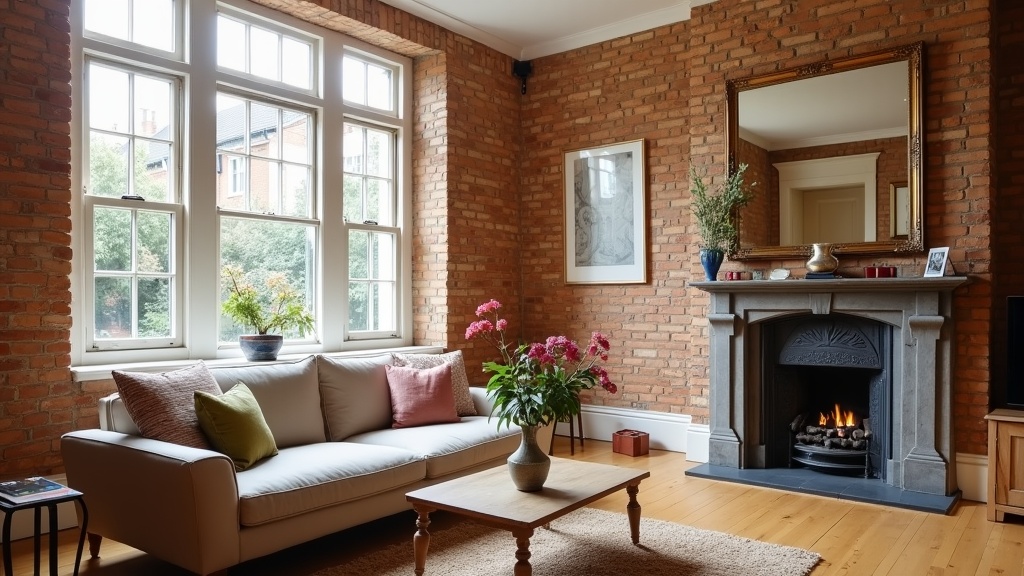
Your Airbnb description is prime real estate for showcasing what makes your property special. Yet many UK hosts waste this opportunity by writing generic descriptions that could apply to any rental. Identifying and highlighting your unique selling points in your Airbnb description can be the difference between a guest scrolling past your listing or clicking 'Reserve'. The right approach transforms your description from a basic property summary into a compelling reason to book.
What Are Airbnb Description Unique Selling Points?
Airbnb description unique selling points are distinctive features, experiences, or advantages that set your property apart from similar listings in your area. They go beyond basic amenities to highlight specific benefits that matter to your target guests.
Unique selling points fall into several categories. Location advantages might include proximity to transport links, hidden local gems, or exclusive neighbourhood perks. Property features could encompass architectural details, luxury amenities, or thoughtful touches you've added. Experience benefits might highlight the feeling guests will have—whether that's complete privacy, family-friendly convenience, or romantic ambiance.
The key difference between features and selling points lies in guest benefit. A Victorian terrace has original features (fact), but those features create character and charm (benefit). A garden studio includes parking (feature), but that parking provides stress-free city centre access (selling point).
Consider a Manchester apartment near the Northern Quarter. Rather than simply stating "close to nightlife", an effective unique selling point might read: "Step out your door into Manchester's creative heartland—independent bars, vintage shops, and street art tours all within a two-minute walk." This transforms location into experience.
How Do You Identify Your Property's Competitive Advantages?

Start by conducting a thorough competitor analysis of similar properties within a one-mile radius of your listing. Search Airbnb using your property's details—same guest capacity, similar price range, identical location filters—and examine the top 10 results.
Create a comparison spreadsheet listing common amenities, location benefits, and property features across competitors. Note what everyone offers versus what only you provide. A ground-floor flat in a building of stairs becomes accessible accommodation. A property with dedicated parking in a permit-only zone offers genuine convenience. An apartment with original period features in an area of new builds provides authentic character.
Guest reviews provide invaluable insight into what visitors actually value. Analyse your five-star reviews for repeated mentions of specific features. If multiple guests mention your "incredible shower pressure" or "peaceful garden courtyard", these become proven selling points. Similarly, examine competitor reviews to understand what guests miss or complain about—gaps you might fill.
LetGrow's competitor analysis reveals exactly how your listing compares across pricing, amenities, and positioning, helping you identify genuine advantages worth emphasising.
Consider your property through different guest personas. Business travellers value fast Wi-Fi, workspace setup, and transport links. Families need safety features, entertainment options, and practical amenities. Couples seek privacy, romantic touches, and experience opportunities. Your selling points should align with your target market's priorities.
Location research uncovers hidden advantages. That independent coffee shop around the corner, the quiet park perfect for morning runs, or the local market on Saturday mornings—these hyperlocal details create authentic selling points that large hotel chains cannot replicate.
What Makes a Unique Selling Point Compelling in Your Description?
Compelling unique selling points combine specificity with emotional benefit, showing guests exactly what they'll gain from choosing your property over others.
Specificity builds credibility. Instead of "great location", write "3-minute walk to Paddington Station—no dragging luggage through tube changes". Rather than "fully equipped kitchen", try "Nespresso machine, Smeg appliances, and everything for proper Sunday roasts—many guests tell us they cook more here than at home".
Emotional language transforms features into experiences. A rooftop terrace becomes "your private London sky garden for morning coffee and evening wine". High ceilings become "airy Victorian grandeur that makes you feel instantly relaxed". Even practical features benefit from emotional framing—"blackout curtains for the sleep you've been craving" sounds more appealing than simply listing window treatments.
Social proof strengthens selling points. "Our guests consistently mention the incredible natural light" carries more weight than "large windows". "Previous visitors have called it 'the most comfortable bed in London'" makes your mattress investment meaningful.
Problem-solving selling points address common travel frustrations. Free parking solves city centre stress. Early check-in accommodates morning arrivals. Luggage storage helps with late flights. Identifying and solving guest pain points creates compelling reasons to book.
Quantifiable benefits work particularly well for business and practical travellers. "Fibre broadband tested at 100mbps" beats "fast internet". "15-minute walk to three tube stations" provides useful planning information. "Quiet street—windows face the garden, not the road" sets clear expectations.
How Should You Position Unique Features Against Local Competition?

Effective positioning requires understanding what your local market typically offers, then highlighting how you deliver something different or better.
Study your competition's language and identify overused phrases. If every listing claims "prime location" or "luxury amenities", these terms lose impact. Instead, focus on specific advantages that demonstrate rather than declare superiority.
For areas saturated with modern apartments, emphasise character features like "original hardwood floors", "period fireplaces", or "handmade tiled bathrooms". In neighbourhoods full of period conversions, highlight modern conveniences: "sleek kitchen with induction hob and wine fridge", "rainfall shower with perfect pressure", or "underfloor heating throughout".
Price positioning influences how you frame advantages. Premium listings can emphasise luxury details and exclusive experiences. Budget-conscious properties should focus on exceptional value—"hotel-quality linens at apartment prices" or "concierge-level local recommendations included".
Geographic positioning works particularly well in large cities. London properties can emphasise zone advantages, transport connections, or neighbourhood character. "Zone 2 with Zone 1 convenience—Canary Wharf in 12 minutes, West End in 18" provides clear benefit context.
Seasonal positioning helps year-round bookings. Summer advantages might include garden access, nearby parks, or outdoor dining options. Winter benefits could highlight cozy features, Christmas market proximity, or indoor entertainment venues.
Writing descriptions that increase click-through rates requires balancing unique positioning with clear practical information that helps guests make booking decisions.
Which Unique Selling Points Drive the Most Bookings?
Data from successful UK listings reveals that certain categories of unique selling points consistently outperform others in driving bookings and commanding premium pricing.
Transport convenience ranks highest for urban properties. Listings that specify exact walking times to stations, airport connections, or major attractions see significantly higher booking rates. "Direct Elizabeth Line to Heathrow—no changes, 45 minutes door-to-door" provides genuine value for international visitors.
Parking availability creates massive competitive advantage in city centres where most properties offer none. "Private parking space included—worth £25+ daily in central London" justifies higher nightly rates while attracting car-dependent guests.
Workspace features have become essential post-pandemic selling points. Specific details work best: "dedicated desk with monitor, ergonomic chair, and video call lighting" appeals to remote workers more than generic "workspace available".
Privacy and space advantages consistently drive bookings, especially for longer stays. "Entire floor of Victorian house—no shared walls or ceilings" appeals to noise-conscious guests. "Private entrance—come and go without disturbing anyone" attracts business travellers and late arrivals.
Local expertise positions hosts as insider guides rather than just accommodation providers. "Curated neighbourhood guide including our favourite breakfast spot, the best curry house, and where locals actually drink" creates added value that large operators cannot match.
Unique amenities that solve specific problems command premium pricing. "EV charging point in private driveway", "baby travel cot and high chair included", or "professional workspace with video conferencing setup" target specific guest needs willing to pay extra for convenience.
The optimal description length allows space to highlight 2-3 key selling points without overwhelming readers with excessive detail.
How Do You Write Unique Selling Points That Convert Browsers to Bookers?
Converting descriptions require action-oriented language that helps guests visualise their stay while addressing practical decision-making factors.
Start with your strongest selling point in the opening paragraph. First impressions matter enormously—guests decide within seconds whether to read further. "Wake up to sunrise over Edinburgh Castle from your private balcony" immediately establishes unique value.
Use active, sensory language that creates mental pictures. "Slip into Egyptian cotton sheets after exploring Camden's vintage markets" engages imagination more effectively than "high-quality bedding near Camden Market". Sensory details—touch, sound, smell, sight—make descriptions memorable.
Address booking objections preemptively. If your area lacks restaurants, highlight your "gourmet kitchen stocked with local delicacies and cooking essentials". For properties without parking, emphasise "excellent transport links—Victoria Station 8 minutes, no car needed".
Create urgency through scarcity positioning. "One of only three apartments in this converted Victorian school" suggests exclusivity. "The quietest flat on the street—corner position with garden views" implies limited availability.
Include guest testimonials that reinforce selling points. "'Best sleep we've ever had in London' - recent guest review" validates your mattress investment. "'Felt like staying with knowledgeable local friends' - five-star review" supports your local expertise positioning.
End sections with gentle calls to action that encourage booking. "Ready to experience Victorian elegance with modern luxury?" or "Perfect for your Manchester business trip?" guide readers toward reservation.
Want professional analysis of your description's conversion potential? LetGrow's free listing audit identifies exactly which unique selling points to emphasise for maximum booking impact.
What Common Mistakes Should You Avoid When Highlighting USPs?
Several critical errors can undermine even the strongest unique selling points, reducing booking conversion rates and guest satisfaction.
Overselling standard features as unique creates disappointment. "Luxury bathroom" loses meaning when it describes a basic ensuite. "Designer kitchen" should genuinely feature high-end appliances and thoughtful design, not just new IKEA units. Guest expectations must match reality.
Generic superlatives without supporting evidence damage credibility. "Amazing location" means nothing without specific benefits. "Perfect for families" requires explanation—nearby parks, safety features, child-friendly amenities. Vague claims suggest amateur hosting.
Focusing on features that matter to hosts rather than guests misses conversion opportunities. Your expensive artwork might be personally meaningful, but guests care more about comfortable seating and good lighting. Prioritise benefits that enhance guest experience.
Neglecting to verify claimed advantages can lead to negative reviews. "Quiet location" should genuinely be peaceful, not on a busy road. "Walking distance to attractions" should specify reasonable walking times, not optimistic estimates. Failed expectations generate poor ratings.
Copying competitor language makes your listing forgettable. If surrounding properties all mention "trendy neighbourhood", find different ways to convey the same benefit. "Vibrant street art scene and independent coffee culture" shows rather than tells.
Front-loading too many selling points creates overwhelming descriptions. Guests need clear, digestible information that helps quick decision-making. Focus on your top 2-3 advantages rather than listing everything potentially positive.
Ignoring target guest priorities wastes positioning opportunities. Business travellers don't care about romantic atmosphere. Families prioritise safety over nightlife access. Match your selling points to your intended audience.
How Can You Test and Optimise Your Unique Selling Points?
Systematic testing reveals which unique selling points resonate most strongly with your target market, allowing data-driven optimisation for maximum booking conversion.
A/B testing different description versions provides clear performance data. Change one selling point at a time—location benefits this month, property features next month—while tracking view-to-booking conversion rates. Airbnb's built-in analytics show which changes improve performance.
Monitor guest reviews for language patterns. When multiple visitors mention specific features unprompted, these become proven selling points worth emphasising. "The garden was incredible" or "Perfect workspace setup" indicate successful positioning.
Track competitor pricing and booking patterns to understand market response. If similarly positioned properties command higher rates, investigate their description strategies. Conversely, if competitors struggle with bookings despite similar features, their approach provides cautionary lessons.
Seasonal testing reveals which selling points work best at different times. Summer might favour outdoor space and local events, while winter benefits from cozy features and indoor entertainment options. Adjust emphasis based on booking season.
Guest inquiry patterns indicate description effectiveness. Questions about features you've clearly explained suggest positioning problems. Inquiries about availability from unqualified guests (wrong dates, guest count, or budget) might indicate misaligned selling points attracting the wrong market.
Revenue per available night (RevPAN) provides the ultimate performance metric. Selling points that increase both booking frequency and nightly rates deliver measurable ROI. Track this key indicator when testing description changes.
Our comprehensive listing optimisation guide covers testing methodologies that help identify your most profitable selling points.
Professional optimisation tools offer sophisticated analysis beyond manual testing. LetGrow's platform analyses your unique selling points against local market data, identifying which features to emphasise for maximum competitive advantage.
FAQs: Airbnb Description Unique Selling Points
How many unique selling points should I include in my Airbnb description?
Focus on 2-3 strong unique selling points rather than listing everything potentially positive. This maintains readability while highlighting your most compelling advantages. Too many selling points create overwhelming descriptions that reduce booking conversion rates.
Should unique selling points go at the beginning or end of my description?
Place your strongest unique selling point in the first paragraph to capture immediate attention. Secondary selling points work well in the middle sections, with a compelling call-to-action at the end. Front-loading key advantages ensures guests see them before deciding whether to read further.
Can I use the same unique selling points as competitors if they're true?
While you shouldn't copy exact language, genuine shared advantages can be positioned differently. If multiple properties offer parking, emphasise specific benefits like "covered parking" or "EV charging available". Focus on what makes your version of the same amenity better or different.
How often should I update my unique selling points?
Review selling points quarterly or whenever you add new amenities, receive consistent guest feedback, or notice competitor changes. Seasonal adjustments—emphasising garden access in summer or cozy features in winter—can improve year-round booking performance without major rewrites.
What if my property doesn't have any obvious unique features?
Every property has distinctive advantages, often in location benefits, host service, or guest experience details. Analyse guest reviews for repeated positive mentions, research hyperlocal advantages, or create uniqueness through thoughtful touches like curated local guides or welcome amenities.
Should unique selling points differ for different guest types?
Yes, but maintain one primary description while potentially creating targeted versions for specific marketing campaigns. Business travellers prioritise workspace and transport links, while families value safety and entertainment options. Choose selling points that appeal most strongly to your primary target market.
Identifying and effectively communicating your property's unique selling points transforms generic descriptions into compelling booking magnets. The most successful UK hosts understand that competitive advantage lies not in having the most amenities, but in clearly articulating why their specific combination of features, location, and experience creates superior guest value. Ready to discover which unique selling points will drive more bookings for your listing? Get your free Airbnb performance score at LetGrow and see exactly how your property compares to local competition.