
Understanding Airbnb planning permission Scotland requirements is crucial for short-term rental hosts operating across the UK in 2026. Scotland has implemented some of the strictest short-term let regulations in Europe, creating significant differences from England's approach. These divergent rules mean hosts must navigate vastly different compliance landscapes depending on their property location, with Scotland requiring comprehensive licensing whilst England relies primarily on existing planning frameworks.
What are the key differences between Scotland and England's Airbnb planning permission rules?
Scotland requires mandatory licensing for all short-term lets through local councils, whilst England generally permits Airbnb hosting under existing permitted development rights for up to 90 days annually in most areas.
The fundamental distinction lies in Scotland's proactive regulatory approach versus England's more permissive framework. In Scotland, the Short-term Let Licensing Scheme became mandatory in October 2022, requiring every host to obtain a licence before accepting any bookings. This applies regardless of how frequently you host or whether it's your primary residence.
England operates under a different philosophy entirely. Most residential properties can host short-term guests without specific planning permission, provided the use remains ancillary to the main residential purpose. The notable exception is London's 90-day rule for Airbnb hosting, which limits entire home lettings to 90 nights per calendar year without planning consent.
Scotland's licensing system covers three distinct categories: home sharing (part of your main residence), home letting (entire properties), and secondary letting (additional properties you own). Each category has specific requirements around safety standards, insurance, and operational procedures that don't exist in England's regulatory framework.
Do you need planning permission for Airbnb in Scotland?
In Scotland, you need a short-term let licence from your local council rather than traditional planning permission. However, some councils may require planning permission for change of use if hosting becomes the property's primary purpose.
The licensing requirement is separate from planning permission but equally mandatory. Every Scottish local authority now operates a licensing scheme with specific criteria around fire safety, gas and electrical certificates, and public liability insurance. Edinburgh, for instance, has particularly stringent requirements that include detailed neighbourhood impact assessments.
Planning permission becomes relevant when your property's primary use shifts from residential to commercial short-term letting. This typically occurs when you're operating multiple properties or when a residential property is used exclusively for Airbnb without any permanent residential occupation. Glasgow City Council, for example, has been particularly active in enforcing change of use requirements for properties operating as de facto hotels.
The Scottish Government's guidance emphasises that licensing and planning are complementary systems. Your licence demonstrates compliance with safety and operational standards, whilst planning permission (where required) addresses land use and neighbourhood impact considerations. Both must be satisfied for legal operation.
How do Scotland's short-term let licensing requirements work?

Scotland's short-term let licences are issued by local councils and typically cost £294 for home sharing or £768 for home letting and secondary letting, with annual renewal fees and mandatory safety inspections.
The licensing process involves several mandatory steps that don't exist in England. First, you must complete a detailed application including your property layout, safety equipment inventory, and management procedures. Local authorities then conduct compliance checks covering fire safety, gas safety certificates, electrical installation certificates, and public liability insurance evidence.
Different Scottish councils have varying processing times and additional requirements. Edinburgh's short-term let licence requirements include neighbourhood notification processes and detailed impact assessments, particularly in the Old Town and New Town conservation areas. Highland Council focuses heavily on rural properties' septic systems and water supplies, whilst Aberdeen emphasises noise management in tenement buildings.
The licensing system includes ongoing compliance obligations that hosts must maintain throughout their licence period. This includes maintaining valid safety certificates, updating insurance coverage annually, and notifying the council of any significant property changes. Failure to maintain licence compliance can result in immediate licence suspension and prohibition from hosting.
Licence conditions also typically include operational requirements around guest registration, complaint handling procedures, and maximum occupancy limits. These operational standards are enforced through council inspections and can include unannounced visits to verify compliance.
What planning permission rules apply to Airbnb hosting in England?
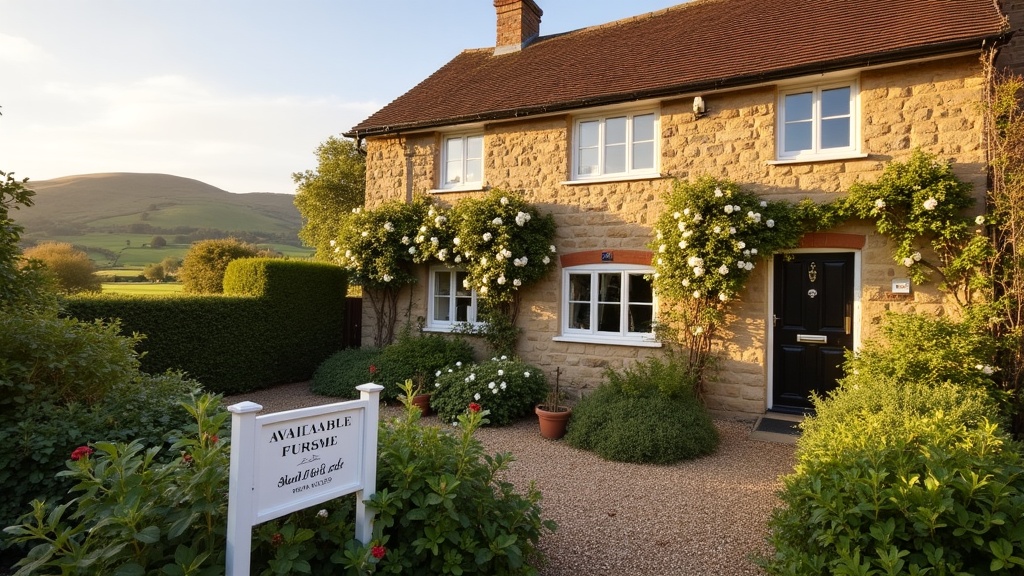
England generally permits Airbnb hosting under existing residential use rights, with the main restriction being London's 90-day annual limit for entire home lettings without planning consent.
English planning law operates on the principle that short-term letting remains within the C3 residential use class provided it doesn't become the property's primary purpose. This means most hosts can operate without specific planning applications, unlike Scotland's mandatory licensing approach.
However, councils can impose Article 4 directions removing permitted development rights in specific areas. Canterbury, Bath, and several London boroughs have implemented such restrictions, requiring planning permission for any short-term letting. These directions typically target areas experiencing housing pressure or overtourism concerns.
The change of use threshold in England focuses on the property's primary character. If a residential property is used exclusively for short-term letting year-round, councils may argue it has changed to a commercial C1 hotel use requiring planning permission. Eastbourne and Brighton councils have been particularly active in enforcing such interpretations.
Business rates implications also differ significantly from Scotland. English properties used primarily for short-term letting may become liable for business rates rather than council tax, creating additional compliance considerations that Scottish hosts don't face under the licensing system.
Are there regional variations within Scotland's planning rules?
Yes, whilst the licensing framework is nationally consistent, individual Scottish councils have varying requirements for planning permission, fees, processing times, and additional conditions based on local housing pressures.
Edinburgh has perhaps the most complex requirements, with additional conservation area restrictions and detailed neighbour consultation processes. Properties in World Heritage areas face enhanced scrutiny, and the council actively uses planning enforcement against unlicensed operations. Processing times in Edinburgh typically extend beyond six months due to the volume of applications and detailed assessments required.
Highland Council takes a different approach, focusing heavily on rural infrastructure capacity and environmental impact. Properties relying on private water supplies or septic systems face additional technical assessments, and remote locations may require enhanced emergency access arrangements. The Highland approach recognises that rural short-term lets can support local economies whilst requiring appropriate infrastructure safeguards.
Glasgow emphasises density and neighbourhood impact, particularly in tenement areas where noise transmission and shared facility pressures are concerns. The council has implemented some of the strictest interpretation of when planning permission becomes required, particularly for properties in the city centre and West End.
Stirling Council has developed innovative approaches to rural vs urban distinctions, with streamlined processes for properties in designated rural areas whilst maintaining enhanced scrutiny for urban locations. This recognises different economic and housing pressures across the council area.
How do enforcement approaches differ between Scotland and England?
Scotland's licensing system enables proactive enforcement through licence inspections and mandatory compliance checks, whilst English enforcement typically relies on reactive complaint-based investigations focusing on planning breaches.
Scottish councils have clear enforcement powers through the licensing regime. They can conduct announced and unannounced inspections, issue improvement notices, suspend licences immediately for safety breaches, and prohibit hosting entirely for non-compliance. These powers are exercised regularly, with Edinburgh conducting hundreds of inspections annually and issuing significant penalties for unlicensed operations.
The licensing system also creates clear penalties for non-compliance. Operating without a licence constitutes a criminal offence punishable by unlimited fines, and councils actively pursue prosecution for persistent offenders. This creates a much more robust enforcement environment than exists in most English jurisdictions.
English enforcement relies primarily on planning legislation and housing standards powers. Councils must typically receive complaints before investigating, and proving planning breaches often requires detailed evidence collection over extended periods. The burden of proof for change of use can be challenging to establish, particularly for occasional or seasonal operations.
However, English councils with Article 4 directions or specific local policies can take more proactive approaches. Westminster and Camden councils have dedicated enforcement teams targeting unlicensed short-term lets, whilst seaside councils like Eastbourne focus on preventing residential to commercial conversions.
What compliance costs should hosts expect in each jurisdiction?
Scottish hosts face higher upfront costs through licensing fees (£294-£768), mandatory safety certificates, and ongoing renewal fees, whilst English hosts typically only incur planning application costs (£462) if required in specific circumstances.
The Scottish licensing system creates predictable but substantial ongoing costs. Initial licence applications require gas safety certificates (£60-£120), electrical installation condition reports (£150-£300), and public liability insurance (£200-£500 annually). Annual renewal fees range from £147 for home sharing to £384 for other categories, creating ongoing operational costs that don't exist in England.
Professional compliance support has emerged as a significant cost category in Scotland. Many hosts engage consultants to navigate the complex application processes, with fees ranging from £500-£2,000 depending on property complexity and local authority requirements. This professional support market barely exists in England due to simpler regulatory requirements.
English hosts face more variable costs depending on their specific circumstances and location. Properties requiring planning applications incur £462 application fees plus potential consultant costs for complex cases. However, the majority of English hosts operate without these costs, relying on existing permitted development rights.
Insurance costs also vary significantly between jurisdictions. Scottish licensing requirements often necessitate commercial insurance policies, whilst many English hosts can operate under enhanced domestic policies. This difference can represent £300-£800 annually depending on property type and coverage levels.
Should planning rules influence where you invest in short-term rental properties?
Yes, regulatory complexity and compliance costs should factor significantly into investment decisions, with Scotland requiring higher initial investment but providing clearer operational frameworks, whilst England offers lower barriers but less regulatory certainty.
Scotland's licensing system, whilst complex and costly, provides operational clarity once compliance is achieved. Licensed properties can operate with confidence within their licence conditions, and the system provides protection against arbitrary enforcement action. This regulatory certainty can justify higher compliance costs for serious investors building sustainable businesses.
The licensing system also creates barriers to entry that may benefit compliant operators by reducing competition from casual or non-compliant hosts. Areas with high enforcement activity, such as Edinburgh's city centre, have seen significant reduction in unlicensed properties, potentially improving occupancy rates for licensed operators.
English markets offer lower regulatory barriers but less certainty about future restrictions. The rapid implementation of Article 4 directions in popular tourist areas demonstrates how quickly regulatory environments can change. Investors should assess local political attitudes and housing pressure indicators when evaluating English locations.
Market saturation often correlates with regulatory scrutiny. Areas experiencing housing pressure or overtourism concerns typically face increasing restrictions regardless of jurisdiction. Want a professional assessment of your listing's performance against local competitors? Understanding market dynamics helps inform both location selection and investment timing decisions.
Consider also the broader regulatory trend across the UK. Wales is implementing its own registration system, suggesting movement towards Scotland's approach rather than England's permissive model. Future-proofing investments may favour markets where compliance systems are already established.
What future regulatory changes should hosts expect?
Scotland's licensing system is likely to become more stringent with higher fees and stricter conditions, whilst England may implement registration requirements similar to other European countries, with London potentially expanding restrictions beyond the current 90-day rule.
The Scottish Government continues reviewing the licensing system's effectiveness with potential enhancements including mandatory tourist tax collection, enhanced neighbour consultation requirements, and stricter density controls in urban areas. Edinburgh has already proposed additional city-specific restrictions that could become models for other councils.
English regulatory development appears likely to move towards Scotland's approach rather than maintaining the current permissive framework. The Department for Levelling Up has consulted on registration requirements, and pressure from local authorities dealing with housing shortages suggests increased regulation is probable rather than possible.
European regulatory trends also influence UK policy development. The EU's approach requiring host registration and limiting short-term lets in residential areas provides models that UK jurisdictions may adopt. Barcelona's recent decision to eliminate short-term lets by 2028 demonstrates the potential for dramatic regulatory shifts.
Tax policy integration represents another likely development area. UK holiday let tax rules are becoming more complex, and integration with planning and licensing systems could create comprehensive regulatory frameworks addressing both land use and fiscal concerns.
How can hosts ensure compliance across different UK jurisdictions?
Maintain jurisdiction-specific compliance calendars, engage local professional advisors familiar with council requirements, and monitor regulatory changes through council websites and industry associations to ensure ongoing compliance.
Successful multi-jurisdiction operation requires systematic approaches to compliance management. Create property-specific compliance files documenting all certificates, licences, and renewal dates. Scottish properties require annual gas safety certificates and three-yearly electrical reports, whilst English properties may have different insurance and tax obligations.
Local professional networks provide crucial support for navigating council-specific requirements. Edinburgh licensing consultants understand nuances that Glasgow specialists might miss, whilst London planning consultants can navigate borough-specific Article 4 directions that wouldn't apply in Manchester.
Technology solutions can help manage compliance across multiple properties and jurisdictions. Calendar systems tracking certificate renewals, licence conditions, and regulatory change notifications help prevent inadvertent non-compliance that could jeopardise operations.
Industry associations like the Short Term Accommodation Association (STAA) provide regulatory updates and best practice guidance covering all UK jurisdictions. Their regional groups offer peer support and shared learning opportunities that can help navigate complex compliance requirements.
Insurance considerations also require jurisdiction-specific approaches. Scottish licensing typically mandates commercial policies, whilst English operations may use enhanced domestic coverage. Ensure your insurance arrangements match your regulatory obligations and operational model.
Need help optimising your listings across different markets? LetGrow's free analysis shows how your properties perform against local competitors and identifies improvement opportunities specific to each location's market dynamics.
Frequently Asked Questions
Do I need planning permission for Airbnb in Scotland?
No, you don't need traditional planning permission for Airbnb in Scotland, but you must obtain a short-term let licence from your local council. Planning permission may be required if the property's primary use changes from residential to commercial letting.
How much does a short-term let licence cost in Scotland?
Scottish short-term let licences typically cost £294 for home sharing (part of your main residence) or £768 for home letting and secondary letting, with additional annual renewal fees of £147-£384 depending on the category.
Can I host on Airbnb in England without any permissions?
Most English properties can host short-term guests under existing residential use rights without specific permissions. However, London has a 90-day annual limit for entire home lettings, and some councils have implemented Article 4 directions requiring planning permission.
What happens if I operate without a licence in Scotland?
Operating without a licence in Scotland is a criminal offence punishable by unlimited fines. Councils actively enforce licensing requirements and can prohibit you from hosting entirely until you achieve compliance.
Are planning rules the same across all English councils?
No, whilst the basic framework is consistent, some English councils have implemented Article 4 directions removing permitted development rights, requiring planning permission for any short-term letting in designated areas.
Will England adopt Scotland's licensing system?
England is likely to implement some form of registration system in the future, as the government has consulted on this approach. However, any system would probably be less comprehensive than Scotland's current licensing regime.
Understanding the regulatory landscape across UK jurisdictions helps inform both operational decisions and investment strategies. Scotland's comprehensive licensing approach provides clarity but requires significant compliance investment, whilst England's permissive framework offers lower barriers but less certainty. Ready to optimise your listings regardless of location? Get your free LetGrow score to see how your properties perform against local competitors and identify opportunities for improvement.