Understanding Airbnb property insurance coverage is crucial for UK hosts in 2026, as standard home insurance policies rarely cover short-term rental activities. With new regulations reshaping the industry and insurance claims on the rise, knowing what's actually covered—and what isn't—could save you thousands in unexpected costs.
The insurance landscape for short-term rentals has evolved significantly over the past year. According to the Association of British Insurers, claims related to rental properties increased by 23% in 2025, with many hosts discovering their standard policies provided no protection for guest-related incidents. This growing awareness has led to more specialised products, but also more confusion about what coverage is actually necessary.
What Does Standard Home Insurance Cover for Airbnb Properties?
Most standard home insurance policies exclude commercial activities, which includes short-term letting through platforms like Airbnb. Your typical buildings and contents insurance will not cover damage caused by paying guests, theft by guests, or liability claims arising from rental activities.
However, some insurers now offer 'occasional letting' clauses that provide limited coverage for up to 30-60 days per year. These additions typically cost £50-150 annually and cover basic property damage, but exclude high-value items and have strict occupancy limits. If you're hosting more frequently, you'll need specialist Airbnb host insurance in the UK designed for regular short-term letting.
The key exclusions in standard policies include guest liability, loss of rental income, and damage from parties or events. Many hosts only discover these gaps after filing a claim, making it essential to review your policy before your first booking.
How Much Does Airbnb Property Insurance Coverage Actually Cost?
Specialist short-term rental insurance typically costs 2-4 times more than standard home insurance, with annual premiums ranging from £400-1,200 for a typical UK property. The exact cost depends on your property value, location, guest capacity, and claims history.
London properties face the highest premiums due to increased risk and property values, with some hosts paying £1,500+ annually for comprehensive coverage. Rural properties and those with lower guest capacities often qualify for reduced rates. Many insurers now offer tiered coverage levels, allowing hosts to balance cost with protection based on their specific risk profile.
Factors that increase premiums include properties sleeping more than 8 guests, city centre locations, previous claims, and allowing events or parties. Conversely, professional property management, security systems, and guest vetting can reduce costs by 10-20%.
What Are the Key Coverage Gaps Most Hosts Don't Know About?
Even specialist Airbnb property insurance coverage often contains significant exclusions that catch hosts off guard. The most common gaps include damage from wear and tear disguised as accidents, theft by guests of items under £100 individually, and claims arising from unlicensed operations.
Many policies exclude coverage if you're operating without required licences or permits. In areas like Edinburgh where short-term let licences are mandatory, operating without proper authorisation can void your entire policy. Similarly, Welsh Airbnb registration requirements must be met to maintain coverage validity.
Another significant gap is business interruption coverage duration. While many policies offer loss of income protection, the typical coverage period is only 12-26 weeks. For major incidents requiring extensive repairs, this may not cover your full lost income. Additionally, most policies calculate loss based on historical earnings, which can undervalue growing businesses.
Professional indemnity coverage is rarely included in standard packages, despite hosts increasingly facing claims related to property descriptions, accessibility, or local regulation compliance. If you're optimising your listing descriptions and amenities, ensuring accuracy becomes even more critical from a liability perspective.
Which Specific Incidents Are Typically Excluded?
Understanding exclusions is just as important as knowing what's covered. Most Airbnb property insurance coverage excludes damage from pre-existing conditions, gradual deterioration, and maintenance issues that guests simply reported rather than caused.
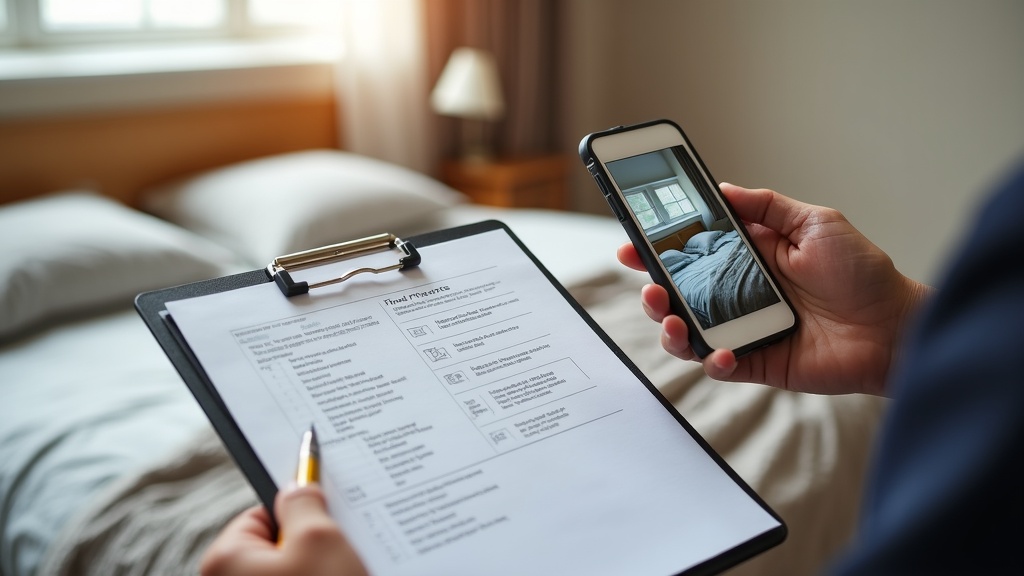
Deliberate damage by guests is often excluded unless you can prove criminal intent and provide police reports. This creates a grey area for incidents like red wine stains, cigarette burns, or broken furniture where intent is unclear. Many insurers require photographic evidence of the property's condition before and after each stay, making documentation crucial.
Weather-related damage has specific exclusions, particularly for properties in flood-prone areas or those with poor maintenance. Storm damage to outdoor furniture, flooding from inadequate drainage, and wind damage to temporary structures (like gazebos) are commonly excluded. Given the UK's increasing extreme weather, these exclusions can be costly oversights.
Claims arising from guests' illegal activities, undeclared parties, or exceeding occupancy limits are typically excluded. This includes noise complaints leading to fines, damage from unauthorised events, and theft by additional undeclared guests.
How Does Airbnb's Host Protection Insurance Actually Work?
Airbnb provides Host Protection Insurance as a backup to your primary coverage, offering up to £1 million in liability protection and property damage coverage. However, this protection is secondary insurance, meaning it only applies after your primary insurance has been exhausted or declined to cover a claim.
The claims process through Airbnb can be lengthy, often taking 60-90 days for resolution. Documentation requirements are extensive, including proof that you've claimed through your primary insurer first, detailed evidence of damages, and repair estimates from approved contractors. Many hosts find the process more challenging than dealing directly with traditional insurers.
Airbnb's coverage excludes high-value items like artwork, antiques, and electronics worth more than £500 individually unless specifically documented. It also doesn't cover loss of income, alternative accommodation costs, or business interruption expenses that specialist policies typically include.
Importantly, Airbnb's protection doesn't apply if you're operating illegally or without required permits. This makes compliance with local regulations essential not just for legal reasons, but to maintain any insurance protection.
What Additional Protection Should UK Hosts Consider?
Beyond basic property and liability coverage, UK hosts should consider several additional protections that aren't included in standard policies. Public liability insurance for common areas, especially important for hosts with shared spaces or multiple units, provides crucial protection against slip-and-fall claims.
Cyber liability coverage is becoming increasingly important as hosts handle more guest data and payment information. With GDPR requirements and increasing data breaches, coverage for data protection failures, cyber attacks, and privacy violations can prevent significant fines and legal costs.
Legal expenses insurance covers the cost of defending against claims or pursuing damages from guests. With average legal costs exceeding £10,000 for property disputes, this coverage can be invaluable for serious incidents requiring court action.
For hosts managing multiple properties or operating as businesses, directors and officers insurance protects against personal liability for business decisions. This becomes particularly relevant when dealing with business rates classifications and commercial tax obligations.
How Are New UK Regulations Affecting Insurance Requirements?
The regulatory landscape for short-term rentals continues to evolve across the UK, with each nation implementing different requirements that directly impact insurance needs. England's upcoming registration scheme will likely include minimum insurance requirements, similar to existing schemes in other jurisdictions.
Fire safety regulations have become particularly stringent, with many insurers now requiring compliance certificates for coverage validity. Fire safety regulations for Airbnb properties in England mandate specific equipment and documentation that must be maintained to avoid policy voidance.
Local authorities are increasingly enforcing licensing requirements, with insurance validity tied to compliance status. Operating without required licences doesn't just risk fines—it can void your insurance entirely, leaving you personally liable for all claims and damages.
Some insurers are beginning to offer discounts for hosts who demonstrate regulatory compliance, professional management standards, and proactive safety measures. This trend suggests that compliance will become a competitive advantage in securing better insurance rates.
Want to ensure your listing meets all current requirements while maximising its performance? LetGrow's comprehensive analysis covers regulatory compliance alongside revenue optimisation, helping you stay protected while growing your business.
What Questions Should You Ask Insurance Providers?
When shopping for Airbnb property insurance coverage, asking the right questions can reveal crucial differences between policies that aren't obvious from marketing materials. Start by clarifying whether coverage applies regardless of your local licensing status and what documentation you need to maintain compliance.
Ask specifically about guest capacity limits and whether coverage changes if you exceed stated occupancy. Many policies have strict limits that aren't clearly advertised, and exceeding them can void claims entirely. Similarly, clarify what constitutes a 'party' or 'event' in policy terms, as definitions vary widely between insurers.
Inquire about the claims process timeline and what alternative arrangements are provided while claims are processed. Some insurers offer immediate temporary accommodation funding, while others require you to pay upfront and claim reimbursement later.
Understanding how loss of income is calculated is crucial—ask whether it's based on historical earnings, forward bookings, or market rates. For growing businesses, historical earnings may significantly undervalue actual losses, making forward booking protection more valuable.
How Can Hosts Reduce Insurance Costs Without Sacrificing Coverage?
Several strategies can help reduce insurance premiums while maintaining comprehensive protection. Installing security systems, smart locks, and noise monitoring devices can qualify for discounts of 10-25% with many insurers, while also improving guest experience and property protection.
Implementing professional guest screening, requiring security deposits, and maintaining detailed check-in/check-out procedures demonstrates risk management that insurers value. Some providers offer reduced rates for hosts using professional property management services or following industry best practices.
Bundling multiple policies with the same insurer often provides significant discounts. Combining buildings, contents, liability, and legal expenses insurance can reduce total costs by 15-30% compared to separate policies from different providers.
Maintaining a claims-free history is the most effective long-term strategy for reducing costs. Many insurers offer no-claims bonuses that can reduce premiums by up to 40% over five years. This makes preventive measures and thorough guest communication crucial for long-term profitability.
If you're working to optimise your property's performance while managing risks, getting a professional assessment of your listing's strengths and vulnerabilities can help identify areas for improvement that benefit both guest satisfaction and insurance risk profiles.
Frequently Asked Questions
Does my existing home insurance cover Airbnb guests?
Most standard home insurance policies exclude coverage for paying guests and commercial activities. You'll need specialist short-term rental insurance or an 'occasional letting' add-on for proper protection.
How much does specialist Airbnb insurance cost in the UK?
Specialist short-term rental insurance typically costs £400-1,200 annually for most UK properties, depending on location, property value, and guest capacity. London properties often face higher premiums of £1,000-1,500+.
Is Airbnb's Host Protection enough on its own?
No, Airbnb's Host Protection is secondary insurance that only applies after your primary coverage. It doesn't cover loss of income, business interruption, or high-value items, making specialist insurance essential.
What happens if I operate without required licences?
Operating without required licences can void your insurance entirely, leaving you personally liable for all damages and claims. Many policies specifically exclude coverage for unlicensed operations.
Can I get insurance if I allow parties or events?
Some specialist insurers offer coverage for properties that allow events, but premiums are significantly higher and conditions more restrictive. Most standard policies exclude party-related damages entirely.
How do I prove damages for insurance claims?
Document your property's condition with detailed photos before and after each guest stay. Keep receipts for all furnishings and maintain an inventory of valuable items with photographs and serial numbers where applicable.
Understanding Airbnb property insurance coverage is essential for protecting your investment and ensuring sustainable hosting success. With regulations continuing to evolve and insurance requirements becoming more complex, staying informed and properly covered isn't just about compliance—it's about protecting your financial future. Ready to ensure your listing is optimised for both performance and protection? Get your free property analysis from LetGrow and discover how to maximise your hosting potential while managing risks effectively.