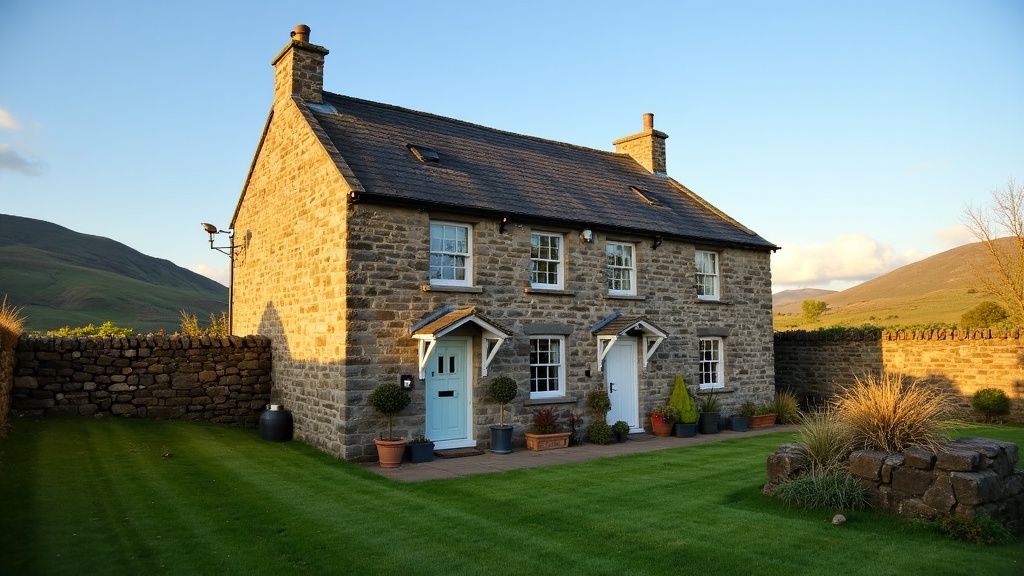
Wales is introducing comprehensive new regulations for short-term rental properties, with the Welsh Airbnb registration scheme set to launch in phases from 2025. These changes will fundamentally reshape how hosts operate in Wales, requiring mandatory registration, licensing, and compliance with strict safety standards. Whether you're an experienced host or considering starting your first Airbnb, understanding these requirements is essential for legal operation.
The new framework represents Wales' most significant regulatory overhaul for the short-term rental sector, bringing it in line with other parts of the UK whilst addressing local housing concerns and tourism management. Getting ahead of these changes now will position your property for success when the rules take full effect.
What is the Welsh Airbnb Registration Scheme?
The Welsh Airbnb registration scheme is a mandatory system requiring all short-term rental operators to register their properties with local authorities and obtain appropriate licences before accepting guests.
The scheme operates on two levels: a national registration database managed by Visit Wales, and local licensing systems administered by individual councils. Every property offering accommodation for less than 31 consecutive days must be registered, regardless of how many nights per year it operates.
Key features of the registration system include:
- Unique registration numbers for each property
- Annual renewal requirements
- Compliance monitoring and enforcement
- Integration with planning permission requirements
- Guest safety certification standards
The registration applies to all short-term accommodation types, including traditional homes, purpose-built apartments, and rooms within occupied properties. Unlike some other UK schemes, Wales has opted for universal coverage rather than exemptions based on property type or hosting frequency.
When Does Welsh Short-Term Let Registration Become Mandatory?
Registration becomes mandatory from 1st January 2025 for new short-term rental operations, with existing hosts having until 30th November 2025 to complete their registration without penalty.
The implementation follows this timeline:
- 1st January 2025: Registration opens for new applications
- 1st April 2025: All new short-term rental operations must be registered before accepting guests
- 30th November 2025: Final deadline for existing hosts to register
- 1st December 2025: Enforcement begins with penalties for unregistered properties
This phased approach gives existing hosts nearly a full year to prepare, but planning ahead is crucial. Local authorities expect high application volumes as the deadline approaches, potentially causing processing delays. Early registration also demonstrates compliance commitment to guests and booking platforms.
Some councils may implement additional local requirements with different timelines. For example, properties requiring planning permission changes in Wales must secure those approvals before completing registration, which can add months to the process.
Which Properties Must Register Under the Welsh Scheme?

All properties offering paid accommodation for periods shorter than 31 consecutive days must register, regardless of frequency, property type, or rental model.
This includes:
- Entire homes and apartments
- Private rooms within occupied homes
- Holiday cottages and lodges
- Converted outbuildings and annexes
- Static caravans and mobile homes on private land
- Boats offering overnight accommodation
The scheme covers both traditional Airbnb-style properties and alternative accommodation types. Even properties rented occasionally—such as a spare room offered only during local events—fall within scope if payment is involved.
Exemptions and Special Cases
Limited exemptions apply to specific accommodation types:
- Registered hotels, guest houses, and B&Bs already licensed under tourism legislation
- Student accommodation operated by educational institutions
- Homeless accommodation and supported housing
- Accommodation provided by employers to employees
- Properties offering stays of 31 days or longer exclusively
Hosts operating multiple properties must register each one separately, even if they're managed as a portfolio. The registration system doesn't offer bulk application discounts, though administrative processes may be streamlined for experienced operators.
How to Register Your Airbnb in Wales: Step-by-Step Process
Registration involves a multi-stage application process combining national registration with local authority licensing, taking 6-12 weeks to complete for straightforward cases.
Stage 1: Prepare Required Documentation
Gather these essential documents before starting your application:
- Property ownership documentation or landlord consent
- Planning permission certificates (if required)
- Insurance policies covering short-term rental activity
- Safety certificates (gas, electrical, fire safety)
- Energy Performance Certificate (EPC)
- Floor plans and property photos
- Management contact details and procedures
Stage 2: Submit National Registration
Complete the online application through the Visit Wales portal:
- Create your account using the property postcode
- Enter property details including capacity and amenities
- Upload required documentation
- Pay the registration fee (£25 annually)
- Submit for initial assessment
Stage 3: Local Authority Licensing
Once national registration is approved, apply for your local licence:
- Contact your local authority's licensing team
- Complete their specific application forms
- Arrange property inspection (if required)
- Pay local licensing fees (typically £150-£400)
- Await final approval and certificate
Processing times vary significantly between councils, with urban areas typically faster than rural authorities. Cardiff and Swansea currently process applications within 4-6 weeks, whilst some smaller councils may take 8-12 weeks during peak periods.
If you're optimising your property for maximum revenue whilst navigating these compliance requirements, LetGrow's free listing score shows you exactly where you stand and what improvements will deliver the biggest impact on your bookings.
Welsh Airbnb Registration Fees and Costs
Total registration costs typically range from £175-£425 annually, combining national registration fees with local authority charges and safety compliance costs.
National Registration Fees
- Initial registration: £25
- Annual renewal: £25
- Amendment fee: £10
- Replacement certificate: £15
Local Authority Licensing Fees
Local licensing fees vary by council and property type:
- Cardiff: £200 (new application), £150 (renewal)
- Swansea: £250 (new), £200 (renewal)
- Gwynedd: £300 (new), £250 (renewal)
- Powys: £180 (new), £150 (renewal)
- Rural councils: typically £150-£220
Additional Compliance Costs
Budget for these one-off safety and compliance expenses:
- Gas safety certificate: £80-£120
- Electrical inspection: £150-£300
- Fire risk assessment: £200-£400
- Professional insurance premium increase: £100-£300 annually
Most hosts find the total first-year cost ranges from £400-£800, with subsequent renewals costing £175-£425 annually. These costs are tax-deductible business expenses, reducing the net impact for profitable operations.
Safety Requirements and Property Standards
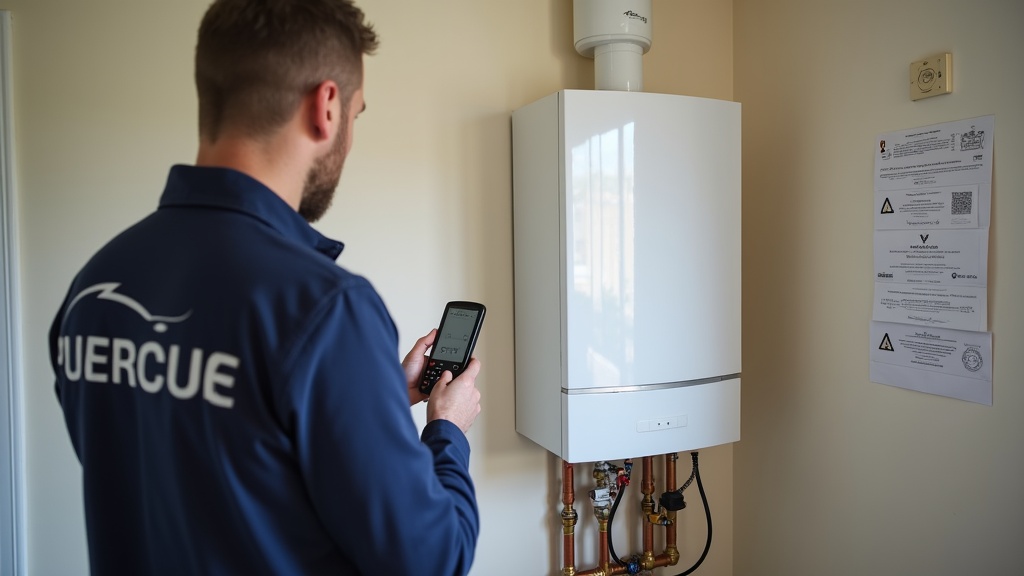
Welsh regulations mandate comprehensive safety standards covering fire protection, gas and electrical systems, and general property maintenance to professional accommodation standards.
Fire Safety Compliance
All registered properties must meet enhanced fire safety requirements:
- Smoke alarms in every room where guests sleep
- Carbon monoxide detectors near fuel-burning appliances
- Clear escape routes and emergency lighting
- Fire blankets in kitchens
- Regular testing and maintenance records
Properties accommodating more than six guests require professional fire risk assessments, with annual reviews mandatory. This aligns with broader fire safety regulations across the UK, though Welsh requirements include additional documentation standards.
Gas and Electrical Safety
Professional safety certificates are required annually:
- Gas safety checks by registered Gas Safe engineers
- Electrical installation condition reports every five years
- Portable appliance testing (PAT) for all electrical items
- Boiler servicing and maintenance records
General Property Standards
Properties must meet minimum accommodation standards including:
- Adequate heating and ventilation
- Hot and cold water supply
- Proper drainage and sanitation
- Secure entry and window locks
- Adequate furniture and bedding
- Kitchen facilities appropriate to capacity
Local authorities conduct random inspections and respond to guest complaints. Properties failing to meet standards face licence suspension or revocation, making preventive compliance essential.
Enforcement and Penalties for Non-Compliance
Welsh authorities have significant enforcement powers, including fines up to £2,500, prosecution, and property closure orders for hosts operating without proper registration.
Financial Penalties
- Operating without registration: £1,000-£2,500 fine
- False information in applications: £1,500 fine
- Failure to display registration number: £200 fixed penalty
- Breach of licensing conditions: £500-£1,500
- Obstruction of enforcement officers: £1,000
Criminal Prosecution
Serious or repeat offences may result in criminal charges, carrying:
- Unlimited fines at magistrates' court
- Criminal records affecting future applications
- Director disqualification for limited companies
- Confiscation of rental income
Administrative Sanctions
Beyond financial penalties, authorities can:
- Refuse or revoke registration/licensing
- Impose additional operating conditions
- Require immediate guest evacuation
- Prohibit advertising on booking platforms
- Share information with HMRC for tax investigation
Enforcement focuses on properties causing neighbourhood disruption, safety breaches, or deliberate non-compliance. Hosts making good-faith efforts to comply typically receive support and reasonable timeframes for correction rather than immediate penalties.
How Welsh Registration Affects Your Airbnb Business
Registration brings both compliance obligations and potential business benefits, with properly registered properties often seeing improved guest confidence and booking platform visibility.
Operational Changes
Day-to-day hosting becomes more structured:
- Display registration numbers in all advertising
- Maintain detailed guest records and safety logs
- Allow local authority inspections with reasonable notice
- Report significant incidents or complaints
- Update registration when changing property use
Financial Implications
Registration affects your business finances in several ways. Annual compliance costs typically represent 1-3% of gross rental income for active properties, while improved guest confidence often boosts booking rates by 5-15% within six months.
Many hosts also benefit from clearer tax positions, as registration provides definitive business activity evidence supporting expense deductions. However, it may also trigger questions about business rates versus council tax obligations, particularly for high-volume operations.
Marketing and Guest Relations
Registration numbers become mandatory in all advertising, creating opportunities to emphasise compliance and professionalism. Many guests actively seek registered properties, viewing them as safer and more reliable choices.
Successfully navigating these changes whilst maximising your property's revenue potential requires strategic optimisation. Get your free Airbnb performance score to see how your listing compares against local competitors and identify opportunities for improvement.
Planning Permission Requirements for Welsh Airbnb Properties
Many short-term rentals in Wales require planning permission changes before registration, particularly properties switching from residential to commercial short-term letting use.
Planning permission is typically required when:
- Converting residential property to dedicated short-term rental
- Operating more than 140 nights per year in some areas
- Making structural changes for guest accommodation
- Creating separate access routes or facilities
- Operating in conservation areas or listed buildings
The planning process can take 8-16 weeks, making early action essential for hosts approaching the registration deadline. Some councils fast-track applications related to tourist accommodation, whilst others apply standard timescales regardless of urgency.
For detailed guidance on navigating these requirements, see our comprehensive guide to planning permission for Airbnb properties in Wales, which covers application processes, likely outcomes, and strategic considerations for different property types.
Comparing Welsh Rules to Other UK Short-Term Rental Regulations
Welsh regulations are more comprehensive than most English requirements but less complex than Scottish licensing systems, creating a middle-ground approach to short-term rental oversight.
England Comparison
English regulations remain largely council-specific, with only London requiring registration in most boroughs. Welsh universal registration contrasts with England's patchwork approach, though both require similar safety standards and tax compliance.
Business rate implications differ significantly, with Welsh councils taking varied approaches compared to London's relatively standardised system for determining when short-term rentals trigger business rate liability.
Scotland Comparison
Scottish short-term let licensing is more restrictive, requiring detailed safety cases and often refusing applications in housing pressure areas. Welsh registration focuses more on safety and compliance monitoring rather than limiting supply.
The Edinburgh licensing system provides useful comparison points, particularly around safety requirements and enforcement approaches that Welsh councils are adopting.
Welsh fees are generally lower than Scottish licence costs but higher than most English requirements, reflecting the comprehensive nature of the scheme without the complexity of Scotland's multi-tier system.
Preparing Your Property for Welsh Registration Success
Successful registration requires systematic preparation addressing documentation, safety compliance, and property optimisation to meet both regulatory and guest expectations.
Documentation Checklist
Compile these documents at least 8 weeks before your planned submission:
- Property title deeds or lease agreements
- Current insurance policies and coverage details
- Previous planning permissions or building control approvals
- Energy performance certificates dated within 10 years
- Professional photographs showing safety features
- Contact details for emergency property management
Safety Compliance Preparation
Schedule professional inspections and testing:
- Gas safety certificates (valid 12 months)
- Electrical condition reports (valid 5 years)
- Fire risk assessments for larger properties
- Appliance safety testing and labelling
- Emergency procedure documentation
Property Optimisation
Use the registration process as an opportunity to enhance your property's appeal and revenue potential. Address common guest concerns, improve safety features beyond minimum requirements, and ensure your space photographs professionally for both compliance documentation and marketing purposes.
This preparation phase often reveals opportunities for strategic improvements that boost guest satisfaction and revenue whilst ensuring compliance. LetGrow's expert analysis identifies specific optimisation opportunities tailored to your property type and local market conditions.
Frequently Asked Questions
Do I need to register if I only rent my property occasionally?
Yes, registration is mandatory regardless of how frequently you rent your property. Even occasional rentals during local events or peak seasons require full registration and licensing. There are no minimum night thresholds or exemptions for low-frequency hosting.
What happens if I'm already taking bookings when registration becomes mandatory?
Existing hosts have until 30th November 2025 to complete registration without penalty. However, you cannot accept new bookings from 1st December 2025 without valid registration. Cancel or postpone any bookings that would occur after the deadline if your registration isn't complete.
Can I register multiple properties under one application?
No, each property requires separate registration and licensing, even if you manage them as a portfolio. However, some local authorities offer streamlined processes for experienced hosts managing multiple properties, reducing administrative burden whilst maintaining individual property compliance.
What insurance do I need for Welsh Airbnb registration?
You need public liability insurance (minimum £1 million coverage) and buildings insurance that specifically covers short-term rental activity. Standard residential insurance policies typically exclude commercial letting, so inform your insurer about your registration plans to ensure proper coverage.
How often do I need to renew my registration?
National registration requires annual renewal for £25. Local authority licensing renewal periods vary by council, typically annually or every 2-3 years. You'll receive renewal reminders, but maintaining calendar alerts ensures you don't miss deadlines and face operational disruption.
Can local authorities refuse my registration application?
Yes, applications can be refused for safety non-compliance, planning permission issues, or providing false information. However, most authorities work with applicants to address concerns rather than outright refusal. Appeal processes exist for disputed decisions, though addressing issues early is more effective than challenging refusals.
The Welsh Airbnb registration scheme represents a significant shift toward professionalising short-term rental operations whilst maintaining market access for compliant hosts. Starting your preparation early ensures smooth registration and positions your property for continued success under the new regulatory framework. Ready to see how your listing measures up? Get your free score at LetGrow.