
Predicting your Airbnb earnings throughout the year is crucial for making informed decisions about your short-term rental investment. An Airbnb revenue forecast calculator helps UK hosts anticipate seasonal fluctuations, plan renovations during low-demand periods, and set realistic financial expectations. With British tourism patterns showing distinct peaks during summer months and bank holidays, understanding how to forecast your revenue can mean the difference between a profitable year and disappointing returns.
What is an Airbnb Revenue Forecast Calculator?
An Airbnb revenue forecast calculator is a tool that predicts your potential earnings based on seasonal demand patterns, local market data, and your property's characteristics. It analyses historical booking trends, competitor pricing, and regional tourism cycles to estimate monthly revenue throughout the year.
These calculators work by combining several data points: your property's average daily rate (ADR), historical occupancy rates in your area, seasonal demand fluctuations, and local events that drive bookings. For UK hosts, this means factoring in summer holiday peaks, Christmas breaks, bank holiday weekends, and regional events like Edinburgh Festival or Glastonbury that can significantly impact nearby property performance.
The most sophisticated tools also consider your specific amenities, guest capacity, and property type. A four-bedroom house in the Lake District will have dramatically different seasonal patterns compared to a city centre studio in Manchester, and accurate forecasting must account for these variations.
How Do Seasonal Patterns Affect UK Airbnb Revenue?

UK Airbnb properties typically see 40-60% higher revenue during peak summer months (June-August) compared to winter periods, with distinct patterns varying by location and property type.
Understanding these patterns is essential for accurate revenue forecasting. Coastal properties in Cornwall or Devon might see their highest revenues in July and August, with bookings dropping significantly from October through March. Urban properties in London or Birmingham often maintain steadier year-round demand but still experience summer peaks and January lulls.
Bank holidays create predictable revenue spikes that smart hosts factor into their forecasts. Dynamic pricing during bank holidays can increase weekend rates by 30-50% in popular areas. The Easter break, May Day weekend, and late August bank holiday consistently drive higher occupancy and rates across most UK markets.
Regional events add another forecasting layer. Properties near universities see September spikes for freshers' week, whilst those near major festivals or sporting venues experience dramatic but predictable revenue peaks. A property near Wimbledon might earn more in two weeks during the championships than in the entire preceding month.
Winter presents both challenges and opportunities. Whilst coastal properties might struggle, city centre locations often benefit from Christmas markets, New Year celebrations, and business travel. Properties in ski-adjacent areas or Christmas market cities like Bath can actually see winter revenue peaks that defy typical seasonal patterns.
Which Tools Can Help Predict Airbnb Earnings?
Several tools offer revenue forecasting capabilities, ranging from basic calculators to sophisticated analytics platforms that consider multiple variables and provide detailed seasonal projections.
AirDNA Market Reports provide macro-level forecasting for specific postcodes, showing historical revenue trends and future projections based on supply and demand analysis. Their data covers most UK markets and includes seasonal breakdowns that help hosts understand typical yearly patterns.
Wheelhouse (now part of Airbnb) offers revenue projections integrated with dynamic pricing recommendations. It analyses your specific listing against local competitors and provides monthly revenue estimates based on recommended pricing strategies.
PriceLabs includes forecasting features alongside its pricing automation. It factors in local events, seasonal trends, and your property's booking history to project future revenue under different pricing scenarios.
For hosts seeking comprehensive pricing tools that work specifically for UK properties, it's worth comparing features and accuracy across different platforms. Some excel at short-term forecasting but struggle with yearly projections, whilst others provide broad estimates without property-specific insights.
Manual forecasting methods can also prove effective. Analysing your own booking history, monitoring competitor calendars, and tracking local tourism patterns allows hosts to build custom forecasting models. This approach requires more effort but often provides more accurate results for unique properties or niche markets.
How to Calculate Revenue Projections by Season
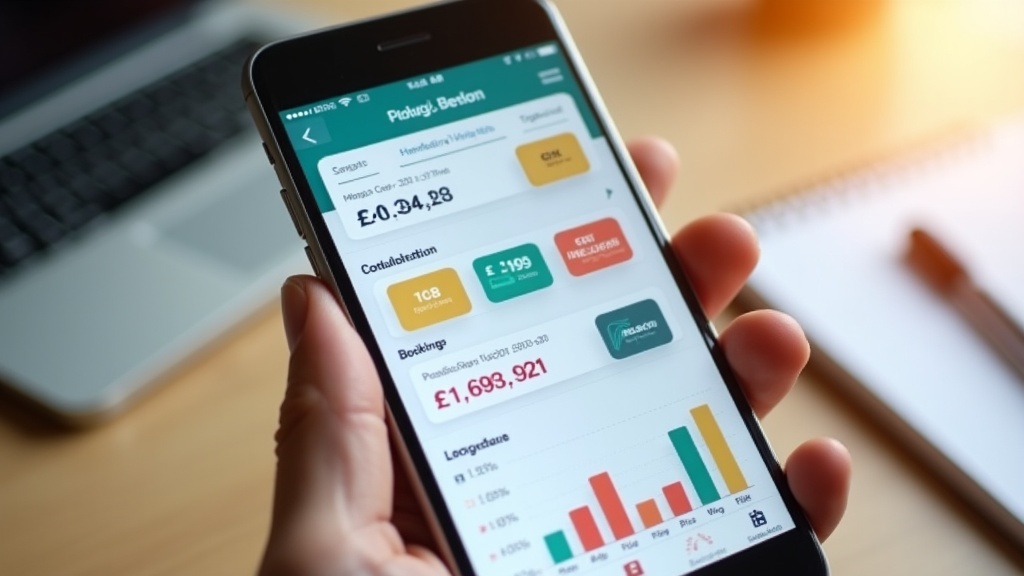
Accurate seasonal revenue calculations require combining your property's base performance with market-specific seasonal multipliers and occupancy adjustments for each month of the year.
Start by establishing your baseline metrics: average daily rate during standard periods and typical occupancy rates. For most UK properties, use April, September, or October as baseline months since they avoid both peak summer demand and winter lulls.
Apply seasonal multipliers based on your market type:
- Coastal/Tourist Areas: June-August rates typically increase 40-60%, whilst November-February might drop 20-40% below baseline
- City Centres: Summer rates increase 20-30%, winter rates drop 10-20%
- Business Districts: Summer rates may actually decrease 10-15% due to reduced business travel, whilst autumn sees increases
Factor in occupancy changes alongside rate variations. Year-round calendar optimisation becomes crucial when summer months might achieve 85% occupancy whilst winter drops to 45%. High rates mean little if bookings disappear.
Account for local events in your calculations. Research annual festivals, sporting events, conferences, and cultural happenings that affect your area. A property near a major conference centre might see unexpected revenue spikes during specific weeks that wouldn't appear in general seasonal data.
Calculate monthly projections using this formula: (Baseline Daily Rate × Seasonal Multiplier) × (Days in Month × Expected Occupancy Rate) = Monthly Revenue Estimate
For example, a London property with £80 baseline rate and 70% baseline occupancy might project: July = (£80 × 1.25) × (31 × 0.80) = £2,480. January = (£80 × 0.85) × (31 × 0.55) = £1,157.
What Factors Impact Your Airbnb Revenue Forecast?
Multiple variables beyond simple seasonal patterns influence forecast accuracy, including property-specific characteristics, local competition levels, amenity offerings, and external economic factors that hosts must consider.
Property characteristics fundamentally shape earning potential. A converted barn in the Cotswolds appeals to different guests than a modern apartment in Leeds, creating distinct seasonal patterns. Large properties often see stronger weekend and holiday performance, whilst smaller units maintain more consistent weekday bookings.
Amenity mix significantly impacts forecasting. Properties with gardens, hot tubs, or parking typically command premium rates and maintain higher occupancy during peak periods. However, these same properties might see steeper winter drops if outdoor amenities lose appeal. Basic properties often show more stable, if lower, year-round performance.
Competition density affects both rates and occupancy. Markets with limited supply can maintain higher rates but face greater volatility when new properties launch. Oversaturated areas might offer stable occupancy but pressure rates downward, particularly during off-peak periods.
Guest capacity planning influences revenue potential significantly. Properties accommodating 6+ guests often achieve higher absolute revenue during peak periods but may struggle more during low-demand months when smaller groups dominate bookings. Peak season pricing strategies must balance capacity optimisation with market demand.
External factors create forecast uncertainty. Economic conditions, travel restrictions, fuel costs, and even weather patterns can dramatically impact actual performance versus projections. The most accurate forecasts include sensitivity analysis showing optimistic, realistic, and pessimistic scenarios.
If you're finding it challenging to balance all these variables whilst optimising your listing performance, LetGrow's free listing analysis provides data-driven insights into how your property compares locally and where improvements could boost your revenue potential.
How Accurate Are Airbnb Revenue Forecasts?
Well-constructed revenue forecasts typically achieve 75-85% accuracy for established properties with 12+ months of booking history, though accuracy varies significantly based on market stability and forecast timeframe.
Short-term forecasts (1-3 months ahead) generally prove most reliable, particularly for established properties with consistent booking patterns. Long-term yearly projections become less accurate due to market changes, new competition, and external factors that compound over time.
Factors that improve forecast accuracy:
- Longer booking history (2+ years provides better baseline data)
- Stable local markets with predictable tourism patterns
- Properties in established Airbnb areas rather than emerging markets
- Regular forecast updates incorporating recent performance data
Common accuracy challenges include new property launches in rapidly changing markets, unique properties without comparable data, and markets heavily influenced by unpredictable events. A boutique property in an emerging destination might see forecast errors exceeding 30-40%.
Improving forecast reliability requires combining multiple data sources rather than relying on single tools. Cross-reference platform-generated forecasts with your own booking history, competitor research, and local tourism board projections. Properties in markets like Nottingham benefit from local market analysis that considers university calendars, business tourism, and regional events.
Seasonal forecast accuracy varies considerably. Summer projections often prove most reliable due to consistent tourism patterns, whilst winter forecasts face greater uncertainty from weather impacts and economic sensitivity of leisure travel.
Regular calibration improves accuracy over time. Track your actual performance against forecasts and adjust seasonal multipliers based on real results. Properties often develop unique patterns that generic forecasting tools miss but become apparent through careful analysis.
When Should You Update Your Revenue Forecast?
Revenue forecasts should be updated quarterly at minimum, with additional updates following significant market changes, property improvements, or major shifts in local tourism patterns.
Quarterly updates align with natural tourism seasons and allow hosts to adjust expectations and strategies before peak booking periods. January reviews help prepare for spring and summer planning, whilst July updates inform autumn and winter expectations.
Trigger events requiring immediate forecast updates:
- Major amenity additions (hot tubs, parking, workspace improvements)
- Significant competitor openings or closures in your immediate area
- Local tourism infrastructure changes (new attractions, transport links)
- Economic shifts affecting travel spending patterns
- Regulatory changes impacting short-term rentals
Seasonal calibration improves accuracy progressively. After each peak period (summer holidays, Christmas, local festivals), compare actual performance against projections. Identify patterns where your property outperforms or underperforms general market trends.
Market condition updates become crucial during volatile periods. Economic uncertainty, travel restrictions, or major local developments might require monthly forecast revisions rather than quarterly updates.
Consider updating forecasts when implementing new revenue strategies. If you're experimenting with longer minimum stays, targeting business travellers, or adjusting your guest capacity strategy, refresh projections to reflect these operational changes.
Want professional guidance on optimising your listing for better forecast accuracy? Get your free Airbnb performance assessment and discover specific improvements that could enhance your revenue potential throughout the year.
Building Your Own Revenue Projection Model
Creating a custom forecast model tailored to your property's unique characteristics often provides more accurate projections than generic calculators, especially for established hosts with historical data.
Start by gathering 12-24 months of your own booking data, including nightly rates, occupancy rates, guest demographics, and booking lead times. This historical foundation provides the most reliable basis for future projections since it reflects your property's actual market performance.
Build seasonal adjustment factors from your data rather than industry averages. Calculate monthly performance as percentages of your annual average: if July typically generates 140% of your average monthly revenue whilst February achieves 70%, use these property-specific multipliers rather than generic seasonal patterns.
Incorporate local event impacts systematically. Create an events calendar marking festivals, conferences, sporting events, and cultural happenings that affect your bookings. Track how these events impact your rates and occupancy, then build these premiums into future projections.
Account for booking pattern evolution. New hosts often see improving performance as their listing gains reviews and search ranking. Established properties might experience gradual declines as newer competition emerges. Build these trends into longer-term projections.
Include sensitivity analysis showing optimistic (top 25% performance), realistic (median), and conservative (bottom 25%) scenarios. This range acknowledges forecast uncertainty whilst providing planning flexibility.
Regular model refinement improves accuracy over time. Monthly comparison of projected versus actual results helps identify model weaknesses and emerging patterns that standard forecasting tools might miss.
Common Revenue Forecasting Mistakes UK Hosts Make
Many UK hosts either over-rely on peak summer projections without accounting for seasonal variance or underestimate the revenue impact of local events and regional tourism patterns specific to their area.
Overestimating winter performance proves particularly common among new hosts who extrapolate summer success without considering seasonal tourism drops. British coastal properties might achieve £150+ nightly rates in August but struggle to achieve £60 in February, regardless of pricing optimisation efforts.
Ignoring local competition impacts leads to overly optimistic projections. A successful first year doesn't guarantee continued performance if new properties launch nearby. Monitor competitor additions and adjust occupancy expectations accordingly.
Underestimating bank holiday potential costs many hosts significant revenue. Properties that maintain standard pricing during peak weekends leave money on the table. Conversely, some hosts price too aggressively and sacrifice occupancy for marginal rate improvements.
Failing to account for platform algorithm changes creates forecast errors. Airbnb regularly updates search and ranking algorithms, potentially affecting visibility and booking patterns. New properties often benefit from temporary ranking boosts that don't sustain long-term.
Using outdated market data undermines forecast accuracy. Tourism patterns evolve, new attractions open, transport links change, and economic conditions shift. Forecasts based on 2019 data might prove irrelevant in current markets.
Neglecting operational capacity limits leads to unrealistic projections. High-maintenance properties requiring extensive cleaning or repairs between guests cannot achieve theoretical maximum occupancy rates, regardless of demand levels.
Frequently Asked Questions
How far in advance can I accurately forecast Airbnb revenue?
Accurate forecasting typically extends 3-6 months ahead for detailed projections, with reasonable estimates possible up to 12 months for established properties in stable markets. Beyond one year, forecasts become increasingly unreliable due to market changes.
Do revenue forecast calculators work for new Airbnb properties?
New properties face forecasting challenges due to lack of historical data, but tools can provide market-based estimates using comparable properties. Expect 20-30% variance from projections during your first year as your listing establishes its market position.
Should I factor in Airbnb fees when calculating revenue forecasts?
Yes, always calculate net revenue after Airbnb's 3% host service fee, cleaning costs, and any local tourism taxes. Many hosts overestimate profitability by focusing on gross booking values rather than actual earnings.
How do local events affect revenue forecast accuracy?
Major local events can increase revenue 50-200% during event periods but may create booking lulls immediately before or after. Include known annual events in forecasts, but budget conservatively for one-off events that might not repeat.
Can weather patterns impact my Airbnb revenue forecasts?
British weather significantly affects rural and coastal properties, with unseasonably wet summers potentially reducing bookings 15-25%. Urban properties show less weather sensitivity, though extreme conditions can still impact travel patterns.
How often should I compare forecast versus actual performance?
Monthly reviews help identify forecast accuracy and market changes quickly. Track both revenue and occupancy variances, as rate and volume changes often have different underlying causes requiring distinct strategic responses.
Understanding your revenue potential throughout the year enables smarter business decisions, from renovation timing to marketing focus. Whether you're planning your first year as a host or optimising an established portfolio, accurate forecasting provides the foundation for sustainable profitability. Ready to see how your listing performs against local competition? Get your free performance score and discover opportunities to enhance your revenue forecast.