
Mastering Airbnb occupancy rate optimisation is the difference between a profitable property and one that struggles to cover costs. Whilst average UK Airbnb occupancy sits around 65%, the most successful hosts achieve 80-90% year-round by understanding their market dynamics and implementing strategic calendar management. The key lies not just in competitive pricing, but in creating a comprehensive approach that addresses seasonal patterns, guest behaviour, and local market conditions.
What is Airbnb occupancy rate and why does it matter?
Occupancy rate measures the percentage of available nights your property is booked over a specific period. It's calculated by dividing booked nights by total available nights, then multiplying by 100. A 70% occupancy rate means your property was occupied 70% of the time it was available for booking.
This metric directly impacts your revenue potential and property performance. Even with premium pricing, a 40% occupancy rate will likely generate less income than a 75% occupancy rate at moderate prices. High occupancy also improves your Airbnb search ranking, as the platform favours listings that consistently attract bookings.
Understanding your baseline is crucial before implementing improvements. Track your monthly occupancy over the past year to identify patterns and seasonal dips. Most UK properties experience lower occupancy during January-February and higher rates during summer months and holiday periods.
How do seasonal trends affect UK Airbnb occupancy rates?
UK Airbnb occupancy follows predictable seasonal patterns that vary by location and property type. Summer months (June-August) typically see the highest occupancy, whilst January-February experience the steepest drops. Understanding these cycles allows hosts to plan pricing and availability strategically.
City centre properties often maintain steadier occupancy year-round due to business travel and weekend breaks. London, Manchester, and Edinburgh see consistent demand outside traditional holiday periods. Conversely, coastal and countryside properties experience dramatic seasonal swings, with some achieving 90%+ occupancy in summer but dropping to 30-40% in winter.
The key is adjusting your strategy for each season. During peak months, maintain higher prices and stricter minimum stays to maximise revenue per booking. In slower periods, prioritise filling your calendar with competitive pricing and flexible booking terms. Strategic seasonal pricing during Easter and spring bookings can help bridge the gap between winter lows and summer highs.
Consider local events and attractions when planning seasonal strategies. University towns see spikes during graduation periods, while rural properties might benefit from half-term school holidays when families seek countryside escapes.
What pricing strategies improve Airbnb occupancy?
Dynamic pricing that responds to demand fluctuations is essential for maintaining high occupancy rates. Rather than setting fixed nightly rates, successful hosts adjust prices based on local events, seasonal patterns, booking lead times, and competitor activity.
Start with competitive base pricing that positions your property appropriately in the local market. Research similar properties within a 2-mile radius, noting their pricing patterns and occupancy levels. Price slightly below the market median initially to attract bookings and build reviews, then gradually increase rates as your occupancy and reputation improve.
Implementing weekend pricing uplifts can significantly boost revenue without hurting occupancy. Many UK markets support 15-30% higher rates for Friday and Saturday nights, as leisure travellers are less price-sensitive for weekend breaks.
Use last-minute pricing strategies to fill gaps in your calendar. Offer 10-20% discounts for bookings made within 3-7 days of arrival. This captures spontaneous travellers whilst ensuring you don't leave nights empty. Similarly, consider weekly or monthly discounts to attract longer stays that guarantee occupancy blocks.
If you'd like an expert assessment of your listing with specific pricing recommendations, LetGrow's free listing score shows you exactly where you stand compared to local competitors.
How do minimum stay requirements impact calendar filling?
Minimum stay requirements create a delicate balance between revenue optimisation and occupancy rates. Whilst longer minimum stays increase revenue per booking and reduce turnover costs, they can also limit booking opportunities and create calendar gaps.
The optimal minimum stay strategy varies by season and local demand patterns. During peak periods with high demand, 2-3 night minimums help maximise revenue whilst maintaining strong occupancy. In slower periods, reducing minimum stays to one night opens your property to more potential guests, including last-minute bookers and business travellers.
Analyse your booking patterns to identify the sweet spot. If you're consistently getting 2-3 night bookings, implementing a minimum stay requirement won't hurt occupancy but will improve your revenue predictability. However, if single-night bookings comprise a significant portion of your reservations, mandatory minimums could reduce overall occupancy.
Strategic minimum stay rules should also consider your operational capacity. Shorter stays mean more turnovers, higher cleaning costs, and increased management time. Factor these operational costs into your minimum stay decisions, as a well-managed 3-night booking might be more profitable than three separate 1-night stays.
Consider implementing flexible minimum stays that adjust based on the day of the week or season. Many successful UK hosts require 2-night minimums for weekend arrivals but accept single nights for weekday bookings during off-peak periods.
What role do amenities play in occupancy optimisation?
The right amenities can dramatically improve your property's appeal and booking conversion rate. However, the key is focusing on amenities that matter most to your target guest demographic rather than adding expensive features that don't drive bookings.
Essential amenities for high occupancy include reliable Wi-Fi, comfortable bedding, and well-equipped kitchens. Business travellers prioritise workspace areas and fast internet, whilst families value child-friendly amenities and entertainment options. Identify your primary guest type and ensure your amenities align with their expectations.
Kitchen amenities deserve particular attention, as many guests choose Airbnb specifically for self-catering capability. Ensure you can tick 'Coffee Maker' in your amenity list – even a simple cafetière or French press qualifies and costs just £10-£20. This small investment makes your listing appear in filtered searches for properties with coffee facilities.
Parking availability significantly impacts occupancy in many UK locations. If you offer parking, ensure it's prominently featured in your listing and photos. In cities where parking is scarce, this amenity can be a decisive booking factor. Conversely, in areas with abundant street parking, dedicated spaces are less critical.
Review guest feedback to identify amenity gaps that might be hurting your occupancy. Common requests include blackout curtains for better sleep, full-length mirrors, and additional storage space. Addressing these relatively inexpensive improvements can reduce guest complaints and improve your overall rating, indirectly boosting occupancy through better search visibility.
How does listing optimisation affect booking rates?
Your listing title, description, and photos are the first impression potential guests receive, making optimisation crucial for converting views into bookings. Even with perfect pricing and amenities, poor listing presentation will hurt your occupancy rates.
Craft titles that immediately communicate your property's key selling points and location benefits. Include specific neighbourhood names that guests might search for, along with standout features like 'parking', 'garden', or 'city views'. Avoid generic descriptions that could apply to any property – specificity builds trust and attracts the right guests.
Your description should answer the questions most guests have before booking: exact location, transportation links, nearby attractions, and what makes your space special. Include practical details like check-in procedures, local recommendations, and any quirks guests should know about. Transparency reduces booking hesitation and prevents mismatched expectations that lead to cancellations.
Photo quality and selection dramatically impact booking decisions. Your hero image should showcase your property's best feature in optimal lighting. Include photos of every room guests can access, plus important amenities like parking, outdoor spaces, or workspace areas. Ensure photos accurately represent your space – misleading images hurt both bookings and reviews.
Want a professional eye on your listing presentation? LetGrow analyses your title, photos, pricing, and amenities for free – no obligation, just actionable insights to improve your occupancy rates.
What calendar management techniques maximise bookings?
Proactive calendar management goes beyond simply keeping your availability updated. Strategic calendar techniques can significantly improve your occupancy rates by making your property more attractive to potential guests and easier to find in searches.
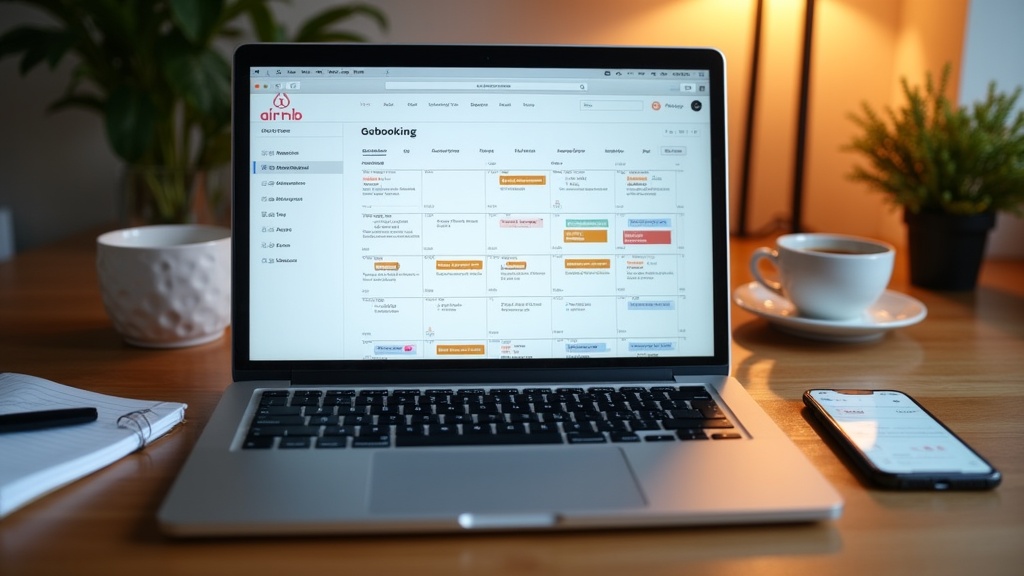
Keep your calendar updated at least weekly, ideally daily during busy periods. Airbnb's algorithm favours hosts who maintain current availability, showing their listings more prominently in search results. If you're unsure about specific dates, leave them available rather than blocking them unnecessarily – you can always decline bookings if needed.
Use Airbnb's instant book feature strategically to capture spontaneous bookings. Properties with instant book enabled often appear higher in search results and appeal to guests who want immediate confirmation. However, ensure your guest requirements are properly configured to filter out potentially problematic bookings.
Create availability windows that encourage longer stays during slower periods. Rather than leaving your entire calendar open, consider blocking certain dates to create scarcity and encourage guests to book longer stays around available periods. This technique works particularly well during off-peak seasons when you want to prioritise occupancy over maximum nightly rates.
Monitor booking patterns to identify optimal availability strategies. If you notice guests frequently book 2-3 weeks in advance, ensure your calendar extends at least 6-8 weeks ahead. Some guests plan months in advance, particularly for holiday periods or special events, so maintaining long-term availability captures early planners.
How can you compete effectively with other local listings?
Understanding your local competition is essential for maintaining strong occupancy rates. Regular competitor analysis helps you position your property appropriately and identify opportunities to differentiate your offering.
Study comparable properties within a 1-2 mile radius, focusing on those with similar size, amenities, and guest capacity. Note their pricing patterns, minimum stay requirements, and unique selling points. Look for gaps in the market – perhaps most local properties lack parking, or few offer workspace amenities for business travellers.
Analyse competitor reviews to understand what guests value most in your area. Common complaints across multiple properties might indicate market-wide issues you can address to gain competitive advantage. Similarly, frequently praised features suggest amenities worth investing in for your own property.
Differentiation doesn't always require major investments. Sometimes simple touches like superior guest communication, local guidebooks, or welcome amenities can set your property apart. Focus on creating a booking experience that feels more personal and thoughtful than typical Airbnb stays.
Consider your competitive positioning carefully. Being the cheapest property rarely leads to sustainable success, but being the best value within your price range can drive consistent bookings. Comprehensive pricing strategy approaches help balance competitive positioning with revenue goals.
Not sure how you compare to local competition? Get your free Airbnb performance score and see how your listing stacks up against similar properties in your area.
What guest communication strategies improve booking conversion?
Effective communication throughout the booking journey significantly impacts your conversion rates and occupancy levels. From initial inquiries to post-stay follow-up, strategic communication builds trust and encourages bookings whilst reducing cancellation rates.
Respond to booking inquiries within one hour whenever possible, ideally within 15-30 minutes during peak browsing hours (evening and weekends). Quick response times demonstrate professionalism and availability, making guests more likely to complete their booking with you rather than continuing their search.
Create template responses for common inquiries, but personalise each message with specific details about the guest's dates or requirements. Address their stated needs directly – if they mention travelling for business, highlight your workspace and Wi-Fi. For families, emphasise child-friendly amenities and nearby attractions.
Proactive communication before arrival reduces anxiety and cancellation risk. Send arrival instructions, local recommendations, and contact information 2-3 days before check-in. Include specific details about finding your property, parking arrangements, and any local quirks guests should know about.
During the stay, strike the right balance between availability and privacy. Let guests know you're available for questions, but don't overcommunicate unless they initiate contact. A simple check-in message on arrival day shows you care without being intrusive.
How do cleaning fees and additional charges affect occupancy?
Your fee structure significantly impacts booking decisions, particularly for shorter stays where additional charges represent a larger percentage of the total cost. Strategic fee management can improve occupancy without sacrificing profitability.
Cleaning fee strategy requires careful calibration based on your local market and typical stay length. High cleaning fees deter short-stay guests but matter less for week-long bookings. Analyse your booking patterns to determine whether lower cleaning fees might attract more reservations.
Consider incorporating cleaning costs into your nightly rate rather than charging separately. This makes your property appear more affordable in search results, as Airbnb's default sorting shows nightly rates without additional fees. The psychological impact of lower displayed prices can improve click-through rates and booking conversion.
Be transparent about all fees upfront to avoid booking abandonment at checkout. Hidden costs frustrate potential guests and damage trust. If you charge for amenities like parking or late check-in, mention these clearly in your listing description alongside the circumstances when they apply.
Extra guest fees should be reasonable and clearly justified. Charging £20-30 per additional guest above your base occupancy is acceptable, but excessive fees can prevent bookings from larger groups who might otherwise choose your property.
What metrics should you track to measure occupancy success?
Tracking the right metrics helps you understand what's working in your occupancy strategy and identify areas needing improvement. Focus on metrics that provide actionable insights rather than vanity numbers.
Monitor occupancy rate monthly and yearly to identify trends and seasonal patterns. Track both overall occupancy and occupancy by month to understand your property's seasonal performance. Compare your rates to local averages when possible to gauge competitive performance.
View-to-booking conversion rate reveals how effectively your listing converts interest into reservations. If you're getting plenty of views but few bookings, the issue likely lies in pricing, photos, or listing presentation rather than visibility. A conversion rate below 2-3% suggests optimisation opportunities.
Average daily rate (ADR) should be tracked alongside occupancy to ensure you're not sacrificing too much revenue for higher occupancy. The goal is finding the optimal balance – sometimes slightly lower occupancy at higher rates generates more profit than maximum occupancy at rock-bottom prices.
Response time and response rate affect your search ranking and booking success. Airbnb rewards hosts who respond quickly and accept reasonable booking requests. Monitor these metrics monthly and adjust your communication processes if either metric declines.
Guest satisfaction scores, whilst not directly measuring occupancy, strongly correlate with long-term booking success. Properties with higher ratings achieve better search visibility and higher conversion rates. Track your overall rating and individual category scores to identify improvement opportunities.
Frequently Asked Questions
What's a good occupancy rate for Airbnb in the UK?
A good UK Airbnb occupancy rate ranges from 65-80%, depending on location and property type. City centre properties often achieve 70-85%, whilst rural/coastal properties may see 50-90% with strong seasonal variation. Focus on beating local averages rather than absolute benchmarks.
How quickly should I respond to booking inquiries?
Respond to booking inquiries within 1 hour, ideally within 15-30 minutes during peak times (evenings and weekends). Quick responses dramatically improve booking conversion rates and help maintain your Superhost status, which boosts search visibility.
Should I use instant book to improve occupancy?
Instant book can improve occupancy by capturing spontaneous bookings and increasing search visibility. However, ensure you've set appropriate guest requirements and house rules to filter out potentially problematic guests. Start with instant book enabled and adjust based on guest quality.
How often should I adjust my pricing?
Review and adjust pricing weekly, with daily adjustments during high-demand periods or around local events. Monitor competitor pricing and local demand patterns. Many successful hosts use dynamic pricing tools or manual adjustments based on booking velocity and calendar gaps.
What's the impact of minimum stay requirements on bookings?
Minimum stays reduce booking opportunities but increase revenue per reservation and reduce turnover costs. Finding the optimal minimum night stay strategy depends on your market – use 2-3 night minimums during peak periods but consider 1-night stays during slower times.
How do cleaning fees affect booking decisions?
High cleaning fees deter short-stay bookings as they represent a larger percentage of total cost. Consider incorporating cleaning costs into nightly rates or setting fees at the lower end of your local market range. Transparency about all fees upfront prevents booking abandonment.
Successful Airbnb occupancy rate optimisation requires a holistic approach that balances pricing, presentation, and guest experience. By understanding your local market dynamics, implementing strategic calendar management, and continuously monitoring performance metrics, you can achieve the high occupancy rates that drive sustainable profitability. Ready to see how your listing measures up? Get your free score at LetGrow and discover specific opportunities to boost your occupancy rates.