
Implementing an effective Airbnb weekend pricing strategy can dramatically boost your short-term rental revenue, with many UK hosts seeing 15-30% increases by properly adjusting Thursday through Sunday rates. Yet countless hosts leave money on the table by setting flat pricing year-round, missing the opportunity to capitalise on peak demand periods when guests are willing to pay premium rates for weekend getaways.
Weekend demand patterns vary significantly across the UK, but the underlying principle remains consistent: leisure travellers drive higher occupancy and rate tolerance from Thursday evening through Sunday checkout. Understanding how to structure your weekend rate uplift strategy can transform your hosting business from break-even to genuinely profitable.
What is Weekend Pricing Uplift and Why Does It Matter?
Weekend pricing uplift is the strategic increase in nightly rates for Friday, Saturday, and often Thursday nights to reflect higher leisure travel demand during these periods.
The logic is straightforward: business travellers typically book Monday through Thursday, often with corporate rate expectations, whilst leisure guests dominate weekend bookings and generally accept higher rates for prime dates. This demand shift creates a natural opportunity for hosts to optimise revenue without affecting overall occupancy rates.
Research from industry analysts shows that UK Airbnb properties implementing weekend uplifts of 20-40% maintain comparable occupancy rates whilst achieving significantly higher revenue per available night. The key lies in finding the sweet spot where increased rates don't deter bookings but maximise the revenue from guests willing to pay for weekend convenience.
Weekend uplift becomes particularly powerful when combined with dynamic Airbnb pricing strategies that adjust rates based on local events, seasonal patterns, and competitor analysis.
When Should You Start Charging Weekend Rates?
The optimal weekend pricing window typically runs from Thursday evening check-ins through Sunday check-outs, capturing the extended weekend break market that's increasingly popular among UK travellers.
Thursday night represents a crucial decision point for many hosts. In city centres and business districts, Thursday often still attracts corporate bookings at weekday rates. However, in leisure destinations—coastal areas, countryside retreats, historic towns—Thursday increasingly behaves like a weekend night as guests extend their breaks.
Consider your property's location and guest profile when defining your weekend period:
- Urban business districts: Friday-Sunday uplift, keep Thursday at weekday rates
- Leisure destinations: Thursday-Sunday uplift to capture extended breaks
- Tourist hotspots: Consider Monday uplift during peak season when demand extends
- University towns: Parent visit weekends may justify Thursday-Monday uplifts
Local events significantly impact weekend demand patterns. Edinburgh properties command premium rates well beyond traditional weekends during Festival season, whilst Bath hosts might find spa weekend packages drive Thursday demand.
How Much Should You Increase Weekend Rates?

Most successful UK Airbnb hosts implement weekend uplifts between 15% and 40% above their base weekday rates, though the optimal percentage depends heavily on location, property type, and local market dynamics.
Start conservatively with a 20% weekend uplift and monitor booking patterns over 4-6 weeks. If you're maintaining high occupancy rates (above 70% for weekends), there's likely room to increase further. Conversely, if weekend bookings drop significantly below weekday levels, consider reducing the uplift.
Here's a framework for weekend rate increases by property type:
- City centre apartments: 15-25% uplift (high baseline competition)
- Countryside retreats: 30-50% uplift (unique weekend appeal)
- Coastal properties: 25-40% uplift (strong leisure demand)
- Business district locations: 10-20% uplift (mixed guest types)
Remember that percentage uplifts should be calculated from your optimised base rate, not arbitrary figures. If you haven't reviewed your fundamental pricing recently, LetGrow's free listing score provides insights into whether your baseline rates align with market opportunities.
Thursday vs Friday: Where Weekend Pricing Really Begins
The Thursday pricing decision separates amateur hosts from revenue-optimising professionals, as this transitional night requires careful analysis of your specific guest demographics and booking patterns.
Thursday night behaviour varies dramatically by location and property type. London properties might see corporate bookings dominate Thursdays, making uplift counterproductive. Meanwhile, a Cotswolds cottage could find Thursday the most profitable night of the week as guests escape for long weekends.
Analyse your booking data over the past six months to identify Thursday patterns:
- What percentage of Thursday bookings extend to Friday/Saturday?
- Do Thursday-only bookings come from business or leisure travellers?
- How do Thursday cancellation rates compare to other nights?
- What's your Thursday occupancy rate versus Friday/Saturday?
Properties with strong leisure appeal should generally include Thursday in their weekend pricing. The extended weekend break market continues growing, particularly among remote workers who can travel Thursday-Sunday whilst working flexibly.
Seasonal Variations in Weekend Demand
Weekend pricing strategy must adapt to seasonal demand fluctuations, with summer months typically supporting higher uplifts whilst winter may require more modest weekend premiums.
During peak summer months (July-August), UK leisure destinations can often support weekend uplifts of 40-60% as domestic tourism peaks and international visitors compete for accommodation. However, these same properties might need to reduce weekend uplifts to 15-25% during January-February when overall demand softens.
Shoulder seasons present particular opportunities for strategic weekend pricing. April-May and September-October often show strong weekend leisure demand whilst weekday business travel remains moderate, creating ideal conditions for significant uplifts.
Christmas and New Year periods require special consideration, as traditional weekend patterns shift entirely. Many hosts find Tuesday-Wednesday commanding premium rates during school holidays whilst conventional weekends become less relevant.
For detailed guidance on seasonal adjustments, our guide to seasonal Airbnb pricing during Easter and spring provides specific strategies for managing these transitional periods.
Local Events and Weekend Surge Pricing
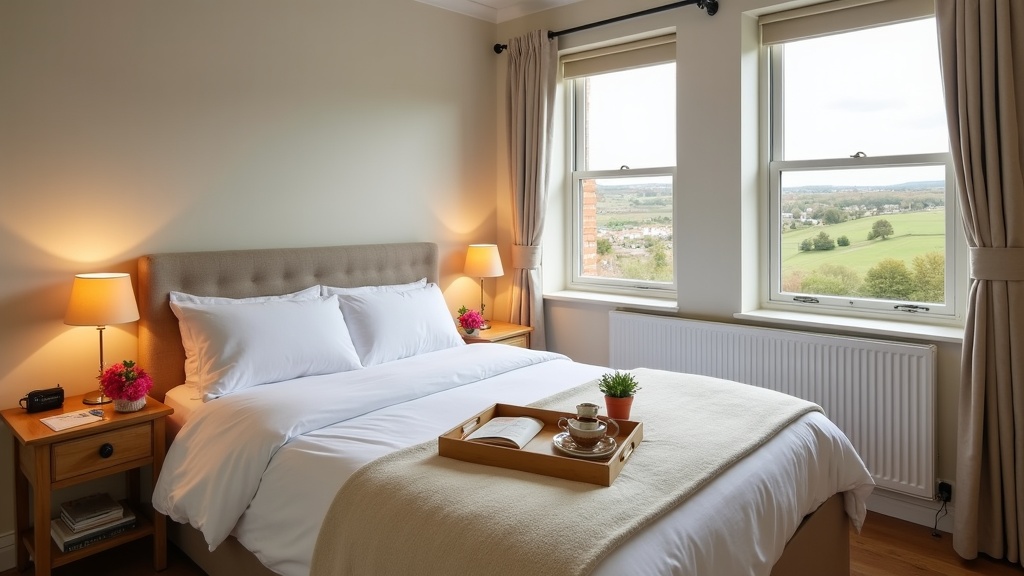
Major local events can transform weekend pricing opportunities, with some hosts achieving 200-400% uplifts during peak demand periods like festivals, sporting events, or conferences.
The key to event-based surge pricing lies in advance planning and understanding your area's annual calendar. Edinburgh hosts know to implement extreme uplifts during August festivals. Bath properties prepare for Christmas market premiums. Brighton hosts anticipate Pride weekend demand.
Create an annual events calendar for your area, noting:
- Major festivals and cultural events
- Sporting fixtures (particularly football, rugby, cricket)
- Business conferences and trade shows
- University graduation periods
- School holiday patterns
Event surge pricing should be implemented 60-90 days in advance to capture early bookings whilst leaving flexibility for last-minute adjustments based on actual demand. Monitor competitor pricing during these periods, but remember that unique properties can often command premiums well above market averages.
Competitor Analysis for Weekend Pricing
Understanding how comparable properties structure their weekend rates provides crucial context for your own pricing decisions, though blindly matching competitors often leads to suboptimal results.
Focus your competitive analysis on properties that truly compete for your target guests—similar size, location, and amenities. A luxury city centre apartment shouldn't base weekend pricing on budget studios, regardless of proximity.
Look for patterns in competitor weekend strategies:
- What percentage uplift do similar properties implement?
- Do they include Thursday in weekend pricing?
- How do their rates change for extended weekends (bank holidays)?
- What's their minimum stay policy for weekend bookings?
Rather than matching competitor rates exactly, aim to understand their strategy and identify gaps you might exploit. If most local properties implement modest 15% weekend uplifts, there may be opportunity for a well-positioned property to capture premium demand at higher rates.
Not sure how your pricing compares to local competitors? Get your free Airbnb performance score and see exactly how your weekend rates stack up against similar properties.
Minimum Stay Requirements and Weekend Bookings
Weekend minimum stay policies work hand-in-hand with pricing uplift to maximise revenue whilst reducing turnover costs and management overhead.
Many successful hosts implement 2-night minimum stays for Friday-Saturday bookings, ensuring they capture full weekend demand rather than fragmented single nights. This approach proves particularly effective for properties with higher cleaning fees or those targeting couples' retreat markets.
However, minimum stay requirements need careful calibration. Too restrictive, and you'll lose bookings to more flexible competitors. Too lenient, and you'll face constant turnover without maximising revenue from high-demand periods.
Consider implementing dynamic minimum stays based on demand:
- High season weekends: 3-night minimum (Friday-Sunday)
- Standard weekends: 2-night minimum (any weekend combination)
- Low season: No weekend minimums to maintain occupancy
- Special events: 4-7 night minimums for major festivals
Monitor how minimum stay policies affect your booking lead times and guest satisfaction. Extended stays often result in better reviews and lower per-night costs, but shouldn't be pursued at the expense of overall occupancy rates.
Our comprehensive guide to Airbnb minimum night stay strategy provides detailed frameworks for balancing occupancy and revenue optimisation.
Technology and Automation for Weekend Pricing
Manual weekend rate adjustments become unsustainable as your hosting business grows, making pricing automation tools increasingly essential for consistent revenue optimisation.
Airbnb's built-in Smart Pricing attempts to handle weekend uplifts automatically, but many hosts find it too conservative for maximising revenue. The algorithm tends to prioritise occupancy over rate optimisation, often leaving money on the table during high-demand periods.
Third-party pricing tools offer more sophisticated weekend pricing strategies, with options to set custom uplift percentages, seasonal adjustments, and event-based surge pricing. However, these tools require ongoing monitoring to ensure they align with your specific market conditions and revenue goals.
Whether using automated tools or manual adjustments, establish regular pricing review routines:
- Weekly: Review upcoming weekend rates and adjust for known events
- Monthly: Analyse weekend performance versus weekday metrics
- Quarterly: Assess seasonal patterns and adjust baseline uplifts
- Annually: Comprehensive review of weekend strategy effectiveness
Common Weekend Pricing Mistakes to Avoid
Even experienced hosts fall into predictable traps when implementing weekend pricing strategies, often costing themselves significant revenue through well-intentioned but counterproductive decisions.
The most common mistake involves applying weekend uplifts uniformly across all dates without considering local demand patterns. A 30% weekend uplift might work perfectly in July but destroy occupancy in February when overall demand softens.
Another frequent error is setting weekend rates too aggressively from the start, then panicking and dropping to below-market rates when bookings slow. Weekend pricing requires patience—guests often book 2-4 weeks in advance for leisure travel, longer than typical business bookings.
Key mistakes to avoid:
- Ignoring competitor pricing: Setting rates in isolation without market context
- Inconsistent weekend definitions: Randomly including/excluding Thursday or Sunday
- Neglecting cleaning fee impact: High weekend rates can make cleaning fees seem excessive
- Poor calendar management: Last-minute rate changes that confuse potential guests
- Overlooking reviews: Guest feedback about value for money during weekend stays
Remember that weekend pricing is just one component of overall revenue optimisation. Cleaning fee strategy, as detailed in our Airbnb cleaning fee guide, must align with your weekend rate structure to maintain competitive total costs.
Measuring Weekend Pricing Success
Effective weekend pricing strategy requires ongoing measurement and adjustment based on concrete performance metrics rather than gut feelings or anecdotal evidence.
Track these key performance indicators monthly:
- Weekend occupancy rate: Should remain within 10-15% of weekday occupancy
- Average Daily Rate (ADR) differential: Actual premium achieved versus target uplift
- Revenue per Available Room (RevPAR): Combined impact of rates and occupancy
- Booking lead time: How far in advance weekend bookings occur
- Guest satisfaction scores: Value perception during premium rate periods
Pay particular attention to guest reviews during weekend stays. Comments about value for money or pricing concerns indicate your uplifts may be too aggressive for the experience provided. Conversely, enthusiastic reviews about weekend getaway experiences suggest room for rate increases.
Want a professional assessment of your current pricing strategy? LetGrow analyses your pricing, occupancy patterns, and competitor positioning for free, providing specific recommendations to optimise your weekend rate structure.
Advanced Weekend Pricing Strategies
Sophisticated hosts implement nuanced weekend pricing approaches that go beyond simple percentage uplifts, considering guest journey, booking behaviour, and total revenue optimisation.
Last-minute premium pricing can capture spontaneous weekend demand, with rates increasing 25-50% for bookings made within 48 hours. This strategy works particularly well in urban areas where locals seek impromptu staycations or business travellers extend trips.
Conversely, early booking discounts for weekend stays (bookings made 30+ days in advance) can improve cash flow whilst securing occupancy during peak periods. The key is balancing advance commitment against potential revenue from higher last-minute rates.
Consider implementing tiered weekend pricing:
- Super peak weekends: 50%+ uplift (bank holidays, special events)
- Peak weekends: 30-40% uplift (high season, good weather)
- Standard weekends: 20-25% uplift (regular demand periods)
- Value weekends: 10-15% uplift (shoulder season, poor weather)
This approach requires more active management but allows for precise revenue optimisation based on specific demand conditions rather than blanket uplift percentages.
Frequently Asked Questions
Should I charge more for Friday or Saturday night?
Saturday nights typically command the highest rates as they're the peak of weekend leisure demand. However, both Friday and Saturday should generally carry similar uplifts, with Sunday potentially at a slight discount to encourage longer stays.
How far in advance should I set weekend pricing?
Set weekend rates at least 60-90 days in advance to capture early booking demand. Most leisure travellers plan weekend getaways 2-6 weeks ahead, so having competitive rates visible early is crucial for securing bookings.
What if my weekend bookings drop after implementing uplift pricing?
Monitor performance for 4-6 weeks before making adjustments, as booking patterns take time to establish. If weekend occupancy falls more than 20% below weekday levels, consider reducing uplifts by 5-10% increments until you find the optimal balance.
Should weekend pricing be the same year-round?
No, weekend uplifts should adjust seasonally. Summer months typically support higher weekend premiums (30-50%) whilst winter may require more modest uplifts (15-25%) to maintain competitive positioning.
How do I handle bank holidays and long weekends?
Extended weekends often justify higher uplifts (40-60%) and longer minimum stays (3-4 nights). Monitor competitor pricing closely during bank holidays as demand patterns can shift significantly from regular weekends.
Is it worth implementing weekend pricing for properties under £50 per night?
Yes, even budget properties benefit from weekend uplifts, though percentages should be modest (10-20%) to maintain affordability positioning. Focus on occupancy rates rather than aggressive rate increases for lower-priced properties.
Weekend pricing represents one of the most accessible opportunities for UK Airbnb hosts to increase revenue without additional investment or operational complexity. The key lies in understanding your local market dynamics, guest behaviour patterns, and maintaining flexibility as conditions change throughout the year.
Start with conservative uplifts and gradually optimise based on actual booking performance rather than assumptions. Remember that successful weekend pricing strategy combines rate optimisation with excellent guest experience—premium rates must deliver premium value to maintain long-term success.
Ready to see how your current weekend pricing strategy measures up against local competitors? Get your free Airbnb performance score at LetGrow and discover specific opportunities to optimise your revenue.