
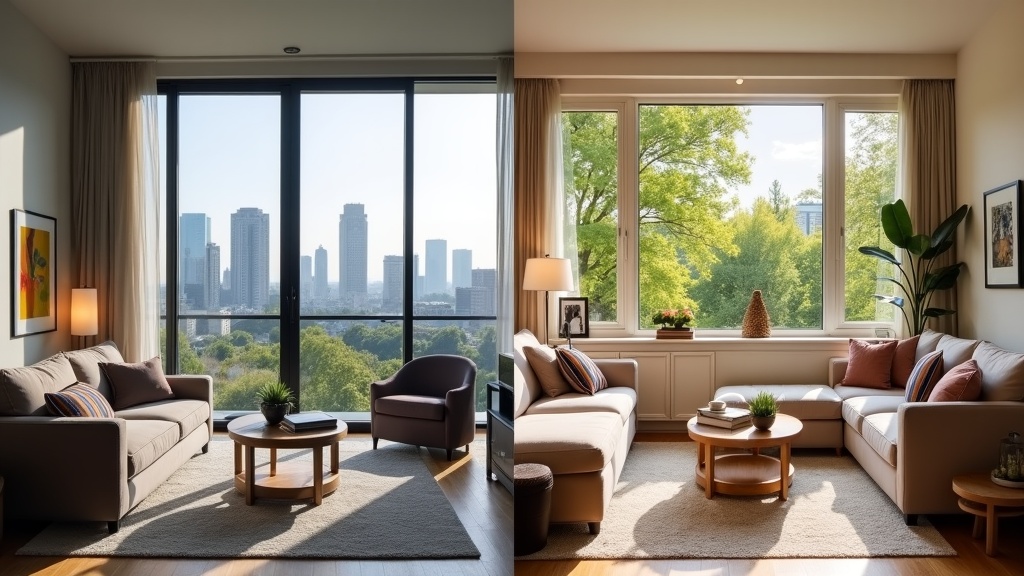
When choosing between an apartment or house for your Airbnb venture, understanding the Airbnb apartment vs house earnings potential is crucial for maximising your investment returns. Both property types offer distinct advantages and challenges, from initial setup costs to ongoing revenue streams. This comprehensive analysis will help you make an informed decision based on real market data and proven hosting strategies.
Which Property Type Earns More on Airbnb: Apartments vs Houses?
Houses generally earn 20-40% more than apartments in the same location, primarily due to higher guest capacity and premium pricing for space and privacy. However, apartments often deliver better return on investment due to lower purchase prices and maintenance costs.
The earnings gap varies significantly by location and target market. In city centres, well-positioned apartments can compete closely with houses, especially for business travellers and couples. Suburban and rural areas typically favour houses, where guests specifically seek space, gardens, and family-friendly amenities.
Recent data from major UK cities shows houses averaging £120-180 per night compared to £65-110 for apartments, but apartments achieve 65-75% occupancy rates versus 55-65% for houses. The key lies in understanding your local market dynamics and guest preferences.
What Are the Key Advantages of Renting an Apartment on Airbnb?

Apartments excel in urban markets with strong business travel demand, offering lower entry costs, easier maintenance, and often superior locations near transport links and city attractions.
Lower Initial Investment and Running Costs
Apartments typically require 30-50% less initial capital than houses in the same area. Furnishing an Airbnb apartment costs £3,000-8,000 compared to £8,000-15,000+ for a house. Ongoing maintenance, utilities, and cleaning expenses are proportionally lower, improving your profit margins.
Prime Urban Locations
City-centre apartments often occupy premium locations that would be prohibitively expensive for houses. Being within walking distance of business districts, universities, and transport hubs commands higher nightly rates and attracts consistent business travel bookings.
Simplified Management
Apartment hosting involves fewer variables—no garden maintenance, external repairs, or complex heating systems. This makes self-management more feasible for new hosts and reduces the risk of unexpected maintenance costs disrupting your cash flow.
Better Security and Guest Peace of Mind
Purpose-built apartment blocks often provide enhanced security features like entry systems, CCTV, and concierge services. These amenities particularly appeal to solo travellers and business guests, helping justify premium pricing.
What Are the Key Advantages of Renting a House on Airbnb?
Houses command higher absolute revenues through increased capacity, family appeal, and the ability to charge premium rates for space, privacy, and unique amenities like gardens and parking.
Higher Guest Capacity and Revenue Potential
A typical 3-4 bedroom house accommodates 6-8 guests compared to 2-4 in most apartments. This dramatically increases revenue potential—charging £25 per person per night for 8 guests versus 4 guests represents a 100% revenue increase from capacity alone.
Family and Group Market Appeal
Houses naturally attract longer stays from families and groups celebrating special occasions. These bookings often include premium periods (weekends, holidays, school breaks) at higher rates. Group bookings also tend to be less price-sensitive than solo business travellers.
Unique Amenities and Competitive Differentiation
Private gardens, parking, multiple bathrooms, and dedicated dining areas create unique selling points that apartments struggle to match. These features justify premium pricing and help your listing stand out in competitive markets.
Flexibility for Different Guest Segments
Houses can accommodate diverse booking types—from couples wanting a romantic getaway to large families requiring multiple bedrooms. This flexibility provides more revenue opportunities and reduces dependence on any single guest segment.
How Do Operating Costs Compare Between Apartment and House Airbnb Rentals?
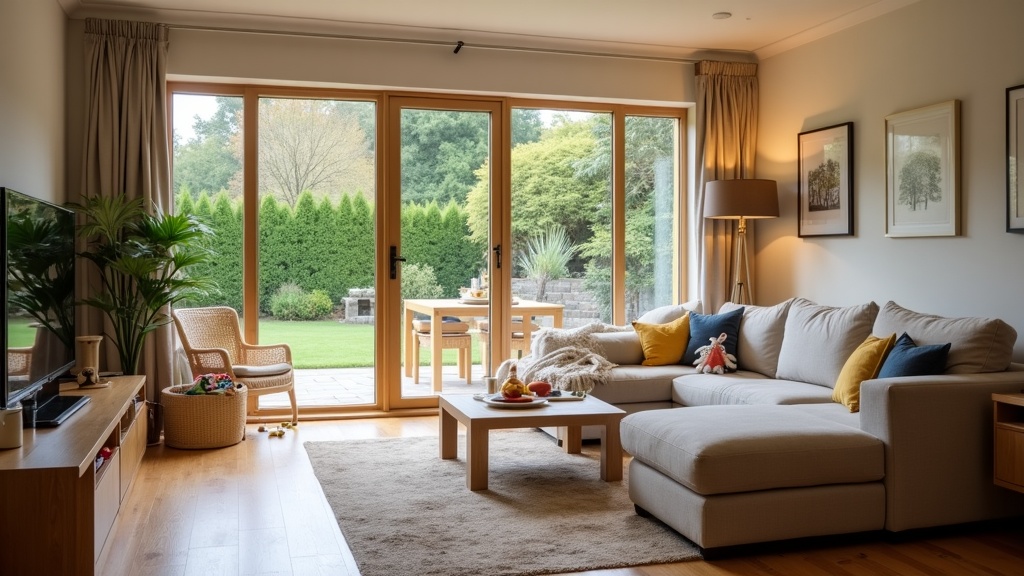
Houses typically cost 60-80% more to operate than apartments, with higher utilities, maintenance, cleaning, and insurance expenses that must be factored into profitability calculations.
Utilities and Energy Costs
Houses consume significantly more energy for heating, lighting, and hot water. A typical 3-bedroom house might cost £150-250 monthly for utilities versus £80-130 for a 2-bedroom apartment. Smart thermostats and energy-efficient appliances help, but the baseline cost remains substantially higher.
Maintenance and Repairs
Houses require ongoing maintenance of gardens, driveways, roofing, and external features. Budget £100-200 monthly for routine maintenance versus £30-80 for apartments where building management handles most structural issues. Emergency repairs (boiler failures, roof leaks) can also be more costly and disruptive.
Cleaning and Changeover Costs
Professional cleaning for a 3-bedroom house costs £60-100 per changeover compared to £35-60 for a 2-bedroom apartment. With frequent bookings, this difference significantly impacts profitability. Houses also require more time for property checks and maintenance between guests.
Insurance Premiums
Specialist short-term rental insurance for houses costs 20-40% more than apartment coverage due to higher property values and increased risk factors like gardens, outbuildings, and street-facing exposure.
Which Property Type Offers Better Return on Investment?
Apartments often deliver superior ROI percentages due to lower initial investment, despite houses generating higher absolute revenues. The optimal choice depends on your capital availability and investment goals.
Consider a practical example: a £200,000 apartment generating £18,000 annual net profit (9% ROI) versus a £350,000 house generating £25,000 annual net profit (7.1% ROI). The apartment requires less capital and delivers better percentage returns, though the house provides higher absolute income.
LetGrow's free listing analysis can help you understand the revenue potential of properties you're considering, comparing local market performance across different property types.
Capital Efficiency Considerations
Apartments enable portfolio diversification with the same capital investment. Instead of one £350,000 house, you might acquire two £175,000 apartments in different locations, spreading risk and potentially increasing total returns through market diversification.
Cash Flow and Financing
Lower apartment purchase prices often mean smaller mortgage payments and better cash flow from day one. This improved cash flow provides financial cushioning during low-occupancy periods and funds for reinvestment or portfolio expansion.
How Does Location Impact Apartment vs House Earnings?
Location dramatically influences which property type performs better, with urban centres favouring apartments and suburban/rural areas benefiting houses through space premiums and family market appeal.
City Centre Performance
In cities like Manchester, Edinburgh, or Bath, well-positioned apartments often outperform suburban houses due to proximity to business districts, universities, and tourist attractions. Starting an Airbnb in Manchester demonstrates how location-specific strategies can maximise apartment profitability in urban markets.
City apartments benefit from consistent weekday business travel demand, offsetting the weekend leisure market where houses typically excel. This creates more stable year-round occupancy patterns.
Suburban and Rural Markets
Outside major city centres, houses generally command significant premiums. Guests specifically seek space, parking, gardens, and family-friendly environments that apartments cannot provide. The price differential becomes more pronounced as you move away from urban cores.
Tourist Destination Considerations
Popular tourist areas like the Cotswolds, Lake District, or coastal regions heavily favour houses. Families and groups visiting these destinations prioritise space, parking, and outdoor amenities over urban convenience factors.
What Guest Demographics Prefer Each Property Type?
Understanding your target guest demographics is crucial for property type selection, as business travellers typically favour apartments while families and groups prefer houses.
Apartment Guest Profiles
- Business travellers: Value location convenience and modern amenities over space
- City break couples: Prefer central locations near restaurants and attractions
- Solo travellers: Appreciate security and manageable space
- Short-term visitors: Prioritise proximity to transport links and city centres
House Guest Profiles
- Family groups: Need multiple bedrooms and family-friendly amenities
- Celebration parties: Want space for gatherings and group activities
- Extended stay guests: Appreciate space, gardens, and home-like environments
- Pet owners: Require gardens and pet-friendly outdoor space
Aligning your property choice with dominant local guest demographics significantly impacts occupancy rates and pricing power. Understanding why guests choose Airbnb over hotels can inform this decision.
How Should Pricing Strategy Differ Between Apartments and Houses?
Houses require more dynamic pricing strategies reflecting their higher capacity and weekend appeal, while apartments benefit from consistent weekday premiums targeting business travellers.
Apartment Pricing Strategies
Apartments should maximise weekday business travel rates while remaining competitive for weekend leisure bookings. Consider offering weekly discounts to attract longer business stays and monthly rates for corporate relocations or extended projects.
Price per guest should be higher for apartments to compensate for lower total capacity. A 2-guest apartment might charge £80 (£40 per person) while competing effectively against a 6-guest house at £180 (£30 per person).
House Pricing Strategies
Houses should implement strong weekend premiums reflecting family and group demand patterns. Consider seasonal adjustments for school holidays and local events that drive family travel.
Capacity-based pricing becomes crucial—ensure your per-person rate reflects the premium guests pay for space and privacy. Houses can often command £25-35 per person per night in good markets.
Not sure how your pricing compares to local competition? Get your free Airbnb performance score and see exactly how your rates stack up against similar properties in your area.
Which Property Type Is Better for New Hosts?
Apartments generally suit new hosts better due to lower complexity, reduced maintenance requirements, and smaller initial investments that limit financial risk while learning hosting fundamentals.
Starting with an apartment allows you to master essential hosting skills—guest communication, pricing optimisation, and service delivery—without the added complexity of garden maintenance, multiple bathrooms, and extensive property management.
The lower financial commitment also provides breathing room for mistakes and learning. Losing a week's bookings due to maintenance issues costs less with a £80-per-night apartment than a £180-per-night house.
Setting up your first Airbnb listing becomes more manageable with fewer rooms to photograph, describe, and furnish to professional standards.
Scaling Considerations
Starting with apartments enables easier portfolio scaling. Once you've mastered apartment hosting, you can either expand to more apartments or upgrade to houses with proven experience and cash flow.
Many successful hosts begin with one apartment, reinvest profits into additional apartments, then eventually acquire houses once they have established systems and local market expertise.
Making the Right Choice for Your Situation
The apartment vs house decision ultimately depends on your capital availability, local market conditions, target guest demographics, and personal management preferences. Both property types can deliver excellent returns when aligned with market demand and managed professionally.
Consider starting with detailed local market research, analysing competitor performance, and understanding your area's primary guest segments. Effective guest communication and professional listing optimisation matter more than property type for long-term success.
For comprehensive guidance on launching your Airbnb venture, explore our complete step-by-step guide to starting an Airbnb in the UK, covering everything from property selection to ongoing optimisation.
Ready to analyse your potential property's performance? LetGrow's free assessment provides detailed insights into local market conditions, helping you make data-driven property investment decisions.