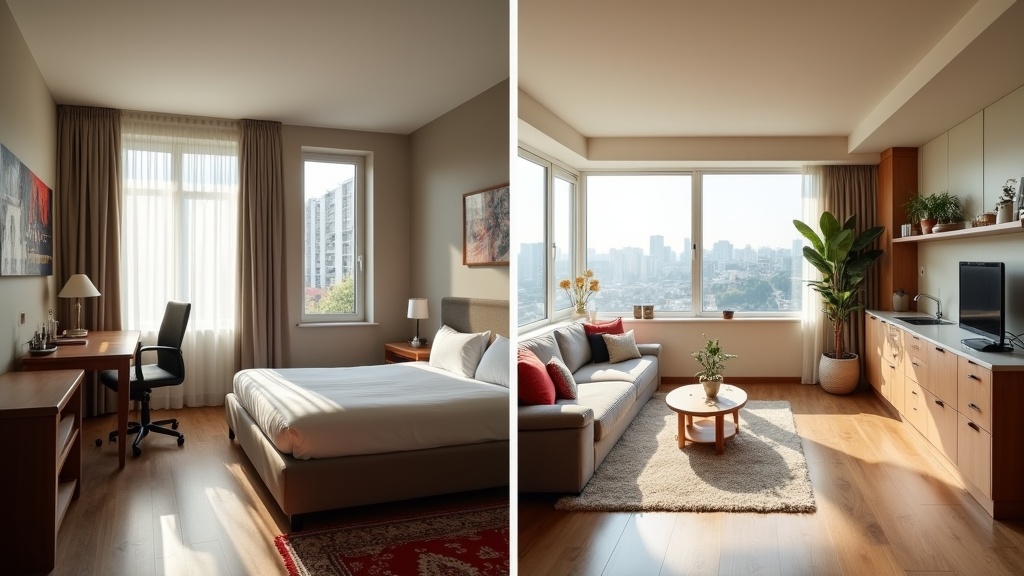
Understanding why guests choose Airbnb over hotels is crucial for any host looking to succeed in the UK's competitive short-term rental market. With over 50% of UK leisure travellers now considering Airbnb as their first choice for accommodation, the traditional hotel industry is facing a fundamental shift in guest expectations. The key drivers behind this preference—space, authentic experiences, value for money, and the freedom of self-catering—reveal exactly what today's travellers value most.
What Are the Main Reasons Guests Choose Airbnb Over Hotels?
Research shows that guests primarily choose Airbnb for four key reasons: more space and privacy, authentic local experiences, better value for groups or extended stays, and the convenience of self-catering facilities.
The most compelling advantage Airbnb offers is space and privacy. A typical London hotel room measures just 15-20 square metres, whilst even a modest one-bedroom Airbnb flat provides 40-50 square metres of living space. Guests can spread out, store their belongings properly, and enjoy separate areas for sleeping, relaxing, and dining—luxuries that cramped hotel rooms simply cannot match.
Value perception plays an equally important role, particularly for groups and families. A family of four staying in central Edinburgh might pay £300-400 per night for two hotel rooms, whilst a three-bedroom Airbnb apartment could cost £200-250 for the entire group. When you factor in the money saved on restaurant meals thanks to kitchen facilities, the financial advantage becomes even more pronounced.
The desire for authentic experiences has fundamentally changed how people travel. Modern guests want to "live like a local" rather than stay in sterile, identical hotel chains. A Victorian terrace in Bath or a converted warehouse flat in Manchester offers character and authenticity that even boutique hotels struggle to replicate.
Finally, self-catering flexibility has become increasingly important, especially post-pandemic. Guests value the ability to prepare their own meals, control their dining schedules, and accommodate dietary restrictions without relying on room service or restaurant hours.
How Does Self-Catering Appeal to Modern Travellers?
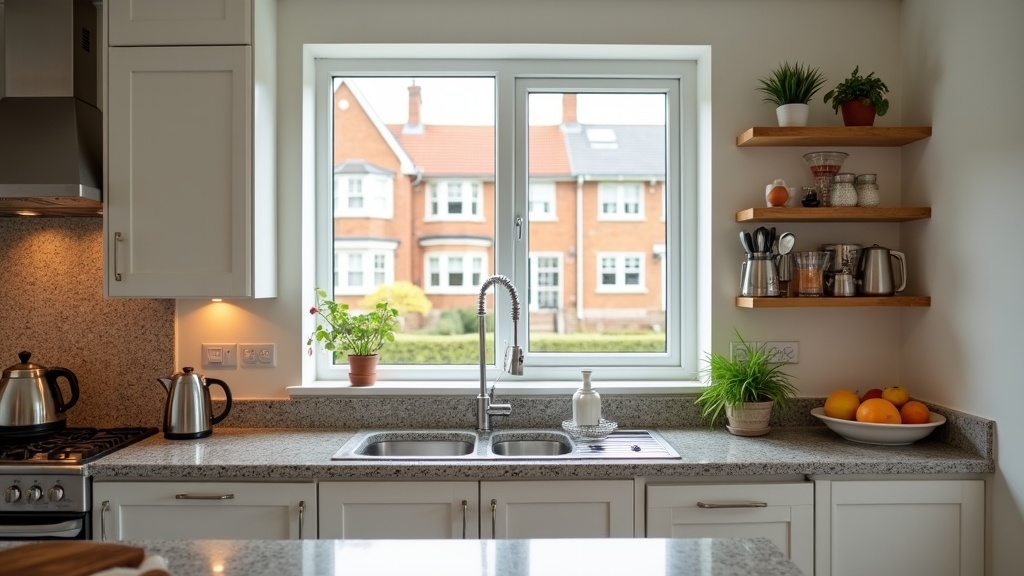
Self-catering facilities address practical needs whilst offering psychological benefits that traditional hotels cannot match, including dietary control, cost savings, and the comfort of familiar routines.
The practical advantages are immediately apparent. Business travellers can prepare quick breakfasts before early meetings, families can accommodate children's meal schedules, and health-conscious guests can maintain their dietary preferences. A recent survey by VisitBritain found that 67% of international visitors to the UK valued having kitchen facilities during their stay.
Cost considerations make self-catering particularly attractive for longer stays. Restaurant meals in tourist areas can easily cost £25-35 per person per meal. A family spending a week in the Cotswolds could save £300-500 by shopping at local markets and preparing some meals themselves—money that can be spent on experiences instead.
The psychological comfort of familiar routines shouldn't be underestimated. Making morning coffee in your own space, storing leftovers in a proper fridge, or preparing a late-night snack provides a sense of home that hotel living lacks. This is particularly valuable for guests with young children, dietary restrictions, or those staying for business purposes.
Cultural exploration through food has also become a major draw. Guests enjoy visiting local markets, trying regional ingredients, and experimenting with British specialties in the comfort of their temporary home. A well-equipped kitchen becomes a gateway to authentic cultural experiences.
What Competitive Advantages Do Airbnb Properties Have Over Chain Hotels?
Airbnb properties excel in personalisation, local character, flexible check-in, unique amenities, and value proposition—areas where standardised hotels cannot compete effectively.
Personalisation and character represent Airbnb's strongest competitive advantage. Whilst Premier Inn or Travelodge rooms are virtually identical nationwide, each Airbnb property tells a unique story. A converted Georgian townhouse in Edinburgh's New Town, a modern canal-side apartment in Birmingham, or a traditional cottage in the Peak District offers character that corporate hotels cannot replicate.
Flexible policies give Airbnb hosts significant competitive leverage. Hotels typically enforce strict check-in windows, charge hefty fees for early arrivals or late departures, and offer little flexibility around guest needs. Airbnb hosts can accommodate flight delays, provide early check-ins for long-haul travellers, or extend checkout times for special circumstances.
Unique amenities allow creative hosts to differentiate their offerings dramatically. Private gardens, dedicated workspaces, games rooms, hot tubs, parking spaces, or pet-friendly policies can command premium rates whilst attracting specific guest segments that hotels struggle to serve.
The local knowledge advantage cannot be overstated. Hotel concierges provide generic tourist recommendations, but knowledgeable Airbnb hosts share insider tips about hidden gems, local events, and authentic experiences that guidebooks miss. This personal touch creates memorable stays and drives positive reviews.
If you'd like an expert assessment of how well your listing capitalises on these advantages, LetGrow's free listing score analyses your competitive position and identifies specific opportunities to stand out from both hotel and Airbnb competition.
How Can Airbnb Hosts Compete Effectively Against Hotels?
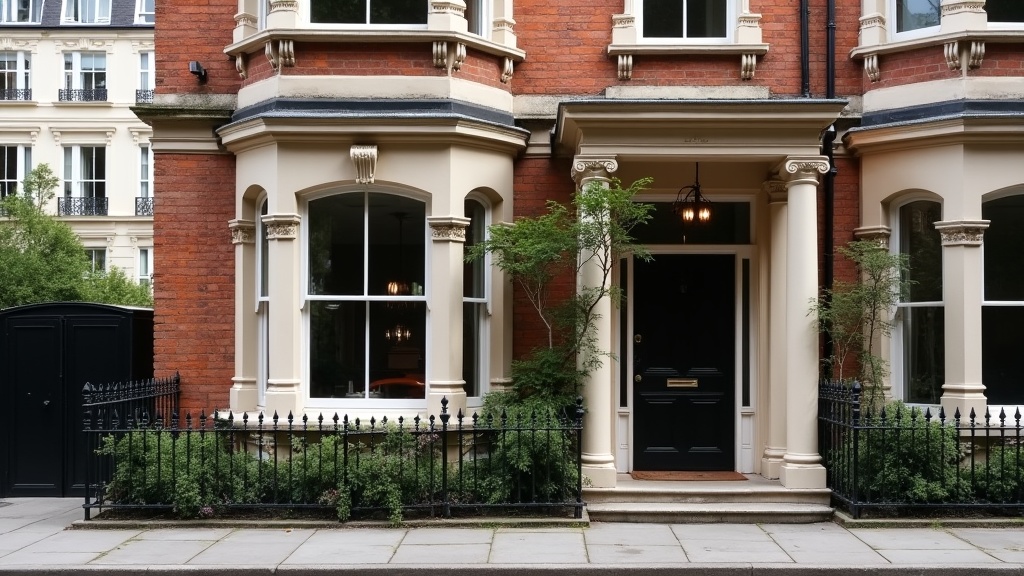
Successful competition requires excelling in areas where hotels are weakest: personalised service, local authenticity, flexible policies, unique experiences, and superior value propositions for specific guest segments.
Superior guest experience starts with understanding your guests' specific needs and exceeding their expectations. Whilst hotels offer standardised service, you can provide personalised touches: welcome hampers featuring local produce, detailed neighbourhood guides with your personal recommendations, or flexible arrangements that accommodate individual requirements.
Strategic amenity selection allows you to target underserved market segments. Fast Wi-Fi and dedicated workspaces attract business travellers tired of cramped hotel desks. Family-friendly amenities like high chairs, travel cots, and safety equipment appeal to parents who find hotels impractical. Pet-friendly policies capture a growing market segment that most hotels ignore entirely.
Successful hosts understand the importance of professional presentation. Your listing photos, descriptions, and guest communications should match or exceed hotel standards for professionalism whilst maintaining the personal touch that makes Airbnb special. Creating an outstanding first listing requires attention to these details from the outset.
Pricing strategy becomes crucial for competing with hotels effectively. You need to understand your local hotel pricing, identify periods when hotels are overpriced or fully booked, and position your property as either better value or premium alternative depending on your positioning.
Review management requires consistent excellence since guests compare Airbnb reviews directly with hotel ratings on booking platforms. Earning consistent 5-star reviews through exceptional service becomes your most powerful competitive weapon against established hotel brands.
Location-specific strategies can be particularly effective. In cities like Manchester, understanding the local market dynamics helps hosts compete more effectively by focusing on what hotels in the area cannot offer. Tailoring your approach to local conditions often reveals opportunities that generic hotel chains miss entirely.
What Amenities and Services Do Guests Expect From Self-Catering Properties?
Modern guests expect comprehensive kitchen facilities, reliable Wi-Fi, comfortable workspaces, quality linens, local recommendations, and seamless communication—essentially combining hotel-quality basics with home-like functionality.
Essential kitchen equipment goes beyond basic appliances. Guests expect full-sized fridges, decent hob and oven facilities, microwaves, kettles, toasters, and sufficient cookware for their group size. Coffee-making facilities have become particularly important—even a simple cafetière can satisfy this requirement and allow you to appear in filtered searches for coffee facilities.
Quality fundamentals must match hotel standards. Professional-grade Wi-Fi, hotel-quality linens, sufficient towels, effective heating and cooling, and reliable hot water are non-negotiable basics. These aren't differentiators—they're minimum requirements for competing with mid-range hotels.
Modern convenience features include smart TVs with streaming capabilities, USB charging points, good lighting for work and relaxation, adequate storage space, and full-length mirrors. Understanding which amenities guests truly value helps prioritise your investments for maximum impact.
Local information and services provide competitive advantage over impersonal hotel stays. Detailed welcome books, local transportation information, restaurant recommendations, emergency contacts, and insights about neighbourhood events create value that chain hotels cannot match.
Communication excellence has become a key differentiator. Guests expect prompt responses, clear instructions, and helpful assistance when needed. Professional communication templates help maintain consistency whilst saving time on routine interactions.
Not sure how you compare? Get your free Airbnb performance score and see how your amenities and services stack up against local competitors and nearby hotels.
How Should Hosts Position Their Properties Against Local Hotels?
Effective positioning requires analysing local hotel offerings, identifying gaps in their service or value proposition, and emphasising your unique advantages through targeted messaging and strategic pricing.
Competitive analysis starts with understanding your local hotel landscape. Research nearby hotels' rates, amenities, review complaints, and occupancy patterns. Look for gaps: Do budget hotels lack workspace facilities? Are luxury hotels overpriced for families? Do business hotels have poor weekend availability?
Value proposition clarity becomes crucial for effective positioning. Rather than trying to compete on every front, focus on 2-3 key advantages where you clearly outperform local hotels. This might be space and privacy for families, authentic local character for leisure travellers, or flexible policies for business guests.
Targeted messaging in your listing should directly address hotel limitations. If local hotels charge £15 for breakfast, emphasise your "fully equipped kitchen with complimentary welcome basket featuring local specialties". If hotels have expensive parking, highlight "free private parking space included".
Strategic pricing requires understanding hotel rate patterns and positioning accordingly. Price competitively when hotels are expensive, and emphasise value-adds when hotels offer lower rates. Remember that guests often compare your entire property cost against individual hotel rooms—a significant advantage for group bookings.
Seasonal positioning can be particularly effective. Hotels often raise rates during peak periods or local events—perfect opportunities to offer competitive alternatives. Conversely, hotel deals during quiet periods require you to emphasise non-price advantages like space, character, or amenities.
What Role Does Local Experience Play in Guest Choice?
Local authenticity has become a primary driver of accommodation choice, with 73% of UK visitors preferring stays that offer genuine local character and insider knowledge over generic hotel experiences.
Neighbourhood authenticity represents a fundamental shift in travel preferences. Guests actively seek properties that reflect local architectural character, interior design traditions, and cultural identity. A Victorian conversion in York, a Georgian terrace in Bath, or a converted warehouse in Liverpool offers authenticity that identical hotel chains cannot replicate.
Insider knowledge provides immense value that hotel concierges struggle to match. Your personal recommendations for the best local bakery, hidden walking routes, seasonal farmers' markets, or upcoming neighbourhood events create memorable experiences that guests treasure and mention in reviews.
Cultural immersion opportunities allow guests to "live like locals" rather than tourists. Staying in residential neighbourhoods, shopping at local markets, and discovering authentic pubs or cafes away from tourist areas provides experiences that hotel districts cannot offer.
Flexible exploration becomes possible when guests have a local base with kitchen facilities and proper living space. They can purchase local specialties, try regional ingredients, and maintain comfortable routines whilst exploring—luxuries that hotel stays restrict.
Community connection often develops naturally in residential areas where Airbnb properties are typically located. Guests may interact with neighbours, discover local events, or stumble upon authentic experiences that hotel tourist districts lack entirely.
Frequently Asked Questions
Why do families prefer Airbnb over hotels?
Families choose Airbnb for space, kitchen facilities, cost savings on multiple rooms, and child-friendly amenities like high chairs and travel cots that most hotels don't provide.
How much can guests save by choosing Airbnb with kitchen facilities?
Families typically save £200-400 per week on restaurant meals by using kitchen facilities, particularly in tourist areas where dining out costs £25-35 per person per meal.
What's the main advantage of Airbnb for business travellers?
Business travellers value dedicated workspaces, reliable Wi-Fi, flexible check-in times, and the ability to prepare quick meals around meeting schedules—conveniences that cramped hotel rooms often can't provide.
Do Airbnb properties really offer better value than hotels?
For groups, families, and longer stays, Airbnb often provides significantly better value through more space, kitchen facilities, and competitive pricing per person compared to multiple hotel rooms.
How important are local recommendations from Airbnb hosts?
83% of guests value personalised local recommendations, with many citing insider tips about restaurants, attractions, and hidden gems as highlights of their Airbnb experience over generic hotel concierge advice.
What makes Airbnb properties feel more authentic than hotels?
Airbnb properties offer unique character, local architectural features, residential neighbourhood locations, and personalised touches that reflect the local culture rather than standardised corporate branding.
Understanding why guests choose Airbnb over hotels provides the foundation for creating compelling properties that stand out in the UK market. By focusing on space, authenticity, flexibility, and local character—areas where hotels cannot compete—successful hosts build sustainable competitive advantages that drive bookings and positive reviews. Ready to see how your listing measures up? Get your free score at LetGrow and discover specific opportunities to outperform local hotel competition.