Why Most Hosts Leave Money on the Table with Amenity Selection
You've bought the Egyptian cotton bedding. You've installed the smart lock. You've even splurged on that fancy coffee machine. But your Airbnb is still pulling the same nightly rate as the flat down the road with Ikea furniture and instant coffee.
The problem isn't what you're buying — it's what you're communicating. Premium amenities only justify higher rates when guests can find them, understand them, and see them as solving a real problem. The gap between 'nice-to-have' and 'worth-paying-extra-for' is where most hosts lose revenue.
Airbnb amenity upselling isn't about stuffing your property with gadgets. It's about strategic investment in features that genuinely shift guest perception and allow you to compete in a higher pricing tier. This guide shows you exactly which amenities deliver measurable returns, how to select them for your specific guest profile, and how to position them so they actually justify premium pricing in the UK market.
What Is Airbnb Amenity Upselling and Why Does It Matter?
Amenity upselling is the practice of strategically adding high-value features to your property that allow you to justify higher nightly rates and attract guests with larger budgets. Unlike random upgrades, effective upselling targets amenities that appear in guest search filters, solve common pain points, and create a tangible quality gap between your listing and comparable properties.
The revenue impact is significant. A listing with all the standard amenities ticked can charge 15-25% more than an identical property missing just three or four high-demand features. But here's the catch: the amenity has to be selectable in Airbnb's system and visible in search results. Beautiful toiletries and a welcome hamper might delight guests, but they don't help you get booked in the first place because they don't appear in filters.
This is where most hosts go wrong. They invest in guest experience upgrades that improve reviews but don't move the revenue needle, whilst ignoring the unsexy backend work — ticking the right boxes, rewriting descriptions to highlight premium features, and positioning those amenities in search-friendly language. If you'd like an expert assessment of where your listing stands and which amenities could genuinely shift your pricing power, LetGrow's free listing score analyses your current setup and shows you exactly where the revenue gaps are.
The 3 Tiers of Airbnb Amenities (and Which Tier Actually Justifies Premium Pricing)
Not all amenities are created equal. Understanding the hierarchy helps you invest strategically rather than randomly.
Tier 1: Table Stakes (Expected, Not Premium)
These are non-negotiable basics. Guests expect them at every price point, so having them won't justify a higher rate — but not having them will actively suppress your bookings and pricing power.
- WiFi (fast and reliable)
- Fresh towels and bed linen
- Basic kitchen equipment (kettle, microwave, fridge)
- Heating and hot water
- Smoke and carbon monoxide alarms
- Clean, functional bathroom
Revenue impact: Zero upside, significant downside if missing. Think of these as the cost of entry.
Tier 2: Comfort Upgrades (Nice to Have, Modest Premium)
These improve the guest experience and can justify a 5-10% rate increase if communicated well. They differentiate you from budget listings but won't put you in the luxury bracket.
- Washing machine (especially for longer stays)
- Dishwasher (massive time-saver for families and groups)
- Coffee maker (a £10-£20 cafetière counts — it unlocks the 'Coffee Maker' filter)
- Iron and ironing board
- Hair dryer
- Smart TV with streaming services
- Extra pillows and blankets
Revenue impact: Incremental. You'll attract slightly higher-budget guests and get better reviews, but you're still competing in the mid-market.
Tier 3: Premium Differentiators (High-Value, Justify 15-30%+ Premium)
These are the amenities that genuinely shift your competitive set. They're searched for deliberately, they solve expensive problems, and they allow you to market to a different guest segment entirely.
- Free on-site parking (worth £10-£25/night in city centres)
- Electric vehicle charging
- Air conditioning (rare in the UK, highly sought after in summer)
- Hot tub or sauna (where permitted and practical)
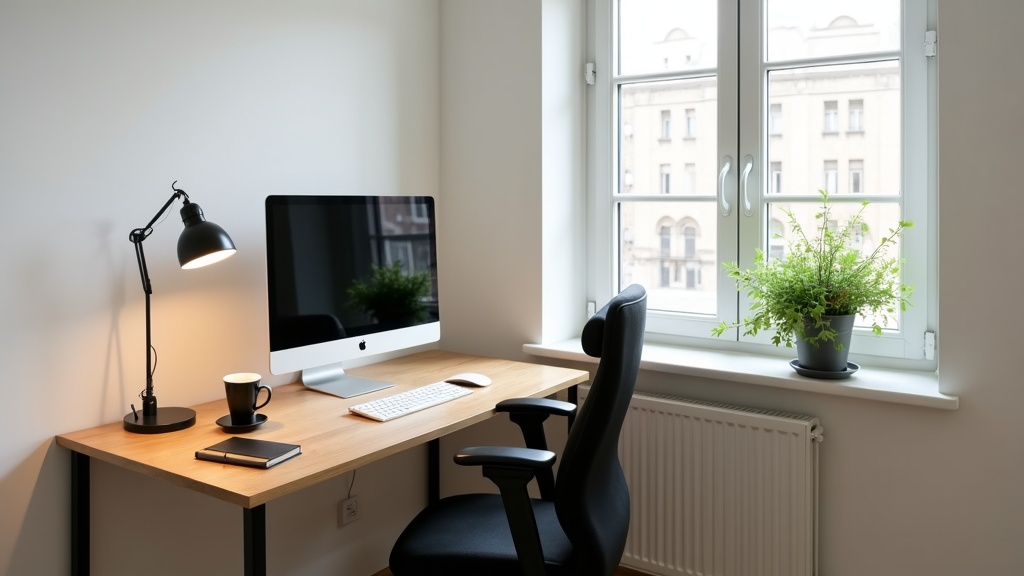
- Dedicated workspace with monitor, desk, and ergonomic chair
- High-speed fibre WiFi (100Mbps+, essential for remote workers)
- Self-check-in with keypad or smart lock (convenience and privacy)
- Garden or private outdoor space (especially post-pandemic)
- Pet-friendly with enclosed outdoor area
- Family-friendly: cot, high chair, stair gates, toys
Revenue impact: Significant. These amenities unlock new search filters, attract higher-spending guest profiles, and create clear competitive separation. A city-centre flat with parking can easily charge £20-£30 more per night than an identical property without it.
For a deeper dive into which specific kitchen amenities deliver the best ROI, see our guide on kitchen equipment that justifies higher prices.
How to Choose Premium Amenities That Actually Deliver ROI
Random upgrades burn money. Strategic upselling pays for itself within weeks. Here's how to identify which premium amenities are worth the investment for your property and guest profile.
1. Analyse Your Target Guest Profile
Who is already booking your property, and who do you want to attract? Business travellers need workspace and fast WiFi. Families need safety features and space. Couples want privacy and ambience. Young professionals want Instagram-worthy interiors and smart home tech.
Action: Review your last 20 bookings. What's the common thread? Length of stay? Group size? Purpose of visit? Then look at your competitor set — who's charging 20-30% more, and what do they offer that you don't?
2. Check What Guests Are Actually Searching For
Airbnb's search filters tell you exactly which amenities matter in your market. Go to your listing's location, set your typical guest count, and look at the filter sidebar. The amenities that appear as filters are the ones driving bookings.
High-demand filters in UK city markets: Parking, WiFi speed, workspace, self-check-in, pet-friendly, washing machine, air conditioning, EV charging.
High-demand in rural/leisure markets: Garden, hot tub, fireplace, BBQ, family-friendly, scenic views, pet-friendly.
If your property doesn't tick the top three filters for your market, you're invisible to a large segment of potential guests — and you're competing on price instead of value.
3. Calculate Payback Period
A premium amenity is only worth it if the incremental revenue covers the cost within a reasonable timeframe (usually 6-12 months for most hosts).
Example: Installing a smart lock costs £150-£300. If it allows you to charge an extra £5/night (self-check-in premium) and you're booked 20 nights/month, that's £100/month additional revenue. Payback in 2-3 months, then pure profit.
Example: Adding a hot tub costs £3,000-£8,000. If it justifies a £30/night premium and you're booked 15 nights/month, that's £450/month. Payback in 7-18 months, plus ongoing maintenance. Only worth it if you're in a leisure market where hot tubs are actively searched for.
Not sure where to focus? Get your free Airbnb performance score and see how your amenities compare to top-performing local listings.
4. Prioritise Amenities That Unlock New Filters
Some upgrades improve the stay but don't change your visibility. Others unlock entirely new guest segments. Always prioritise the latter.
Low visibility impact: Luxury toiletries, welcome basket, coffee grinder, designer furniture, extra towels. Guests love these, but they don't help you get found.
High visibility impact: Adding a workspace unlocks the 'Dedicated Workspace' filter. Adding a £15 cafetière unlocks the 'Coffee Maker' filter. Installing a smart lock unlocks 'Self Check-In'. Making your property pet-friendly unlocks a massive, underserved guest segment.
The best investments do both — they appear in search filters and improve the guest experience once booked.
The Biggest Amenity Upselling Mistakes UK Hosts Make
Mistake 1: Buying the Amenity But Not Listing It
You'd be shocked how many hosts have a dishwasher, workspace, or coffee maker but forget to tick the box in their amenity settings. Airbnb doesn't auto-detect features. If it's not selected, it doesn't exist in search.
Mistake 2: Listing Amenities You Don't Actually Have
The inverse problem. Hosts tick 'workspace' when they mean 'a small table in the corner', or 'parking' when they mean 'paid public parking nearby'. Airbnb has specific definitions. A workspace needs a desk, chair, and good lighting. Parking means a dedicated space on your property or included in the price. Misleading amenity claims lead to bad reviews and refund requests.
Mistake 3: Investing in Amenities That Don't Suit the Property Type
A studio flat doesn't need a cot and high chair. A rural cottage doesn't need a workspace with dual monitors. A city-centre apartment doesn't need a BBQ. Amenities should align with your property's natural use case and location advantages.
Mistake 4: Adding Amenities But Not Highlighting Them in the Description
Ticking the box is step one. Step two is writing the feature into your title and description in search-friendly language. 'Free parking included' in the title performs better than burying it in paragraph six. 'Fast 200Mbps WiFi — perfect for remote work' converts better than 'WiFi available'.
Mistake 5: Ignoring What Your Reviews Are Telling You
If three guests in a row mention 'wish there was a coffee maker' or 'no workspace for my laptop', that's a flashing neon sign. Small investments driven by actual guest feedback always deliver better ROI than guessing.
For a comprehensive checklist of what UK guests are actually searching for in 2026, see our Airbnb amenities checklist.
How to Position Premium Amenities So They Actually Justify Higher Rates
You've invested in the right features. Now you need to communicate them in a way that shifts guest perception and pricing power.
1. Lead with Premium Amenities in Your Title
Your title is prime search real estate. Use it to highlight your top two differentiators.
Weak: 'Cosy 2-Bed Flat in Manchester City Centre'
Strong: 'Central Manchester 2-Bed with Free Parking & Fast WiFi'
The second version immediately signals value to two high-intent guest segments (drivers and remote workers) and justifies browsing your listing even if it's priced higher than competitors.
2. Use the First Paragraph to Reinforce Premium Positioning
Most guests skim the description. The opening 2-3 sentences need to quickly communicate what makes your property worth the premium.
Example: 'This bright, modern apartment offers the rare combination of city-centre convenience and free on-site parking — a lifesaver in Bristol's expensive parking zone. Work comfortably from the dedicated desk with 200Mbps fibre, then unwind on the private balcony overlooking the Harbourside.'
Notice how each sentence ties a feature to a benefit and subtly reinforces value (rare, expensive alternative, specific speed number, private, view).
3. Quantify Where Possible
Vague claims don't justify premium pricing. Specific details do.
Vague: 'Fast WiFi'
Specific: '200Mbps fibre WiFi — tested and perfect for Zoom calls'
Vague: 'Free parking'
Specific: 'Free secure parking (saves £18/night vs nearby car parks)'
Vague: 'Workspace available'
Specific: 'Dedicated workspace with ergonomic chair, 24" monitor, and natural light'
4. Use Photos to Showcase Premium Features
If you've invested in a workspace, hot tub, parking space, or garden, make sure there's a dedicated, well-lit photo of it in your first five images. A feature that's not photographed doesn't exist in the guest's mind.
Pro tip: Caption your photos. Airbnb allows you to add text descriptions to images. Use this to reinforce value: 'Your private parking space — included free' or 'Workspace with 200Mbps fibre and monitor'.
5. Align Your Pricing with Your Amenity Tier
If you've genuinely invested in Tier 3 amenities, you should be pricing in the top 25% of your local market. If you're still pricing at the median, guests will assume there's a catch (hidden fees, bad location, misleading photos) and book elsewhere.
Premium amenities + mid-market pricing = cognitive dissonance and lost bookings.
Not sure where you sit in your market? LetGrow's free performance score compares your pricing, amenities, and occupancy against top local competitors and shows you exactly where you stand.
Premium Amenities by Guest Type: Where to Focus Your Investment
Different guests value different things. Here's how to prioritise upgrades based on your target market.
Business Travellers & Remote Workers
- Dedicated workspace with desk, ergonomic chair, and good lighting
- High-speed WiFi (100Mbps minimum, ideally 200Mbps+)
- External monitor and HDMI cable
- Desk lamp and phone charger
- Self-check-in (they often arrive late)
- Coffee maker and well-stocked kitchen basics
- Blackout curtains for quality sleep
Revenue impact: Business guests book mid-week, fill low-demand periods, and are less price-sensitive. A well-optimised workspace setup can justify a 15-20% weeknight premium.
Families with Young Children
- Travel cot and high chair
- Stair gates and socket covers
- Children's books, toys, and games
- Dishwasher and washing machine (essential for longer stays)
- Garden or outdoor space
- Parking (families rarely use public transport)
- Streaming services with kids' content
Revenue impact: Family-friendly properties are undersupplied in most UK markets. Ticking these boxes opens up a large, loyal guest segment willing to pay 10-15% more for genuine child-friendly features.
Couples & Leisure Guests
- High-quality bed and bedding
- Ensuite bathroom or bath
- Ambient lighting and thoughtful décor
- Coffee maker and nice breakfast essentials
- Balcony, patio, or garden access
- Smart TV with Netflix/streaming
- Local guidebook with romantic restaurant/activity recommendations
Revenue impact: Couples prioritise experience and aesthetics. They're less price-sensitive for weekend breaks and special occasions. Focus on creating an Instagram-worthy, boutique hotel vibe to justify premium weekend rates.
Pet Owners
- Fully enclosed garden or secure outdoor area
- Hard flooring (laminate/tile) rather than carpet
- Dog bowls, treats, and waste bags
- Nearby dog-walking routes highlighted in guidebook
- Clear pet policy (breed, size, number limits)
Revenue impact: Massive. Pet-friendly properties are scarce, and pet owners are desperate for well-equipped options. You can charge 20-30% more and add a pet fee (£20-£50 per stay). Just make sure your insurance and landlord agreement allow it.
For more on how to price premium amenities during peak demand periods, see our guide on premium pricing during festival and event season.
The 7-Step Amenity Audit: Find Your Revenue Gaps
Here's a practical framework to assess your current setup and identify quick wins.
Step 1: List every amenity you currently have (physical tour of your property).
Step 2: Log into your Airbnb listing settings and compare. Tick every box that applies. You'd be surprised how many are missing.
Step 3: Search for your own property as a guest. Which filters does it appear in? Which does it miss?
Step 4: Search for top competitors (same location, property type, higher rates). What amenities do they list that you don't?
Step 5: Read your last 20 reviews. What do guests praise? What do they wish you had?
Step 6: Identify 2-3 high-impact, affordable upgrades you can implement in the next 30 days (e.g. cafetière for £15, smart lock for £200, workspace setup for £150).
Step 7: Update your title, description, and photos to showcase the new features, then adjust your pricing to reflect the added value.
Want a professional eye on your listing to identify exactly where the revenue gaps are? Get your free Airbnb listing score and receive a detailed breakdown of how your amenities, pricing, and positioning compare to top local performers.
Measuring the Impact: How to Know If Your Amenity Upselling Is Working
Premium upgrades should deliver measurable results. Here's what to track.
Leading Indicators (1-4 Weeks)
- Search ranking improvement: Are you appearing higher in search results for key filters?
- Listing views: Has traffic to your listing increased since adding/highlighting new amenities?
- Enquiry quality: Are you attracting higher-value guests (longer stays, less price negotiation)?
Lagging Indicators (4-12 Weeks)
- Booking rate: Are more of your listing views converting to bookings?
- Average nightly rate: Are you successfully holding or increasing your rate without losing occupancy?
- Revenue per available night: The ultimate metric — revenue divided by total available nights.
- Guest reviews: Are guests specifically mentioning and praising the new amenities?
Benchmark: A well-executed amenity upgrade should pay for itself within 6-12 months and deliver ongoing incremental revenue thereafter. If you're not seeing measurable improvement within 8 weeks, either the amenity wasn't high-value for your guest segment, or it's not being communicated effectively in your listing.
Quick Wins: Affordable Premium Amenities You Can Add This Month
Not every upsell requires thousands of pounds. Here are high-ROI upgrades you can implement quickly.
Under £50:
- Cafetière or French press (£10-£20) — unlocks 'Coffee Maker' filter
- Smart plug for lamps (£15) — adds 'Smart Lighting' convenience
- Phone charging cables (Lightning, USB-C, Micro-USB) by the bed (£10)
- Blackout curtains or eye masks (£20-£40)
- Local guidebook (digital via LetGrow's £2.95/month guidebook builder)
- Extra pillows and blankets (£30)
£50-£200:
- Smart lock with keypad (£150-£250) — unlocks 'Self Check-In'
- Basic workspace setup: desk, chair, lamp (£80-£150 second-hand)
- Portable air conditioning unit (£150-£300 for summer premium)
- Washing machine (£200+ second-hand, essential for longer stays)
- Iron, ironing board, steamer (£40-£80)
£200-£500:
- Upgraded WiFi router and mesh system (£200-£400) — delivers genuine 100Mbps+ speeds
- Smart TV with wall mount (£250-£400)
- External monitor for workspace (£120-£250)
- Travel cot, high chair, safety gates bundle (£150-£300)
Notice a pattern? The best ROI upgrades are the ones that unlock a specific search filter or guest segment, not the ones that just look nice.
Frequently Asked Questions
What amenities add the most value to an Airbnb in the UK?
In UK city markets, free parking, self-check-in, fast WiFi, and dedicated workspace deliver the highest revenue impact because they unlock high-intent search filters and solve expensive guest problems. In rural and leisure markets, gardens, hot tubs, pet-friendly features, and family amenities justify the biggest premiums.
How much can I increase my Airbnb price after adding premium amenities?
It depends on the amenity and your market. Adding free parking in a city centre can justify a £15-£30/night increase. A hot tub in a rural cottage can add £30-£50/night. A well-equipped workspace typically supports a 10-15% weeknight premium. The key is ensuring your pricing aligns with your new competitive tier — if you're now offering Tier 3 amenities, you should be pricing in the top 25% locally.
Should I add amenities that aren't on Airbnb's official list?
Thoughtful extras like welcome baskets, premium toiletries, and local recommendations improve guest experience and reviews, but they won't help you get booked because they're not searchable. Prioritise amenities that appear in Airbnb's filter list first, then layer on the nice-to-haves once your core offering is competitive.
How do I know which amenities my guests actually want?
Read your reviews for recurring requests or complaints. Search your own property as a guest and see which filters your competitors are using. Check which amenities appear most frequently in top-performing local listings. If you're seeing patterns (e.g. multiple guests mention lack of parking or workspace), that's your clearest signal for where to invest next.
Can I charge extra for premium amenities like parking or pet access?
Yes. Airbnb allows additional fees for pets, extra guests, and certain services. Parking can be included in your nightly rate (and marketed as 'free parking') or charged separately. Pet fees of £20-£50 per stay are standard in the UK. Just make sure any additional fees are clearly disclosed before booking to avoid disputes.
What's the difference between amenity upselling and listing optimisation?
Amenity upselling is about adding physical features to your property that justify higher rates. Listing optimisation is about ensuring those features (and everything else about your property) are communicated effectively through your title, photos, description, and pricing strategy. You need both. Great amenities with poor presentation won't convert. Perfect presentation of a basic property won't justify premium rates. For a full overview of how these pieces fit together, see our complete UK guide to Airbnb listing optimisation.
Final Thoughts: Premium Amenities Are an Investment, Not an Expense
Most hosts think about amenities as a cost. The best hosts think about them as revenue infrastructure. A £200 smart lock that generates an extra £5/night for three years returns £3,650. A £3,000 hot tub that adds £35/night for 15 nights a month returns £6,300 in year one alone.
The key is strategic selection. Don't buy what sounds impressive — buy what your specific guest profile actively searches for, what solves their most expensive problems, and what creates a measurable competitive gap between you and comparable properties. Then communicate it relentlessly in your title, description, photos, and pricing.
Ready to see how your current amenity setup compares to top performers in your market? Get your free Airbnb listing score from LetGrow and discover exactly which upgrades will deliver the best return for your property.