
Running a successful Airbnb requires more than just listing your property and hoping for bookings. The most profitable hosts understand that Airbnb competitor analysis reveals hidden revenue gaps that can transform your earning potential. By systematically studying nearby listings, you'll discover exactly why some properties earn £150 per night whilst similar ones struggle to reach £80.
Revenue gaps aren't always obvious. A competitor might be charging 40% more for an identical flat simply because they've ticked the right amenity boxes, optimised their photos for mobile viewing, or discovered the perfect balance between weekend and weekday pricing. These seemingly small differences compound into thousands of pounds annually.
What are revenue gaps in Airbnb competitor analysis?
Revenue gaps are measurable differences between what you're currently earning and what comparable properties achieve in your market. They represent untapped income that exists simply because competitors have identified opportunities you haven't spotted yet.
The most common revenue gaps fall into five categories: pricing misalignment, amenity shortfalls, seasonal mispricing, guest experience deficits, and visibility problems. A property in Manchester's Northern Quarter might lose £2,000 annually by missing a simple coffee maker amenity that lets competitors appear in filtered searches. Meanwhile, a Edinburgh flat could be undercharging by £25 per night during festival season simply because the host hasn't researched peak demand periods.
These gaps persist because most hosts focus inward rather than outward. They optimise their listing description, add better photos, and adjust pricing based on gut feeling—but they never systematically analyse what successful competitors do differently. This creates persistent blind spots where money sits unclaimed.
LetGrow's free listing score includes competitor positioning analysis to help you identify these exact revenue opportunities in your local market.
How do you identify your direct Airbnb competitors?
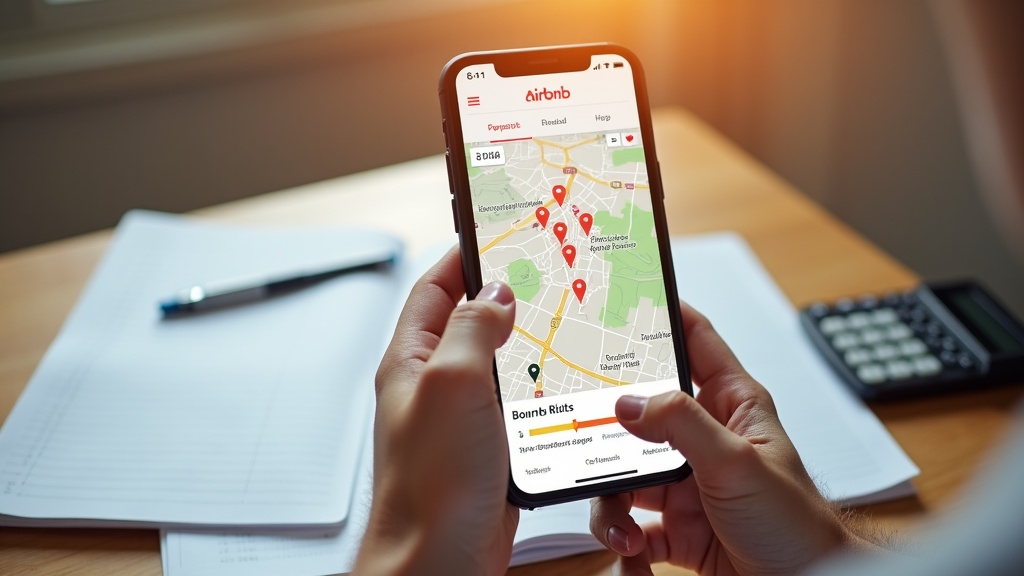
Direct competitors share three key characteristics: similar property type, comparable guest capacity, and proximity to your listing. However, many hosts make the mistake of only considering properties within a few streets, missing competitors who draw from the same guest pool.
Start by mapping properties within a 0.5-mile radius that accommodate the same number of guests. A 2-bedroom flat doesn't compete with a 6-person house, even if they're neighbours. Use Airbnb's map view to systematically identify properties with matching specifications: same number of bedrooms, similar listing type (entire place vs private room), and comparable amenity levels.
Next, expand your search radius strategically. Properties near the same transport links, attractions, or business districts compete for identical guests, even from further distances. A Birmingham city centre flat competes with listings near New Street Station because business travellers view both as equally convenient.
For detailed strategies on competitor identification, read our comprehensive guide on how to find Airbnb competitors in your area, which covers both manual research techniques and digital tools.
Document your competitor list with key details: nightly rates, total reviews, review scores, unique amenities, and booking availability. This baseline data becomes crucial for ongoing gap analysis.
Which pricing strategies reveal hidden revenue opportunities?
Competitor pricing analysis uncovers three major revenue opportunities: weekend-weekday differentials, seasonal adjustments, and length-of-stay optimisation. Most hosts set flat pricing year-round, leaving money on the table during high-demand periods.
Analyse competitor calendars over 3-6 months to identify patterns. Successful hosts often charge 30-50% more for Friday-Saturday nights, reflecting leisure travel demand. They also implement dynamic seasonal pricing—Edinburgh properties might triple rates during the Festival, whilst Brighton hosts add summer premiums for beach season.
Look for length-of-stay pricing strategies among top performers. Many charge higher per-night rates for 1-2 night stays to offset turnover costs, then offer attractive weekly discounts to secure longer bookings. A competitor might charge £120 for single nights but only £85 per night for week-long stays—indicating they've optimised for occupancy and reduced cleaning frequency.
Pay particular attention to last-minute pricing behaviour. Some competitors maintain premium rates until 3-7 days before arrival, then drop prices dramatically to avoid empty nights. Others keep consistent pricing but offer instant book discounts or length-of-stay promotions.
The key insight: successful competitors rarely use round numbers. Rates like £127 or £94 often outperform £130 or £95 because they appear in lower price filters whilst seeming more carefully calculated.
How can amenity gaps unlock additional booking revenue?
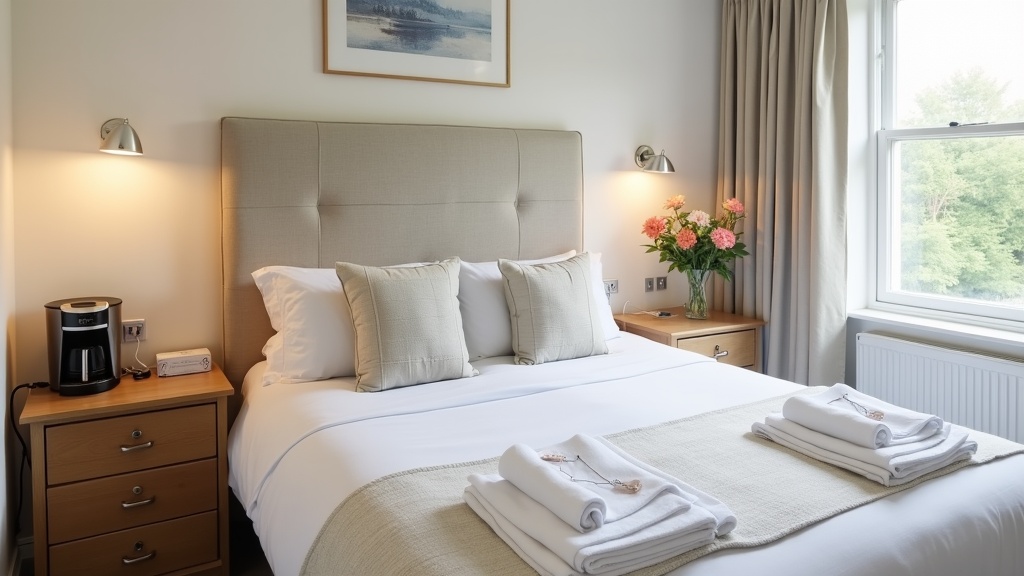
Amenity analysis reveals the fastest route to revenue improvement because missing amenities eliminate your listing from filtered searches entirely. Guests searching for properties with parking, air conditioning, or workspaces will never see listings without these features ticked.
Audit competitor amenity lists systematically, focusing on high-impact, low-cost additions. A £15 cafetière qualifies as 'Coffee Maker' on Airbnb's amenity list, potentially increasing your visibility to business travellers. Similarly, a £25 portable workspace setup (folding desk and chair) enables the 'Dedicated Workspace' filter—crucial for remote workers and business guests.
Look for location-specific amenity patterns. Glasgow market analysis shows that heating and parking dominate guest priorities, whilst Dublin's competitive landscape reveals different guest expectations around transport links and workspace facilities.
Identify amenities that create pricing power, not just visibility. Competitors with parking might charge £10-15 more per night in city centres. Those with gardens, balconies, or outdoor spaces often command premiums during summer months. Air conditioning becomes a significant differentiator during heat waves, allowing dynamic pricing increases when demand spikes.
Document which competitors emphasise experience-enhancing amenities versus practical ones. Properties targeting leisure travellers highlight entertainment systems, games, and local guides, whilst business-focused competitors prioritise fast WiFi, printing access, and quiet workspaces.
What guest experience gaps create competitive advantages?
Guest experience analysis examines how competitors exceed expectations through services, communication, and thoughtful touches that generate positive reviews and repeat bookings. These 'soft' advantages often translate into higher rates and improved occupancy.
Study competitor reviews for recurring praise patterns. Do guests consistently mention smooth check-in processes, welcome amenities, or exceptional cleanliness standards? These comments reveal systematic approaches that create competitive moats. A competitor receiving regular mentions of 'spotless property' or 'seamless arrival' has implemented processes worth replicating.
Analyse response times and communication styles in competitor reviews. Hosts who respond to inquiries within minutes, provide detailed local recommendations, or proactively solve problems earn guest loyalty that translates into direct bookings and reduced platform dependence.
Look for unique positioning strategies among successful competitors. Some focus on business travellers with early check-in flexibility and workspace setup. Others target families with child-friendly amenities, safety features, and local activity guides. Weekend party restrictions might attract mature guests willing to pay premiums for quiet environments.
If you'd like an expert assessment of your guest experience strategy with specific suggestions for improvement, LetGrow's free listing score shows you exactly where you stand against local competitors.
How do photo strategies impact booking conversion rates?
Photo analysis reveals why some listings convert browsers into bookers whilst others struggle despite competitive pricing. The difference often lies in strategic photo selection, ordering, and mobile optimisation rather than professional photography quality.
Examine competitor photo sequences, particularly the first 3-5 images that appear in search results. Successful listings typically lead with wide-angle living spaces that showcase size and natural light, followed by the most impressive bedroom, then unique selling points like views, outdoor spaces, or standout amenities.
Note how top-performing competitors handle practical concerns through photos. Properties with challenging layouts often include floor plans or multiple angles showing space flow. Those in busy areas might emphasise quiet bedrooms or peaceful courtyards to address noise concerns preemptively.
Study mobile-optimised photo strategies, as 70% of Airbnb browsing occurs on phones. Competitors might use larger text in welcome signs, brighter lighting to combat small screen viewing, or simplified compositions that remain clear when compressed.
Identify photos that address common guest questions. Successful competitors often include parking photos, bathroom details, kitchen equipment shots, and neighbourhood context images that reduce pre-booking inquiries and increase conversion confidence.
Which seasonal patterns reveal untapped revenue potential?
Seasonal analysis uncovers demand patterns that many hosts miss, particularly in markets with multiple guest types throughout the year. Understanding when competitors adjust pricing, availability, and targeting can reveal significant revenue opportunities.
Track competitor pricing across different seasons and local events. Liverpool's market shows distinct patterns around football fixtures, music events, and summer tourism that successful hosts leverage through dynamic pricing. Similar patterns exist in every market—university term times, business conference seasons, local festivals, and weather-dependent demand shifts.
Analyse competitor availability patterns to identify high-demand periods you might be missing. Properties consistently booked solid during specific weeks indicate events or seasonal factors worth researching. Conversely, competitors offering longer minimum stays during typically quiet periods might have identified monthly rental opportunities during low-tourism seasons.
Look for seasonal amenity emphasis in competitor listings. Some hosts highlight heating and cosy features during winter months, then switch focus to outdoor spaces, gardens, or cooling features for summer. This seasonal messaging optimization can improve conversion rates by addressing immediate guest priorities.
Document seasonal guest review themes among competitors. Summer reviews might emphasise location convenience and cooling, whilst winter feedback focuses on warmth, comfort, and indoor entertainment. These patterns reveal optimization opportunities for different times of year.
How can you systematically monitor competitor changes?
Ongoing competitor monitoring ensures you don't miss new revenue opportunities as market conditions evolve. Successful hosts treat competitor analysis as a monthly routine rather than a one-time exercise.
Create a simple tracking system for key competitor metrics: pricing, amenity additions, photo updates, and review score changes. Monthly screenshots of competitor listings reveal trends that daily price checking misses—new amenities, seasonal photo rotations, or description optimizations that improve their performance.
Set calendar reminders to check competitor availability during peak booking periods. Properties that suddenly show consistent availability during previously busy times might have raised prices too aggressively, creating opportunities for competitive positioning.
Monitor competitor review patterns for emerging guest preferences. New recurring complaints or praise themes indicate shifting market demands that early adopters can capitalize on. Recent emphasis on cleanliness, contactless check-in, or workspace quality reflects evolving guest priorities worth addressing.
Track competitor response strategies during market disruptions. How do successful hosts adjust pricing during local construction projects, transport strikes, or major event cancellations? Their adaptation strategies provide templates for similar future situations.
Want a professional eye on how your listing compares to competitors? LetGrow analyses your title, photos, pricing, and amenities for free—no obligation, just actionable insights into your competitive position.
What tools and methods provide accurate competitor insights?
Effective competitor analysis combines manual research with digital tools to build comprehensive market intelligence. The most accurate insights come from systematic data collection rather than sporadic competitive checking.
Manual research remains essential for understanding competitor positioning and guest experience strategies. Regular browsing of competitor listings as a potential guest reveals booking flow optimizations, communication strategies, and experience touches that automated tools miss.
Use Airbnb's map and filter functions strategically to understand competitive positioning. Search your area with different filter combinations (price ranges, amenity requirements, guest counts) to see which competitors appear in various customer journey scenarios.
Spreadsheet tracking provides the foundation for trend analysis. Document competitor pricing, availability patterns, amenity additions, and review developments over time. Monthly data collection reveals seasonal patterns and strategic changes that inform your optimization decisions.
For hosts managing multiple properties or seeking detailed market analysis, platforms like LetGrow provide competitor benchmarking, pricing recommendations, and market positioning insights based on comprehensive local data analysis.
How do you turn competitor insights into actionable revenue improvements?
Converting competitor analysis into revenue requires systematic implementation of identified opportunities, prioritised by impact and implementation difficulty. The most successful hosts focus on high-impact, quick-win improvements before tackling complex optimization projects.
Start with immediate amenity additions that unlock filtered search visibility. If competitors consistently offer coffee makers, parking, or workspaces, assess whether you can add these features quickly. A £20 investment in missing amenities might generate £200+ monthly revenue through improved search visibility.
Implement pricing adjustments based on competitive analysis, but test changes gradually. If competitors charge 20% more for weekend nights, try a 10% increase first and monitor booking velocity. Gradual optimization reduces the risk of dramatic occupancy drops whilst moving towards competitive pricing.
Update your listing photos and descriptions based on competitor analysis insights. If successful competitors emphasise specific features, workspace setups, or local attractions, consider whether similar messaging would improve your conversion rates.
Create implementation timelines for larger improvements identified through competitor analysis. Workspace additions, outdoor space improvements, or significant amenity upgrades require planning but can provide lasting competitive advantages.
For comprehensive guidance on competitive positioning and market analysis strategies, refer to our detailed Airbnb competitor analysis guide which covers advanced techniques for sustained competitive advantage.
Frequently Asked Questions
How often should I analyse my Airbnb competitors?
Conduct comprehensive competitor analysis monthly, with weekly pricing checks during peak seasons. Major competitors might adjust pricing, add amenities, or change strategies that affect your competitive position. Quarterly deep-dive analysis helps identify longer-term market trends and positioning opportunities.
What's the biggest revenue gap most hosts miss?
Weekend-weekday pricing differentials represent the largest missed opportunity. Most hosts use flat pricing whilst successful competitors charge 30-50% more for Friday-Saturday nights. This single adjustment can increase monthly revenue by £300-800 for urban properties with leisure travel demand.
Should I match competitor prices exactly?
Never match competitor prices without considering your unique positioning factors. Instead, understand why competitors can charge certain rates—superior amenities, better photos, higher review scores, or unique features. Address positioning gaps first, then adjust pricing based on your improved competitive position.
How do I find competitors if my property is unique?
Focus on guest overlap rather than property similarity. A unique house still competes with any property that attracts the same guest segments—business travellers, families, couples, or specific event attendees. Analyse properties near the same transport links, attractions, or business districts that serve your target audience.
Can competitor analysis help with low occupancy rates?
Yes, competitor analysis often reveals why some properties stay booked whilst others struggle. Common issues include missing amenities that eliminate filtered search visibility, poor photo ordering that reduces conversion, or pricing misalignment that makes properties appear expensive relative to similar options.
What competitor changes should trigger immediate action?
Monitor for competitor amenity additions, significant pricing changes, and major photo updates. If multiple competitors add similar features or adjust pricing strategies, investigate whether market conditions have shifted. New competitor entries with similar properties also warrant immediate positioning analysis.
Systematic competitor analysis transforms Airbnb hosting from guesswork into data-driven revenue optimization. By identifying and addressing specific gaps between your listing and successful competitors, you can unlock thousands of pounds in additional annual revenue. The key lies in consistent monitoring, strategic implementation, and focusing on changes that provide measurable competitive advantages rather than superficial improvements.
Ready to see how your listing measures up? Get your free score at LetGrow and discover your hidden revenue opportunities.