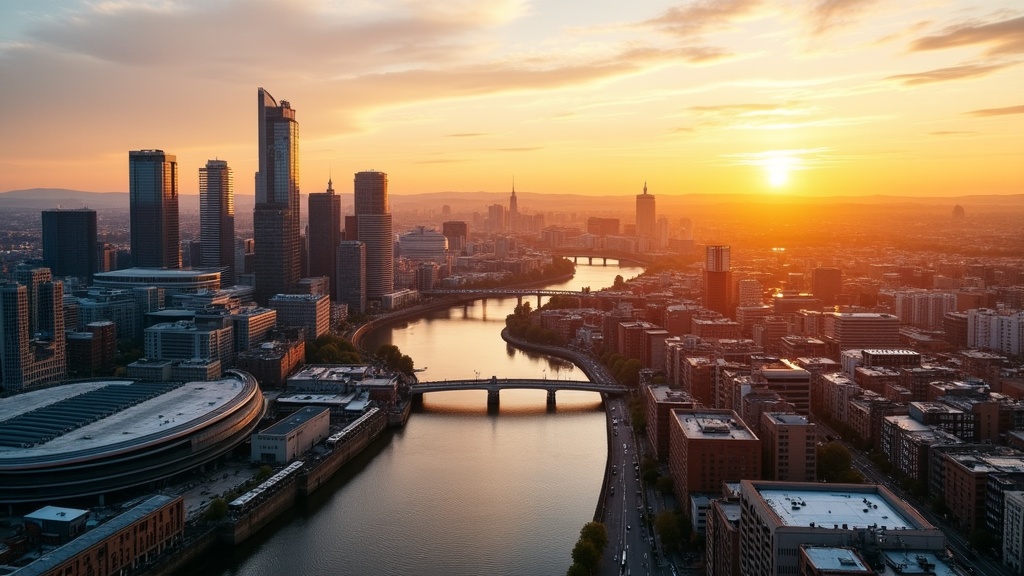
Glasgow's Airbnb market presents a complex landscape of opportunity and competition that every short-term rental host must navigate carefully. With over 2,000 active listings across the city, understanding the Glasgow short term rental rates and competitive dynamics is crucial for maximising your revenue potential in Scotland's largest city.
The city's diverse neighbourhoods—from the trendy Merchant City to the leafy West End—each command different pricing levels and attract distinct guest demographics. Meanwhile, increased supply has intensified competition, making strategic positioning more important than ever for sustainable profitability.
What Makes Glasgow's Airbnb Market Unique Compared to Other UK Cities?
Glasgow's Airbnb market analysis reveals several distinctive characteristics that set it apart from other major UK destinations. The city combines strong year-round business travel demand with significant leisure tourism, creating more stable occupancy patterns than purely seasonal markets.
Unlike Edinburgh's festival-driven peaks or London's premium pricing, Glasgow offers more accessible entry points for new hosts while maintaining healthy profit margins. The average nightly rate across the city ranges from £45-£120 depending on property type and location, with city centre apartments commanding premium rates during major events at venues like the SEC Centre and OVO Hydro.
Glasgow's cultural renaissance has attracted international visitors year-round, supported by excellent transport links including direct flights to major European cities. This consistent demand creates opportunities for hosts who understand seasonal patterns and local events that drive bookings.
The city's compact size means guests often prefer central locations with easy access to attractions like the Kelvingrove Art Gallery, Glasgow Cathedral, and the vibrant nightlife scene. Properties within walking distance of Buchanan Street and the Merchant City consistently outperform suburban listings in both occupancy and average daily rates.
How Saturated Is the Glasgow Short-Term Rental Market in 2024?
Market saturation in Glasgow has reached moderate levels, with approximately 2,200 active Airbnb listings competing for guests across the city's various neighbourhoods. However, saturation varies significantly by area and property type.
The West End shows the highest concentration of listings, particularly around the University of Glasgow and Kelvingrove Park, where student accommodation conversions have increased supply substantially. Central Glasgow maintains strong demand despite competition, while emerging areas like Finnieston and Dennistoun offer growth opportunities for strategic hosts.
One-bedroom apartments represent the most saturated segment, comprising roughly 60% of all listings. Larger properties (3+ bedrooms) face less competition but require higher investment and operational complexity. Family-friendly properties with parking remain underserved relative to demand, particularly during school holidays and summer months.
Recent licensing requirements introduced by Glasgow City Council have actually reduced overall supply, as some hosts exited the market rather than comply with new regulations. This regulatory environment favours professional hosts who invest in proper compliance and quality standards.
Key saturation indicators include:
- Average booking lead times decreasing from 14 to 10 days year-over-year
- Increased reliance on last-minute discounts to achieve target occupancy
- Growing importance of 5-star reviews and Superhost status for visibility
- Price compression in budget segments (under £60/night)
Which Glasgow Neighbourhoods Command the Highest Airbnb Rates?
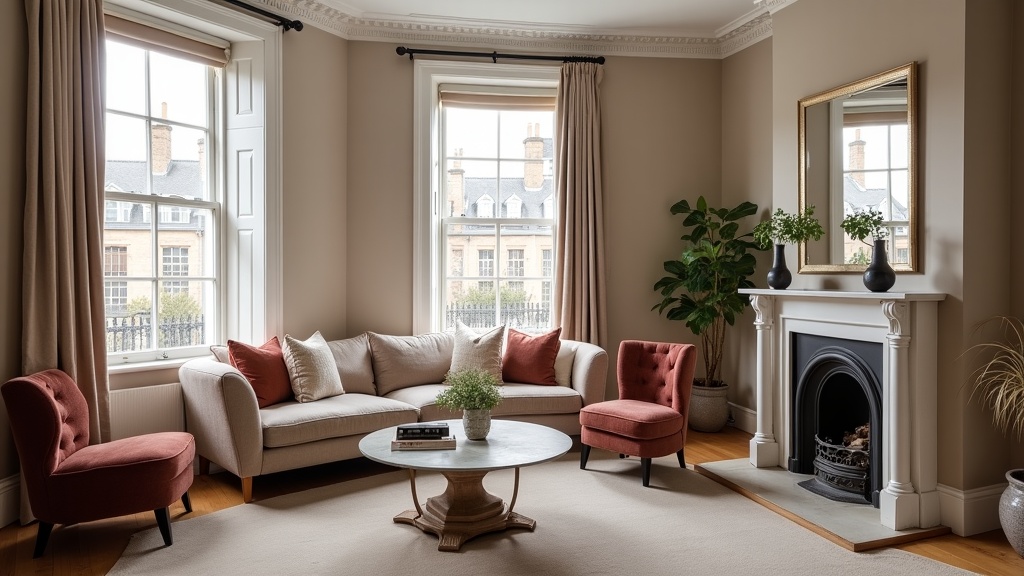
Premium pricing in Glasgow concentrates in specific neighbourhoods that offer unique value propositions to guests. The Merchant City leads with average nightly rates of £85-£120 for quality one-bedroom apartments, driven by its cultural attractions, restaurants, and nightlife proximity.
The West End, particularly areas near Ashton Lane and Byres Road, commands £70-£110 per night for comparable properties. This area attracts both leisure tourists seeking authentic Glasgow experiences and business travellers preferring quieter surroundings with excellent transport links to the city centre.
Finnieston has emerged as a high-value area, with modern apartments achieving £75-£105 nightly rates. The neighbourhood's transformation into Glasgow's 'cultural quarter' has attracted design-conscious guests willing to pay premiums for contemporary accommodations near the SEC Centre and Hydro arena.
Properties offering parking in these premium areas can command additional £10-£15 per night, as parking remains challenging throughout central Glasgow. Similarly, listings with unique features like private terraces, period character, or designer interiors achieve 15-25% rate premiums over standard offerings.
If you'd like an expert assessment of your listing's positioning within Glasgow's competitive landscape, LetGrow's free listing score shows you exactly where you stand against local competitors and identifies opportunities to justify higher rates.
What Pricing Strategies Work Best in Glasgow's Competitive Market?
Successful pricing strategies in Glasgow require understanding both local demand patterns and competitive positioning. Dynamic pricing that responds to events, seasons, and local booking patterns significantly outperforms static rate structures.
Weekend premiums of 20-35% work well in central areas, as leisure tourists drive higher weekend demand. However, business-focused areas like the Financial District may see minimal weekend uplift or even slight decreases as corporate travellers depart.
Event-based pricing presents significant opportunities, with major concerts and exhibitions driving rates 50-150% above baseline levels. The SEC Centre, OVO Hydro, and Hampden Park create predictable demand spikes that savvy hosts capitalize upon months in advance.
Effective Glasgow pricing tactics include:
- Early bird discounts: 10-15% for bookings made 30+ days ahead
- Weekly stays incentives: 15-20% discounts to improve occupancy
- Last-minute pricing: Automated discounts for stays within 3 days
- Seasonal adjustments: Premium rates during Fringe festival overflow and university events
- Length-of-stay requirements: 2-3 night minimums during peak periods
Glasgow's pricing landscape differs significantly from markets like Brighton's seasonal tourism model or Bath's heritage tourism premiums, requiring locally-adapted strategies rather than generic UK approaches.
How Can Hosts Differentiate Their Properties in Saturated Areas?
Differentiation in Glasgow's competitive market requires moving beyond basic amenities to create unique value propositions that resonate with target guests. Successful hosts focus on specific guest segments rather than trying to appeal to everyone.
Local experience curation proves particularly effective, with hosts providing insider recommendations for authentic Glasgow experiences beyond typical tourist attractions. Partnerships with local businesses—from whisky tours to traditional music venues—can justify premium pricing while enhancing guest satisfaction.
Design differentiation matters significantly in Glasgow's visually-aware market. Period property features like original cornicing, sash windows, and fireplaces appeal to guests seeking authentic Scottish character, while contemporary conversions attract design-conscious travellers preferring modern amenities.
Proven differentiation strategies include:
- Niche targeting: Music-themed properties near King Tut's and Barrowland Ballroom
- Cultural immersion: Scottish breakfast provisions, local art displays, whisky welcome gifts
- Business traveller focus: Dedicated workspaces, printing facilities, early check-in options
- Accessibility features: Underserved market with significant demand
- Pet-friendly positioning: Limited supply for this growing segment
Technology integration also creates competitive advantages. Smart locks enable flexible check-ins valued by business travellers, while high-speed WiFi and dedicated workspaces have become essential rather than optional amenities post-pandemic.
What Are the Biggest Revenue Leaks for Glasgow Airbnb Hosts?
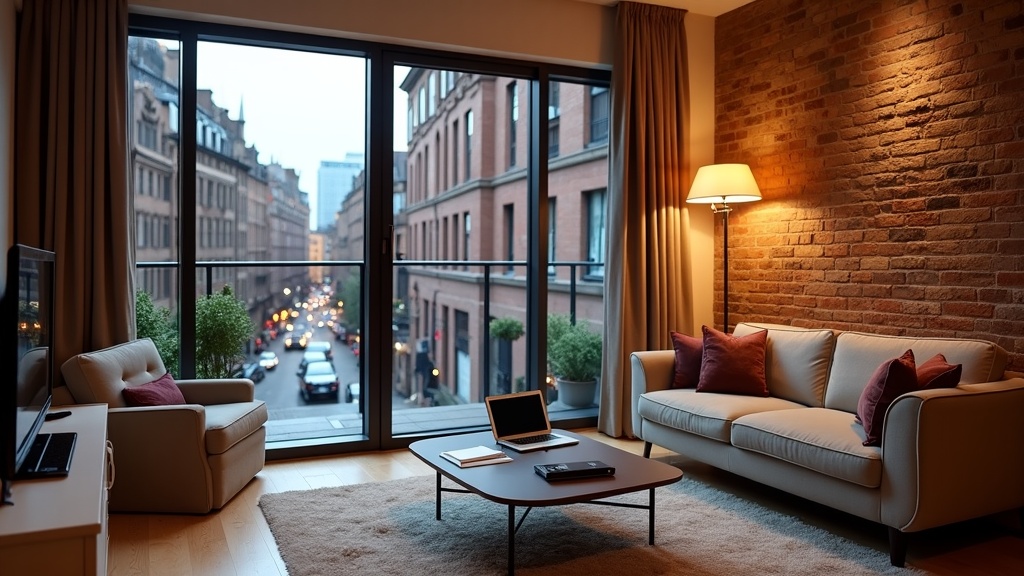
Revenue leaks in Glasgow's market often stem from misaligned pricing strategies and inadequate competitive positioning rather than property deficiencies. Many hosts leave money on the table by failing to capitalize on event-driven demand or maintaining static pricing throughout the year.
Underoptimised listings represent another significant leak, with poor photography and generic descriptions failing to communicate unique selling points effectively. Glasgow guests increasingly research multiple options before booking, making first impressions through listing quality crucial for conversion.
Inadequate minimum stay requirements during peak periods cause revenue dilution, as single-night bookings during high-demand weekends prevent capturing more valuable multi-night reservations. Similarly, excessive discounting to maintain occupancy often proves counterproductive in Glasgow's strong-demand environment.
Common revenue leaks include:
- Event blindness: Missing SEC Centre, Hydro, and Hampden events that drive premium pricing
- Photography quality: Poor lighting and staging reducing click-through rates
- Amenity gaps: Missing coffee makers, workspace setups, or parking that competitors offer
- Pricing rigidity: Failing to adjust for seasonal patterns and local demand drivers
- Review management: Allowing preventable issues to impact rating and visibility
Learning from successful approaches in similar markets can provide valuable insights. The competitive dynamics in York's tourism market offer parallels for heritage-focused positioning, while Nottingham's pricing strategies demonstrate effective event-based revenue optimization.
How Important Is Local Competition Analysis for Glasgow Hosts?
Regular competitive analysis forms the foundation of successful Glasgow Airbnb strategy, given the market's density and diversity. Understanding not just pricing but positioning, amenities, and guest experience strategies of nearby competitors enables informed decision-making about everything from renovations to marketing approaches.
Glasgow's neighbourhood-specific dynamics mean competition varies dramatically between areas. West End hosts compete primarily on character and local experience, while city centre properties focus on convenience and modern amenities. Effective analysis considers these nuanced differences rather than city-wide averages.
Monitoring competitor availability patterns reveals market demand cycles and optimal pricing windows. Properties that consistently achieve high occupancy during traditionally slower periods often employ superior marketing, pricing strategies, or guest experience elements worth analysing and adapting.
Essential competitive intelligence includes:
- Pricing patterns: Weekend premiums, seasonal adjustments, event-based rates
- Amenity positioning: Which features competitors emphasize and charge premiums for
- Photography styles: Visual trends that resonate with Glasgow guests
- Review themes: What guests consistently praise or criticize in your area
- Booking requirements: Minimum stays, cancellation policies, house rules
The comprehensive guide to Airbnb competitor analysis provides detailed frameworks for systematic competitive intelligence, while techniques for outperforming local hosts offer actionable strategies specific to regional markets like Glasgow.
Not sure how your property compares to local competition? Get your free Airbnb performance score and see exactly how your listing stacks up against comparable properties in your neighbourhood.
What Role Do Reviews Play in Glasgow's Competitive Landscape?
Reviews wield exceptional influence in Glasgow's competitive market, where guests often choose between multiple similar properties in close proximity. A 0.1-star difference can significantly impact visibility in Airbnb's search algorithm, while specific review themes influence booking decisions beyond overall ratings.
Glasgow guests particularly value reviews mentioning local knowledge, cleanliness standards, and accurate property representations. Properties consistently receiving praise for host responsiveness and local recommendations tend to maintain higher occupancy rates even with slightly higher pricing.
The city's compact geography means guests often read reviews specifically looking for location insights, parking experiences, and noise levels. Properties near popular nightlife areas must proactively address potential noise concerns, while those in quieter neighbourhoods can emphasize this as a selling point.
Review optimization strategies for Glasgow include:
- Proactive communication: Setting clear expectations about property features and neighbourhood characteristics
- Local expertise: Providing detailed area guides that guests mention positively in reviews
- Quick response protocols: Addressing any issues immediately to prevent negative reviews
- Check-in experience: Streamlined processes that consistently receive positive mentions
- Follow-up systems: Ensuring guest satisfaction before departure
Frequently Asked Questions
What's the average nightly rate for Airbnb properties in Glasgow?
Average nightly rates in Glasgow range from £45-£120 depending on location and property type. City centre apartments typically achieve £70-£100, while West End properties command £60-£95. Premium areas like Merchant City can reach £120+ for quality listings.
How many nights per month do successful Glasgow Airbnb properties get booked?
Well-optimised Glasgow properties typically achieve 18-24 nights booked per month, with occupancy rates of 60-80%. Central locations and properties with strong reviews consistently perform at the higher end of this range.
What amenities are most important for Glasgow Airbnb guests?
Essential amenities include high-speed WiFi, coffee makers, and responsive hosts. Parking commands significant premiums where available. Business travellers value workspaces, while leisure guests appreciate local guidebooks and recommendations.
How do Glasgow City Council licensing requirements affect competition?
New licensing requirements have reduced overall supply as some hosts exited the market. This benefits compliant hosts by reducing competition, but requires proper registration and adherence to safety standards.
What's the best pricing strategy for Glasgow Airbnb properties?
Dynamic pricing that adjusts for events, seasons, and local demand patterns works best. Weekend premiums of 20-35% are effective in central areas, while event-based pricing can justify 50-150% increases during major concerts and exhibitions.
How important is professional photography for Glasgow Airbnb success?
High-quality photography is crucial in Glasgow's competitive market. Properties with professional photos typically achieve 30-50% higher click-through rates and can justify 10-15% pricing premiums over similar properties with poor imagery.
Glasgow's Airbnb market rewards hosts who understand local dynamics, monitor competition effectively, and adapt their strategies to neighbourhood-specific demand patterns. Success requires moving beyond generic approaches to embrace the city's unique character and guest expectations. Ready to see how your listing measures up? Get your free score at LetGrow and discover specific opportunities to outperform local competition.