
Dublin's short-term rental market presents compelling opportunities for international hosts, particularly those considering cross-border investment. With its blend of tech hub dynamism and traditional Irish charm, understanding Airbnb Dublin pricing analysis is crucial for maximising returns in this competitive landscape. The Irish capital's unique position as an English-speaking gateway to the EU creates distinct market dynamics that savvy hosts can leverage.
What makes Dublin's Airbnb market unique for international hosts?
Dublin operates as both a European tech capital and cultural destination, creating year-round demand from business travellers and tourists alike. The city's compact size means location competition is intense, with Temple Bar, Georgian Dublin, and the Docklands commanding premium rates while outer districts offer better value propositions.
The market shows strong resilience compared to other European capitals. Google, Meta, and Amazon's significant presence ensures consistent corporate travel demand, whilst Dublin's cultural calendar—from St. Patrick's Day to literary festivals—drives seasonal spikes. For cross-border hosts, the English-speaking environment reduces operational complexity compared to continental European markets.
Currency considerations add another layer. Sterling-euro fluctuations can significantly impact UK hosts' real returns, whilst US investors benefit from typically favourable exchange rates. Understanding these dynamics helps inform both initial investment decisions and ongoing pricing strategies.
How do Dublin Airbnb pricing trends compare across neighbourhoods?
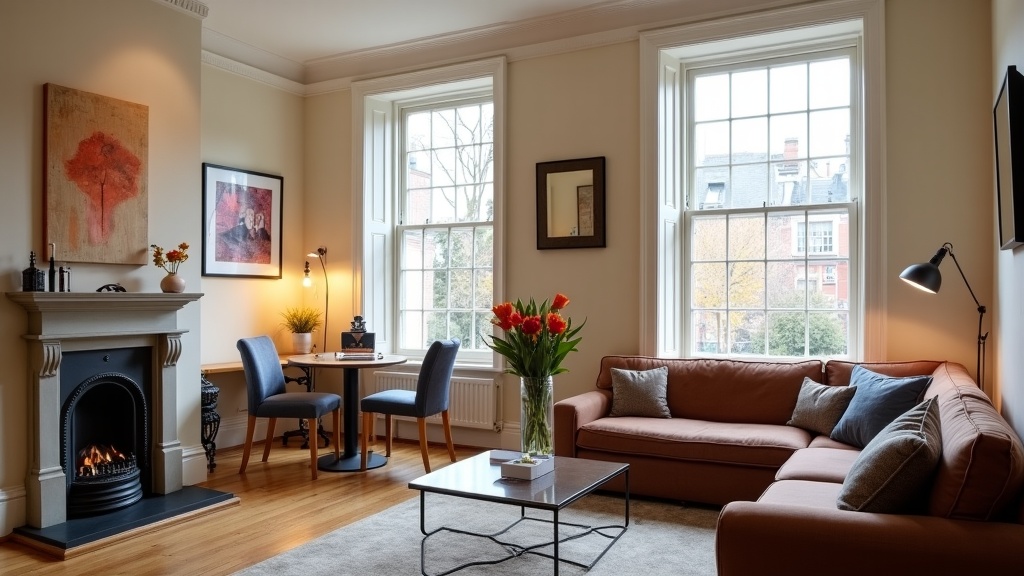
Location dramatically influences earning potential in Dublin's concentrated market. City centre properties in Temple Bar and around Trinity College command €120-180 per night, reflecting their proximity to major attractions and transport links.
The Georgian Quarter offers premium positioning with average rates of €100-150, appealing to guests seeking authentic Dublin character. These areas benefit from architectural appeal and walking distance to key sites, though noise levels can impact guest satisfaction during busy periods.
Dublin's Docklands, home to tech companies, sees strong weekday demand at €90-130 nightly. The area's modern amenities and transport connections make it particularly attractive to business travellers, though weekend rates often soften due to limited leisure appeal.
Emerging neighbourhoods like Smithfield and the Creative Quarter offer growth potential. Properties here typically achieve €70-100 nightly but benefit from lower acquisition costs and improving infrastructure. For cross-border investors, these areas represent interesting risk-reward profiles.
Understanding these geographical nuances is essential for competitive positioning. Comprehensive competitor analysis reveals how successful hosts differentiate within each micro-market, from amenity positioning to seasonal pricing strategies.
What seasonal patterns define Dublin's short-term rental demand?
Dublin experiences pronounced seasonality that international hosts must factor into annual projections. Peak summer months (June-August) see rates increase 20-35% above winter baselines, driven by international tourism and favourable weather for city exploration.
St. Patrick's Day represents the year's highest earning opportunity, with many properties commanding 3-5x normal rates for the festival week. Securing bookings during this period often requires year-ahead planning and premium positioning.
Winter months present challenges, with November-February seeing 15-25% rate reductions. However, Christmas markets and New Year celebrations provide revenue opportunities for well-positioned properties. Business travel remains relatively stable year-round, making corporate-focused listings more predictable.
Spring shoulder season (March-May) offers excellent occupancy rates at moderate pricing, whilst autumn (September-November) benefits from conference season and cultural events. Understanding these patterns helps optimise pricing strategies and maintenance scheduling.
Similar seasonal considerations affect other competitive markets. Our analysis of Glasgow's market saturation reveals comparable patterns in culturally-rich destinations, though Dublin's corporate demand provides additional stability.
How does regulatory compliance affect cross-border Airbnb operations?
Ireland's short-term rental regulations create both opportunities and obligations for international hosts. Dublin City Council requires planning permission for short-term lets in rent pressure zones, significantly limiting new entrants in prime locations.
Properties in designated areas face the 90-day annual limit unless granted change-of-use permission. This restriction creates scarcity value for compliant properties whilst potentially exposing non-compliant operations to enforcement action.
Tax obligations include income tax on rental profits, with non-resident hosts subject to specific filing requirements. VAT registration becomes mandatory once annual turnover exceeds €37,500, adding administrative complexity for successful operators.
Insurance requirements demand commercial coverage, as standard residential policies typically exclude short-term letting. International hosts must ensure adequate protection against property damage, public liability, and loss of income claims.
For cross-border hosts, establishing Irish tax residency or engaging local tax advisors ensures compliance whilst optimising liability. These regulatory considerations increasingly influence investment decisions in Dublin's constrained supply environment.
Which guest demographics drive Dublin's Airbnb demand?

Understanding Dublin's diverse guest mix enables targeted positioning and amenity strategies. Business travellers represent approximately 35-40% of bookings, particularly in Docklands and city centre locations. These guests prioritise wifi reliability, workspace facilities, and transport connectivity over traditional tourist amenities.
International leisure travellers form the largest segment, split between European city-break visitors and long-haul tourists using Dublin as their Irish base. These guests value location, local character, and comprehensive area information to maximise their limited time.
Domestic Irish travellers create weekend and event-driven demand, often seeking larger properties for family gatherings or celebrations. This segment shows strong loyalty to well-reviewed properties and responds well to personal touches reflecting local culture.
Digital nomads represent a growing niche, particularly during Dublin's relatively mild autumn and spring periods. These extended-stay guests prioritise workspace quality, reliable internet, and neighbourhood amenities over prime tourist locations.
Understanding guest motivations helps optimise everything from property layout to marketing messaging. If you're unsure how your property appeals to these different segments, LetGrow's free listing score analyses your positioning against successful competitors targeting similar guest types.
What pricing strategies work best in Dublin's competitive market?
Successful Dublin hosts employ dynamic pricing strategies that respond to multiple demand drivers. Base rates should reflect neighbourhood positioning, with premium adjustments for peak periods, events, and last-minute bookings when supply constraints drive urgency.
Weekend pricing in tourist areas typically commands 15-25% premiums, whilst business districts often see weekday uplifts. Understanding your property's primary demand drivers enables more accurate pricing calibration than broad market averages.
Length-of-stay discounts require careful balancing in Dublin's market. Whilst weekly discounts of 15-20% can improve occupancy, they may sacrifice revenue during high-demand periods when nightly bookings achieve premium rates.
Seasonal pricing should anticipate demand rather than react to it. Successful hosts set St. Patrick's Day and summer rates months in advance, capturing early bookings whilst maintaining flexibility for last-minute premium opportunities.
Competitor monitoring becomes essential given Dublin's concentrated market. Properties within walking distance often target identical guest segments, making differentiation through amenities, service level, or unique features crucial for rate premiums.
The complexity of optimising pricing across multiple variables means many hosts benefit from expert analysis. Get your free Airbnb performance score to see how your current pricing strategy compares with local market leaders.
How do Dublin's market dynamics compare with other UK destinations?
Dublin's market characteristics share similarities with premium UK destinations whilst maintaining distinct differences. Like York's tourism-driven market, Dublin benefits from strong international appeal, though its corporate demand provides additional stability.
Compared to Liverpool's diverse neighbourhood dynamics, Dublin's compact size intensifies location competition. Properties just streets apart can command significantly different rates based on proximity to key attractions or transport links.
Dublin's regulatory environment creates supply constraints similar to those emerging in UK cities, though Ireland's specific planning requirements add complexity for international operators. This regulatory backdrop increasingly influences investment returns and operational strategies.
Currency considerations distinguish Dublin from UK markets. Sterling hosts face exchange rate risks that don't affect domestic UK investments, whilst benefiting from potential currency gains during favourable periods.
Market maturity levels also differ. Dublin's short-term rental market developed later than comparable UK cities, creating opportunities for experienced hosts to apply proven strategies in a less saturated environment.
What operational considerations affect cross-border Dublin hosting?
Managing Dublin properties remotely requires robust systems and local partnerships. Unlike domestic UK operations, same-day problem resolution becomes challenging, making preventive maintenance and guest communication protocols essential.
Property access systems become crucial for international hosts. Smart locks, key safes, or local key-holding services ensure smooth check-ins whilst reducing coordinator dependency. Clear backup procedures prevent guest arrival complications during technical failures.
Cleaning and maintenance partnerships require careful vetting. Dublin's competitive short-term rental market has developed supporting service industries, though quality varies significantly. Establishing relationships with reliable suppliers often determines operational success.
Guest communication strategies must account for time differences and local knowledge gaps. Comprehensive property guides, local recommendations, and emergency contact procedures become more important when hosts aren't locally available.
Banking and payment processing add complexity for international hosts. Irish bank accounts often facilitate guest refunds and supplier payments, whilst understanding tax withholding requirements prevents unexpected compliance issues.
FAQs
Do I need planning permission to operate an Airbnb in Dublin?
Yes, properties in rent pressure zones require planning permission for short-term letting. Contact Dublin City Council to confirm your property's status and application requirements before commencing operations.
What tax obligations do international hosts face in Dublin?
Non-resident hosts must pay Irish income tax on rental profits and may require VAT registration. Consult Irish tax advisors to ensure compliance and optimise your tax position.
How does Dublin's 90-day rule affect Airbnb operations?
Properties in designated areas without change-of-use permission are limited to 90 nights annually. This restriction significantly impacts potential returns and requires careful booking management.
What insurance do I need for Dublin Airbnb properties?
Commercial short-term rental insurance is essential, covering property damage, public liability, and loss of income. Standard residential policies typically exclude short-term letting activities.
Which Dublin neighbourhoods offer the best investment potential?
City centre and Georgian Quarter properties command highest rates, whilst emerging areas like Smithfield offer growth potential at lower entry costs. Consider your target guest profile and operational preferences when choosing locations.
How much can I earn from Dublin Airbnb properties?
Annual returns vary significantly by location, property type, and management quality. City centre properties might achieve €25,000-45,000 annually, whilst suburban locations typically earn €15,000-25,000, before costs and taxes.
Dublin's cross-border hosting opportunities require careful navigation of regulatory requirements, market dynamics, and operational complexities. Success depends on understanding local competition, guest preferences, and pricing strategies whilst maintaining compliance with Irish requirements. Ready to see how your listing measures up? Get your free score at LetGrow and discover specific opportunities to outperform Dublin's competitive market.