
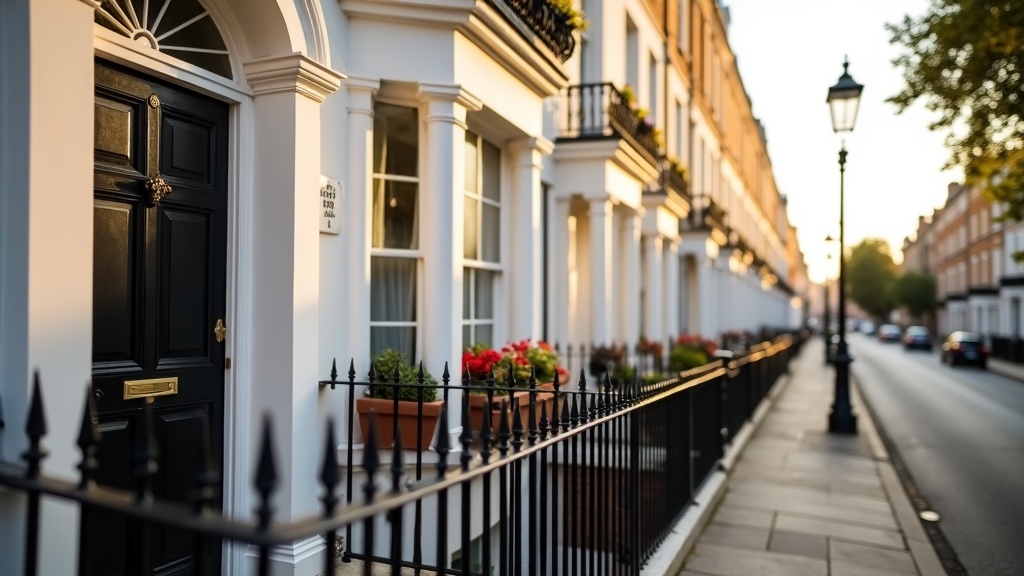
When hosting an Airbnb in London, most hosts know about the famous 90-day rule. But London's Airbnb regulations extend far beyond this single restriction. From fire safety certificates to noise control orders, London Airbnb regulations form a complex web of requirements that can catch even experienced hosts off guard. Understanding these additional rules isn't just about compliance—it's about protecting your investment and ensuring your hosting business thrives in one of the world's most regulated rental markets.
What are the key London Airbnb regulations beyond the 90-day limit?
London hosts must navigate planning permission requirements, fire safety obligations, council tax implications, business rates, noise regulations, and borough-specific licensing schemes—each carrying significant penalties for non-compliance.
The regulatory landscape extends across multiple authorities and legislation. While the 90-day rule grabs headlines, it's administered through the Greater London Authority's planning framework. Meanwhile, each of London's 32 boroughs can impose additional licensing schemes, and national regulations around fire safety, taxation, and business registration apply regardless of your location within the capital.
These regulations often overlap and interact in complex ways. For instance, obtaining planning permission for short-term lettings doesn't exempt you from fire safety requirements, and operating within the 90-day limit doesn't automatically resolve council tax obligations. Many hosts discover these interconnected requirements only when facing enforcement action.
Do you need planning permission for London Airbnb properties?
Most London properties require planning permission for short-term letting beyond 90 days per year, but some boroughs have introduced stricter rules requiring permission from day one of hosting.
The planning permission landscape varies significantly across London's boroughs. Westminster, for example, has particularly strict policies and rarely grants permission for short-term lettings in residential areas. Camden has introduced Article 4 directions in certain areas, removing permitted development rights entirely. Meanwhile, boroughs like Greenwich may be more accommodating, though each application is assessed individually.
The application process typically costs £462 and can take 8-13 weeks for a decision. You'll need to demonstrate that your proposal won't harm residential amenity, local housing supply, or neighbourhood character. Recent planning appeals show that successful applications often include management plans addressing noise, waste collection, and guest behaviour.
Failure to obtain required planning permission can result in enforcement notices, prosecution, and unlimited fines. The planning authority can also seek injunctions to stop unauthorised use immediately. Some hosts have faced costs exceeding £50,000 when legal proceedings escalate.
What fire safety regulations apply to London Airbnb properties?

London Airbnb properties must comply with fire safety legislation including smoke alarms, carbon monoxide detectors, fire doors where required, and potentially fire risk assessments depending on property size and guest capacity.
The Regulatory Reform (Fire Safety) Order 2005 applies to all commercial premises, including short-term rentals. This means you're the 'responsible person' for fire safety in your property. Basic requirements include working smoke alarms on every floor, carbon monoxide detectors where solid fuel appliances are present, and clear escape routes.
Properties accommodating more than six guests may require a formal fire risk assessment conducted by a competent person. This document must be regularly reviewed and updated. Some boroughs, particularly those with licensing schemes, mandate annual fire safety certificates regardless of guest capacity.
London Fire Brigade has increased enforcement activity following high-profile incidents. Penalties range from unlimited fines to imprisonment for serious breaches. More commonly, hosts face prohibition notices that immediately stop them from operating until safety issues are resolved.
If you're managing fire safety compliance alongside other regulatory requirements, LetGrow's free listing score can help identify whether your property description adequately communicates safety features to potential guests, potentially improving booking rates whilst you ensure full compliance.
How do council tax and business rates affect London Airbnb hosts?
London Airbnb properties may face business rates instead of council tax when operated commercially, potentially increasing annual costs by £3,000-£15,000 depending on property value and location.
The distinction between council tax and business rates depends on your letting pattern and property use. Properties let commercially for short periods typically fall under business rates, administered by the Valuation Office Agency. This change can dramatically increase your annual tax burden, as business rates are calculated on rental value rather than capital value.
Council tax discounts for empty properties don't apply to commercial short-term lettings. Some boroughs actively investigate Airbnb listings to identify properties that should be paying business rates rather than claiming empty property relief. Southwark, Westminster, and Camden have been particularly proactive in this area.
The calculation varies by rateable value and borough. A typical two-bedroom flat in Zone 2 might face annual business rates of £4,000-£8,000 compared to council tax of £1,200-£2,000. However, small business rate relief may reduce or eliminate the liability for properties with low rateable values.
For detailed guidance on navigating these tax implications, our comprehensive guide on London Council Tax & Business Rates: Airbnb Host Obligations provides specific calculations and borough-by-borough variations.
Which London boroughs have additional licensing requirements?
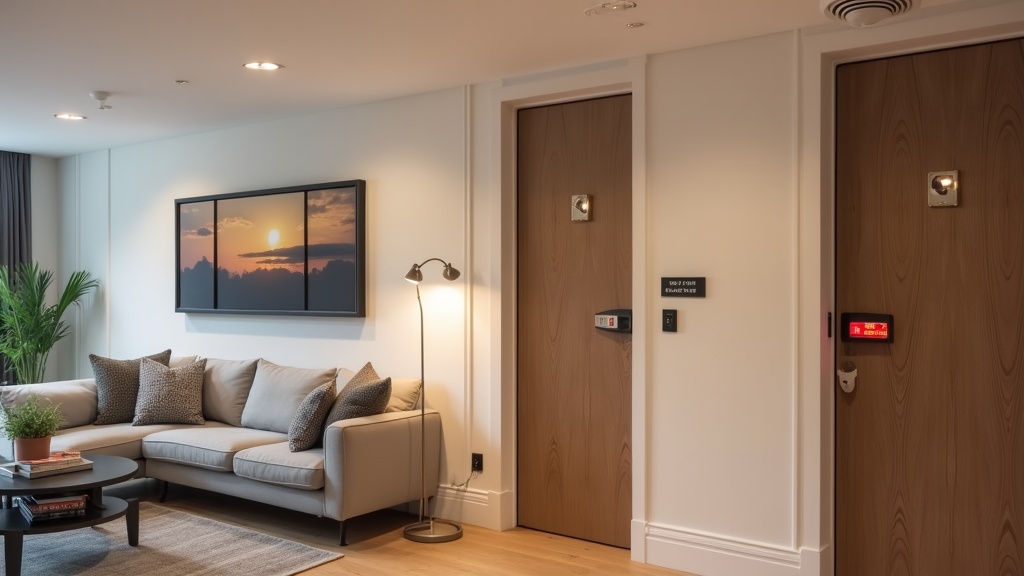
Approximately 12 London boroughs operate additional licensing schemes for short-term rentals, with fees ranging from £500-£2,000 and requirements including safety certificates, management plans, and neighbour consultation.
Westminster was among the first to introduce short-term letting licensing in 2021, charging £1,100 for a five-year licence. The application requires detailed management plans, 21-day neighbour consultation, and comprehensive safety documentation. Similar schemes operate in Camden, Hackney, and Tower Hamlets, each with varying requirements and fees.
These borough schemes sit alongside any planning permission requirements. You might need both planning permission and a licence to operate legally. The licensing conditions typically include maximum occupancy limits, noise management protocols, and requirements for 24-hour contact arrangements.
Enforcement varies by borough, but penalties can include unlimited fines and prosecution. Westminster has issued numerous penalty charge notices of £500-£1,000 for unlicensed operations. Tower Hamlets has pursued prosecution cases resulting in fines exceeding £10,000.
The licensing landscape continues evolving. Several additional boroughs are consulting on introducing schemes in 2026, potentially affecting hosts who currently operate without borough-specific requirements.
What are the noise and antisocial behaviour regulations for London Airbnb hosts?
London hosts face strict liability for guest behaviour under noise abatement legislation, with councils able to serve immediate closure orders and fines up to £5,000 for repeat offences.
The Environmental Protection Act 1990 makes property owners responsible for statutory nuisances, including noise from short-term rental guests. London boroughs have extensive powers to investigate complaints, serve abatement notices, and pursue prosecution. Unlike traditional nuisance law, these powers don't require proof of intent or negligence.
Many councils operate dedicated short-term letting enforcement teams. They can serve noise abatement notices requiring immediate action to prevent recurrence. Breach of these notices can result in prosecution and unlimited fines. Some boroughs also use closure powers under the Anti-Social Behaviour, Crime and Policing Act 2014.
The most effective defence is proactive management. This includes comprehensive house rules, noise monitoring systems, 24-hour contact arrangements, and swift response protocols. Some hosts install noise monitoring devices that alert them to potential issues before neighbours complain.
Recent case law suggests that repeat complaints, even if individually minor, can justify enforcement action. Courts have imposed fines exceeding £15,000 where hosts failed to take adequate preventive measures after receiving warnings.
How do London building regulations affect short-term rental properties?
London short-term rentals must comply with building regulations for any structural changes, with specific requirements for means of escape, ventilation, and accessibility that differ from standard residential obligations.
Converting residential property for commercial use often triggers building regulations approval, particularly for changes affecting fire safety, structural integrity, or accessibility. This includes installing additional bathrooms, removing walls, or changing room layouts to accommodate more guests.
Building control departments assess whether changes comply with current standards. Requirements might include upgraded fire doors, improved ventilation systems, or enhanced means of escape. The costs can be substantial—a typical compliance upgrade might cost £5,000-£25,000 depending on the work required.
Unauthorised building work can result in enforcement notices requiring removal or retrospective approval. Some mortgage lenders and insurers void policies where unauthorised commercial alterations exist, leaving hosts financially exposed.
The interaction with other regulations is crucial. Building regulations approval doesn't grant planning permission or satisfy licensing requirements, and vice versa. Each regime operates independently with separate application and approval processes.
What insurance and liability considerations apply to London Airbnb properties?
London Airbnb hosts require commercial insurance policies covering public liability, property damage, and loss of income, as standard residential policies typically exclude short-term rental activities.
Residential insurance policies contain specific exclusions for commercial activities, including short-term letting. Operating without appropriate cover could void your policy entirely, leaving you liable for all claims. The exposure includes guest injuries, property damage, theft, and consequential losses.
Commercial short-term rental insurance typically costs £300-£1,500 annually depending on property value, location, and coverage levels. Essential elements include public liability (minimum £2 million), property damage, contents cover, and employer's liability if you employ cleaners or managers.
Some insurers also offer regulatory defence cover, helping with legal costs if you face enforcement action. Given London's complex regulatory environment, this additional protection can be valuable, particularly for hosts operating multiple properties or in boroughs with active enforcement programmes.
Airbnb's Host Guarantee provides limited protection but doesn't replace comprehensive commercial insurance. The guarantee has numerous exclusions and doesn't cover liability claims or alternative accommodation costs during repairs.
Managing all these compliance requirements while optimising your listing performance can be challenging. Get your free Airbnb performance score to see how your listing stacks up against local competitors whilst you focus on regulatory compliance.
How do employment and tax obligations work for London Airbnb businesses?
London Airbnb hosts with substantial operations may become employers for cleaners and managers, triggering PAYE, National Insurance, and workplace safety obligations alongside income tax and VAT registration requirements.
The employment status of cleaners, property managers, and maintenance staff depends on the specific working arrangements. Factors include control over work methods, exclusivity, financial risk, and integration into your business. Getting this wrong can result in substantial liabilities for unpaid PAYE and National Insurance contributions.
Income tax applies to all rental profits, with specific rules for furnished holiday lettings that may provide tax advantages. VAT registration becomes mandatory when turnover exceeds £85,000, though voluntary registration might be beneficial for recovering input tax on business expenses.
Record-keeping requirements are extensive, particularly if you operate across multiple properties or face investigation. HMRC has increased compliance activity targeting short-term rental income, using data-sharing agreements with platforms to identify undeclared income.
The interaction with other business obligations can be complex. For example, employing staff triggers workplace safety responsibilities under the Health and Safety at Work Act, potentially requiring risk assessments, training programmes, and insurance arrangements.
What enforcement trends are emerging in London's Airbnb regulation?
London enforcement activity has intensified significantly, with data-sharing between platforms and councils, coordinated multi-borough operations, and penalties increasing from hundreds to tens of thousands of pounds for serious breaches.
Councils increasingly use sophisticated enforcement techniques, including data analytics to identify likely violations, coordinated operations across borough boundaries, and systematic monitoring of platform listings. Some employ external specialists to trace property ownership and identify regulatory breaches.
The penalty landscape has evolved from informal warnings to formal prosecution and substantial fines. Recent cases include fines exceeding £50,000 for planning breaches, £15,000 for noise violations, and confiscation proceedings targeting rental income from unlawful operations.
Technology plays an increasing role in both violation detection and evidence gathering. Councils use automated monitoring systems, noise measurement equipment, and data analysis tools to build enforcement cases. Social media and guest reviews provide additional evidence sources.
Looking ahead, expect continued intensification with additional boroughs introducing licensing schemes, enhanced data sharing between authorities, and potentially new enforcement powers through legislation currently under parliamentary consideration.
Are there any upcoming changes to London Airbnb regulations in 2026?
The Government is consulting on new national registration schemes, additional planning controls, and enhanced enforcement powers that could significantly impact London hosts from late 2025 onwards.
The Department for Culture, Media and Sport's consultation on short-term letting regulation proposes mandatory registration, enhanced planning controls, and new powers for local authorities. These changes could introduce standardised licensing across all London boroughs and stricter operational requirements.
Additional proposals include guest limits based on property size, mandatory safety standards exceeding current requirements, and enhanced information sharing between platforms, councils, and HMRC. The registration scheme might include fees, safety certificates, and regular renewal requirements.
Brexit-related changes continue affecting international guests, with potential impacts on demand patterns and booking behaviours. Some hosts report increased administrative burden from post-Brexit visitor requirements, though this varies by guest nationality and length of stay.
For the latest developments in regulatory requirements across the UK, our comprehensive UK Airbnb regulations guide provides regular updates and analysis of emerging trends.
Conclusion
London's Airbnb regulatory landscape extends far beyond the well-known 90-day rule, encompassing planning permission, fire safety, taxation, licensing, noise control, and numerous other requirements. Success requires understanding these interconnected obligations and maintaining proactive compliance across multiple regulatory regimes.
The enforcement environment continues intensifying, with substantial penalties for violations and increasingly sophisticated detection methods. However, hosts who invest in proper compliance can build sustainable, profitable businesses in one of the world's premier tourism markets.
Ready to optimise your listing whilst staying compliant? Get your free performance score at LetGrow and discover how your property measures up against local competition.
Frequently Asked Questions
Do I need planning permission for any Airbnb letting in London?
Not necessarily. Properties can operate for up to 90 days per year under permitted development rights in most London boroughs. However, some areas have Article 4 directions removing these rights entirely, requiring planning permission from day one.
How much do business rates cost for London Airbnb properties?
Business rates typically cost £3,000-£15,000 annually depending on property location and rateable value. This replaces council tax when properties are used commercially for short-term letting. Small business rate relief may reduce or eliminate liability for lower-value properties.
Which London boroughs require additional licensing for Airbnb?
Approximately 12 boroughs including Westminster, Camden, Hackney, and Tower Hamlets operate licensing schemes with fees of £500-£2,000. Requirements typically include safety certificates, management plans, and neighbour consultation periods.
What fire safety equipment is mandatory for London Airbnb properties?
All properties need working smoke alarms on every floor and carbon monoxide detectors near solid fuel appliances. Properties accommodating over six guests may require formal fire risk assessments and additional safety measures.
Can councils immediately shut down London Airbnb properties?
Yes, councils have extensive powers including noise abatement notices, closure orders under antisocial behaviour legislation, and prohibition notices for fire safety breaches. These can stop operations immediately pending compliance.
What insurance do London Airbnb hosts need?
Commercial short-term rental insurance is essential, as residential policies exclude business use. Required coverage includes public liability (minimum £2 million), property damage, contents, and potentially employer's liability for staff.