

Manchester's summer season presents a unique opportunity for Airbnb hosts to maximise their revenue during the city's peak tourism months. With the right Airbnb Manchester summer pricing peak strategy, hosts can capitalise on increased demand from festival-goers, business travellers, and tourists exploring the city's rich cultural offerings. Understanding how to price your Manchester property during these crucial months can mean the difference between modest returns and exceptional profits.
The key to successful summer pricing lies in understanding Manchester's specific seasonal patterns, local events, and guest behaviour. Unlike coastal destinations where weather drives demand, Manchester's peak season is influenced by business conferences, music festivals, football matches, and cultural events that draw visitors from across the UK and beyond.
What Makes Manchester's Summer Peak Season Different?
Manchester's peak season typically runs from May through August, but with distinct characteristics that set it apart from other UK destinations. The city sees a 35-45% increase in Airbnb demand during summer months, driven primarily by business travel, festival tourism, and improved weather encouraging city breaks.
Unlike beach towns where weekends dominate, Manchester maintains strong midweek demand due to its business district and conference venues. The Manchester Central Convention Complex, AO Arena events, and Etihad Stadium matches create demand spikes that savvy hosts can leverage. Summer also brings the Manchester International Festival, Pride events, and numerous music festivals that can fill properties at premium rates.
The city's diverse guest profile during summer includes business travellers extending stays into weekends, international tourists using Manchester as a Northern England base, and domestic visitors attending events. This variety means hosts can't rely on a one-size-fits-all pricing approach.
Key Demand Drivers in Manchester Summer
Understanding what brings guests to Manchester during peak season helps inform your pricing strategy:
- Business conferences and events: Manchester Central and university venues host major conferences
- Music and cultural festivals: Parklife, Manchester International Festival, and numerous smaller events
- Football season overlap: Late Premier League matches and pre-season friendlies
- University graduations: Significant demand spikes in June and July
- Improved weather: More tourists willing to explore the city on foot
How Should You Price Your Manchester Airbnb During Peak Summer Months?

Effective summer pricing requires a dynamic approach that responds to Manchester's specific demand patterns. Base rates should increase 25-40% above off-season pricing, but the real opportunity lies in identifying and capitalising on high-demand dates.
Start by establishing your summer baseline rate—typically 25-35% above your winter rate for comparable Manchester properties. However, this baseline should fluctuate based on local events, day of the week, and booking lead times. Successful hosts often use a tiered approach: standard summer rates, enhanced rates for known events, and premium rates for major festivals or conferences.
Monitor competitor pricing weekly during summer months, as Manchester's event-driven demand creates rapid price movements. Properties within walking distance of event venues can command significant premiums, while those requiring transport connections should price more conservatively but still above off-season rates.
Event-Based Pricing Opportunities
Manchester's event calendar provides clear pricing opportunities. Research and calendar major events at least 3-6 months in advance:
- Manchester Pride (August): Can support 50-80% rate increases in city centre properties
- Parklife Festival (June): Two-day event with strong accommodation demand
- Manchester International Festival (July, every two years): Extended cultural event with sustained demand
- University graduation ceremonies: Predictable annual demand spikes
- Major conferences: Often block-book hotels, creating Airbnb opportunities
LetGrow's pricing analysis helps identify these opportunities by comparing your rates against local market data and suggesting optimal pricing for specific dates.
What's the Best Occupancy Strategy for Manchester Airbnb Peak Season?
Balancing occupancy and revenue during Manchester Airbnb peak season requires understanding guest booking patterns and your property's competitive position. Aim for 75-85% occupancy during summer months, leaving room for last-minute premium bookings while ensuring consistent income.
Manchester guests typically book 2-8 weeks in advance for leisure travel, but business travellers often book within 1-2 weeks. This creates opportunities for dynamic pricing—accept longer-lead bookings at moderate premiums, then increase rates for remaining availability as check-in dates approach.
Consider implementing minimum stay requirements strategically. While 2-3 night minimums work well for festival weekends, single-night stays can be profitable for business travellers on specific weekdays. Analyse your booking patterns to identify optimal minimum stays for different periods.
Balancing Rate and Occupancy
The key metrics to monitor during peak season include:
- Revenue per Available Night (RevPAN): Your total revenue divided by available nights
- Average Daily Rate (ADR): Revenue per booked night
- Booking lead time: How far in advance guests book
- Cancellation rates: Higher rates may increase cancellations
If occupancy drops below 70% during peak months, consider rate adjustments. If you're achieving 95%+ occupancy, you're likely underpriced and missing revenue opportunities.
When Should You Implement Dynamic Pricing in Manchester?
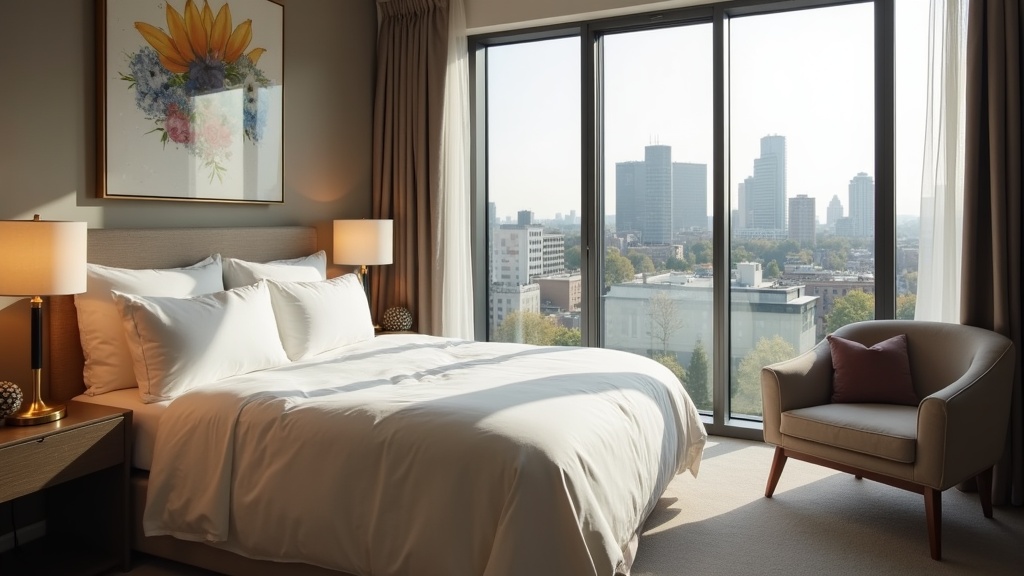
Dynamic pricing becomes crucial in Manchester from April onwards, as summer booking patterns emerge. The city's event-driven demand creates pricing opportunities that static rates cannot capture effectively.
Implement dynamic adjustments based on several factors: booking lead time, local event calendars, competitor pricing changes, and seasonal demand patterns. Increase rates 10-20% for bookings made within two weeks of check-in during peak months, as these often represent urgent business travel or last-minute event attendance.
Weather also plays a role in Manchester summer pricing. Unusually good weather forecasts can increase weekend demand by 15-25%, while poor weather might slightly reduce leisure bookings (though business travel remains stable).
For hosts managing multiple properties or lacking time for constant monitoring, professional pricing optimisation tools can automate these adjustments while maintaining profitability focus.
Key Dynamic Pricing Triggers
Adjust your rates when you observe:
- Event announcements: New festivals or conferences announced
- Competitor rate changes: Significant increases or decreases in your area
- Booking velocity changes: Faster or slower booking than normal
- Weather forecasts: Particularly good or poor weekend weather
- Last-minute availability: High-demand dates approaching with availability
How Do Manchester Summer Guests Differ from Other Seasons?
Summer guests in Manchester typically have different expectations and spending patterns compared to off-season visitors. Understanding these differences helps optimise both pricing and property positioning.
Summer visitors are often willing to pay premiums for convenience, location, and amenities that enhance their stay. Business travellers extending trips into leisure time may book higher-category properties, while festival-goers prioritise location over luxury but still pay premium rates for proximity.
International visitors increase during summer months, often staying longer (4-7 nights) and using Manchester as a base for exploring Northern England. These guests typically book earlier and are less price-sensitive, providing stable revenue foundations.
The increased proportion of leisure travellers during summer means amenities like outdoor spaces, central heating (for unpredictable weather), and entertainment options become more valuable. Properties with balconies, patios, or easy access to outdoor areas can justify higher rates.
Optimising for Summer Guest Preferences
Summer-specific optimisations that support higher pricing include:
- Proximity marketing: Highlight walking distances to summer venues and events
- Weather-ready amenities: Umbrellas, light jackets, and local weather information
- Extended stay packages: Discounts for 5+ nights to attract international visitors
- Local experience guides: Curated recommendations for summer activities
Not sure how your listing appeals to summer guests? Get your free Airbnb performance score and see how your amenities and description stack up against local competitors.
What Are the Common Pricing Mistakes Manchester Hosts Make?
Many Manchester hosts leave significant revenue on the table through common summer pricing Manchester mistakes. The most frequent error is applying generic seasonal increases without considering Manchester's specific demand drivers.
Setting uniform rate increases across all summer dates ignores the event-driven nature of Manchester tourism. A 30% increase might be appropriate for festival weekends but excessive for quiet midweek periods in early June. Conversely, major events can support 50-80% increases that flat seasonal pricing misses entirely.
Another common mistake is failing to differentiate between business and leisure demand. Manchester maintains strong midweek business demand even during summer, but these guests have different price sensitivity and booking patterns than weekend leisure visitors.
Many hosts also underestimate their competition during peak season. New properties enter the market, established hosts improve their offerings, and hotels adjust their rates. Regular competitive analysis ensures your pricing remains optimal.
Avoiding Revenue-Limiting Mistakes
Common pricing errors to avoid:
- Static seasonal increases: Ignoring event-specific opportunities
- Under-pricing event dates: Missing premium opportunities during festivals
- Over-pricing quiet periods: Reducing occupancy unnecessarily
- Ignoring minimum stays: Leaving money on weekend bookings
- Reactive pricing: Only adjusting after missing bookings
Understanding the broader context of UK Airbnb pricing strategy helps avoid these location-specific mistakes while maintaining competitive positioning.
How Can You Track Your Summer Pricing Performance?
Measuring success during Manchester's peak season requires tracking metrics beyond simple occupancy rates. Revenue per available night (RevPAN) provides the clearest picture of pricing effectiveness, combining both rate and occupancy performance.
Monitor booking lead times during summer months, as changes often signal pricing opportunities. If average lead times decrease, you might have room for rate increases. Increasing lead times might indicate rates are too high for current demand.
Track your performance against comparable Manchester properties using available market data. Your occupancy rate should align with local averages unless you're deliberately pricing at a premium tier. Significantly higher occupancy might indicate underpricing, while much lower rates could signal overpricing or property issues.
Guest reviews during peak season often reveal whether your pricing aligns with guest expectations. Comments about 'excellent value' might indicate room for rate increases, while complaints about cost suggest pricing pressure.
Key Performance Metrics
Track these metrics weekly during peak season:
- Revenue per Available Night: Total revenue ÷ available nights
- Average booking lead time: Days between booking and check-in
- Booking conversion rate: Views to booking ratio
- Repeat guest percentage: Indicates pricing/value balance
- Review sentiment analysis: Guest satisfaction with value proposition
Want a comprehensive analysis of your summer performance? LetGrow analyses your pricing, occupancy, and competitive position with specific recommendations for optimisation.
Preparing Your Manchester Airbnb for Next Summer
Successful peak season pricing starts with preparation months in advance. Begin planning your summer strategy in February, researching upcoming events, analysing previous year performance, and identifying improvement opportunities.
Review your listing photos and description to ensure they appeal to summer visitors. Highlight proximity to outdoor spaces, event venues, and transport links. Summer guests often book based on location convenience, making these features crucial selling points.
Consider amenity upgrades that support higher summer rates. Air conditioning becomes valuable during hot spells, outdoor furniture attracts longer-staying guests, and festival-friendly features like secure luggage storage can justify premiums during event periods.
Understanding Manchester's regulatory environment ensures your summer plans comply with local requirements, avoiding disruptions during peak revenue months.
Frequently Asked Questions
When does peak season start for Manchester Airbnb properties?
Manchester's peak season typically begins in May and runs through August, with demand building from April as business travel increases and event bookings commence. The strongest demand usually occurs June through August.
How much should I increase my rates for Manchester summer season?
Most successful Manchester hosts increase summer rates 25-40% above off-season pricing, with additional premiums of 50-80% for major events like Manchester Pride or Parklife Festival. The exact increase depends on your property location and amenities.
Should I use different pricing for weekdays vs weekends in summer?
Yes, but Manchester's business district maintains strong midweek demand even in summer. Implement modest weekend premiums (10-20%) rather than dramatic differences, adjusting higher during festival weekends and major events.
What's the best minimum stay policy for Manchester summer bookings?
Use flexible minimum stays: 2-3 nights for festival weekends, single nights accepted for business travel periods, and consider 4+ night minimums for major event periods when demand significantly exceeds supply.
How far in advance should I set my summer pricing?
Set base summer rates 3-4 months in advance, but remain flexible for dynamic adjustments. Event-based pricing should be implemented as soon as events are announced, often 6+ months ahead for major festivals.
What amenities justify higher summer rates in Manchester?
Air conditioning, outdoor spaces, proximity to event venues, secure parking, and festival-friendly features like early check-in options can support premium pricing. Central location with walking access to venues provides the strongest pricing power.
Ready to optimise your Manchester Airbnb for peak summer performance? Understanding local demand patterns and implementing the right pricing strategy can significantly boost your summer revenue. Remember that successful peak season pricing combines market knowledge with flexibility, allowing you to capture both steady base demand and premium event-driven opportunities. Get your free listing score at LetGrow to see how your property compares and identify specific opportunities for summer success.