
Understanding Airbnb mortgage clause requirements is crucial for UK hosts who want to operate legally and maintain their mortgage terms. Most lenders require specific disclosure and consent before you can rent your property on platforms like Airbnb, with failure to comply potentially voiding your mortgage or triggering penalty rates. The right approach to airbnb mortgage clause lender disclosure protects both your investment and your hosting business.
What is an Airbnb Mortgage Clause and Why Does it Matter?
An Airbnb mortgage clause is a contractual provision that governs whether and how you can use your mortgaged property for short-term rentals. Most UK residential mortgages include clauses restricting commercial use or subletting without explicit lender consent.
The mortgage deed typically states that the property must be used as your "principal private residence" or similar wording. This creates a potential conflict when you start hosting guests, as lenders view short-term rentals as commercial activity that changes the risk profile of their loan.
Recent industry data shows that 73% of UK mortgage providers now have specific policies regarding Airbnb hosting, compared to just 34% in 2019. This shift reflects lenders' growing awareness of the short-term rental market and their need to manage associated risks.
Breaching these clauses can result in your lender demanding immediate repayment, switching you to a higher commercial rate, or in extreme cases, initiating repossession proceedings. The good news is that many lenders are becoming more accommodating when approached correctly.
Do I Need to Tell My Mortgage Lender About Airbnb Hosting?

Yes, you must inform your mortgage lender before starting Airbnb hosting in almost all cases. UK mortgage contracts typically require disclosure of any change in property use, and short-term rentals constitute a material change from residential occupation.
The only exceptions are rare mortgage products specifically designed for rental properties or buy-to-let mortgages that explicitly permit short-term letting. Standard residential mortgages always require consent.
Here's what counts as hosting that requires disclosure:
- Renting entire property while you're away
- Offering spare rooms to guests
- Regular hosting (even just weekends)
- Holiday lets during peak seasons
- Any arrangement where strangers pay to stay overnight
Even occasional hosting triggers this requirement. One weekend per month is still commercial use in most lenders' eyes. The frequency doesn't matter – the change in property use does.
Some hosts mistakenly believe they can host "under the radar" for small amounts. This is risky because lenders can discover hosting through various channels: insurance claims, neighbour complaints, council investigations, or routine property checks.
How Do UK Mortgage Lenders View Airbnb Properties?
UK lenders generally view Airbnb properties as higher-risk investments due to increased wear, insurance complications, and potential regulatory changes. However, their specific policies vary significantly across providers and mortgage types.
Major UK lenders fall into three categories:
Accommodating Lenders: Halifax, Santander, and NatWest typically allow occasional hosting (under 90 days annually) on residential mortgages with consent. They may charge arrangement fees (£100-£300) but rarely increase rates for limited hosting.
Restrictive Lenders: Barclays, HSBC, and Lloyds often prohibit short-term rentals on residential mortgages entirely, requiring borrowers to switch to commercial or buy-to-let products with higher rates.
Case-by-Case Lenders: Yorkshire Building Society, Nationwide, and smaller providers assess each application individually, considering factors like hosting frequency, property type, and borrower history.
Lenders' main concerns include:
- Increased property damage from transient guests
- Higher insurance claims risk
- Potential planning permission issues
- Regulatory uncertainty around short-term rentals
- Borrower's ability to service debt if hosting income disappears
Understanding your lender's specific stance helps you approach the conversation strategically and increases approval chances.
What Information Do Lenders Require for Airbnb Consent?
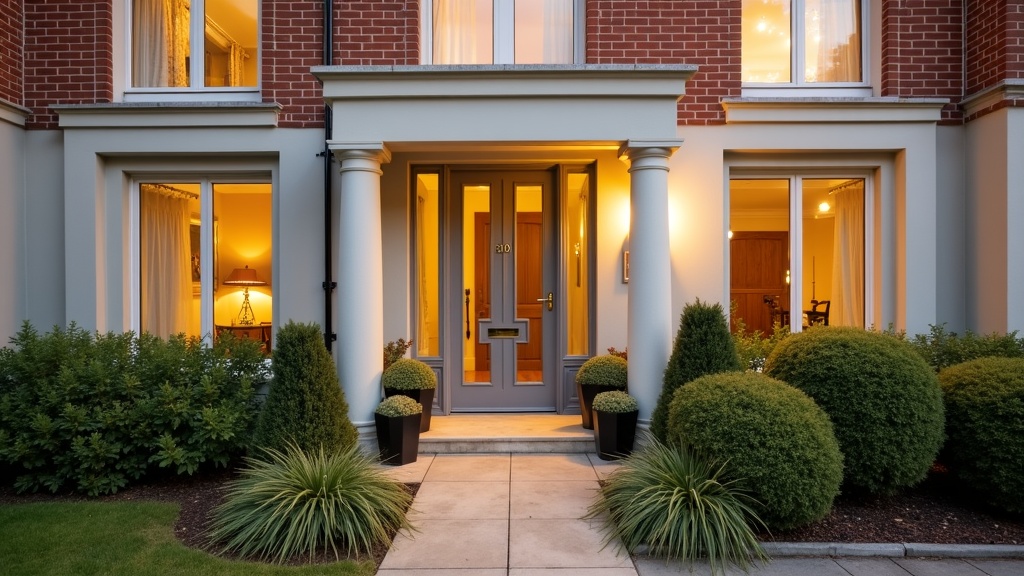
When seeking mortgage lender airbnb consent, lenders typically request comprehensive information about your hosting plans to assess risk and ensure compliance with their criteria.
Standard documentation requirements include:
Hosting Details:
- Intended hosting frequency (days per year)
- Property areas to be rented (whole property vs. spare rooms)
- Target guest types (business travellers, tourists, etc.)
- Estimated rental income
- Hosting platform(s) you'll use
Property Information:
- Current property value and mortgage balance
- Existing insurance policy details
- Property condition and any planned improvements
- Local planning restrictions or licensing requirements
Financial Documentation:
- Recent payslips and bank statements
- Proof you can service the mortgage without rental income
- Business plan for hosting activities
- Tax registration details (if applicable)
Some lenders also require evidence of appropriate insurance coverage, professional cleaning arrangements, and compliance with local regulations. For properties in areas with specific Manchester Airbnb rules or London's complex regulatory framework, additional compliance documentation may be needed.
Presenting this information proactively demonstrates professionalism and increases your chances of approval. If you're optimising your listing for maximum appeal to both guests and lenders, LetGrow's free listing score shows you exactly where you stand and helps identify areas for improvement.
How to Approach Your Lender About Airbnb Hosting
Successfully obtaining lender consent requires careful preparation and strategic communication that addresses their concerns while highlighting the benefits of your hosting plans.
Before Making Contact:
Research your lender's current policies by checking their website, calling their customer services, or consulting mortgage advisers familiar with their approach. Some lenders have dedicated teams for consent to let applications.
Prepare a comprehensive proposal document including all required information plus additional risk mitigation measures. This might include higher insurance coverage, professional property management, or restrictions on guest types.
During the Conversation:
Frame hosting as occasional use rather than a business venture, especially if you plan limited hosting. Emphasise that the property remains your primary residence and hosting provides supplementary income rather than replacing your salary.
Highlight risk mitigation measures you've implemented:
- Comprehensive insurance covering short-term rentals
- Professional cleaning and maintenance arrangements
- Robust guest screening procedures
- Property security measures (smart locks, CCTV, etc.)
- Emergency contact arrangements for guests and neighbours
Be transparent about your hosting plans rather than understating them. Lenders prefer honest borrowers who might host more frequently to those who underestimate and later exceed stated limits.
Common Mistakes to Avoid:
- Presenting hosting as a get-rich-quick scheme
- Overestimating potential rental income
- Failing to address insurance requirements
- Ignoring local planning or licensing rules
- Not having a backup plan if hosting income disappears
Remember that lenders are more likely to approve well-planned hosting arrangements that demonstrate responsible property management and realistic income expectations.
What Happens If You Don't Disclose Airbnb Activity?
Failing to disclose Airbnb hosting to your mortgage lender constitutes a breach of contract that can trigger serious financial and legal consequences, making transparency the only sensible approach.
Immediate Consequences:
If discovered, lenders typically demand immediate cessation of hosting activities and may impose penalty charges. Many switch borrowers to higher commercial rates retrospectively, sometimes adding 1-3% to your mortgage rate.
Some lenders invoke acceleration clauses, demanding immediate repayment of the entire mortgage balance. While rare for first offences, this nuclear option demonstrates the seriousness of mortgage breaches.
Long-term Implications:
Mortgage breaches appear on your credit file and can affect future borrowing. When remortgaging, new lenders often ask about previous breaches, potentially limiting your options or increasing rates.
Insurance complications also arise. If an incident occurs during undisclosed hosting, insurers may refuse claims on grounds of material non-disclosure, leaving you personally liable for damages, legal costs, or injury claims.
How Lenders Discover Undisclosed Hosting:
- Council tax investigations or licensing applications
- Insurance claims involving unknown occupants
- Neighbour complaints to local authorities
- Routine property inspections or valuations
- Social media posts or online listing discoveries
- HMRC enquiries into undeclared rental income
The interconnected nature of modern financial and regulatory systems makes discovery increasingly likely. With local authorities developing more sophisticated monitoring of short-term rentals and fire safety regulations requiring formal compliance, operating without disclosure becomes progressively riskier.
For comprehensive guidance on legal requirements beyond mortgage compliance, our complete UK Airbnb regulations guide covers all aspects of compliant hosting.
Alternative Financing Options for Airbnb Properties
If your current lender refuses consent or imposes unrealistic restrictions, several alternative financing routes can support your Airbnb hosting ambitions while maintaining legal compliance.
Buy-to-Let Mortgages:
Switching to a buy-to-let mortgage provides explicit rental permissions but requires meeting different criteria. You'll need higher deposits (typically 25-40%), demonstrate rental income potential, and accept higher interest rates (usually 1-2% above residential rates).
Buy-to-let mortgages often restrict short-term rentals to specific percentages (e.g., maximum 50% of annual letting) or require additional consent, so check terms carefully.
Commercial Mortgages:
For dedicated Airbnb properties or portfolio hosts, commercial mortgages offer complete flexibility but require business plans, higher deposits, and commercial rates. They suit hosts treating rental as a primary business rather than supplementary income.
Specialist Short-Term Rental Mortgages:
A growing number of specialist lenders offer products designed specifically for Airbnb hosts. Companies like Fleet Mortgages, Precise Mortgages, and Foundation Home Loans provide products that explicitly permit short-term rentals.
These mortgages typically feature:
- Standard residential rates for qualifying borrowers
- Explicit short-term rental permissions
- Flexible hosting frequency allowances
- Professional landlord insurance requirements
Remortgaging Considerations:
Before switching products, compare total costs including arrangement fees, valuation costs, legal fees, and early repayment charges on your existing mortgage. Sometimes paying a small premium for consent beats switching costs.
For detailed analysis of tenancy law implications when considering different mortgage products, our guide to Airbnb mortgage and tenancy law provides comprehensive coverage.
Insurance and Legal Requirements Beyond the Mortgage
Securing mortgage consent represents just one aspect of legal Airbnb hosting, with insurance coverage and regulatory compliance equally crucial for protecting your investment and avoiding legal issues.
Insurance Requirements:
Standard home insurance policies exclude short-term rental activities, making specialist coverage essential. Airbnb's Host Guarantee and Host Protection programs provide some coverage but don't replace comprehensive insurance.
Required coverage includes:
- Property Insurance: Covers building damage from guests, including accidental and malicious damage
- Contents Insurance: Protects furnishings, electronics, and personal belongings
- Public Liability: Covers injury claims from guests or visitors (minimum £2 million recommended)
- Loss of Income: Compensates for booking cancellations due to property damage
Providers like Hamilton Fraser, Schofields, and Pikl offer Airbnb-specific policies, while traditional insurers increasingly offer short-term rental endorsements.
Regulatory Compliance:
Beyond mortgage requirements, hosts must comply with local planning laws, licensing schemes, and safety regulations. Many areas require specific permits or restrict short-term rentals in residential zones.
Key compliance areas include:
- Planning permission for change of use (required in some councils)
- Business rates registration for frequently rented properties
- Fire safety compliance and risk assessments
- Energy Performance Certificate requirements
- Gas and electrical safety certifications
For hosts managing multiple compliance requirements while optimising their listings for maximum revenue, LetGrow analyses your title, photos, pricing, and amenities for free — helping ensure your property appeals to guests while meeting all legal requirements.
Guest Screening and Safety:
Responsible hosting includes implementing proper guest screening procedures that balance legal requirements with practical hosting needs. This becomes particularly important when demonstrating responsible property management to mortgage lenders and insurers.
Future-Proofing Your Airbnb Mortgage Strategy
The regulatory landscape around airbnb finance rules continues evolving, making forward-thinking mortgage strategies essential for long-term hosting success and financial security.
Regulatory Trends to Watch:
Government proposals for national short-term rental registration could affect lender policies, while local authorities increasingly implement licensing schemes that impact hosting viability. Brexit-related changes to tourism patterns also influence lender risk assessments.
Planning reforms may restrict short-term rentals in residential areas, potentially affecting property values and lender willingness to finance Airbnb properties. Staying informed about these developments helps you adapt your strategy proactively.
Building Lender Relationships:
Maintain regular communication with your lender, providing annual updates on hosting activities, income, and any changes to local regulations. This transparency builds trust and makes future consent applications smoother.
Keep detailed records of hosting income, expenses, and occupancy rates. This data supports remortgage applications and demonstrates professional property management to potential new lenders.
Exit Strategy Planning:
Develop contingency plans for scenarios where hosting becomes unviable due to regulatory changes, market conditions, or personal circumstances. Ensure you can service your mortgage without rental income and maintain the property as a family home if needed.
Consider how hosting affects long-term property value and sellability. Some areas see Airbnb restrictions as reducing property values, while others benefit from proven rental income potential.
Portfolio Expansion Considerations:
If planning to expand your Airbnb portfolio, establish relationships with specialist lenders early. Portfolio landlord mortgages often provide better terms than multiple individual products but require demonstrating successful hosting experience.
Understanding how different mortgage products interact becomes crucial when managing multiple properties with varying hosting strategies and regulatory requirements.
Frequently Asked Questions
Can I host on Airbnb without telling my mortgage lender?
No, UK mortgage contracts typically require disclosure of any commercial use or change in property occupation. Undisclosed hosting constitutes a breach that can trigger penalty rates or mortgage acceleration.
Will my mortgage lender automatically say no to Airbnb hosting?
Not necessarily. Many UK lenders now permit limited short-term rentals with consent, especially for occasional hosting under 90 days annually. Approach varies significantly between providers.
How much does mortgage lender consent for Airbnb cost?
Consent fees typically range from free to £300, depending on your lender and mortgage type. Some charge annual fees for ongoing consent, while others impose one-time arrangement charges.
Do I need a buy-to-let mortgage for Airbnb hosting?
Not always. Many lenders permit limited short-term rentals on residential mortgages with consent. Buy-to-let mortgages are typically required only for frequent hosting or investment properties where you don't reside.
What happens to my mortgage if local councils ban Airbnb?
Regulatory changes that prevent hosting don't typically affect existing mortgage terms, provided you comply with new rules. However, property values may be impacted, affecting remortgage options.
Can mortgage lenders increase my rate for Airbnb hosting?
Some lenders impose commercial rates or premium pricing for properties used for short-term rentals. Others permit hosting at standard residential rates with appropriate consent and restrictions.
Successfully navigating Airbnb mortgage requirements protects both your property investment and hosting business while ensuring full legal compliance. Whether you're just starting out or expanding your hosting operation, understanding these requirements from the outset prevents costly complications later. Ready to see how your listing measures up? Get your free score at LetGrow and ensure your property is optimised for both guest appeal and regulatory compliance.