
Managing an Airbnb property comes with numerous responsibilities, but perhaps none is more fraught with potential legal complications than dealing with noise complaints. Understanding Airbnb noise complaints legal liability in England is crucial for hosts who want to protect themselves from costly disputes, council enforcement action, and damage to their hosting reputation. With rising numbers of short-term rental properties across English cities, noise-related issues have become a primary concern for both hosts and local authorities.
The legal landscape surrounding noise disturbances from Airbnb properties involves multiple layers of regulation, from environmental health legislation to tenancy agreements and insurance policies. Hosts who fail to address noise issues proactively often find themselves facing statutory nuisance proceedings, neighbour disputes, and potential liability for damages—consequences that can far exceed the revenue from a few bookings.
What Legal Liability Do Airbnb Hosts Face for Guest Noise in England?
Airbnb hosts in England can face significant legal liability for noise complaints, including statutory nuisance proceedings under the Environmental Protection Act 1990, civil claims from neighbours, and potential breaches of tenancy or mortgage agreements.
Under English law, hosts are considered responsible for the conduct of their guests, particularly when it comes to noise disturbances that affect neighbouring properties. The Environmental Protection Act 1990 defines statutory nuisance to include noise that is "prejudicial to health or a nuisance," and local authorities have powers to serve abatement notices on property owners—not just the guests causing the disturbance.
When a local council receives noise complaints about an Airbnb property, they can investigate and potentially serve a noise abatement notice on the host. Failure to comply with such notices can result in prosecution, with maximum fines of £5,000 for residential properties (or £20,000 for commercial premises). Repeat offences can lead to confiscation of noise-making equipment and daily penalties until the nuisance ceases.
Beyond statutory enforcement, hosts may also face civil liability. Neighbours affected by persistent noise disturbances can pursue claims for nuisance, seeking damages for loss of enjoyment of their property, sleep disturbance, or even reduction in property value. Some successful claims have resulted in compensation awards exceeding £10,000, particularly where the noise issues have persisted over extended periods.
How Do Airbnb Noise Disturbance Laws Apply to Short-Term Rentals?
Short-term rental properties are subject to the same noise regulations as any residential property, but enforcement tends to be stricter due to the temporary nature of guests and higher likelihood of complaints from established residential neighbours.
Local authorities across England have increasingly focused on short-term rental properties when investigating noise complaints. Unlike long-term tenancies where noise issues might be resolved through direct communication with established residents, Airbnb properties present unique challenges due to constantly changing occupants who may be unfamiliar with local noise expectations and property-specific considerations.
The Control of Pollution Act 1974 and subsequent legislation give councils broad powers to investigate noise complaints between 11pm and 7am. Many councils now have dedicated teams for investigating commercial noise sources, which can include Airbnb properties operating under business use classifications. Bristol City Council, for example, has reported a 300% increase in noise complaints related to short-term rentals since 2019.
Some councils have introduced specific licensing schemes that include noise management requirements. Manchester's selective licensing scheme requires landlords operating short-term lets to demonstrate adequate noise management procedures, including guest information packs and 24-hour contact arrangements for complaints.
For hosts managing multiple properties or those seeking to optimise their operations while ensuring compliance, understanding these regulatory requirements is essential. LetGrow's free listing score includes analysis of how your property setup and guest communication might impact neighbour relations and regulatory compliance.
What Neighbour Complaints Protection Can Hosts Implement?
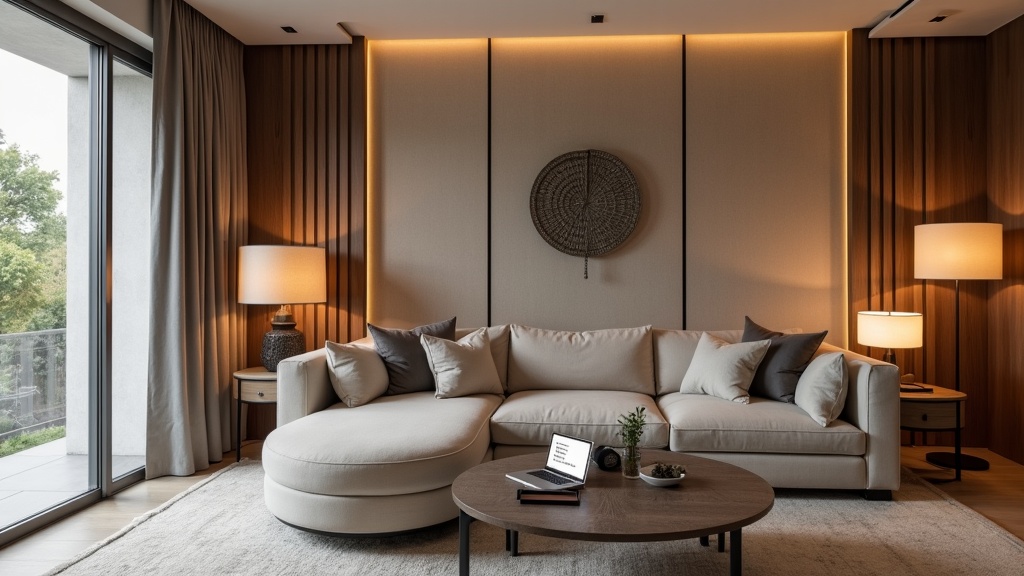
Effective neighbour complaints protection involves proactive guest communication, property soundproofing measures, clear house rules, and maintaining positive relationships with surrounding residents before issues arise.
The most effective protection strategy begins with prevention. Successful hosts typically implement a multi-layered approach that addresses noise at source rather than responding reactively to complaints. This includes detailed property assessments to identify potential noise transmission routes, from thin walls and floors to external noise-sensitive areas like shared gardens or balconies.
Guest Communication Protocol: Establish clear noise expectations before arrival through automated messages, in-property signage, and digital house rules. Specify quiet hours (typically 10pm-8am), identify noise-sensitive areas within the property, and provide alternatives for normal activities that might create disturbance. For example, if the kitchen is above a neighbour's bedroom, suggest evening meal preparation before 9pm.
Physical Noise Mitigation: Investment in soundproofing measures can significantly reduce complaint risk. This might include carpet or rugs in upstairs properties, draft excluders around doors, acoustic panels in entertainment areas, or double-glazing in urban locations. Even simple measures like providing slippers for guests and foam pads under furniture legs can substantially reduce impact noise transmission.
Neighbour Relations Management: Proactive communication with immediate neighbours often proves more valuable than reactive damage control. Many successful hosts provide neighbours with direct contact details, explain their hosting approach, and even offer small gestures like occasional local treats or advance notice of potentially busier periods.
Technology solutions can also provide protection. Noise monitoring devices like Minut or NoiseAware can alert hosts to potential issues in real-time, allowing immediate intervention before neighbours feel compelled to complain to authorities. These systems typically detect sound levels without recording conversations, providing privacy protection whilst enabling noise management.
Insurance Coverage: Are Noise Complaint Costs Covered?
Standard home insurance policies typically exclude cover for noise complaint legal costs, making specialist short-term rental insurance essential for hosts seeking comprehensive protection against noise-related liability.
Most conventional home insurance policies contain specific exclusions for business activities, which includes Airbnb hosting in many cases. Even where basic cover applies, noise complaints and related legal costs often fall outside standard policy terms, particularly where they involve statutory nuisance proceedings or ongoing neighbour disputes.
Specialist Airbnb insurance products increasingly include legal expenses coverage for hosting-related disputes, including noise complaints. Providers like Alan Boswell and Schofields offer policies that cover legal representation costs, settlement negotiations, and even compensation payments in some circumstances. However, coverage terms vary significantly, with some policies excluding claims where the host has failed to implement reasonable noise prevention measures.
Key insurance considerations include ensuring your policy covers both criminal prosecution defence (for statutory nuisance charges) and civil liability (for neighbour compensation claims). Some policies also include access to 24-hour legal helplines, which can prove invaluable when dealing with urgent noise complaints or abatement notices.
For comprehensive guidance on protecting your investment, explore our detailed analysis of Airbnb host insurance options available in the UK, which covers noise-related liability alongside other hosting risks.
Council Enforcement Powers: What Happens After a Complaint?
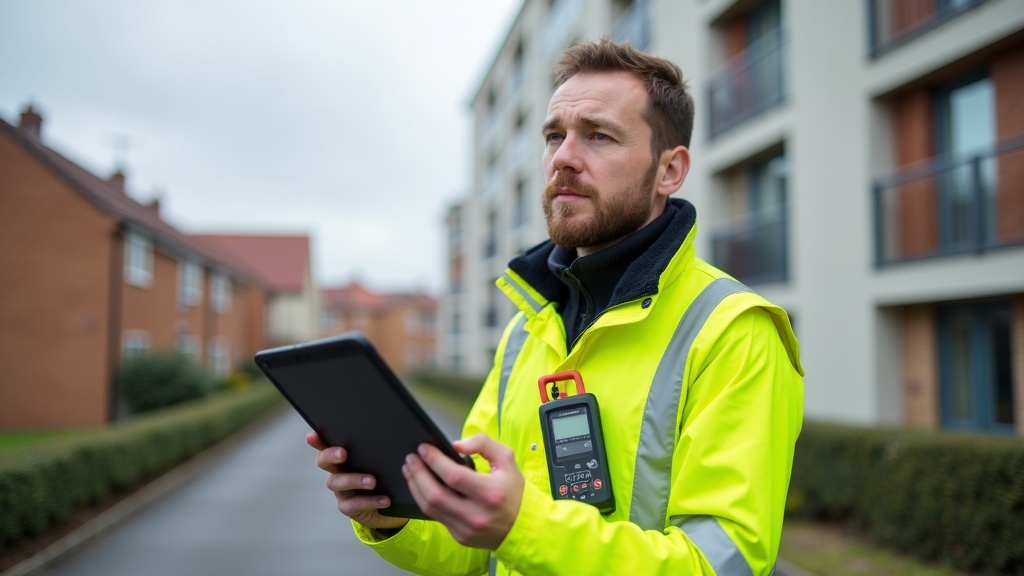
Local councils can investigate noise complaints within 24-48 hours, potentially leading to immediate abatement notices, equipment confiscation, and prosecution with fines up to £5,000 for residential properties.
The council enforcement process typically begins with an initial complaint assessment. Environmental health officers evaluate the nature, timing, and frequency of reported disturbances, often requesting detailed logs from complainants. For Airbnb properties, this initial assessment may include reviewing planning permission status and business registration requirements.
Investigation Procedures: Councils have broad powers to investigate noise complaints, including entering properties with appropriate notice (or immediately in urgent cases), installing monitoring equipment, and requiring hosts to provide guest contact details and booking records. Officers may conduct observational visits during peak times, particularly weekends and holiday periods when short-term rental activity is highest.
Abatement Notice Process: If officers determine that a statutory nuisance exists or is likely to recur, they can serve an abatement notice requiring specific actions to prevent future disturbances. For Airbnb properties, these notices often include requirements for soundproofing measures, guest number restrictions, quiet hour enforcement, and enhanced complaint response procedures.
Enforcement Escalation: Non-compliance with abatement notices can lead to prosecution in magistrates' courts, with conviction resulting in fines and criminal records. Additionally, councils can apply for noise equipment seizure orders, removing stereos, televisions, or other devices from properties where repeat offences occur.
Some councils have developed specific protocols for short-term rental enforcement. Cornwall Council's environmental health team maintains a database of Airbnb properties with previous complaints, enabling faster response to repeat issues and targeted educational outreach to hosts in high-risk areas.
Creating Effective House Rules for Noise Management
Legally robust house rules should specify exact quiet hours, identify noise-sensitive activities, explain potential consequences, and be communicated through multiple channels including booking platforms, welcome messages, and in-property displays.
Effective house rules serve both as prevention tools and legal protection, demonstrating to courts and councils that hosts have taken reasonable steps to prevent noise disturbances. The key lies in making rules specific, reasonable, and consistently enforced rather than relying on generic templates that may not address property-specific risks.
Specific Time Restrictions: Rather than vague requests to "be considerate," specify exact quiet hours and explain what activities are restricted. For example: "Quiet hours are 10pm-8am. During this time, please keep music, television, and conversation at levels that cannot be heard from outside the property. Outdoor spaces including balconies and gardens should not be used between 10pm-8am."
Activity-Specific Guidelines: Address common noise sources directly. Include guidance on shower and washing machine use (many properties restrict late-night laundry), door and window closing (particularly in terraced properties), and footwear recommendations for upper-floor properties. Consider providing specific alternatives: "If you need to make phone calls after 10pm, the front lounge is furthest from neighbouring bedrooms."
Consequence Communication: Clearly explain potential outcomes of noise complaints, both for guests and hosts. This might include immediate booking termination, additional charges for complaint resolution, and potential involvement of local authorities. Transparency often proves more effective than generic warnings.
Multi-Channel Delivery: Ensure rules reach guests through multiple touchpoints: Airbnb listing descriptions, automated pre-arrival messages, physical signs within the property, and digital house manuals. Consider language translations in tourist-heavy areas where international guests might miss nuances of English noise expectations.
Remember to review house rules regularly based on any complaints received or changes to local regulations. Some areas have introduced specific restrictions on short-term rental noise, particularly in historic or densely populated neighbourhoods.
Emergency Response: Handling Noise Complaints in Real-Time
Immediate response protocols should include 24-hour contact availability, documented communication procedures, direct guest intervention capabilities, and escalation processes for serious or repeated incidents.
When noise complaints arise, the speed and effectiveness of your response can determine whether the situation escalates to formal enforcement action. Many successful hosts have developed detailed response protocols that enable immediate intervention whilst protecting both guest relationships and neighbour goodwill.
24-Hour Availability: Establish reliable systems for receiving and responding to complaints outside normal hours. This might include dedicated mobile numbers, automated response systems that acknowledge complaints immediately, or partnerships with local property management contacts who can attend properties when needed.
Documentation Standards: Record all complaints with specific details: exact times, nature of disturbance, complainant contact details, and actions taken. This documentation proves invaluable if issues escalate to council investigation or legal proceedings. Many hosts use simple smartphone apps or cloud-based systems to ensure records are immediately accessible and backed up.
Guest Intervention Strategies: Develop clear protocols for contacting guests about noise issues. This typically includes polite but firm initial contact explaining the complaint, specific guidance on reducing noise levels, and clear consequences for continued disturbances. Consider providing written follow-up messages to create clear records of guest acknowledgment.
Escalation Procedures: Establish clear thresholds for different response levels, from initial warnings through to booking termination. Some hosts implement "three-strike" systems, whilst others reserve the right to terminate bookings immediately for serious disturbances after 11pm.
Technology can significantly enhance response capabilities. Noise monitoring devices provide objective evidence of sound levels, potentially protecting hosts from unfounded complaints whilst enabling swift intervention for genuine issues. Some systems integrate with property management software to automatically log incidents and trigger response protocols.
For hosts looking to optimise their overall property performance whilst maintaining positive neighbour relationships, LetGrow analyses your listing setup and provides specific recommendations for enhancing guest communication and property management systems.
Legal Obligations Under Tenancy and Mortgage Agreements
Most tenancy agreements and mortgage terms include clauses requiring permission for commercial activities and prohibiting nuisance, making noise complaints potentially grounds for possession proceedings or mortgage term violations.
Beyond statutory noise regulations, Airbnb hosts must navigate contractual obligations that can be triggered by noise complaints. These often-overlooked legal requirements can result in consequences far more severe than council fines, potentially including loss of tenancy or mortgage default proceedings.
Tenancy Agreement Implications: Most assured shorthold tenancies include specific clauses prohibiting activities that cause nuisance to neighbours or using premises for commercial purposes without consent. Noise complaints can provide landlords with grounds for possession proceedings under both discretionary and mandatory grounds, particularly where anti-social behaviour orders or statutory nuisance notices are involved.
Mortgage Term Complications: Standard residential mortgages typically restrict commercial use without lender consent. While many lenders now offer consent for occasional Airbnb letting, persistent noise complaints that result in council enforcement action can trigger mortgage term reviews or demands for immediate commercial remortgaging at higher rates.
Leasehold Restrictions: Leasehold properties often include additional complications, with lease terms frequently prohibiting activities that cause nuisance to other residents. Freeholders and management companies may have additional enforcement powers, including the ability to seek injunctions or forfeit leases in extreme cases.
For detailed guidance on navigating these complex legal requirements, our comprehensive guide to Airbnb mortgage and tenancy law explains what landlords and tenants need to know before starting short-term rental activities.
Insurance Implications: Noise complaints can also affect insurance coverage, particularly where they result in claims or legal proceedings. Some insurers include clauses that void coverage for properties with ongoing nuisance issues or where hosts have failed to implement reasonable prevention measures.
Regular reviews of contractual obligations are essential, particularly as lending and insurance markets adapt to increased short-term rental activity. Consider seeking specialist legal advice where noise complaints have resulted in formal notices or where you're concerned about potential breaches of existing agreements.
Regional Variations: How Different Councils Approach Airbnb Noise
English councils vary significantly in their approach to Airbnb noise complaints, from Brighton's proactive licensing schemes to rural authorities with informal resolution processes, making local policy understanding essential for hosts.
The regulatory landscape for short-term rental noise varies substantially across England, reflecting different local priorities, housing pressures, and enforcement resources. Understanding your specific council's approach can help hosts develop appropriate prevention and response strategies.
Urban Authorities: Cities like London, Manchester, and Brighton have developed sophisticated enforcement frameworks specifically targeting short-term rentals. These often include dedicated investigation teams, fast-track abatement procedures, and coordination with platform providers to identify problematic properties. Camden Council, for example, maintains a public register of properties with noise complaints, which can impact future licensing applications.
Tourist Destinations: Coastal and tourist-focused councils often balance economic benefits from visitor accommodation against resident quality of life concerns. Cornwall Council has developed specific guidance for short-term rental noise management, including recommended soundproofing standards and guest communication templates. Bath and North East Somerset Council operates a traffic light system for rental properties, with noise complaints affecting licensing renewals.
Rural and Suburban Areas: Many smaller councils rely on informal resolution processes, working with hosts to address complaints before formal enforcement action. However, this should not be interpreted as lenient treatment—rural communities often have lower tolerance for noise disturbance, and complaints may be more likely to escalate to serious neighbour disputes.
Some councils have introduced innovative approaches to noise management. Leeds City Council operates a mediation service that helps resolve disputes between short-term rental guests and neighbours before they escalate to enforcement action. Meanwhile, Westminster Council has piloted noise monitoring technology that provides real-time alerts to both hosts and enforcement officers.
Understanding local planning policies is also crucial, as some areas have introduced specific restrictions on short-term rentals that include noise management requirements. For comprehensive guidance on regional variations, explore our detailed analysis of planning permission requirements across different jurisdictions.
Conclusion
Managing Airbnb noise complaints legal liability requires a proactive approach that combines understanding of English environmental health law, effective guest communication, robust house rules, and positive neighbour relations. Hosts who invest in prevention measures and rapid response protocols can significantly reduce their legal exposure whilst maintaining successful hosting operations.
The key to long-term success lies in treating noise management as an integral part of hosting operations rather than an afterthought. By implementing comprehensive prevention strategies, maintaining appropriate insurance coverage, and understanding local enforcement approaches, hosts can protect themselves from potentially costly legal consequences whilst building sustainable relationships with their local communities.
Ready to see how your listing measures up? Get your free score at LetGrow and discover specific improvements that could enhance both guest satisfaction and neighbour relations.