
Understanding Airbnb Oxford university calendar patterns is crucial for hosts looking to maximise revenue in this prestigious academic city. Oxford's unique position as home to one of the world's oldest universities creates distinctive booking patterns that savvy hosts can exploit for significant competitive advantage. With over 24,000 students and countless academic visitors throughout the year, timing your pricing and availability around university term dates can dramatically impact your occupancy and earnings.
How Do Oxford University Term Dates Affect Airbnb Demand?
Oxford University term dates create three distinct demand periods that significantly influence Airbnb booking patterns, with Hilary term (January-March) generating the highest corporate rates whilst Trinity term brings leisure travellers seeking graduation ceremonies and summer events.
The University of Oxford operates on an unusual three-term system that differs markedly from most UK universities. Each eight-week term creates concentrated periods of high demand, followed by vacation periods with entirely different guest profiles and pricing expectations.
Michaelmas Term (October-December) typically sees the highest overall demand as new students arrive, parents visit, and academic conferences cluster around the start of the academic year. This period often commands premium rates, particularly for properties near colleges or with family-friendly configurations.
Hilary Term (January-March) brings a surge in corporate bookings as businesses schedule meetings and conferences during the quiet post-Christmas period. Academic visitors increase significantly, with many willing to pay higher rates for quality accommodation near the university.
Trinity Term (April-June) culminates with graduation ceremonies in late June, creating the year's peak demand period. However, this term also sees increased leisure tourism as weather improves, meaning hosts must balance corporate and leisure pricing strategies.
Beyond these core terms, vacation periods present opportunities for entirely different market segments. Christmas and Easter breaks often see reduced academic demand but increased family tourism, particularly from international visitors exploring historic Oxford.
When Should Oxford Airbnb Hosts Expect Peak Booking Periods?

Oxford Airbnb hosts should prepare for peak demand during graduation week (late June), Freshers' Week (early October), and major academic conferences, with booking lead times varying from 2-3 months for graduation to just 2-3 weeks for corporate visitors during term time.
The most reliable peak period occurs during graduation ceremonies, typically the final week of June. This represents Oxford's equivalent of Edinburgh Festival in terms of accommodation scarcity and pricing power. Properties that normally command £80-100 per night can reasonably charge £200-300+ during graduation week, provided they're booked well in advance.
Freshers' Week in early October creates another significant peak, though demand patterns differ markedly. Parents visiting new students often book last-minute, creating opportunities for hosts who maintain flexible cancellation policies and respond quickly to enquiries.
Conference seasons deserve particular attention. Oxford hosts numerous academic conferences throughout term time, but the highest-value corporate bookings cluster around:
- Late January to early March (post-Christmas corporate planning)
- Late April to early May (before summer holiday season)
- Early October (academic year kickoff conferences)
These corporate guests typically book with shorter lead times but pay premium rates and have less price sensitivity than leisure travellers. LetGrow's free listing score can help you identify whether your property appeals to this lucrative market segment.
International academic visitors create year-round demand but spike during sabbatical periods (typically January-March and July-September). These guests often book for extended stays, making them particularly valuable despite potentially lower nightly rates.
Which Areas of Oxford See the Highest Academic Visitor Demand?
Central Oxford within walking distance of colleges commands the highest academic visitor rates, with Jericho, Summertown, and Headington emerging as strong alternatives offering better value while maintaining university access via reliable transport links.
The golden triangle for academic accommodation encompasses the area bounded by Carfax Tower, the University Parks, and Oxford Station. Properties within this zone can charge premium rates year-round due to proximity to colleges, libraries, and academic facilities.
City Centre Properties benefit from immediate access to all colleges and the Bodleian Library complex. However, noise from late-night student activity and limited parking can deter some corporate visitors. Hosts in this area should emphasise walkability and historic charm while addressing practical concerns through amenities and house rules.
Jericho has emerged as Oxford's most desirable neighbourhood for academic visitors seeking a balance of convenience and tranquillity. Its excellent transport links, local amenities, and quieter residential feel appeal particularly to visiting professors and conference attendees. Properties here often achieve occupancy rates 10-15% higher than comparable listings in outer areas.
Summertown attracts longer-stay academics due to its village-like atmosphere and excellent local shopping. While slightly further from central colleges, the reliable bus connections and parking availability make it popular with visiting families and sabbatical academics.
Headington benefits from proximity to Oxford Brookes University and several NHS facilities, creating year-round demand from medical professionals and academic staff. This area particularly suits hosts targeting corporate healthcare bookings alongside traditional university visitors.
Understanding these geographic preferences helps hosts position their listings appropriately. A property in Headington shouldn't compete on proximity to historic colleges but rather emphasise parking, modern amenities, and connections to Brookes or the hospitals.
How Should Pricing Strategy Adapt to Oxford's Academic Calendar?
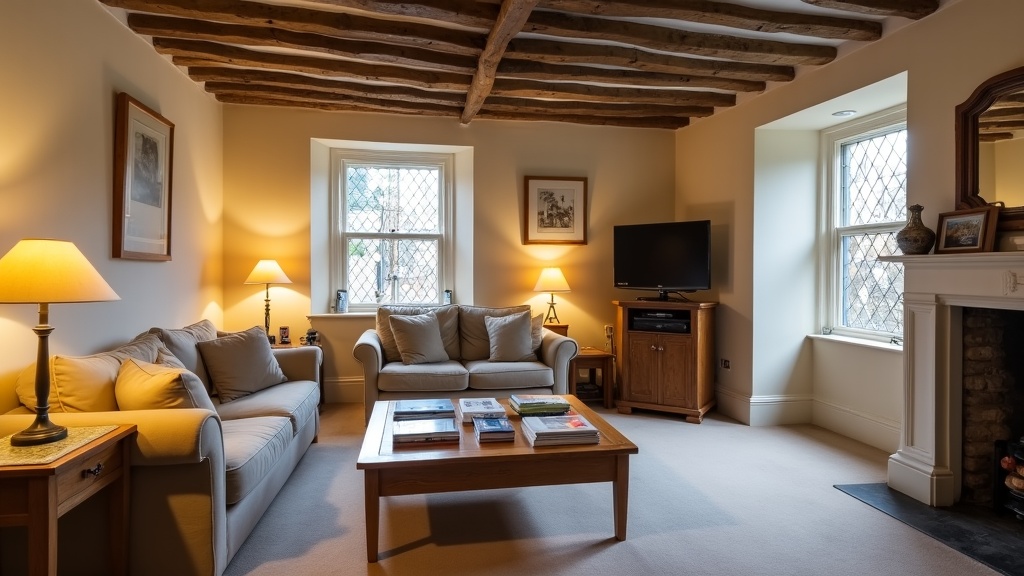
Successful Oxford hosts implement dynamic pricing with 50-100% rate increases during graduation week, 20-30% premiums during term time, and competitive base rates during vacation periods to capture both academic and leisure segments throughout the year.
The key to Oxford pricing success lies in understanding that different guest segments have vastly different price sensitivities and booking behaviours. Academic visitors often have institutional budgets with specific per-night limits, while graduation week guests will pay almost anything for suitable accommodation.
Graduation Week Strategy should begin with research into comparable hotel rates, which often exceed £300-400 per night during this peak period. Many successful hosts set their graduation week rates at 80-90% of comparable hotel pricing, ensuring strong bookings while maximising revenue. However, this requires early calendar management – graduation week accommodation often sells out 3-4 months in advance.
Term Time Premiums should reflect increased demand while remaining competitive with business hotels. A 20-30% premium over vacation rates typically optimises the balance between revenue and occupancy. Corporate guests often book within 2-3 weeks of arrival, so maintaining competitive rates within this timeframe is crucial.
Vacation Period Pricing requires a complete strategy shift towards leisure travellers and international tourists. Rates should compete with leisure accommodation rather than business hotels, often requiring 20-40% reductions from term-time pricing. However, minimum stay requirements can help maintain revenue per booking.
Weekly and monthly discounts become particularly important during vacation periods, when sabbatical visitors and international academics may book extended stays. A well-structured discount policy can secure bookings that might otherwise go to serviced apartments or college accommodation.
Similar pricing strategies work well in other university cities. Our analysis of Airbnb in Cambridge: Academic Calendar Pricing Opportunities shows comparable patterns, though Oxford's international profile often supports slightly higher premium rates.
What Amenities Do Academic Visitors Prioritise Most?
Academic visitors prioritise reliable WiFi, dedicated workspace facilities, and quiet environments above luxury amenities, with coffee-making facilities and good lighting being essential for productive stays during conferences and research visits.
Understanding academic guests' practical needs helps hosts optimise their offerings for this lucrative market segment. Unlike leisure travellers who may prioritise comfort and entertainment, academic visitors focus on productivity and professional requirements.
Workspace Essentials top the priority list for virtually all academic bookings. This doesn't necessarily mean a separate home office – a well-designed dining table with proper lighting and nearby power outlets often suffices. However, the workspace must be genuinely functional, with adequate surface area for laptops, documents, and note-taking.
Ergonomic seating becomes crucial for longer stays. A £50 investment in a proper desk chair can significantly improve reviews and repeat bookings from academic guests who may work long hours during conferences or research visits.
Connectivity and Technology requirements go beyond basic WiFi. Academic visitors often need to upload large files, participate in video conferences, and maintain reliable connection to institutional networks. Advertising specific broadband speeds and providing ethernet cables can differentiate your listing from competitors.
Multiple power outlets throughout the workspace area address the reality of modern academic work – laptops, phones, tablets, and recording devices all need charging. USB charging points near the bed remain useful, but workspace power access matters more for this guest segment.
Kitchen Facilities take on increased importance for longer academic stays. A simple cafetière or French press qualifies as a 'Coffee Maker' on Airbnb's amenity checklist and costs just £10-20, but significantly improves the appeal to coffee-dependent academics. Full kitchen access also supports cost-conscious visitors on institutional travel budgets.
Quiet environment considerations extend beyond noise control to strategic property positioning. Academic guests often work early mornings or late evenings, so properties on busy student streets may struggle with this market segment regardless of other amenities.
Storage solutions matter more for academic visitors than typical short-stay guests. Adequate wardrobe space, desk drawers, and bookshelves support longer stays and professional requirements. Simple additions like a luggage rack or storage ottoman can improve functionality significantly.
How Do Oxford Bookings Compare to Other University Cities?
Oxford typically achieves 15-25% higher average daily rates than most UK university cities due to its international prestige, though occupancy patterns closely mirror Cambridge and Edinburgh, with pronounced term-time peaks and graduation week premiums reaching 200-300% of base rates.
Benchmarking against comparable university cities helps Oxford hosts understand their competitive position and identify optimisation opportunities. While each city has unique characteristics, academic accommodation follows predictable patterns across prestigious universities.
Cambridge Comparison reveals the closest parallels to Oxford's market dynamics. Both cities benefit from international academic prestige, similar term structures, and comparable corporate visitor volumes. However, Oxford's superior transport links to London often support slightly higher corporate rates, particularly for business travellers combining university visits with London meetings.
Our detailed analysis of Cambridge academic pricing patterns shows graduation week premiums typically ranging from 150-250%, compared to Oxford's 200-300% potential. This suggests Oxford hosts may have greater pricing power during peak periods.
Edinburgh Comparison offers insights into managing extreme seasonal variation. Edinburgh Festival demonstrates how cultural events can create pricing opportunities that exceed even graduation week premiums. Oxford hosts might explore similar strategies around events like Oxford Literary Festival or major sporting occasions.
Bath and Bristol provide interesting contrasts in academic versus leisure market balance. Our comparative analysis of Bath versus Bristol markets shows how university presence affects year-round demand stability, with Bath's leisure focus creating more seasonal volatility than Bristol's academic and corporate mix.
Regional University Cities like York offer lessons in maximising tourism crossover during academic quiet periods. York's successful integration of tourism and academic markets demonstrates how effective positioning can maintain occupancy during vacation periods when purely academic-focused properties struggle.
Liverpool's experience with managing high-density neighbour competition provides relevant insights for Oxford hosts facing increased market saturation around popular colleges and conference venues.
Data suggests Oxford hosts achieve superior performance through strategic positioning rather than superior amenities. The city's international recognition creates demand premiums, but success still requires proper market understanding and competitive positioning.
What Competitive Strategies Work Best in Oxford's Academic Market?
Successful Oxford hosts differentiate through specialisation in specific academic segments, strategic calendar management, and targeted amenities rather than competing solely on price, with early graduation week booking and corporate guest cultivation providing the strongest competitive advantages.
The Oxford market's complexity creates opportunities for strategic positioning that goes far beyond basic price competition. Hosts who understand academic booking patterns can build sustainable competitive advantages through specialisation and superior market timing.
Segment Specialisation allows hosts to become the preferred choice for specific visitor types rather than competing for all academic bookings. Some successful approaches include:
- International visiting scholars (longer stays, specific cultural accommodations)
- Conference attendees (business-focused amenities, rapid response times)
- Graduation week families (larger properties, local knowledge sharing)
- Medical professionals (proximity to hospitals, quiet environment guarantees)
Each segment has distinct needs and booking patterns, allowing specialised hosts to charge premium rates while maintaining high occupancy within their niche.
Calendar Strategy becomes crucial in Oxford's competitive environment. Many hosts focus intensively on graduation week but neglect less obvious opportunities like reading week (when students' parents often visit) or specific conference dates that repeat annually.
Advanced calendar management involves blocking prime dates early, then strategically releasing them as market rates become clear. This approach works particularly well for graduation week, where early positioning often determines success.
Relationship Building with academic departments, conference organisers, and visiting scholar coordinators can provide advance booking information and repeat business opportunities. Many departments book accommodation for visiting speakers or interview candidates, creating predictable demand streams for hosts who cultivate these relationships.
Technology integration sets successful hosts apart in Oxford's educated market. Professional presentation, rapid communication, and seamless check-in processes matter more to academic guests than typical leisure travellers. Investment in professional photography, detailed property descriptions, and automated messaging systems pays dividends in this market.
Local Knowledge Positioning helps distinguish between numerous accommodation options. Academic visitors often need specific local information – library hours, college dining arrangements, transport to specific departments. Hosts who provide genuinely useful local guidance build reputation and repeat bookings.
If you're looking to understand how your Oxford listing measures up against these competitive strategies, LetGrow analyses your title, photos, pricing, and amenities for free – providing specific insights into your positioning within the academic accommodation market.
How Can Hosts Optimise for Oxford's Off-Season Periods?
Oxford hosts can maintain strong occupancy during vacation periods by pivoting to leisure tourism, offering extended-stay discounts for researchers, and leveraging the city's appeal to international visitors exploring historic Britain during traditional holiday seasons.
Vacation periods in Oxford don't mean empty calendars – they require completely different marketing strategies and guest targeting. Successful hosts treat these periods as distinct business opportunities rather than unavoidable quiet times.
Leisure Market Pivot during vacation periods requires fundamental changes to listing presentation and pricing. Photography should emphasise Oxford's historic charm and tourist attractions rather than business amenities. Descriptions should highlight walking tours, museum access, and day trip opportunities to nearby Cotswolds villages.
Pricing strategies must shift dramatically, often requiring 20-40% reductions from term-time rates to compete effectively with hotels targeting leisure travellers. However, minimum stay requirements can help maintain revenue per booking while attracting guests who want to properly explore Oxford.
Extended Stay Positioning targets sabbatical academics, research visitors, and international scholars who often book 1-4 week stays during vacation periods. These guests typically have lower daily budgets but provide valuable occupancy during otherwise quiet times.
Weekly and monthly discount structures become crucial for attracting these longer bookings. Many successful hosts offer 15-20% weekly discounts and 25-35% monthly discounts to compete with serviced apartment alternatives.
International Visitor Targeting recognises that Oxford remains a major tourist destination year-round. American visitors, in particular, often prefer visiting during UK vacation periods when accommodation costs are lower and tourist attractions less crowded.
Marketing materials should emphasise Oxford's winter charm, Christmas markets, and cosy pub culture to appeal to international visitors seeking authentic British experiences. Properties with period features or traditional decor can command premiums in this market segment.
Corporate Overflow Opportunities exist even during vacation periods, as businesses often schedule training events or planning sessions when universities are quiet. Positioning properties as corporate retreat alternatives can capture bookings that might otherwise go to business hotels.
Event-based marketing around Oxford's cultural calendar helps fill vacation period gaps. Oxford Literary Festival, various college events, and seasonal celebrations create short-term demand spikes that alert hosts can capitalise on with appropriate pricing adjustments.
Frequently Asked Questions
When do Oxford University terms start and end in 2024?
Michaelmas term runs from early October to mid-December, Hilary term from mid-January to mid-March, and Trinity term from late April to late June. Exact dates vary annually, so hosts should check the official university calendar for precise planning.
How much can Oxford Airbnb hosts charge during graduation week?
Graduation week rates typically range from £200-400+ per night for quality properties, representing 200-300% increases over standard rates. Success requires booking 3-4 months in advance as accommodation sells out quickly.
Which Oxford neighbourhoods are most popular with academic visitors?
Central Oxford, Jericho, and Summertown lead for academic bookings due to proximity to colleges and transport links. Headington appeals to visitors attending Oxford Brookes or medical facilities. Each area supports different pricing strategies.
Do academic visitors prefer hotels or Airbnb in Oxford?
Academic visitors increasingly favour Airbnb for longer stays, workspace facilities, and kitchen access, particularly during conferences or research visits. Business travellers on short trips may still prefer hotels for convenience.
How far in advance do academic visitors typically book Oxford accommodation?
Graduation visitors book 2-4 months ahead, conference attendees typically book 2-4 weeks in advance, while international academics on sabbatical may book several months early for extended stays.
What's the best pricing strategy for Oxford vacation periods?
Reduce rates 20-40% from term-time pricing to compete with leisure accommodation, implement weekly/monthly discounts for extended stays, and pivot marketing towards tourism rather than academic positioning.
Understanding Oxford's unique academic calendar provides significant competitive advantages for hosts willing to adapt their strategies throughout the year. Success requires balancing premium-rate academic periods with strategic positioning during vacation times, always keeping guest needs and booking patterns central to pricing and amenity decisions.
Ready to see how your Oxford listing measures up against the competition? Get your free Airbnb performance score from LetGrow and discover exactly where your property stands in this competitive academic market.