
Why Your First Airbnb Could Land You in Legal Trouble (And How to Avoid It)
Here's the truth nobody tells you: most first-time Airbnb hosts are unknowingly operating illegally. You've found the perfect property, photographed every corner, written a brilliant listing description — and then a council letter arrives, or your insurer refuses a claim, or HMRC sends a penalty notice. The problem? You skipped the legal groundwork that keeps your hosting business safe, compliant, and genuinely profitable in 2026.
This isn't about scaring you off. It's about doing it properly from day one. Whether you're converting a spare room or launching a dedicated short-term rental, understanding your legal obligations before you list is the difference between a thriving hosting business and a costly mess. Let's walk through the complete legal checklist for starting your Airbnb in the UK — the stuff that protects you, your guests, and your income.
For a broader overview of the entire setup process, check out our complete step-by-step guide to starting an Airbnb in the UK.
Do You Need Planning Permission to Start an Airbnb in 2026?
In most UK locations, you do NOT need planning permission if you're renting a room in your primary residence while you're living there. But if you're letting your entire home for more than 90 nights per year in London (or similar restrictions in other cities), or converting a property exclusively for short-term lets, you likely do need permission — and the rules changed significantly in 2024-2025.
Here's the breakdown:
- Spare room while you're present: No planning permission required. This is considered 'incidental use' of your home.
- Entire home in London: You can let for up to 90 nights per year without permission under the Deregulation Act 2015. Beyond that, you need planning consent for 'change of use'.
- Entire home outside London: Rules vary by council. Some have introduced similar 90-day limits; others require planning permission from day one if the property is not your main residence.
- Purpose-built short-term let: If you're buying or converting a property solely for Airbnb, you almost certainly need planning permission for commercial use.
Action point: Check your local council's planning portal and search for 'short-term let' or 'holiday let' policies. Many councils now publish specific guidance. If you're unsure, a quick call to the planning department can save you a £20,000+ enforcement notice later.
Licensing and Registration: The New 2026 Requirements You Can't Ignore
From 2026 onwards, several UK cities and regions require you to obtain a short-term let licence or register your property before you can legally host. These schemes launched in Scotland first, and are now rolling out across England, Wales, and Northern Ireland.
Here's where licensing is mandatory or coming soon:
- Scotland (all areas): Full licensing scheme in effect since October 2022. You must hold a valid short-term let licence from your local council. Processing times range from 8-16 weeks. No licence = no hosting. Penalties include fines and criminal prosecution. If you're setting up in Edinburgh, read our detailed guide on Edinburgh licence requirements and timelines.
- England (selective): No nationwide scheme yet, but many councils (Manchester, Liverpool, Bristol, Brighton, Newcastle) are lobbying government for licensing powers. Expect announcements throughout 2026.
- Wales: A national registration scheme is being introduced in 2026, requiring all short-term let operators to register with the Welsh Government and display a registration number on listings.
- Northern Ireland: Tourism NI operates a voluntary registration scheme, but enforcement is tightening.
What licensing typically involves:
- Application fee (£200-£400 in most areas)
- Proof of ownership or landlord consent
- Fire safety certificate and gas/electrical safety certificates
- Building insurance confirmation
- Planning permission (if required)
- Maximum occupancy declaration
Some councils conduct site inspections. Processing can take 12+ weeks, so apply before you list, not after your first booking.
Mortgage, Lease, and Landlord Consent: The Silent Deal-Breakers
This is the legal pitfall that catches the most first-time hosts. If you have a mortgage or lease, you almost certainly need written permission to use the property for short-term letting. Operating without it can void your insurance, trigger mortgage default, and even result in eviction.
Mortgaged Property
Most residential mortgages explicitly prohibit commercial or business use, and letting on Airbnb usually counts. You have three options:
- Request consent to let: Some lenders allow occasional short-term letting with written permission (often for a fee or small rate increase).
- Switch to a buy-to-let mortgage: Required if you're renting the entire property regularly. Rates are higher, but you're fully compliant.
- Use a specialist short-term let mortgage: A growing number of lenders now offer products designed for Airbnb hosts, with terms that explicitly allow short-term rentals.
Hiding your Airbnb from your lender is a terrible idea. If they find out (and they often do via council licensing databases, insurance claims, or neighbour complaints), they can demand immediate repayment of the entire mortgage.
Leased Property (Renting and Sub-Letting)
If you're a tenant, your lease almost certainly forbids sub-letting without landlord consent. Even if you're living there and renting a spare room, you need explicit written permission. If your landlord agrees, get it in writing and keep a copy — verbal agreements mean nothing if there's a dispute.
Some landlords are open to it (especially if you're covering mortgage payments and maintaining the property beautifully). Others will refuse. Respect their decision. An illegal sublet can end your tenancy, cost you your deposit, and leave you liable for damages.
Insurance: Why Your Standard Policy Won't Cover You (And What Will)
Standard home insurance does NOT cover short-term letting. The moment you accept paying guests, you're running a commercial operation, and your home insurance is likely void. If a guest is injured, causes damage, or if there's a fire or flood, you could be personally liable for tens of thousands of pounds with no coverage.
Here's what you need:
- Short-term let insurance or holiday let insurance: Covers property damage, public liability (guest injuries), loss of income, and contents. Providers include Pikl, Protectivity, and Schofields.
- Public liability insurance: Covers you if a guest is injured on your property (slips, falls, accidents). Most policies offer £2-5 million cover. Essential.
- Contents insurance for short-term lets: Standard contents policies exclude 'commercial use'. You need a policy that covers theft, damage, and malicious acts by guests.
Airbnb's Host Guarantee (up to $1 million damage protection) and Host Liability Insurance are helpful, but they're secondary coverage with exclusions. They should never be your only insurance. Get dedicated cover from day one.
Bonus tip: Some insurers offer bundled packages for Airbnb hosts that include building, contents, and liability in one policy. Shop around — prices vary hugely.
Safety Regulations: Gas, Electrical, Fire, and EPC Compliance
Your legal obligations don't stop at permissions and insurance. UK law requires short-term rental properties to meet strict safety standards, and you can be prosecuted (and sued) if something goes wrong.
Gas Safety Certificate
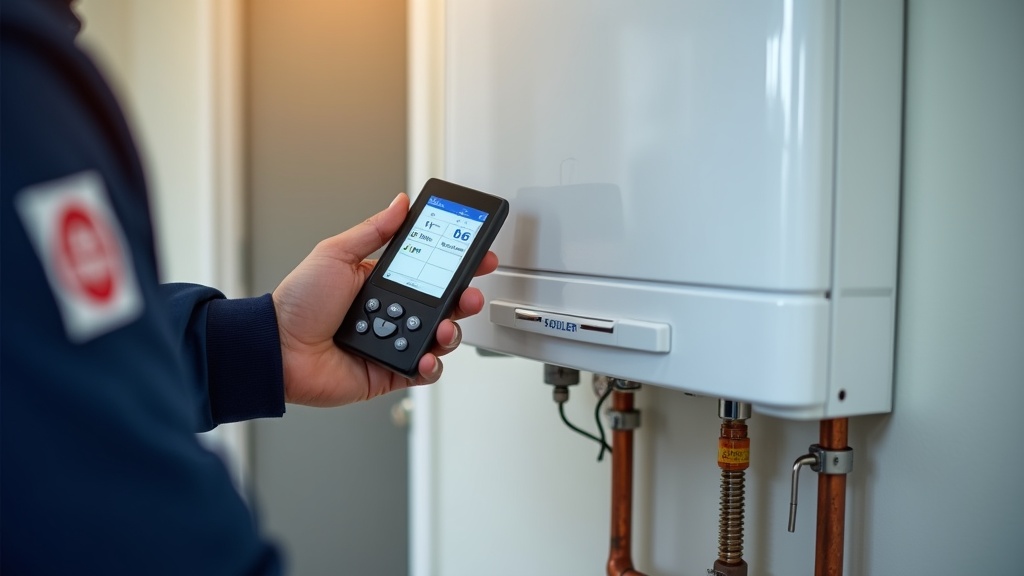
If your property has gas appliances (boiler, hob, fire), you must have an annual gas safety check by a Gas Safe registered engineer. The certificate (CP12) must be provided to guests on request and kept for at least two years. Failure to comply can result in fines up to £20,000 and six months in prison.
Electrical Installation Condition Report (EICR)
In England, all rental properties (including short-term lets) must have an EICR every five years, conducted by a qualified electrician. Scotland requires the same. Portable appliances (kettles, lamps, phone chargers) should also be PAT tested annually, especially in licensed properties.
Fire Safety
At minimum, you must provide:
- Smoke alarms on every floor, tested regularly
- Carbon monoxide alarms in any room with a fuel-burning appliance (gas boiler, wood burner)
- Fire blanket in the kitchen (recommended, often required for licensing)
- Clear escape routes and emergency instructions for guests
If you're running a larger property (HMO or multi-unit), you may need additional fire doors, extinguishers, and emergency lighting. Check your local licensing requirements.
Energy Performance Certificate (EPC)
All rental properties in the UK must have a valid EPC with a rating of E or above. From 2026, there are rumours this may rise to C for new lets. The certificate is valid for 10 years and must be shown to guests on request. You can order one from an accredited assessor for £60-120.
Furniture and Furnishing Fire Safety Regulations
All upholstered furniture (sofas, beds, cushions) must meet the 1988 fire safety regulations and carry the correct label. This applies to second-hand items too. If you're furnishing your Airbnb with charity shop finds or hand-me-downs, check for the permanent label. Non-compliant furniture can result in fines and prosecution.
Tax Obligations for First-Time Airbnb Hosts
All income from your Airbnb is taxable, and you must declare it to HMRC — even if you only host occasionally. The good news: you can claim expenses, and there are generous allowances if you're renting a room in your home.
Rent-a-Room Relief
If you're letting a furnished room in your main home (and you're living there at the same time), you can earn up to £7,500 per year tax-free under Rent-a-Room relief. This is a huge advantage for spare-room hosts. If you earn more than £7,500, you can choose to pay tax on your profit (income minus expenses) or on everything above £7,500 — whichever is lower.
Self-Assessment Tax Returns
If you earn more than £1,000 from your Airbnb (and you're not covered by Rent-a-Room relief), you must register for Self-Assessment and file an annual tax return. The deadline for the 2025/26 tax year is 31 January 2027. For a complete breakdown of what to declare and how to file, read our guide to UK Airbnb tax returns and self-assessment deadlines.
Allowable Expenses
You can deduct legitimate business expenses from your Airbnb income, including:
- Cleaning and laundry
- Utilities (gas, electric, water, internet) — you can claim a proportion based on guest usage
- Toiletries, welcome packs, and consumables
- Repairs and maintenance
- Mortgage interest (if you're on a buy-to-let mortgage)
- Insurance premiums
- Accountancy and professional fees
- Airbnb service fees
- Listing optimisation services (yes, tools like LetGrow's Airbnb audit and optimisation platform are tax-deductible)
Keep every receipt and invoice. HMRC can audit you up to six years after filing, and you'll need evidence to back up your claims.
VAT
You only need to register for VAT if your Airbnb turnover exceeds £85,000 per year. Most small hosts won't hit this threshold, but if you're managing multiple properties or running a high-end listing, keep it on your radar.
Guest Screening and Data Protection: Legal Requirements Under UK Law
You have a legal right (and often a responsibility) to know who is staying in your property. This is especially important for insurance, safety, and compliance with local licensing conditions.
Under UK law, you can ask guests for:
- Full name
- Contact details
- Number of guests
- Purpose of stay
- Proof of identity (passport or driving licence) if your insurer or council licence requires it
However, you must comply with GDPR and UK data protection law. This means:
- Only collect data you genuinely need
- Store it securely (encrypted, password-protected)
- Delete it when no longer required (usually within 6-12 months after the stay)
- Never share guest data with third parties without consent
- Have a clear privacy policy
For a detailed breakdown of legal guest screening practices, read our guide on Airbnb guest screening legal requirements and best practices.
Council Tax, Business Rates, and the 2026 Shake-Up
This is a complex and rapidly changing area. Here's what you need to know:
Spare Room in Your Home
If you're renting a room while living in the property, nothing changes. You continue paying council tax as normal.
Entire Property Short-Term Lets
If you're letting your entire home for short stays (and it's not your main residence), your property may be reclassified from council tax to business rates. This can be a huge financial shock.
In England, properties used for short-term lets for 140+ days per year are considered commercial and liable for business rates instead of council tax. Some hosts benefited from Small Business Rate Relief (paying nothing), but the government announced in 2024 that this loophole is closing. From April 2026, most short-term let properties will pay full business rates unless they're genuinely available for let 365 days a year and achieve high occupancy.
In Scotland, the rules are even stricter. Short-term let properties are automatically subject to business rates, with no relief for small operators.
Action point: Check with your local council's business rates team and factor this into your financial projections. For some hosts, the switch to business rates makes short-term letting unviable.
Neighbour Relations and Anti-Social Behaviour: The Legal Risks of Noise Complaints
Your neighbours have legal rights, and repeated complaints can trigger council investigations, licence revocations, and even injunctions.
Under the Anti-Social Behaviour, Crime and Policing Act 2014, councils can issue Community Protection Notices if your Airbnb causes persistent nuisance (noise, rubbish, disturbance). Breach a notice, and you face fines up to £2,500.
How to stay compliant:
- Set clear house rules (no parties, quiet hours after 10pm, no smoking)
- Screen guests carefully (avoid last-minute local bookings, which are often parties)
- Provide a welcome guide with neighbour expectations
- Give neighbours your contact details so they can reach you directly if there's an issue
- Respond immediately to complaints
In some cities (like Edinburgh and Manchester), licensing conditions include mandatory neighbour notification before you can operate. You may need to inform residents within a certain radius and provide evidence as part of your application.
Terms of Service: Staying Compliant with Airbnb's Rules
Beyond UK law, you must also comply with Airbnb's Terms of Service. Breaching them can get your listing suspended or your account permanently banned.
Key rules:
- Accurate listings: Your listing must truthfully represent the property. Fake photos, misleading descriptions, or phantom amenities violate Airbnb policy and UK consumer protection law.
- No discrimination: You must comply with the Equality Act 2010. You cannot refuse guests based on race, religion, disability, gender, or sexual orientation (except in very limited circumstances, like single-gender shared accommodation).
- No off-platform payments: All bookings and payments must go through Airbnb. Asking guests to pay cash or transfer money directly violates terms and voids your Host Guarantee.
- Registration numbers: In areas with mandatory registration or licensing (Scotland, Wales, some English councils), you must display your licence or registration number on your listing. Airbnb will suspend listings without valid numbers in these areas.
How to Launch Legally: Your 7-Day Compliance Checklist
Here's your step-by-step plan to get legally compliant before your first booking:
Day 1: Research local rules
Check your council's planning, licensing, and registration requirements. Search '[your city] short-term let licence' and read the guidance carefully.
Day 2: Confirm mortgage/lease permissions
Contact your lender or landlord in writing. Request explicit consent to operate a short-term let. Keep all correspondence.
Day 3: Arrange insurance
Get quotes for short-term let insurance (building, contents, and liability). Don't list without cover.
Day 4: Book safety certificates
Arrange gas safety check, EICR, EPC, and PAT testing if required. These can take 1-2 weeks to schedule.
Day 5: Apply for licence/registration
If required in your area, submit your application. Don't wait — processing can take 12+ weeks.
Day 6: Set up tax records
Open a separate bank account for Airbnb income and expenses. Register for Self-Assessment if needed. Create a simple spreadsheet to track income and costs.
Day 7: Review and launch
Double-check your listing for accuracy. Add your registration number if required. Publish your listing only when you're fully compliant.
If you're feeling overwhelmed by the optimisation side — title, photos, pricing, amenities — LetGrow's free Airbnb listing score will audit your listing and show you exactly what to fix, with specific, data-backed recommendations.
What Happens If You Get It Wrong? The Real-World Consequences
Ignoring legal requirements isn't a victimless shortcut. Here's what can (and does) happen:
- Fines and prosecution: Operating without a licence in Scotland can result in unlimited fines and a criminal record. Gas safety breaches carry fines up to £20,000 and six months in prison.
- Eviction and mortgage default: If your landlord or lender discovers unauthorised short-term letting, they can terminate your lease or call in your mortgage.
- Voided insurance: If you're not properly insured and something goes wrong, you're personally liable. A guest injury or fire could cost you your property.
- Council enforcement: Councils can issue enforcement notices, retrospective planning fees, and fines. In extreme cases, they can force you to stop hosting entirely.
- Tax penalties: Failing to declare income or file tax returns triggers automatic penalties, interest, and potential investigation by HMRC.
- Airbnb suspension: Listings without required registration numbers are suspended. Violating terms of service can result in permanent account bans.
None of this is worth the risk. Doing it properly from day one protects your income, your property, and your peace of mind.
Final Thoughts: Legal Compliance Is Your Competitive Advantage
Here's the truth that separates successful, sustainable Airbnb hosts from the ones who disappear after six months: legal compliance isn't a burden — it's a competitive advantage.
Guests trust licensed properties more. Insurers, lenders, and councils respect hosts who follow the rules. You sleep better knowing you're protected. And when the next regulatory crackdown comes (and it will), you'll be untouched while non-compliant hosts scramble or shut down.
Yes, it's extra work upfront. But it's also the foundation of a profitable, long-term hosting business that actually works.
If you're setting up in a competitive market and want to understand how your listing will perform once it's live, explore our guide to starting an Airbnb in Birmingham and analysing local competition — the same principles apply across the UK.
Ready to see how your listing measures up once you're compliant and live? Get your free Airbnb performance score at LetGrow and discover exactly what's working, what's not, and how to maximise your bookings from day one.
Frequently Asked Questions
Do I need a licence to start an Airbnb in England in 2026?
Currently, there is no nationwide licensing scheme in England, but many councils (Manchester, Liverpool, Bristol) are lobbying for local powers. Check your specific council's website for updates. In Scotland and Wales, licensing or registration is mandatory.
Can I run an Airbnb if I have a residential mortgage?
You must request consent from your lender. Most residential mortgages prohibit short-term letting without permission. Some lenders will grant consent (often for a fee or rate increase); others will require you to switch to a buy-to-let or specialist short-term let mortgage.
How much tax do I pay on Airbnb income in the UK?
If you're renting a spare room in your main home, you can earn up to £7,500 per year tax-free under Rent-a-Room relief. Above that, or if you're letting your entire property, you pay income tax on your profit (income minus allowable expenses) at your marginal rate (20%, 40%, or 45%).
What insurance do I need to host on Airbnb?
You need specialist short-term let insurance covering property damage, public liability (guest injuries), contents, and loss of income. Standard home insurance does not cover commercial short-term letting and will be void if you accept paying guests.
Can my landlord stop me from running an Airbnb in my rented flat?
Yes. Most tenancy agreements prohibit sub-letting without written landlord consent. Even if you're living in the property and renting a spare room, you need explicit permission. Operating without it can result in eviction and loss of your deposit.
What safety certificates do I need before I start hosting?
You must have an annual gas safety certificate (if you have gas appliances), an electrical installation condition report (EICR) every five years, an Energy Performance Certificate (EPC) rated E or above, working smoke and carbon monoxide alarms, and compliant furniture meeting fire safety regulations.