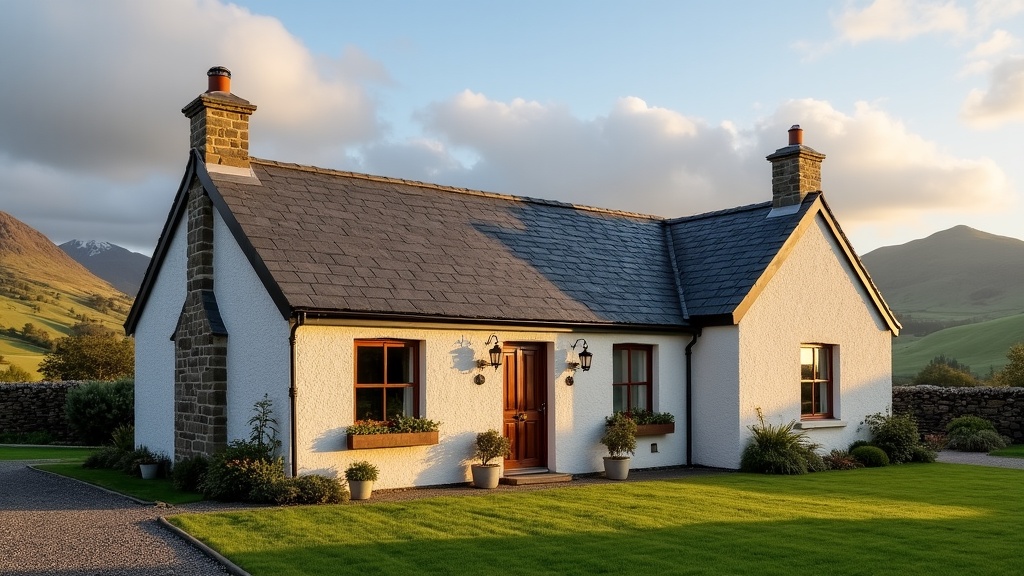
What Is the Welsh Airbnb Registration Deadline — and What Happens If You Miss It?
If you're hosting a short-term let in Wales, you're now legally required to register your property with your local authority. The registration deadline is 16 November 2023 — and if you missed it, you're already operating illegally. Hosts who fail to register face fines of up to £1,000, enforcement action, and the risk of having their listings removed from platforms like Airbnb and Vrbo.
Wales became the first UK nation to introduce a mandatory licensing scheme for short-term holiday lets, stepping ahead of England (where regulation remains patchy) and Scotland (which rolled out its own licensing system in 2022). The Welsh Government's move was designed to tackle overtourism, protect housing stock, and give local councils more oversight of the sector. For hosts, it means paperwork, fees, and a compliance checklist you can't afford to ignore.
This guide breaks down everything you need to know: how to register, what it costs, the penalties for non-compliance, and the ongoing requirements to stay on the right side of the law. Whether you're scrambling to catch up or planning your first Airbnb, this is your roadmap to staying compliant in Wales. For a broader look at UK hosting regulations, check out the UK Airbnb regulations guide.
Why Did Wales Introduce Airbnb Registration?
Wales introduced the short-term holiday accommodation register in response to growing concerns about housing availability, community balance, and the impact of tourism on local infrastructure. In popular areas like Pembrokeshire, Gwynedd, and parts of Snowdonia, the rapid rise of Airbnb and similar platforms was accused of pricing out local buyers and turning entire streets into 'ghost' neighbourhoods with no permanent residents.
The registration scheme gives local authorities three key powers:
- A complete picture of where short-term lets operate in their area
- The ability to enforce fire safety, planning, and licensing rules
- Data to inform future planning policy and tax decisions
For hosts, it's a wake-up call: the Wild West era of unregulated hosting is over. If you want to run a short-term let in Wales, you need to be registered, compliant, and ready for scrutiny. If you're also considering how this affects your planning permission requirements, read our guide on planning permission for Airbnb in Wales.
Who Needs to Register in Wales?

You must register if you let out a property in Wales for periods of fewer than 31 consecutive nights. This applies to entire homes, self-contained flats, annexes, chalets, caravans, and even some rooms within a home if they're let as self-contained units.
You do NOT need to register if:
- You only accept bookings of 31 nights or longer (though you may still need planning permission or a change of use)
- You operate a traditional B&B where you live on-site and provide breakfast
- You rent out a spare room in your primary residence and share living spaces with guests (though Rent a Room tax relief still applies)
If you're unsure whether your setup counts as a registerable short-term let, check with your local authority. Getting it wrong could mean fines or enforcement action down the line. For first-time hosts navigating the legal landscape, our Airbnb legal checklist is a helpful starting point.
How to Register Your Airbnb in Wales: Step-by-Step
Registration is handled by your local council, not by a central Welsh Government portal. The process varies slightly by authority, but the core requirements are the same across Wales.
Step 1: Gather Your Documents
You'll need proof of ownership or permission to operate a short-term let (if you're a tenant, you must have written landlord consent), proof of address, and details of the property's fire safety measures (smoke alarms, carbon monoxide detectors, fire extinguishers if required).
Step 2: Complete the Application Form
Visit your local authority's website and find the short-term holiday let registration page. You'll provide property details, your contact information, and confirmation that you meet fire safety standards. Some councils require you to upload photos or floor plans.
Step 3: Pay the Registration Fee
Fees vary by council, typically ranging from £100 to £250 for the initial registration. Some authorities charge annual renewal fees; others issue multi-year certificates. Check your council's fee schedule before you apply.
Step 4: Wait for Approval
Processing times range from a few days to several weeks. Once approved, you'll receive a registration certificate with a unique reference number. You may be required to display this number on your Airbnb listing and in your property.
Top tip: If you're optimising your listing for maximum bookings and revenue, LetGrow's free listing score analyses your title, photos, pricing, and amenities to show you exactly where you can improve — no registration certificate needed, but it helps to get your house in order before the council visits.
What Are the Fines for Not Registering?
Operating an unregistered short-term let in Wales is a criminal offence. The maximum fine is £1,000, though councils can issue fixed penalty notices of lower amounts for first-time offenders.
But the financial penalty is only the start. If you're caught hosting without registration, you could face:
- Enforcement notices requiring you to cease trading immediately
- Listing removal — Airbnb and Vrbo are increasingly cooperative with local authorities and may delist unregistered properties
- Planning enforcement action if you don't have the correct planning permission or change of use
- Loss of insurance cover — many policies require you to comply with local licensing laws
- Difficulty securing future registrations if you're flagged as a non-compliant operator
Councils are actively monitoring listings on Airbnb, Vrbo, and Booking.com, cross-referencing them against the register. If your listing is live but you're not on the register, expect a knock on the door — or a formal notice in the post.
Ongoing Compliance Requirements After Registration
Registration isn't a one-and-done process. To stay compliant, you'll need to maintain certain standards and keep your local authority informed of any changes.
Fire Safety Obligations
All registered properties must have working smoke alarms on every floor and carbon monoxide detectors in any room with a fuel-burning appliance. You must test these before every new guest arrival and keep a maintenance log. Some councils require annual gas safety certificates and electrical installation checks.
Notify Changes to Your Property or Ownership
If you sell the property, change your contact details, or make structural alterations, you must inform your local authority within 28 days. Failure to do so can invalidate your registration.
Renewal Requirements
Some councils issue registrations valid for 3–5 years; others require annual renewal. Mark your calendar and set reminders — letting your registration lapse is treated the same as never registering in the first place.
Display Your Registration Number
You may be required to display your registration certificate in the property and include your registration number in your Airbnb listing. This helps guests verify your compliance and makes enforcement easier for councils.
If you're juggling multiple compliance requirements and want to make sure your listing is also optimised for bookings, get your free Airbnb performance score to see how your title, photos, and pricing compare to local competitors.
How Does Welsh Registration Compare to Scotland and England?
Wales, Scotland, and England have taken very different approaches to short-term let regulation — and if you host across borders, you'll need to navigate a patchwork of rules.
Scotland: Mandatory Licensing Since October 2022
Scotland introduced a mandatory short-term let licensing scheme in October 2022, similar to Wales but with stricter requirements. Hosts must pass safety inspections, meet building standards, and renew licences every three years. Some councils (like Edinburgh) also require planning permission for entire-home lets. Read our full breakdown in the Scottish Airbnb regulations guide.
England: No National Register (Yet)
England has no national registration scheme, though the government has floated proposals for one. Instead, regulation is devolved to local councils, creating a confusing mix of rules. London has a 90-night annual cap for entire-home lets unless you have planning permission. Some councils (like Bristol and Manchester) require landlord licences. Most of England remains unregulated, but that's expected to change in the next few years.
Key Takeaway
If you host in Wales, you must register — full stop. If you host in Scotland, you need a licence. If you host in England, check your local council's rules and stay alert for incoming changes. For hosts navigating HMRC reporting requirements alongside registration, see our guide on whether HMRC checks Airbnb.
Common Mistakes Hosts Make with Welsh Registration
Even well-meaning hosts slip up. Here are the pitfalls to avoid:
Assuming 'It's Just a Holiday Let' Exempts You
There's no exemption for small-scale or occasional hosting. If you rent your cottage out twice a year, you still need to register. The law doesn't distinguish between full-time landlords and occasional hosts.
Using a Friend's or Family Member's Address
Some hosts try to dodge registration by listing the property under a relative's name or a different address. Councils are wise to this and cross-check property records. Misrepresenting your property can lead to fines and criminal prosecution.
Ignoring Planning Permission Requirements
Registration is separate from planning permission. Even if you're registered, you may still need planning consent if you're converting a primary residence into a full-time holiday let. Check your council's planning rules and don't assume registration covers you.
Forgetting to Renew
Set a calendar reminder for renewal dates. Councils don't always send courtesy reminders, and operating on an expired registration is the same as operating unregistered.
Not Updating Fire Safety Equipment
Smoke alarms and CO detectors have expiry dates. Check them regularly and replace batteries and units as needed. If a guest is injured and your equipment is out of date, you could face liability and criminal charges.
What Happens If You're Already Hosting Without Registration?
If you're currently hosting in Wales without registration, stop taking bookings immediately and register as soon as possible. Some councils offer a grace period or reduced fines for hosts who self-report, but this varies by authority.
Contact your local council, explain the situation, and ask about their policy on late registrations. You may still face a penalty, but proactive compliance is always viewed more favourably than being caught during an enforcement sweep.
Once you've registered, review your listing to make sure it's fully optimised for bookings and revenue. LetGrow's free listing score shows you exactly where you stand on title, photos, pricing, and amenities — with actionable suggestions to improve.
FAQs: Welsh Airbnb Registration
When was the Welsh Airbnb registration deadline?
The registration deadline for existing hosts was 16 November 2023. New hosts starting after that date must register before accepting their first booking.
How much does it cost to register a short-term let in Wales?
Registration fees vary by council, typically between £100 and £250. Some authorities charge annual renewal fees; others issue multi-year certificates. Check your local authority's website for exact costs.
Can I be fined for hosting without registration in Wales?
Yes. Operating an unregistered short-term let is a criminal offence, punishable by a fine of up to £1,000. You may also face enforcement notices, listing removal, and planning action.
Do I need to register if I only rent out a spare room?
If you rent a spare room in your primary residence and share living spaces with guests, you typically don't need to register. However, if the room is self-contained with its own entrance and facilities, registration may be required. Check with your local authority.
What's the difference between registration and planning permission?
Registration confirms you're operating a short-term let and meet fire safety standards. Planning permission is required if you're changing the use of a property (e.g., from a permanent home to a full-time holiday let). You may need both — they're separate processes.
Where can I find my local authority's registration portal?
Visit your local council's website and search for 'short-term let registration' or 'holiday accommodation register'. Each council administers its own scheme, so there's no single Wales-wide portal.
Final Thoughts: Stay Compliant, Stay Profitable
Welsh Airbnb registration isn't optional — it's the law. Missing the deadline or ignoring the requirement puts your business, your income, and your reputation at risk. But compliance doesn't have to be complicated. Register with your local authority, keep your fire safety up to date, and stay on top of renewals and changes.
Once you're legally covered, the next step is making sure your listing is working as hard as it can. Ready to see how your listing measures up? Get your free score at LetGrow and discover exactly where you can boost bookings, improve your ranking, and maximise your revenue — all while staying on the right side of the law.