

Bristol's Airbnb market is fiercely competitive, with over 2,000 active listings vying for guests across Clifton, Harbourside, and the city centre. Conducting thorough Airbnb competitor analysis in Bristol isn't just recommended—it's essential for maximising your occupancy and revenue in this saturated market. Understanding what your neighbouring hosts are doing right (and wrong) can unlock significant revenue opportunities that most Bristol hosts completely miss.
Why is competitor analysis crucial for Bristol Airbnb hosts?
Competitor analysis reveals pricing gaps, amenity opportunities, and positioning strategies that can increase your booking rate by 15-30%. Bristol's diverse neighbourhoods—from trendy Stokes Croft to upmarket Clifton—each have distinct guest expectations and pricing dynamics that require localised competitive intelligence.
The Bristol market is particularly complex because it serves multiple guest segments: business travellers visiting Temple Quarter, tourists exploring the harbourside, students visiting the universities, and weekend break seekers drawn to the city's vibrant culture. Each segment has different booking patterns, price sensitivity, and amenity priorities. Without understanding how your direct competitors position themselves for these segments, you're essentially flying blind.
Recent data shows that Bristol hosts who actively monitor and respond to competitor strategies achieve 23% higher RevPAR than those who set-and-forget their listings. This isn't surprising when you consider that successful competitors are constantly optimising their titles, adjusting prices, and adding amenities that guests actually want.
What makes Bristol's Airbnb market unique compared to other UK cities?

Bristol's market combines university demand with corporate travel and tourism, creating complex seasonal patterns where summer tourist peaks overlap with student movements. The city's compact size means guests can easily choose between Clifton's Victorian elegance, Harbourside's modern apartments, or Southville's quirky character—making differentiation critical.
Unlike London's sprawling market or Edinburgh's tourism-focused demand, Bristol requires hosts to understand multiple micro-markets within a relatively small area. A guest might choose between a converted warehouse in Bedminster, a period flat in Redland, or a harbourside apartment—all within 20 minutes of each other. This proximity intensifies competition and makes small differentiators crucial.
The presence of major employers like Rolls-Royce, Airbus, and the growing tech sector in Temple Quarter creates consistent weekday demand, but these business travellers have different expectations than weekend tourists. Successful Bristol hosts identify which segment they're primarily targeting and position against competitors serving the same audience.
For insights into how Bristol compares to nearby markets, our Bath vs Bristol market analysis reveals fascinating demand patterns that influence competitive positioning.
How do you identify your direct competitors in Bristol?
Direct competitors are listings within 1.5km radius offering similar accommodation type, guest capacity, and price range. Focus on properties targeting the same guest segment rather than all nearby listings—a budget studio and luxury apartment aren't truly competing despite geographical proximity.
Start by mapping listings within walking distance of yours using Airbnb's map view. Filter by guest count, property type, and price range to narrow down true competitors. A two-bedroom flat in Clifton competes with other two-bedroom flats in Clifton and neighbouring Redland, not with budget hostels in Stokes Croft or luxury penthouses in Harbourside.
Pay particular attention to listings that consistently appear above yours in search results. These are your primary competitors for visibility. Check their booking calendars regularly—frequently booked competitors are doing something right that you can learn from.
Create a shortlist of 8-12 direct competitors and monitor them monthly. Note their pricing strategies, recent amenity additions, photo updates, and guest review themes. This ongoing intelligence gathering forms the foundation of your competitive strategy.
Which Bristol neighbourhoods have the highest Airbnb competition?
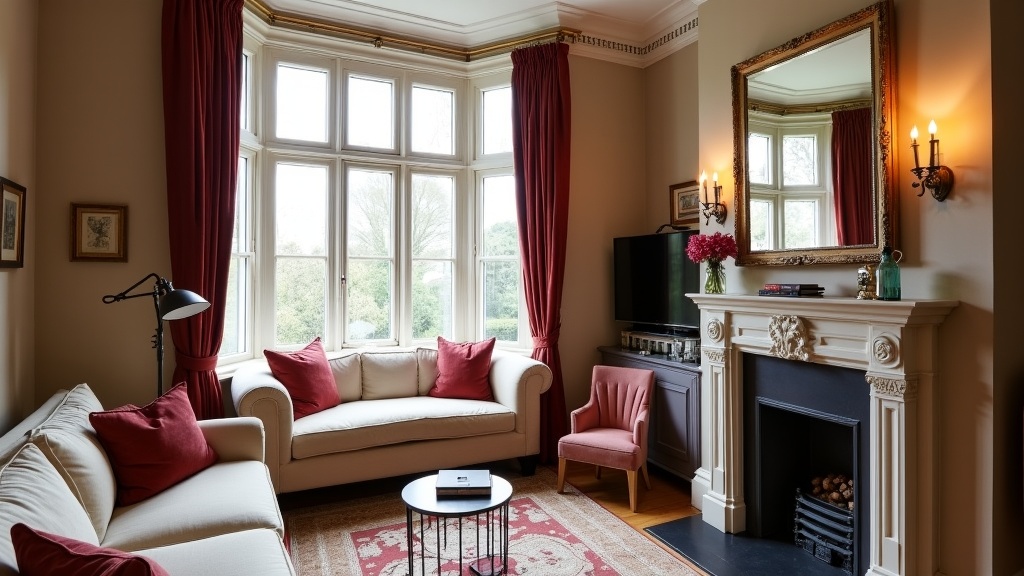
Clifton leads with highest listing density due to its period properties and tourist appeal, followed by Harbourside's modern developments and city centre locations. Redland, Montpelier, and Southville show growing competition as hosts seek better value-for-money positioning.
Clifton's Victorian terraces and proximity to the Suspension Bridge make it Bristol's premium Airbnb location, but this popularity creates intense competition. Hosts here compete on luxury amenities, period features, and Instagram-worthy interiors. The challenge is standing out among dozens of similar Georgian and Victorian conversions.
Harbourside attracts guests seeking modern amenities and waterside views, but the abundance of purpose-built apartment blocks means differentiation often comes down to pricing and minor amenity differences. Parking availability becomes a crucial differentiator in this area.
Emerging neighbourhoods like Bedminster and Easton offer opportunities for hosts willing to educate guests about these areas' benefits. Competition is lighter, but you're working harder to convince guests to choose your location over established favourites.
City centre locations near Cabot Circus and Castle Street compete heavily for business travellers and shoppers, with success often determined by transport links and workspace amenities rather than character features.
What pricing strategies work best against Bristol competitors?
Successful Bristol hosts use dynamic pricing with 20-30% weekend premiums and seasonal adjustments reflecting university terms and summer tourism peaks. Avoid static pricing—competitors using smart pricing tools will consistently undercut or outprice you at optimal moments.
The key is understanding your competitors' pricing patterns rather than simply matching their rates. Many Bristol hosts make the mistake of checking competitor prices once and setting their rates accordingly. But successful competitors are adjusting prices weekly based on demand signals, local events, and booking velocity.
Weekend premiums in Bristol vary significantly by neighbourhood and season. Harbourside locations can command 40-50% weekend uplifts during summer months, while business-focused areas near Temple Quarter might see minimal weekend premiums but maintain strong weekday rates.
University term times create unique pricing opportunities. Savvy hosts increase rates during Freshers' Week, graduation ceremonies, and open days when accommodation demand spikes. Competitors who miss these micro-seasons leave money on the table.
Consider offering weekly discounts that undercut competitors targeting longer-stay guests. Bristol's growing remote work culture and university visiting periods create opportunities for extended bookings that many hosts ignore.
If you're struggling to determine optimal pricing against your competitors, LetGrow's free listing analysis includes competitive pricing recommendations based on local market data.
How can you analyse competitor amenities and identify gaps?
Systematically audit competitor amenity lists, focusing on high-impact additions like workspace setups, parking, or coffee facilities that influence booking decisions. Look for consistent amenity gaps across competitors—these represent opportunities to differentiate your listing.
Create a spreadsheet tracking your top 10 competitors' amenities. Note which ones consistently offer parking (crucial in Clifton and Redland), workspace setups (increasingly important post-pandemic), or premium appliances like dishwashers and washing machines. The amenities that 70-80% of competitors offer should be considered table stakes—you're disadvantaged without them.
More importantly, identify amenities that only 20-30% of competitors offer but that guests frequently mention wanting in reviews. These represent differentiation opportunities. Recent trends include dedicated workspace areas, coffee machines (remember, a simple cafetière counts as 'coffee maker' in Airbnb's amenity filters), and electric vehicle charging access.
Pay attention to amenity presentation in competitor listings. Some hosts bury important amenities deep in their description, while others highlight them prominently in titles and first paragraphs. How you present amenities can be as important as what you offer.
Consider seasonal amenity gaps too. Do competitors offer fans during Bristol's occasional heatwaves? Extra blankets for winter stays? Umbrella storage for the city's frequent rain? Small touches that address local weather patterns can differentiate your guest experience.
What do guest reviews reveal about competitor weaknesses?
Competitor reviews expose common pain points like parking difficulties in Clifton, noise issues in city centre locations, or check-in problems that you can solve better. Focus on recurring complaint themes rather than isolated negative reviews.
Spend time reading the 3-star and 4-star reviews of your strongest competitors—these contain the most actionable intelligence. 5-star reviews tend to be generic praise, while 1-2 star reviews often reflect unreasonable expectations. But middle-ground reviews highlight genuine areas for improvement that guests notice but don't consider deal-breakers.
Look for patterns in review feedback across multiple competitors. If several nearby hosts receive comments about difficult parking, inadequate workspace, or poor Wi-Fi, these represent market-wide problems you can solve. Conversely, competitors who consistently get praised for specific features have found winning formulas worth studying.
Pay attention to review response patterns too. Competitors who respond thoughtfully and quickly to criticism often maintain higher ratings despite occasional problems. Poor review management can be a competitive weakness you exploit by demonstrating superior guest service.
Recent Bristol review trends highlight growing guest expectations around environmental considerations, local area information, and flexible check-in options. Competitors who haven't adapted to these evolving expectations create opportunities for hosts who do.
Our guide to finding hidden revenue gaps through competitor analysis explains how to systematically extract actionable insights from competitor review patterns.
How often should you monitor Bristol competitors?
Monthly competitor monitoring catches major strategy changes, while weekly price checks during peak seasons (summer and university events) ensure you're not missing short-term opportunities. Set calendar reminders rather than relying on sporadic manual checks.
Different aspects of competitor analysis require different monitoring frequencies. Pricing should be checked weekly during busy periods and bi-weekly during quieter months. Amenity additions and major listing changes might only happen quarterly, but catching them early gives you time to respond.
Seasonal monitoring intensifies around key Bristol events. The Harbour Festival, Balloon Fiesta, and university graduation ceremonies create temporary supply-demand imbalances that savvy competitors exploit. Missing these opportunities means lower revenue during your highest-earning potential periods.
Use booking calendar monitoring to track competitor occupancy patterns. Properties that suddenly show increased availability might indicate pricing problems or guest experience issues. Conversely, competitors with consistently solid bookings are worth studying for successful strategies.
Consider setting up Google Alerts for your neighbourhood area combined with terms like 'Airbnb', 'accommodation', or 'short-term rental' to catch new competitors entering your market or existing ones receiving media coverage.
What tools can help automate competitor tracking?
While various third-party tools claim to provide competitor intelligence, manual monitoring often yields more actionable insights for Bristol's localised market dynamics. Focus on systematic manual processes rather than relying entirely on automated solutions.
Airbnb's own search and map functions remain the most reliable way to track competitor pricing and availability. Create saved searches for your area with relevant filters, and check them regularly. Screenshot competitor listings monthly to track changes in photos, amenities, and descriptions.
Spreadsheet tracking works well for most Bristol hosts. Create columns for competitor names, current pricing, amenity updates, review scores, and booking availability. Monthly updates provide sufficient frequency for strategic decision-making without becoming overwhelming.
Google Sheets with date-stamped entries help track competitor pricing trends over time. This historical data becomes valuable for predicting seasonal patterns and identifying successful competitor strategies worth adapting.
Some hosts find success with basic social media monitoring—following competitor Instagram accounts or local accommodation hashtags can reveal marketing strategies and guest experience innovations.
Rather than complex automation tools, LetGrow's competitor analysis provides professional-level insights without requiring ongoing manual monitoring, letting you focus on implementing improvements rather than gathering data.
How do you turn competitor insights into revenue improvements?
Transform competitor research into actionable changes: adjust pricing based on competitor gaps, add popular amenities they're missing, and improve your listing title and photos to outperform theirs in search results. Implementation matters more than analysis.
Start with quick wins that require minimal investment. If competitors consistently mention parking difficulties in their reviews but you have dedicated parking, ensure this is prominently featured in your title and first description paragraph. If nearby hosts don't offer workspace facilities but you have a desk area, highlight this for the growing remote work market.
Pricing adjustments should be gradual and tested. If competitor analysis reveals you're underpricing weekends, implement 10-15% increases initially and monitor booking velocity. Sudden large price jumps often reduce bookings even when justified by competitive analysis.
Photo improvements often provide the highest ROI from competitor research. If your direct competitors have amateur-looking photos while you invest in quality images, this advantage compounds over time as better photos drive more clicks, bookings, and positive reviews.
Description and title improvements should incorporate language and amenities that competitors use successfully, while avoiding their weaknesses. If competitor titles are generic, specific local references and unique selling points help you stand out in search results.
Consider our detailed guide on outperforming local Airbnb hosts for specific tactics on implementing competitive advantages.
Conclusion
Bristol's competitive Airbnb market rewards hosts who understand their competitive landscape and systematically implement improvements based on neighbor analysis. The most successful Bristol hosts treat competitor research as an ongoing process rather than a one-time task, continuously adapting their strategy as the market evolves.
Remember that competitor analysis should inform your decisions, not dictate them entirely. Your property's unique features, target guest segment, and personal hosting style all influence how you should respond to competitive intelligence. The goal is strategic differentiation, not blind copying of competitor strategies.
Ready to see how your Bristol listing measures up against local competitors? Get your free performance score at LetGrow and discover specific opportunities to outperform neighboring hosts.
Frequently Asked Questions
How many competitors should I monitor in Bristol?
Focus on 8-12 direct competitors within 1.5km offering similar accommodation. Monitoring too many dilutes your analysis, while too few misses important market trends. Quality of analysis matters more than quantity of competitors tracked.
What's the biggest mistake Bristol Airbnb hosts make with competitor analysis?
Checking competitor prices once and setting static rates accordingly. Bristol's market dynamics change frequently due to university schedules, business events, and seasonal tourism patterns. Successful hosts monitor and adjust continuously rather than making one-time decisions.
Should I copy successful competitors' amenity lists exactly?
No—copy the concept but adapt to your property's strengths and guest segment. If competitors succeed with workspace amenities, create your own version that fits your space rather than duplicating their exact setup.
How long does it take to see results from competitive improvements?
Pricing adjustments typically show impact within 2-3 weeks, while amenity additions and listing optimisations may take 1-2 months to influence bookings and reviews. Photo improvements often show the fastest results in search visibility.
Is competitor analysis worth it for new Bristol hosts?
Absolutely—new hosts benefit most from competitor intelligence because they lack booking history and guest feedback to guide decisions. Understanding established competitors' strategies helps avoid common mistakes and accelerates market entry success.
What if all my competitors seem to be doing everything right?
Look deeper into guest review patterns, booking calendars, and guest segments. Even successful competitors usually have gaps in their strategy or serve slightly different audiences. Consider expanding your competitor analysis radius or targeting an underserved guest segment.