
You're losing bookings to someone three doors down. Same property type, same location, same amenities — but they're charging £15 more per night and still getting booked out weeks before you. Why? Because they've run an Airbnb competitor analysis, and you haven't.
Most UK hosts set their pricing and listing details in a vacuum. They guess at a nightly rate, write a description that sounds nice, and hope for the best. Meanwhile, their closest competitors are systematically studying what works, adjusting their strategy, and scooping up the bookings that should have been yours.
Here's the reality: five specific numbers separate hosts who consistently achieve 80%+ occupancy from those who struggle to fill their calendar. These aren't vague metrics or feel-good KPIs — they're the exact data points that explain why your neighbour out-earns you, month after month.
In this guide, we'll break down the five critical numbers every UK host needs to track when conducting an Airbnb competitor analysis, show you exactly where to find them, and explain how to use them to reclaim those lost bookings.
Why Airbnb Competitor Analysis UK Matters More Than You Think
Your listing doesn't exist in isolation. Every time a guest searches for a property in your area, Airbnb's algorithm is making split-second decisions about which listings to show first — and you're being compared directly against every other host within a 1-2 mile radius.
Guest behaviour data shows that most travellers view between 8-15 listings before booking. If your pricing is 20% higher than comparable properties, or your photos look dated next to a competitor's professionally-staged shots, you're not even making it onto their shortlist.
But here's what most hosts miss: competitor analysis isn't just about matching what others do. It's about finding the gaps — the amenities your rivals are missing, the pricing mistakes they're making, the search terms they haven't optimised for. When you know exactly where you stand relative to your local competition, you can make targeted changes that move you from page 3 of search results to the top 5 listings guests see first.
That's the difference between a 45% occupancy rate and an 85% occupancy rate. That's why understanding how to outperform local hosts through systematic competitor analysis is now a non-negotiable skill for serious UK hosts.
Number 1: Your Competitor's Actual Nightly Rate (Not Their Base Price)
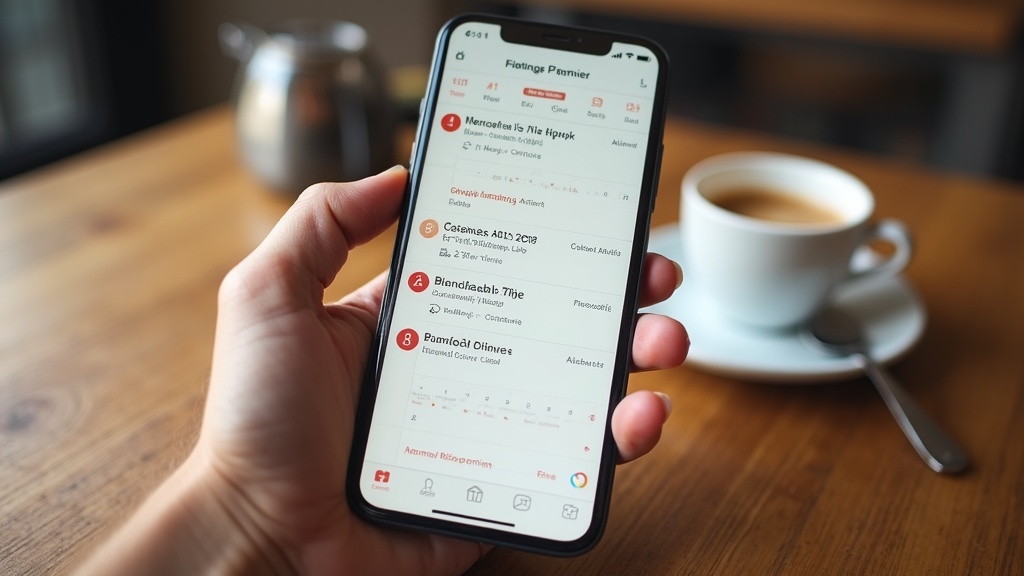
The figure displayed on a competitor's listing page is almost never what they actually charge. Most hosts offer weekly discounts (typically 15-25%), monthly discounts (30-40%), and last-minute price drops. The 'nightly rate' you see is the baseline before all these adjustments kick in.
This is where most hosts go wrong with competitor analysis. They spot a rival listing at £120/night, panic, and drop their own rate to £115 to 'stay competitive'. What they don't realise is that the competitor's effective rate — the actual revenue per night after discounts — is probably closer to £95.
How to Find the Real Number
Method 1: Check their calendar for a 7-night stay. Enter dates for a full week and note the total. Divide by 7. That's their actual weekly rate, not their headline price.
Method 2: Look at weekend vs. weekday pricing. Many hosts charge a premium for Friday/Saturday nights. If you see their rate jump from £85 to £125 on weekends, you know they're using dynamic weekend pricing — and you should be too.
Method 3: Test different booking windows. Search for dates 2 weeks out, then 2 months out. If the price drops significantly for near-term bookings, they're using last-minute discounts to fill gaps. That's a strategy you can replicate.
Once you know what competitors are actually earning per night (after discounts), you can price strategically. If you're offering better amenities or more recent reviews, you can confidently charge 5-10% more. If you're missing key features, you know exactly how much you need to discount to stay competitive.
Want to see how your pricing compares to local competitors without manually checking dozens of listings? LetGrow's free performance score analyses your market positioning and shows you exactly where your rates sit relative to similar properties in your area.
Number 2: Their Review Velocity (How Fast They're Accumulating Reviews)
Review velocity tells you how many bookings a competitor is securing — and whether they're gaining momentum or losing steam. It's one of the most reliable proxies for occupancy rate, and it's completely public information.
Here's how it works: Airbnb shows the date of each review. If a competitor has received 8 reviews in the past month, and assuming a 50% review rate (industry average), that means they've hosted roughly 16 bookings in 30 days. If they're a 1-bedroom flat with an average stay length of 3 nights, that's about 48 booked nights out of 30 available — which is impossible, so they must be turning over guests faster (shorter stays) or achieving near-perfect occupancy with longer stays.
What Review Velocity Reveals
Fast velocity (6+ reviews/month): This host is dominating your market. They're either priced very competitively, have exceptional photos, or are ranking highly in search results. Study their listing carefully — what are they doing that you're not?
Moderate velocity (2-5 reviews/month): Healthy, sustainable booking rate. This is your benchmark. If you're below this, you have work to do.
Slow velocity (0-1 reviews/month): Either a new listing still building momentum, or an established property that's losing relevance. If it's the latter, look at their recent reviews — are guests complaining about outdated decor, cleanliness, or inaccurate descriptions? Those are opportunities for you to differentiate.
Track 5-7 of your closest competitors and log their review count once a month. You'll quickly see who's winning the local market — and more importantly, when a competitor's velocity suddenly drops, that's your signal to capture their displaced bookings by ramping up your visibility (updating your listing, adjusting pricing, or boosting your search ranking).
Number 3: The Amenity Gap Score (What They Have That You Don't)
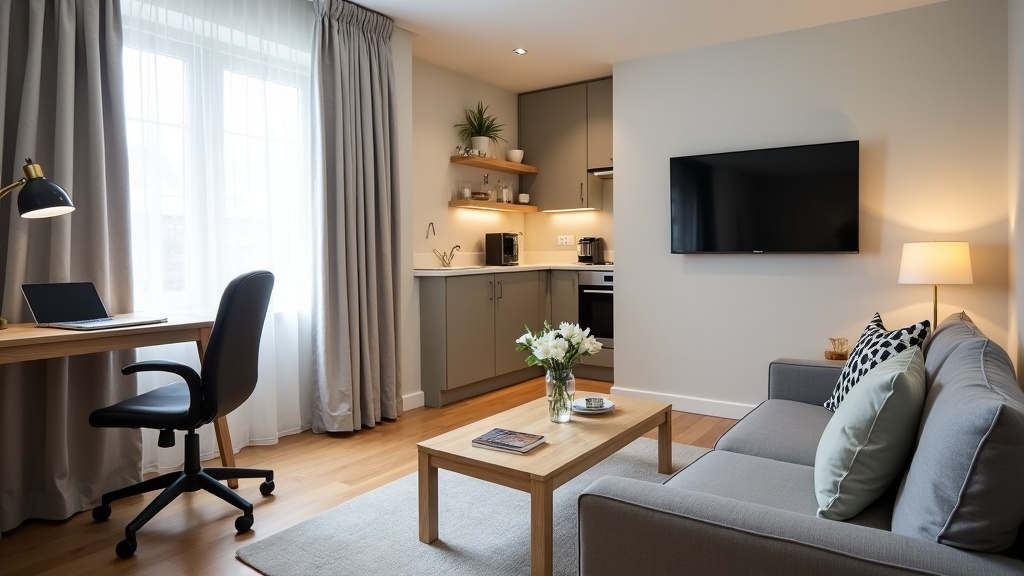
Airbnb's search filters are brutal. When a guest ticks 'Free parking' or 'Coffee maker' in their search, your listing is instantly removed from results if you don't have those amenities listed — even if you're objectively the better property.
The Amenity Gap Score is simple: count how many high-demand amenities your top 5 competitors have that you don't. Focus on the 12 most-filtered amenities in the UK market: Wi-Fi, Free parking, Kitchen, Washing machine, Coffee maker, Heating, Hair dryer, Iron, Workspace, TV, Self check-in, and Garden/outdoor space.
Why This Number Costs You Bookings
Let's say 4 out of your 5 closest competitors list 'Coffee maker' as an amenity, but you don't. Even if you provide instant coffee and a kettle, you're being filtered out of search results by every guest who wants proper coffee facilities. Adding a £12 cafetière instantly qualifies you for that filter — and a cafetière counts as a 'Coffee Maker' on Airbnb's amenity checklist. You don't need an expensive espresso machine.
The same applies to 'Workspace'. If you have a desk and chair, list it. If you have a small patio or balcony, list 'Garden/outdoor space'. These aren't optional nice-to-haves — they're the difference between appearing in search results or being invisible.
Run through your listing and your competitors' listings side-by-side. For every amenity gap of 3+ competitors, you're losing approximately 15-25% of potential search visibility in that category. Close the gaps that are realistic for your property (you can't add parking if you're in a city centre flat, but you can add a workspace), and you'll immediately start appearing in more searches.
Not sure which amenities matter most in your specific market? Get your free listing score and see exactly which missing amenities are holding you back compared to your local competitors.
Number 4: Their Listing Title Length and Structure
This sounds trivial. It's not. Airbnb's search algorithm weighs the first 40 characters of your title heavily when deciding where you rank. If your competitor has optimised their title with high-intent keywords ('Central 2-Bed | Parking | 5 Min to Station') and you're still using a generic description ('Lovely Home in Manchester'), they're going to outrank you for searches that matter.
Here's the analysis to run: Open your top 5 competitors' listings and copy their titles into a document. Look for patterns:
- Are they front-loading location benefits? ('City Centre', 'Waterfront', 'Near Airport')
- Are they highlighting differentiators early? ('Parking', 'Garden', 'Hot Tub')
- Are they using numbers? ('2-Bed', '10 Min Walk', 'Sleeps 6')
- Are they mentioning nearby landmarks? ('Near Old Trafford', '5 Min to Uni')
Now look at your title. If it's vague, flowery, or doesn't include specific location/amenity keywords in the first 10 words, you're being outranked by hosts who've done their homework.
The Title Length Sweet Spot
Airbnb allows up to 50 characters for listing titles. Competitors who use 45-50 characters consistently outperform those with short, generic titles. Why? Because they're able to pack in 3-4 high-value search terms while still being readable.
Example of a weak title: 'Beautiful Flat in Liverpool' (28 characters, no specificity)
Example of an optimised title: 'Liverpool City Ctr 2-Bed | Parking | 5 Min to Station' (54 characters, includes location, property type, parking, and proximity benefit)
The second title will appear in searches for 'Liverpool city centre', 'Liverpool parking', 'Liverpool 2 bed', and 'Liverpool near station'. The first title will appear in... generic searches for 'Liverpool', where it's competing with hundreds of other listings.
If you want to understand how your title stacks up against local competitors and get a rewritten version optimised for Airbnb's algorithm, learn how Airbnb's UK search ranking actually works — then apply those principles to your own listing.
Number 5: Their Minimum Stay Requirements (and How They Adjust by Season)
Most hosts set a minimum stay requirement and forget about it. Your competitors who are fully booked? They're adjusting their minimum stay by season, by day of week, and by booking window — and it's quietly earning them thousands in recovered revenue.
Here's what to analyse: Check your top competitors' calendars for the next 3 months. Try to book a 1-night stay, then a 2-night stay, then a 3-night stay, and note which dates are blocked at each length. This reveals their minimum stay strategy.
What You're Looking For
Weekend minimums: Do they require 2-night stays on Fridays/Saturdays? If yes, they're maximising weekend revenue by avoiding costly 1-night turnovers.
Seasonal shifts: Do they lower their minimum stay during off-peak months (January, February, November) to capture short business trips? Or do they raise it during peak summer/December to maximise revenue per booking?
Last-minute flexibility: Do they drop their minimum stay to 1 night for bookings within 7 days? This is a smart tactic to fill gaps that would otherwise go empty.
If your minimum stay is set to 1 night year-round, you're leaving money on the table. Competitors who strategically adjust minimum stays can increase revenue by 15-30% simply by avoiding low-value 1-night bookings during high-demand periods and accepting them during quiet weeks to maintain cash flow.
For example: A 2-bed flat in Bristol might require a 3-night minimum during August (peak tourism) but drop to 1-night in January (off-peak) to capture business travellers and last-minute city breakers. This flexibility keeps occupancy high while protecting weekend revenue during busy periods. To see how Bristol hosts are adjusting their strategies seasonally, check out our Bristol market deep dive.
How to Run an Airbnb Competitor Analysis in Under an Hour
Now that you know the 5 critical numbers, here's how to gather them systematically without spending all day on it.
Step 1: Identify Your Top 5 Competitors (10 minutes)
Search Airbnb as a guest for your location and property type. Filter by: entire place, your bedroom/bathroom count, similar max guests. The listings that appear in the first 20 results are your direct competitors. Pick the 5 closest to you geographically.
Step 2: Build a Competitor Tracking Spreadsheet (5 minutes)
Create columns for: Listing Name, Nightly Rate (base), Nightly Rate (after discounts), Review Count, Last Review Date, Amenity Count, Title Length, Minimum Stay, and Notes. Add your 5 competitors as rows.
Step 3: Gather the Data (30 minutes)
For each competitor, open their listing and fill in your spreadsheet: Note their base rate from the listing page. Check their calendar for a 7-night stay to find the discounted rate. Count their total reviews and note the date of the most recent one. List any amenities they have that you don't. Copy their listing title and count the characters. Test a 1-night and 2-night booking to find their minimum stay. Add any standout features or recent review themes in the Notes column.
Step 4: Analyse and Act (15 minutes)
Now compare your listing against the spreadsheet. Where do you fall short? Are you priced too high for your amenity count? Is your review velocity slower? Are you missing 3+ amenities that all competitors have? Is your title half the length of theirs?
Pick the top 3 gaps and create an action plan: 'Add coffee maker and update amenity list', 'Rewrite title to include parking and location', 'Lower weekday rate by £8 to match competitor average'.
This process should take under an hour the first time, and 15-20 minutes each month when you update your tracking spreadsheet. It's the single highest-ROI hour you'll spend on your listing.
If you'd rather have this analysis done for you with specific, actionable recommendations tailored to your listing, LetGrow's free performance score benchmarks your listing against local competitors and tells you exactly what to change.
What to Do If Your Competitors Are Outperforming You Across All 5 Numbers
Don't panic. If you're behind on multiple metrics, it means there's significant upside potential — but you need to prioritise your improvements strategically.
Start with the quick wins: Amenity gaps and title optimisation can be fixed in under an hour and cost little to nothing. A £12 cafetière and a rewritten title that front-loads location keywords will immediately increase your search visibility.
Next, fix your pricing: If you're 15%+ above the effective rate of similar competitors (after their discounts), you're pricing yourself out of the market. Lower your rate by 8-10% and add a 15% weekly discount. Monitor booking velocity for 2-3 weeks. You should see an uptick in inquiries and bookings. Once your occupancy improves and your review count grows, you can gradually raise rates again.
Then, tackle review velocity: If competitors are accumulating reviews faster, it's because they're either ranking higher in search or offering a better guest experience (or both). Improving your title, amenities, and pricing will help with search ranking. To improve guest experience, read your competitors' 5-star reviews and note what guests praise most. Do the same with their 3-star reviews to see what frustrates guests. Implement the former and avoid the latter.
Finally, adjust your minimum stay strategy: Test requiring 2-night stays on weekends for the next month. If your occupancy drops, revert. If it stays steady or improves (because you're attracting higher-quality bookings and avoiding 1-night turnovers), keep it and apply the same logic seasonally.
For a deeper look at how to identify and fix these gaps, explore our guide on finding hidden revenue gaps through competitor analysis.
The Competitor Analysis Mistake That Costs UK Hosts Thousands
Here's the trap most hosts fall into: They run a competitor analysis once, make a few changes, then never revisit it. Six months later, they're wondering why bookings have slowed down — not realising that their competitors have adapted, new listings have launched, and the market has shifted.
Airbnb markets are dynamic. A competitor who was charging £85/night in March might be charging £110 in July. A new listing with professional photos and a lower introductory price can disrupt your bookings within weeks. If you're not tracking competitors at least monthly, you're flying blind.
The fix is simple: Set a monthly calendar reminder to update your competitor tracking spreadsheet. It takes 15 minutes. Note any changes in pricing, new amenities, shifts in review velocity, or new competitors entering your area. Adjust your strategy accordingly.
This habit alone separates hosts who maintain 80%+ occupancy year-round from those who have great months and terrible months with no understanding of why.
Frequently Asked Questions
How do I find my direct Airbnb competitors in the UK?
Search Airbnb as a guest for your location, property type, and guest capacity. Filter by 'Entire place' and match your bedroom/bathroom count. The top 20 listings in search results are your direct competitors — focus on the 5-7 closest to you geographically for detailed analysis.
What's the most important metric in an Airbnb competitor analysis?
Review velocity (how fast competitors accumulate reviews) is the single best proxy for booking success. It reveals actual occupancy trends in real time and shows you which hosts are winning the market. Track your top 5 competitors' review counts monthly to spot momentum shifts.
How often should I run an Airbnb competitor analysis?
Monthly updates are ideal for active markets; quarterly is sufficient for slower areas. At minimum, analyse competitors whenever you notice a sudden drop in bookings or inquiries, when new listings launch nearby, or before major pricing changes. Markets shift constantly — annual analysis isn't enough.
Can I see my competitors' actual earnings on Airbnb?
No, Airbnb doesn't disclose competitors' earnings, and third-party estimates are notoriously inaccurate. However, you can estimate effective nightly rates by testing their calendar for weekly bookings (which include discounts) and calculate approximate occupancy by tracking review velocity over time.
Which amenities have the biggest impact on Airbnb search visibility in the UK?
Free parking, Wi-Fi, kitchen, coffee maker, washing machine, and workspace are the most-filtered amenities in UK searches. If 3+ close competitors have an amenity you're missing, you're likely being filtered out of 15-25% of relevant searches. Adding a £12 cafetière or listing an existing desk can instantly boost visibility.
How do I know if my Airbnb title is optimised compared to competitors?
Your title should be 45-50 characters and front-load location benefits, property type, and key amenities in the first 10 words. Compare your title structure to your top 5 competitors. If theirs include specific keywords ('City Centre', 'Parking', 'Near Station') and yours is generic or vague, you're being outranked in search.
Stop Guessing. Start Comparing.
The hosts who consistently fill their calendars and charge premium rates aren't luckier or better connected — they're simply paying attention to what the market is doing. They know what their competitors charge, how fast they're booking, which amenities win searches, and how to adjust their strategy month by month.
You now have the exact framework to do the same. The five numbers we've covered — actual nightly rate, review velocity, amenity gap score, title optimisation, and minimum stay strategy — are the foundation of every successful UK host's competitive intelligence. Track them monthly, adjust your listing accordingly, and watch your search ranking and occupancy climb.
The question isn't whether competitor analysis works. The question is: how long will you keep losing bookings before you start using it?
Ready to see how your listing measures up? Get your free Airbnb performance score at LetGrow — we'll analyse your pricing, amenities, title, and photos against local competitors and show you exactly what to change to start winning those bookings.