

Why Most Airbnb Descriptions Quietly Haemorrhage Bookings (And You'd Never Know)
Your listing gets 300 views this month. Fifteen guests click through to read the full description. Only two actually book. That's a 0.67% conversion rate, and it's costing you thousands in lost revenue. But here's the problem: Airbnb doesn't show you which words made those two guests book, or which phrases made the other thirteen scroll past to your competitor's listing.
This is where Airbnb description A/B testing becomes your unfair advantage. Testing different versions of your listing copy—methodically, one change at a time—reveals exactly which words convert browsers into bookers. It's the difference between guessing what guests want to read and knowing what makes them pull out their credit card.
In this guide, you'll learn the specific words, phrases, and structural changes UK hosts are testing right now to boost conversion rates, plus a practical framework for running your own tests without a data science degree. If you'd like an expert assessment of your current description with specific suggestions before you start testing, LetGrow's free listing score shows you exactly where you stand against local competitors.
What Is Airbnb Description A/B Testing (And Why Hosts Who Do It Earn More)?
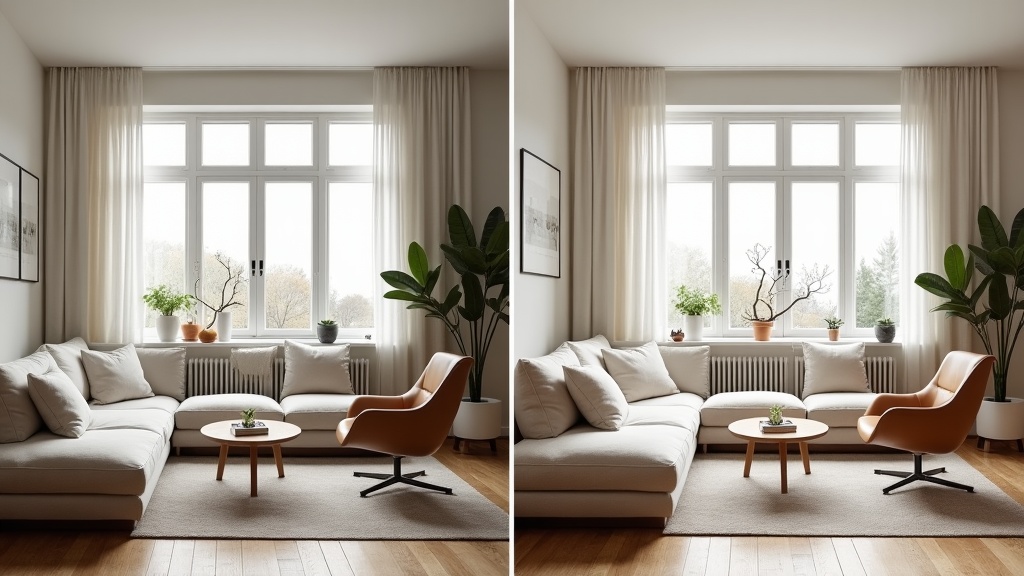
A/B testing your Airbnb description means creating two versions of your listing copy, running each version for a set period, and comparing booking conversion rates to see which performs better. You change one element—a headline, the opening paragraph, the amenity order—keep everything else identical, and let real guest behaviour tell you what works.
Unlike blog posts or product pages where you can split traffic 50/50 in real-time, Airbnb doesn't offer built-in split testing. Instead, UK hosts run sequential tests: Version A runs for two weeks, Version B runs for the next two weeks, and you compare metrics like click-through rate, booking conversion, and average booking value. The key is controlling for variables—test during similar seasons, avoid major local events that skew demand, and change only one thing at a time.
Why bother? Because a 1% improvement in conversion rate on a listing with 400 monthly views can mean an extra £800-£1,200 per year in bookings you'd otherwise lose to competitors. The hosts who consistently test their copy aren't guessing what guests want—they're letting data guide every word.
The 4 High-Impact Description Elements Worth Testing First
Not all words carry equal weight. Testing random tweaks wastes time. Focus on the four elements that disproportionately influence booking decisions:
1. The First Two Sentences (Your Make-or-Break Hook)
Guests skim. If your opening two sentences don't instantly answer 'why should I book this place?', they're gone. Test benefit-led hooks against feature-led openings. For example:
- Version A (feature-led): 'Modern two-bedroom flat in Shoreditch with WiFi and Netflix.'
- Version B (benefit-led): 'Wake up in the heart of East London's coolest neighbourhood, then stroll to Brick Lane markets in under five minutes.'
Version B paints a scene and sells an experience. It doesn't just list amenities—it shows the guest living their best London weekend. Test this structure: emotion + proximity to key attraction + unique benefit versus a straightforward list of features. Track which version drives more enquiries and bookings over a two-week period.
2. Urgency and Scarcity Language (The Nudge That Converts)
Does adding phrases like 'only one booking available this weekend' or 'our calendar fills fast during festival season' actually increase conversions, or does it feel pushy? Test it. Some hosts find that subtle scarcity cues—'one of only three flats in this building on Airbnb'—boost bookings by 8-12%, while overt urgency ('book now or miss out!') can backfire and lower trust.
Try embedding scarcity naturally: 'This Victorian terrace is one of the few pet-friendly homes in Bath city centre' versus a neutral description. Measure booking rate, but also watch for changes in guest quality and review tone. If urgency increases bookings but attracts more last-minute cancellations, it's not a win.
3. Amenity Presentation Order (What You Lead With Matters)
Should you mention free parking in the first paragraph or bury it under 'Other Details'? Test amenity hierarchy. For London listings, leading with 'two-minute walk to the Tube' often outperforms leading with 'king-size bed'. For rural Yorkshire cottages, 'private parking for two cars' might be the hook that beats 'exposed oak beams'.
Create two versions: one that leads with convenience amenities (location, transport, parking) and one that leads with comfort amenities (bed type, luxury finishes, views). Run each for a fortnight and compare conversion. You'll quickly discover what your specific guest demographic values most. For more on identifying and emphasising your strongest selling points, read our guide on highlighting unique selling points that convert.
4. Descriptive Adjectives vs. Concrete Specifics (Fluffy or Factual?)
Which converts better: 'spacious living room' or 'living room with 4-seater sofa, 55-inch smart TV, and south-facing bay window'? Test vague adjectives against precise, visual details. Many UK hosts discover that specifics win—guests trust concrete facts over subjective claims.
Version A might say: 'Beautiful, modern kitchen perfect for cooking.' Version B: 'Fully-equipped kitchen with Neff oven, dishwasher, Nespresso machine, and granite worktops—everything you need to cook a proper Sunday roast.' Version B gives the guest a mental image and builds confidence they won't arrive to a kitchenette with a kettle and a microwave. Track which version reduces pre-booking questions and increases conversion.
How to Set Up a Simple A/B Test (Even If You're Not a Data Nerd)
You don't need expensive software or a statistics degree. Here's a practical framework any UK host can follow:
Step 1: Choose One Variable to Test
Resist the urge to rewrite your entire description at once. Change one thing—the opening hook, the amenity order, or a single paragraph. If you alter five elements simultaneously and bookings increase, you won't know which change drove the result.
Step 2: Establish Your Baseline Metrics
Before you test anything, record your current performance over 14 days:
- Listing views (from Airbnb's Insights tab)
- Click-through rate (how many viewers click 'Contact Host' or 'Reserve')
- Booking conversion rate (bookings divided by enquiries)
- Average booking value
- Number of pre-booking questions
These five metrics form your control group. Any test that improves conversion but tanks average booking value isn't a win—you want quality bookings, not just more enquiries.
Step 3: Run Version B for an Equal Period
Change your description and let it run for another 14 days. Keep everything else constant: don't adjust pricing, don't upload new photos, don't suddenly start offering a discount for weekly stays. You're isolating the impact of the copy change.
If a major event happens during your test period—a local festival, a Tube strike, a heatwave—note it and consider extending the test or running it again. You want comparable conditions.
Step 4: Compare, Analyse, Keep or Revert
At the end of 28 days, compare your metrics. Did Version B improve conversion by at least 5-10%? Did it maintain or improve average booking value and guest quality? If yes, keep it and test the next variable. If no, revert to Version A and try a different change.
Document your results in a simple spreadsheet: date, variable tested, metric changes, decision. Over six months, you'll build a personalised playbook of what works for your listing in your market. Not sure where to start or which variables matter most for your property type? Get a free performance analysis from LetGrow that highlights the highest-impact changes before you start testing.
The Persuasive Words and Phrases UK Guests Respond To (Backed by Real Tests)
Certain words consistently outperform others in Airbnb descriptions. Here are the phrases UK hosts are testing—and winning with—right now:
Proximity and Convenience Cues
- 'Two-minute walk to...' beats 'close to' or 'near' every time. Specificity builds trust.
- 'Direct train to...' reassures guests they won't need three connections and a bus to reach central London.
- 'Free on-site parking' converts better than 'parking available' (which might mean paid or street parking).
Comfort and Quality Signals
- 'Hotel-quality linens' or 'Egyptian cotton sheets' outperforms generic 'comfortable bed'.
- 'Blackout curtains' appeals to light-sensitive sleepers and families with young children.
- 'Powerful shower' or 'rainfall showerhead' beats 'ensuite bathroom'. Guests remember bad showers.
Lifestyle and Experience Language
- 'Perfect for...' followed by a specific use case (romantic getaways, remote workers, family reunions) helps the right guests self-select.
- 'Unwind with...' or 'start your day with...' paints a sensory picture. 'Unwind with a glass of wine on the private balcony overlooking the harbour' is more compelling than 'balcony with sea view'.
Test these against your current phrasing. You might discover that your Edinburgh guests care more about 'five-minute walk to the Royal Mile' than they do about your vintage furniture, or that your Birmingham business travellers convert fastest when you lead with 'dedicated workspace with ergonomic chair and desk lamp'. For deeper insights into structuring your entire description for maximum click-through, see our guide on Airbnb description writing that increases clicks.
The Sneaky Mistakes That Kill Conversion (And How to Test Your Way Out)
Even experienced hosts make copy mistakes that quietly haemorrhage bookings. Here's what to watch for—and test against:
Mistake 1: Burying Your Unique Selling Point
If your flat is the only one in Camden with a private garden, don't mention it in paragraph four. Test leading with your USP versus burying it. Track whether early placement increases enquiries from families and pet owners (who disproportionately value outdoor space).
Mistake 2: Writing for Yourself, Not Your Guest
'We love this place and hope you do too!' tells the guest nothing useful. Test guest-benefit language against host-perspective fluff. Version A: 'We renovated this cottage with love.' Version B: 'You'll have a brand-new kitchen, heated bathroom floors, and a wood-burning stove—everything we'd want if we were the guests.' Version B focuses on guest experience, not host sentiment.
Mistake 3: Overpromising or Underselling
Calling your studio 'spacious' when it's 25 square metres creates expectation mismatch and bad reviews. Calling your four-bedroom Victorian terrace 'cosy' undersells it to large groups. Test accurate, specific language against subjective adjectives. Replace 'spacious' with 'comfortably sleeps four' or 'large enough for a dining table and sofa'. Replace 'cosy' with 'four double bedrooms, sleeps eight'.
Mistake 4: Ignoring Seasonality
Your summer description might emphasise the garden and outdoor seating. In November, that same copy feels irrelevant to guests booking a winter city break. Test seasonal variations. Update your opening paragraph to reflect what guests actually care about in each season: 'cosy night in by the fire' in winter, 'breakfast on the sunny terrace' in summer. Measure whether seasonal tweaks reduce booking drop-offs during shoulder seasons.
What to Measure (Beyond Just Booking Numbers)
Conversion rate is the headline metric, but dig deeper to understand why a test succeeds or fails:
- Enquiry-to-booking ratio: Are you getting more enquiries but fewer bookings? Your description might be attracting the wrong guest type or creating false expectations.
- Pre-booking question volume: If Version B reduces questions by 30%, your copy is clearer and more reassuring—even if conversion stays flat, you're saving time.
- Average length of stay: Does emphasising your workspace attract more week-long bookings from remote workers? That's a win even if total booking volume stays the same.
- Guest quality and review scores: A description that accurately sets expectations reduces disappointment and bad reviews. Track review sentiment before and after major copy changes.
- Booking lead time: Are guests booking further in advance after you tweaked the description? That's a trust signal—they feel confident enough to commit early.
If you're juggling multiple metrics and want a single dashboard that tracks how your listing performs across all dimensions, LetGrow's performance analysis benchmarks your click-through, conversion, pricing, and occupancy against local competitors, so you know where to focus your testing efforts.
Advanced Testing: When to Layer In Pricing and Photo Variables
Once you've optimised your description copy through A/B testing, the next frontier is testing combinations: how description changes interact with pricing strategy and photo order. This is advanced territory—only attempt it once you've nailed single-variable tests.
For example, a benefit-led opening sentence might perform even better when paired with a hero photo that visually reinforces the benefit. If your new description leads with 'stunning rooftop views over Bath', test whether moving a rooftop photo to position one boosts conversion more than the description change alone.
Similarly, test whether a description emphasising luxury and premium amenities converts better at a slightly higher price point. Some UK hosts find that raising their rate 5-8% while rewriting the description to emphasise high-end finishes actually increases bookings—they attract fewer price-sensitive guests but more guests willing to pay for quality. For a comprehensive look at how copy length affects conversion, see how many words actually boost bookings.
Real-World Example: A Manchester Host's 14% Conversion Lift
A two-bedroom flat near Manchester Piccadilly had solid occupancy but a nagging sense that the description wasn't pulling its weight. The host ran a simple test:
Version A (original): 'Lovely two-bed flat in the Northern Quarter with WiFi, Netflix, and a fully-equipped kitchen. Close to tram stops and great restaurants.'
Version B (tested): 'Step out of the door and you're in the Northern Quarter's best coffee shops and vintage markets in under three minutes. This two-bedroom flat gives you king-size beds, a rainfall shower, and a kitchen with everything you need to cook—plus a Smart TV and superfast WiFi when you fancy a night in.'
Version B led with lifestyle and proximity, painted a visual scene, and used specific amenity details instead of generic claims. Over four weeks, Version B increased booking conversion by 14% and reduced pre-booking questions by 22%. Guests knew exactly what they were getting and felt confident enough to book without a lengthy back-and-forth.
The host didn't stop there. Next test: moving 'free on-street parking permit provided' from the bottom of the description to the third sentence. Result: a 9% increase in bookings from guests arriving by car, who'd previously scrolled past the listing assuming parking would be a nightmare.
How Often Should You Test (Without Annoying Airbnb's Algorithm)?
Airbnb's search algorithm favours consistency. Constantly tweaking your listing can temporarily hurt your ranking while the algorithm recalibrates. Best practice: run one test per month, let each version sit for at least two weeks, and avoid making changes during your peak booking season (when you can't afford an algorithmic hiccup).
Focus your testing during shoulder seasons—March to May and September to November for most UK markets—when you have room to experiment without risking your highest-revenue weeks. Once you've identified winning copy, lock it in for summer or December and reap the rewards.
Tools and Tactics: How to Track Your Tests Without a PhD
You don't need fancy software, but you do need discipline. Here's a simple tracking system:
- Google Sheets or Excel: Create a tab for each test. Log start/end dates, the variable changed, and all five core metrics (views, CTR, conversion, avg booking value, questions).
- Airbnb Insights: Check weekly. Export views and booking data for each test period.
- Calendar screenshots: Before you change anything, screenshot your calendar and pending enquiries. It's your before-and-after visual proof.
- Guest message analysis: Read through enquiries during each test period. Are guests mentioning the thing you changed? ('I'm booking because you mentioned parking' or 'The description made it sound perfect for kids') That's qualitative gold.
If manually tracking feels overwhelming or you want expert feedback on what to test first, LetGrow's optimisation guidebook includes ready-to-use testing templates and a prioritised roadmap based on your listing's specific weak points.
What to Do If Your Test Shows No Clear Winner
Sometimes Version A and Version B perform identically. That's useful data—it tells you that variable doesn't matter to your guests. Move on and test something else. You've just saved yourself from obsessing over a detail that doesn't move the needle.
Alternatively, a flat result might mean your test period was too short or external factors (weather, local events, algorithm changes) masked the effect. Rerun the test during a quieter, more stable period before concluding the variable is irrelevant.
The Ethical Line: What You Should Never Test
Optimising copy is smart. Misleading guests is not. Never test descriptions that:
- Exaggerate proximity ('five-minute walk' when it's actually fifteen)
- Invent amenities you don't have ('workspace with desk' when there's only a breakfast bar)
- Oversell the space ('sleeps six comfortably' when it's a cramped squeeze)
A description that boosts bookings but tanks your review score is a Pyrrhic victory. Test persuasive, accurate language—not fiction. For a deeper dive into writing descriptions that convert and set honest expectations, check out our complete writing guide.
Conclusion: Test, Learn, Earn
Most UK Airbnb hosts write their description once, publish it, and never look back. The hosts who consistently outperform their market treat their listing copy like a living document—testing, refining, and optimising based on real guest behaviour, not hunches.
Start with one high-impact test: your opening hook, your amenity order, or your urgency language. Run it for a fortnight, measure the results, and iterate. Over six months, those incremental improvements compound into double-digit conversion lifts and thousands of pounds in additional revenue.
Ready to see how your current description measures up? Get your free Airbnb listing score from LetGrow—you'll get a detailed analysis of your title, photos, pricing, and copy, plus specific, actionable suggestions for what to test first. No guesswork, just data-driven insights that help you self-manage smarter and earn more.
Frequently Asked Questions
How long should I run an A/B test on my Airbnb description?
Run each version for at least 14 days to collect enough data, ideally during comparable periods (same season, similar local demand). A 28-day total test window—14 days per version—gives you reliable results without the algorithm penalising you for constant changes.
Can I test multiple description changes at the same time?
Technically yes, but you won't know which change drove the result. Best practice is to test one variable at a time—opening hook, amenity order, or urgency language—so you can isolate what actually improves conversion and replicate it across future listings.
What's a good conversion rate for an Airbnb listing?
Conversion rate varies by market, property type, and season, but a healthy baseline is 1-3% of viewers booking directly or sending an enquiry that converts. If you're below 1%, your description, photos, or pricing likely need work. Above 3% suggests you're doing something right—or possibly underpriced.
Will changing my description hurt my Airbnb search ranking?
Minor tweaks (a sentence or two) rarely affect ranking. Major rewrites can cause a temporary dip as the algorithm recalibrates, but if the new description improves conversion, your ranking typically recovers and improves within a few weeks. Avoid changes during peak season to minimise risk.
Should I copy description strategies from top-ranked listings in my area?
Inspiration is fine, but copying verbatim won't work—your listing has unique strengths and your guests have specific needs. Instead, analyse what structural elements top listings use (benefit-led hooks, specific amenity details, lifestyle language) and test adapted versions tailored to your property.
How do I know if my description is too long or too short?
Test it. Some guests prefer concise, scannable bullet points; others want rich detail that helps them visualise their stay. Track whether a shorter version reduces pre-booking questions or a longer version increases booking confidence. Aim for 150-300 words as a starting point, then optimise based on your metrics.