
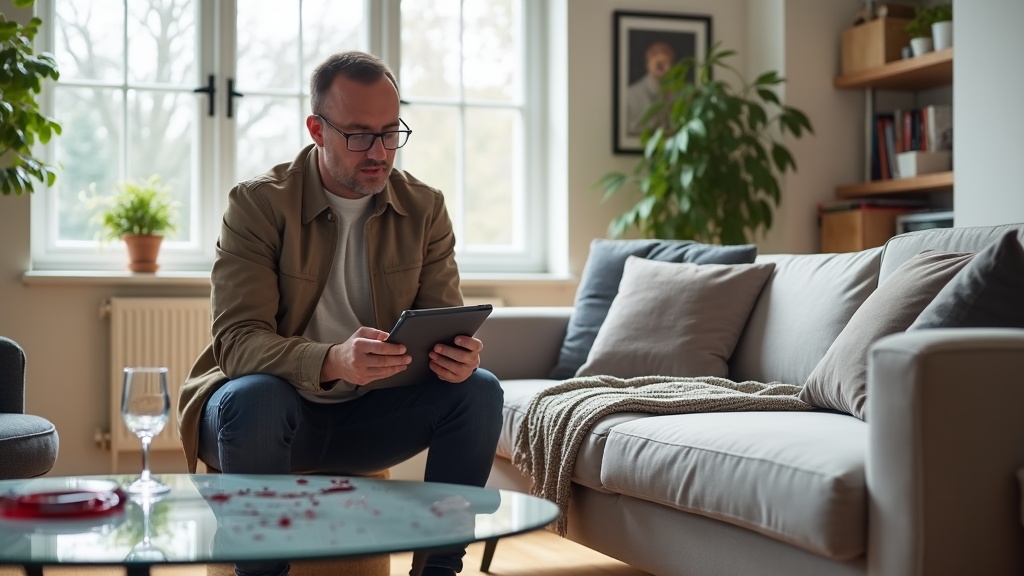
Dealing with Airbnb guest damage is one of the most stressful aspects of hosting, but with the right approach, you can protect your property and recover costs efficiently. From understanding AirCover for Hosts to documenting evidence and filing successful claims, this comprehensive guide walks you through every step of handling guest damage in your UK short-term rental.
What Counts as Airbnb Guest Damage?
Airbnb guest damage includes any physical harm to your property, furnishings, or belongings that goes beyond normal wear and tear. This covers broken furniture, stained carpets, damaged electronics, missing items, and structural damage to walls, doors, or fixtures.
Understanding the distinction between normal wear and damage is crucial for successful claims. Normal wear might include slight scuffing on wooden floors, minor fading of fabrics, or small scratches on furniture from regular use. Damage, however, involves deliberate or negligent actions that cause significant harm: red wine spilled on white bedding, cigarette burns on surfaces, broken glassware, or holes punched in walls.
Common types of guest damage UK hosts encounter include:
- Accidental breakages: Smashed mirrors, broken dishes, damaged electronics
- Stains and marks: Food spills on carpets, makeup on towels, permanent marker on walls
- Structural damage: Holes in walls, damaged door frames, broken locks
- Missing items: Towels, cutlery, decorative objects, or small appliances
- Excessive cleaning needs: Situations requiring professional cleaning beyond standard turnover
The key is documenting everything thoroughly. Take detailed photos of your property before and after each stay, noting the condition of high-risk items like glassware, electronics, and light-coloured furnishings.
How Does AirCover for Hosts Work in the UK?
AirCover for Hosts provides up to £800,000 in damage protection for UK properties, covering guest damage to your home and belongings at no additional cost. The programme includes protection for theft, accidental damage, and deep cleaning costs when guests violate house rules.
Here's how AirCover operates in practice:
Coverage Includes
- Damage to your home's structure, furniture, and belongings
- Theft of your personal property
- Deep cleaning costs when guests leave excessive mess
- Replacement of stolen or damaged items up to policy limits
- Professional cleaning for pet damage (if pets aren't allowed)
Coverage Excludes
- Cash, securities, collectibles, and artworks (limited coverage)
- Damage from normal wear and tear
- Damage you cause yourself
- Pre-existing damage to your property
- Damage from long-term stays (28+ nights)
The claims process involves requesting money from the guest first through Airbnb's Resolution Centre. If the guest doesn't respond or refuses to pay within 72 hours, you can escalate to AirCover. Airbnb then investigates your claim and determines compensation based on your evidence and their policy terms.
It's worth noting that AirCover has specific documentation requirements and time limits. You must report damage within 14 days of the guest's checkout, provide clear photographic evidence, and submit receipts for any replacement items or professional services.
Should You Require an Airbnb Damage Deposit?
Many UK hosts wonder whether requiring a damage deposit improves protection, but deposits often create more friction than security. Modern best practice focuses on comprehensive insurance coverage, detailed documentation, and clear communication rather than upfront deposits.
Consider these factors when deciding on deposits:
Arguments Against Deposits
- Reduced bookings: Deposits add friction to the booking process and may deter price-sensitive guests
- Administrative burden: Managing deposits requires additional communication and potential disputes
- False security: Small deposits rarely cover significant damage costs anyway
- Guest perception: Deposits can signal distrust and set a negative tone from booking
When Deposits Make Sense
- High-end properties with valuable furnishings or art
- Properties allowing pets where additional risks exist
- Large group bookings with higher damage probability
- Properties with specific expensive items (hot tubs, pianos, etc.)
If you do require deposits, keep them reasonable (£100-300 for most UK properties) and clearly explain the policy in your listing description. Effective guest communication templates can help set expectations without sounding accusatory.
Remember that AirCover's £800,000 coverage often provides better protection than small deposits. Focus your energy on optimising your listing for the right guest demographic rather than trying to collect upfront security fees.
Step-by-Step: How to Document Damage
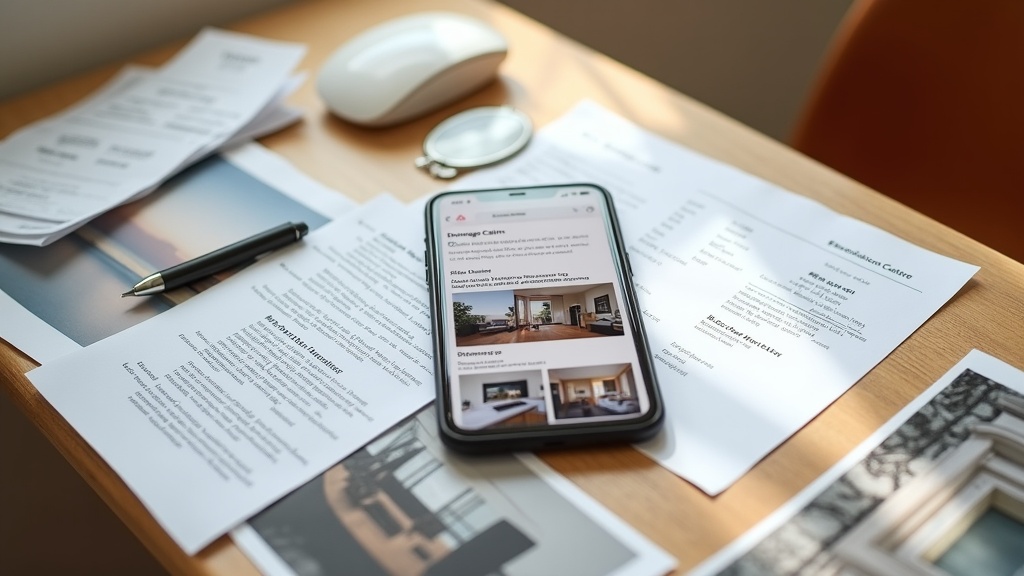
Proper documentation is essential for successful damage claims, whether through Airbnb's Resolution Centre or AirCover for Hosts. Your evidence quality directly impacts claim approval and compensation amounts.
Before Every Guest Arrival
Create a comprehensive photo record of your property's condition. Focus on:
- All rooms from multiple angles, showing furniture placement and condition
- Close-ups of valuable items, electronics, and fragile objects
- Any existing wear or minor damage (proves it wasn't guest-caused)
- Bathroom fixtures, mirrors, and tiling
- Kitchen appliances, worktops, and cookware
After Discovering Damage
Document everything immediately:
- Photograph the damage: Take multiple angles, close-ups showing severity, and wide shots showing context
- Video evidence: Record walk-through videos showing the full extent of problems
- Time-stamp everything: Ensure your photos show dates and times automatically
- Compare to pre-arrival photos: Side-by-side comparisons strengthen your case
- Photograph receipts: Keep digital copies of purchase receipts for damaged items
Gathering Supporting Evidence
Strong claims include multiple evidence types:
- Purchase receipts: Prove original item value and replacement costs
- Professional quotes: Get repair estimates from qualified tradespeople
- Cleaning service invoices: Document professional cleaning costs
- Guest messages: Save any admissions of damage or apologies
- Third-party reports: Include cleaner or neighbour observations if relevant
Store all evidence in cloud storage with clear file names. Organisation matters when submitting claims—make it easy for Airbnb's team to understand your case quickly.
How to File a Damage Claim Through Airbnb
Filing successful damage claims requires following Airbnb's specific process and timeline. The platform uses a two-stage system: first attempting guest resolution, then escalating to AirCover if necessary.
Stage 1: Resolution Centre Request
Start by requesting payment directly from the guest through Airbnb's Resolution Centre within 14 days of checkout:
- Access Resolution Centre: Log into your host dashboard and navigate to the specific reservation
- Select "Request Money": Choose the damage option and specify the exact amount
- Upload evidence: Add your photos, videos, and supporting documents
- Write a clear description: Explain what happened, when you discovered it, and why compensation is fair
- Include replacement costs: Attach receipts or quotes for repairs/replacements
Keep your tone professional and factual. Avoid emotional language or accusations—stick to describing the damage and its financial impact. Many guests will pay reasonable requests immediately, especially when presented with clear evidence.
Stage 2: AirCover Escalation
If the guest doesn't respond within 72 hours or disputes your request, escalate to AirCover:
- Click "Involve Airbnb": This option appears after the 72-hour window
- Provide additional context: Explain any guest communications or special circumstances
- Submit comprehensive evidence: Include everything from Stage 1 plus any new information
- Await investigation: Airbnb typically responds within 5-7 business days
Maximising Claim Success
Follow these best practices for higher approval rates:
- Be specific about costs: Don't round up or inflate—provide exact quotes and receipts
- Focus on fair replacement: Request like-for-like replacements, not upgrades
- Include context: Explain how damage impacts future guests or property safety
- Show prevention efforts: Demonstrate that you took reasonable precautions
- Stay professional: Maintain courteous communication throughout the process
If you'd like an expert assessment of your listing with specific suggestions to improve guest selection and reduce damage risks, LetGrow's free listing score shows you exactly where you stand.
When to Involve Your Insurance vs AirCover
Deciding between personal insurance and AirCover depends on damage severity, your policy terms, and potential impact on future premiums. Understanding when each option works best protects both your immediate costs and long-term hosting business.
Use AirCover for Hosts When
- Damage is clearly guest-caused and well-documented
- Costs fall within AirCover's coverage limits
- You have clear before/after photographic evidence
- The incident occurred during an active Airbnb booking
- Professional cleaning or minor repairs are needed
Consider Personal Insurance When
- Damage exceeds AirCover limits (rare but possible)
- Structural damage requires major building work
- Multiple expensive items need replacement simultaneously
- Damage could impact property safety or habitability
- AirCover has denied your claim but you have strong evidence
Important Insurance Considerations
Many standard home insurance policies exclude short-term rental activities. Ensure your policy specifically covers Airbnb hosting, or damage claims may be denied regardless of circumstances. Specialist short-term rental insurance often provides better coverage for hosting-related incidents.
Claims frequency affects future premiums. Minor damage covered by AirCover won't impact your insurance record, while multiple insurance claims could increase costs or affect renewal terms. Generally, use AirCover for smaller incidents and save insurance for major damage scenarios.
Document everything regardless of which route you choose. Insurance companies require similar evidence to AirCover, and having comprehensive documentation keeps both options available if your first choice doesn't provide adequate resolution.
How to Prevent Future Guest Damage
Prevention costs far less than repairs. Strategic property setup, guest screening, and clear communication dramatically reduce damage incidents while improving the overall hosting experience.
Property-Proofing Strategies
- Choose durable materials: Opt for stain-resistant fabrics, laminate over hardwood, and metal over glass
- Secure valuables: Remove irreplaceable items or secure them in locked areas
- Provide adequate amenities: Essential amenities like extra towels and basic toiletries prevent improvised solutions
- Install protective measures: Door stops, furniture corner guards, and washable slipcovers
- Create clear pathways: Arrange furniture to prevent accidental collisions and damage
Smart Guest Screening
Your booking requirements directly impact guest quality:
- Require profile photos: Verified guests with complete profiles are typically more responsible
- Set minimum stay requirements: Longer stays often attract more respectful guests
- Read guest reviews carefully: Look for mentions of cleanliness, respect, and communication
- Require advance booking: Instant bookings from new accounts carry higher risk
- Limit party-prone demographics: Consider restrictions on large groups or certain event weekends
Communication That Prevents Problems
Clear expectations prevent many damage incidents:
- Detailed house rules: Specify policies on shoes, food/drink areas, and smoking
- Pre-arrival messages: Effective communication templates set the right tone
- Property orientation: Provide clear instructions for appliances, locks, and fragile items
- Emergency contacts: Give guests easy ways to report accidents immediately
- Check-in walkthroughs: For self-check-in, provide video tours highlighting important items
Remember that attracting quality guests through optimised listings reduces damage risk naturally. Well-presented properties attract guests who respect and care for the space.
Understanding Your Rights as a UK Host
UK hosts have specific legal protections beyond Airbnb's policies, including rights under consumer protection laws and the ability to pursue compensation through small claims courts when platform resolution fails.
Legal Framework
UK consumer protection laws apply to short-term rental damage. Guests have a legal duty of care to avoid damaging your property, and you have the right to claim reasonable compensation for negligent or deliberate damage.
Key legal principles include:
- Duty of care: Guests must use your property reasonably and avoid damaging it
- Negligence claims: You can seek compensation for damage caused by guests' unreasonable actions
- Reasonable wear exclusion: Courts distinguish between normal use and excessive damage
- Mitigation duty: You must take reasonable steps to minimise damage once discovered
When to Consider Legal Action
Pursue legal remedies when:
- Damage costs exceed £1,000 and Airbnb hasn't provided adequate resolution
- Guests have deliberately caused damage or theft
- You have clear evidence including photos, receipts, and witness statements
- Professional repair quotes demonstrate significant financial impact
Small Claims Court Process
For damage claims under £10,000, UK small claims courts offer an accessible option:
- Send a formal demand letter: Give the guest 14 days to respond to your compensation request
- File a claim online: Use the UK government's Money Claim Online service
- Pay court fees: Fees range from £25-£410 depending on claim value
- Present your evidence: Provide photos, receipts, and expert testimony if needed
- Enforce judgments: Courts can order payment directly from the defendant's bank account
Most guests settle before court hearings when presented with strong evidence and formal legal proceedings. The key is maintaining detailed records and following proper procedures from the initial incident.
Working with Professional Cleaning and Repair Services
Building relationships with reliable cleaning and repair professionals ensures quick property restoration and strengthens damage claims through professional documentation and invoicing.
Choosing the Right Cleaning Service
Look for cleaning companies that understand short-term rental needs:
- Same-day availability: Essential for quick turnovers and damage situations
- Detailed invoicing: Itemised bills strengthen insurance and Airbnb claims
- Before/after photos: Professional cleaners can document conditions for your records
- Specialised services: Carpet cleaning, upholstery treatment, and odour removal
- Flexible scheduling: Ability to work around guest check-ins and check-outs
Managing Repair Contractors
Develop a network of trusted tradespeople for common repair needs:
- Emergency contacts: Plumbers, electricians, and glaziers for urgent repairs
- Furniture repair: Specialists for wooden furniture, upholstery, and antique restoration
- Painters and decorators: Quick response for wall damage and scuff marks
- Appliance repair: Technicians familiar with common guest damage issues
Always request written quotes and detailed invoices that specify exactly what damage occurred and what work was performed. This documentation is essential for successful damage claims and tax deductions.
Want a professional eye on your listing to identify potential damage risks and improvement opportunities? LetGrow analyses your title, photos, pricing, and amenities for free — no obligation, just actionable insights.
Tax Implications of Damage Claims and Repairs
Damage repairs and successful compensation claims have important tax implications for UK hosts. Understanding these rules helps you maintain proper records and claim appropriate deductions.
Deductible Repair Costs
Most damage repairs are deductible as business expenses:
- Direct repair costs: Parts, labour, and materials for fixing guest damage
- Professional cleaning: Deep cleaning required due to guest misuse
- Replacement items: Furniture, appliances, and furnishings damaged beyond repair
- Emergency repair costs: Urgent fixes needed to maintain property safety
Compensation Income
Money received from damage claims may be taxable:
- Insurance payments: Generally not taxable if they only restore your property to its original condition
- Airbnb compensation: Usually not taxable as it compensates for losses rather than creating income
- Guest payments: Direct payments may be taxable depending on how they're categorised
- Betterment situations: If compensation exceeds actual losses, the excess may be taxable
Record-Keeping Requirements
Maintain detailed records for HMRC compliance:
- Photos showing damage and repair completion
- All invoices and receipts for repair work
- Communication with guests and Airbnb about incidents
- Insurance correspondence and claim settlements
- Bank statements showing repair payments and compensation received
Consult with a qualified accountant familiar with short-term rental taxation to ensure you're handling damage-related finances correctly and maximising your legitimate deductions.
Frequently Asked Questions
How long do I have to report guest damage to Airbnb?
You must report damage within 14 days of the guest's checkout to be eligible for AirCover protection. This strict deadline applies to both Resolution Centre requests and AirCover claims, so document and report damage as soon as you discover it.
What if the guest admits fault but refuses to pay?
Save all messages where the guest acknowledges causing damage, then proceed with a formal Resolution Centre request. Guest admissions strengthen your case significantly when escalating to AirCover, as they establish responsibility clearly.
Can I claim for damage if I don't have before photos?
Claims without before photos are much harder to prove, but not impossible. Focus on gathering other evidence: purchase receipts showing item age, witness statements from cleaners or neighbours, and detailed photos of the damage showing it's clearly fresh or excessive.
Should I contact the guest directly about damage before using Airbnb's system?
Always use Airbnb's Resolution Centre rather than requesting payment outside the platform. Direct requests can violate Airbnb's terms of service and remove your protection under AirCover. The Resolution Centre creates an official record and follows proper procedures.
What happens if AirCover denies my claim?
You can appeal AirCover decisions by providing additional evidence or clarification. If the appeal fails, consider pursuing the guest directly through small claims court, especially for significant damage with strong documentation. Your legal rights exist independently of Airbnb's policies.
How much can I claim for cleaning after guest damage?
You can claim reasonable professional cleaning costs that exceed normal turnover cleaning. This includes carpet cleaning for stains, deep cleaning for odours, or specialised cleaning for specific damage. Always get itemised invoices that clearly separate damage-related work from routine cleaning.
Dealing with guest damage is never pleasant, but understanding your options and rights makes the process manageable. Focus on prevention through smart property setup and guest screening, document everything thoroughly when damage occurs, and use both Airbnb's systems and UK legal protections to recover your costs. Ready to see how your listing measures up? Get your free score at LetGrow.