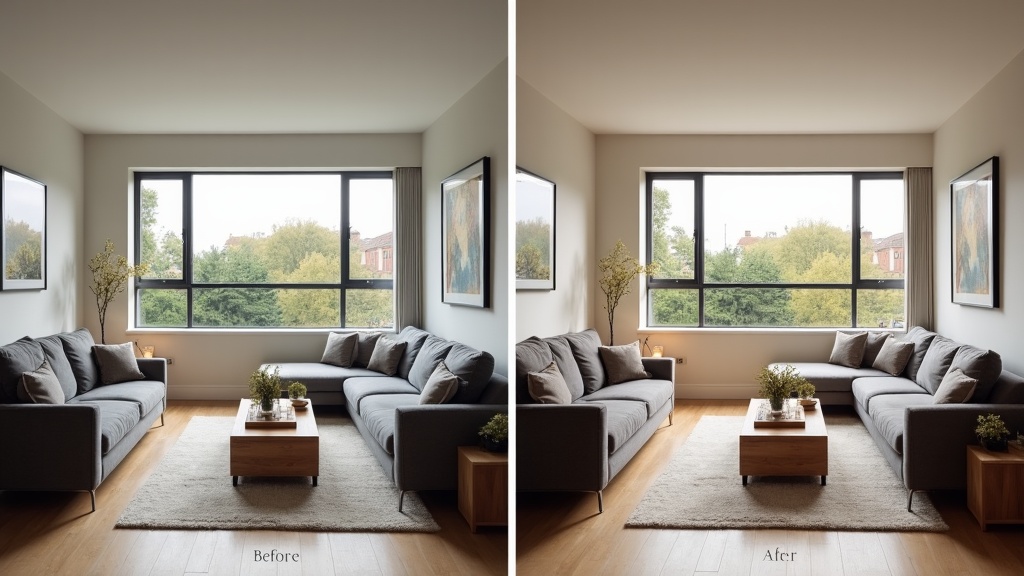
The debate over Airbnb smartphone photos vs professional photography divides UK hosts like few other topics. Whilst professional photographers deliver polished results, smartphone cameras have evolved dramatically—and savvy hosts are achieving remarkable results with devices already in their pockets. The key isn't necessarily the camera you use, but understanding how to maximise whichever tool you choose for your listing's unique needs.
Do Smartphone Photos Really Work for Airbnb Listings?
Yes, smartphone photos can absolutely work for Airbnb listings when shot correctly. Modern smartphones produce images with sufficient resolution and colour accuracy for online listings, and many successful UK hosts rely entirely on smartphone photography.
The reality is that most guests browse listings on mobile devices with small screens, where the difference between professional and well-shot smartphone images becomes minimal. Recent data shows that listings with high-quality smartphone photos perform comparably to those with professional photography in terms of click-through rates and booking conversions.
However, success depends entirely on technique. A poorly composed smartphone photo will always underperform a professional shot, regardless of the device's capabilities. The smartphone advantage lies in convenience, cost-effectiveness, and the ability to retake photos whenever you make property improvements.
Your smartphone camera likely includes features that rival professional equipment: multiple lenses, portrait modes, HDR processing, and sophisticated image stabilisation. The iPhone 14 Pro and Samsung Galaxy S23 Ultra, for example, capture images at resolutions exceeding most professional cameras from just five years ago.
What Are the Real Costs of Professional Airbnb Photography?
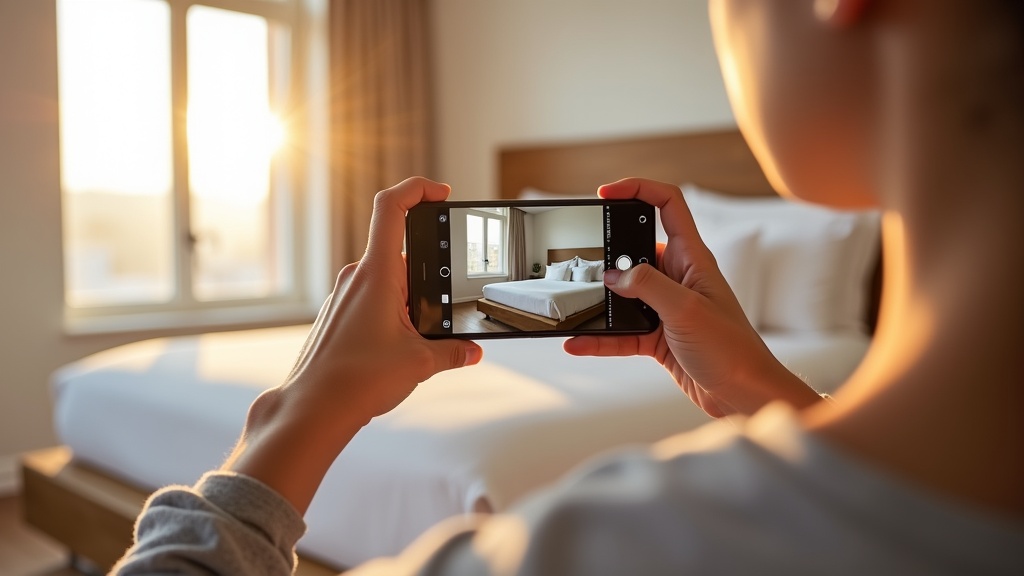
Professional Airbnb photography in the UK typically costs between £150-£500 per session, depending on property size, location, and photographer experience. London photographers often charge £300-£500, whilst regional photographers may offer sessions from £150-£250.
Beyond the initial cost, consider ongoing expenses. Properties require fresh photos every 12-18 months to maintain visual appeal, and any significant changes—new furniture, seasonal updates, or amenity additions—may necessitate additional shoots. Professional photographers also require scheduling coordination, which can delay listing launches or updates.
The hidden costs include travel time for remote properties, potential reshoot fees if initial results disappoint, and the challenge of finding photographers who understand Airbnb's specific requirements. Many traditional property photographers focus on estate agent needs rather than the storytelling approach that converts Airbnb browsers into bookers.
For hosts managing multiple properties, professional photography costs multiply quickly. A host with three properties might spend £900-£1,500 annually on photography alone—before considering the time investment in coordinating multiple shoots.
Which Smartphone Camera Features Matter Most for Airbnb Photos?
For Airbnb photography, prioritise smartphones with wide-angle lenses, excellent low-light performance, and reliable image stabilisation. These features directly impact your ability to capture appealing property photos in real-world conditions.
Wide-angle lenses prove essential for showcasing room sizes—particularly crucial in UK properties where space is often limited. Modern smartphones typically offer 0.5x ultra-wide modes that capture significantly more of each room than standard lenses. This capability alone can make compact bedrooms appear more spacious and welcoming.
Low-light performance determines whether you can photograph properties during winter months or on overcast days without artificial lighting. Night mode technology has revolutionised smartphone photography, allowing hosts to capture well-lit images even in challenging conditions.
Image stabilisation prevents the slight camera shake that ruins otherwise perfect shots. Optical image stabilisation (OIS) outperforms digital stabilisation, particularly for the multiple shots typically needed to capture each room perfectly.
Additional valuable features include multiple lens options (telephoto for detail shots, macro for amenity close-ups), computational photography modes that enhance colours and contrast automatically, and high-resolution capabilities for future-proofing your images against platform requirements changes.
How Do Professional and Smartphone Photos Compare in Booking Performance?
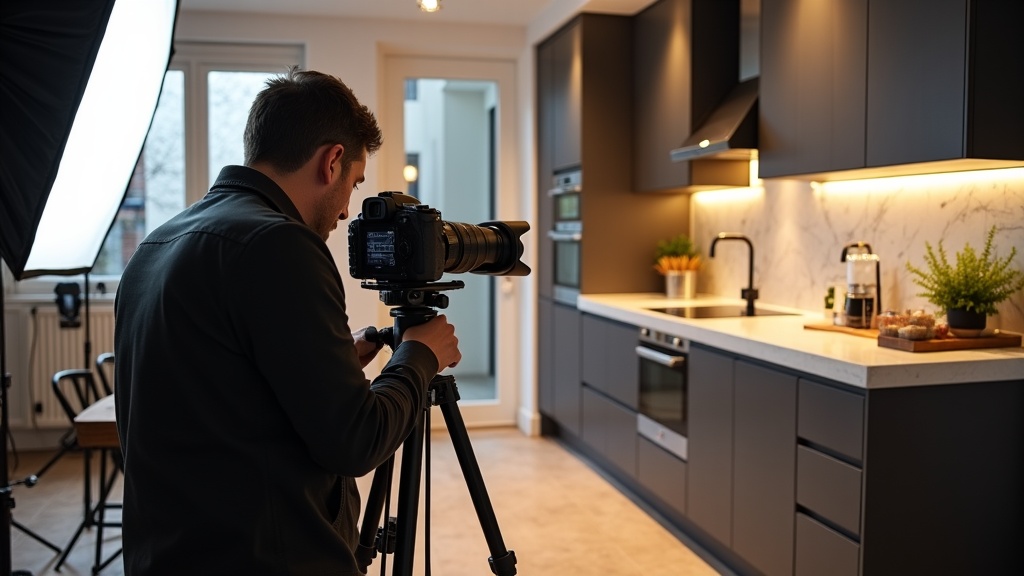
Booking performance differences between professional and smartphone photos are smaller than most hosts expect, with photo composition and storytelling often mattering more than technical quality. Well-composed smartphone photos consistently outperform poorly planned professional shots in click-through rates and conversion metrics.
Industry analysis reveals that successful listings share common photographic elements regardless of camera type: excellent lighting, clean compositions, accurate colour representation, and comprehensive property coverage. Professional photographers bring expertise in these areas, but determined hosts can achieve similar results with smartphones and proper preparation.
The most significant performance factor isn't camera quality but photo strategy. Listings that tell a clear story—showcasing the guest experience from arrival to departure—convert better than technically perfect images that lack emotional connection. Smartphone photography actually offers advantages here, as hosts can easily capture authentic moments and seasonal updates that maintain listing freshness.
Professional photos may provide a slight edge in luxury market segments where guests expect polished presentation. However, for mainstream properties targeting families, business travellers, or budget-conscious guests, smartphone photos often feel more authentic and relatable.
LetGrow's photo optimisation analysis examines your current images and suggests specific improvements, regardless of whether they were shot professionally or with smartphones—helping you understand exactly what drives bookings for your property type.
What Are the Essential Smartphone Photography Techniques for Airbnb?
Master these fundamental smartphone photography techniques to create compelling Airbnb images: shoot during golden hour when possible, use your phone's grid lines for composition, and take multiple shots of each room from different angles.
Lighting makes the greatest difference in smartphone photography quality. Natural light produces the most appealing results, so photograph during daylight hours with curtains open and artificial lights switched on to eliminate harsh shadows. Avoid using your phone's flash, which creates unflattering harsh lighting and strange colour casts.
Composition separates amateur from professional-looking images. Use the rule of thirds by positioning key elements along your phone's grid lines. For bedrooms, place the bed along the lower third line rather than dead centre. For living rooms, position seating areas to create visual balance and flow.
Shoot at eye level or slightly below to create inviting perspectives that make guests feel welcome. Avoid extreme high or low angles that distort room proportions. Take both wide shots that show entire rooms and detail shots that highlight specific amenities or design features.
Clean and stage each room before photographing. Remove personal items, straighten cushions, and ensure all visible surfaces are spotless. Small details like fresh flowers, neatly arranged towels, or a welcoming coffee setup create emotional connections that drive bookings.
For detailed guidance on capturing specific rooms effectively, explore our comprehensive guides on optimising bedroom photography with natural light and staging kitchens for maximum visual impact.
When Should You Choose Professional Photography Over Smartphones?
Choose professional photography when targeting luxury markets, managing unique architectural properties, or lacking time to develop photography skills yourself. Properties charging £150+ per night typically benefit from professional polish that justifies premium pricing.
Luxury guests expect sophisticated visual presentation that reflects their investment. Professional photographers understand how to highlight premium amenities, create aspirational atmospheres, and maintain consistency across multiple high-end properties. The additional cost often pays for itself through increased booking rates and premium pricing sustainability.
Unique properties—historic homes, unusual architectural features, or exceptionally large spaces—often require professional expertise to capture effectively. Photographers bring specialised equipment like wide-angle lenses, professional lighting, and experience with challenging spaces that smartphones cannot easily handle.
Time-pressed hosts managing multiple properties may find professional photography more efficient than learning smartphone techniques. A professional session provides comprehensive coverage in a single day, whereas smartphone photography requires significant time investment to achieve comparable results.
Properties in highly competitive markets may benefit from professional photography to stand out amongst similar listings. However, ensure your photographer understands Airbnb-specific requirements rather than traditional estate agent photography approaches.
Consider professional photography if you've attempted smartphone photography without success. Some hosts prefer delegating creative tasks to focus on other aspects of property management, making professional services worthwhile despite higher costs.
How Can You Optimise Smartphone Photos for Better Results?
Optimise smartphone photos through careful post-processing, strategic cropping, and proper file sizing for online platforms. Most smartphones include built-in editing tools sufficient for basic optimisation, whilst free apps provide advanced adjustment capabilities.
Start with basic adjustments: increase brightness slightly, enhance contrast to make images pop, and adjust shadows to reveal detail in darker areas. Avoid over-saturation, which creates artificial-looking results that disappoint guests upon arrival. Aim for accurate colour representation that matches the actual property experience.
Crop images to improve composition and remove distracting elements. Follow Airbnb's recommended 3:2 aspect ratio for optimal display across devices. Remove unnecessary foreground clutter and ensure focal points align with compositional guidelines.
Resize images appropriately for web use whilst maintaining quality. Airbnb recommends images at least 1024 pixels wide, but larger sizes (up to 2048 pixels) provide better quality on high-resolution displays without significantly impacting loading times.
Maintain consistent editing styles across all photos to create cohesive visual storytelling. Avoid mixing heavily filtered images with natural shots, which creates jarring transitions as guests browse your listing.
For comprehensive photo improvement strategies beyond basic smartphone optimization, our detailed guide on professional-quality photo enhancement techniques provides advanced tips for maximising your images' booking potential.
What Common Photography Mistakes Should UK Hosts Avoid?
Avoid these critical photography mistakes: shooting in poor lighting conditions, including personal items in photos, and failing to showcase your property's full potential through insufficient coverage.
Poor lighting ruins otherwise good photos regardless of camera quality. Never photograph during late evening or early morning when natural light is insufficient. Avoid relying solely on overhead lighting, which creates harsh shadows and unflattering colour casts. Overcast days actually provide excellent lighting for interior photography—better than bright sunny days that create extreme contrasts.
Personal items immediately signal amateur photography and privacy concerns to potential guests. Remove all personal photographs, toiletries, clothing, and private documents before shooting. This mistake is particularly common in bathroom photography, where personal items can undermine cleanliness perceptions.
Insufficient property coverage leaves guests guessing about amenities and layout. Photograph every room, bathroom, outdoor space, and significant amenity. Missing photos often lead to booking hesitation or disappointment upon arrival when spaces don't match guest expectations.
Technical mistakes include shooting with dirty phone lenses, forgetting to straighten horizons, and including reflections of yourself in mirrors or windows. Check your lens before each photo session, use your phone's built-in levelling tools, and be mindful of reflective surfaces throughout the property.
Staging mistakes include unmade beds, cluttered surfaces, closed curtains, and turned-off lights. Prepare each room as if welcoming guests immediately after photography—this preparation shows through in final images.
How Do You Decide Between DIY and Professional Photography?
Base your photography decision on property value, target market, competition levels, and personal capabilities. Higher-value properties typically justify professional photography costs, whilst budget-friendly listings often perform well with quality smartphone images.
Evaluate your local competition first. If similar properties use professional photography, smartphone images may appear inferior by comparison. However, if competitors rely on poor-quality images, excellent smartphone photography can provide significant competitive advantages.
Consider your technical abilities honestly. Photography skills improve with practice, but initial learning curves can delay listing launches or updates. Professional services provide immediate results but remove learning opportunities that benefit long-term property management.
Factor in property turnover frequency. Hosts who regularly update decor, furniture, or amenities benefit from smartphone photography skills that enable quick image updates without additional professional costs. Static properties may find one-time professional investment more economical.
Budget considerations extend beyond initial photography costs. Professional photos may increase booking rates enough to justify expenses, whilst smartphone photography provides ongoing flexibility for seasonal updates and promotional images.
Get your free Airbnb performance score to see how your current photos compare against local competitors and receive specific recommendations for improvement, whether you choose smartphone or professional photography.
What Future Trends Are Shaping Airbnb Photography?
Emerging trends include 360-degree virtual tours, video walkthroughs, and AI-enhanced image processing that blur traditional boundaries between professional and smartphone photography capabilities.
Smartphone cameras continue evolving rapidly, with computational photography features that automatically optimise images for online viewing. Features like Smart HDR, Night mode, and Portrait lighting bring professional-grade results to amateur photographers without requiring technical expertise.
Virtual reality and 360-degree photography are becoming mainstream, with many smartphones now capable of capturing immersive experiences that let guests explore properties virtually before booking. This technology particularly benefits unique or high-end properties where traditional photos cannot fully convey the experience.
Video content gains importance as platforms prioritise dynamic media. Short property walkthrough videos, often easier to create with smartphones than professional equipment, provide authentic previews that static images cannot match.
AI-powered editing tools are democratising photo enhancement, allowing smartphone users to achieve professional-looking results through automated adjustments. These technologies may eventually eliminate technical barriers that currently favour professional photography.
Authenticity trends favour real, unfiltered images over heavily stylised professional shots. Guests increasingly prefer honest representation over aspirational photography, potentially favouring smartphone images that feel more genuine and trustworthy.
For insights into balancing photo quantity with quality as these trends develop, explore our analysis of what actually drives booking decisions in today's competitive market.
Frequently Asked Questions
Can I mix professional and smartphone photos in my Airbnb listing?
Yes, you can mix professional and smartphone photos, but ensure consistent editing styles and lighting to maintain visual cohesion. Many successful hosts use professional photos for main spaces and smartphone images for detail shots or seasonal updates.
How often should I update my Airbnb photos?
Update your photos every 12-18 months or whenever you make significant property changes. Smartphone photography makes frequent updates more cost-effective, allowing you to refresh images seasonally or after improvements.
What's the minimum photo quality needed for Airbnb success?
Photos should be at least 1024 pixels wide, well-lit, properly composed, and accurately represent your property. Quality matters more than camera type—excellent smartphone photos outperform poor professional ones every time.
Do professional photos guarantee higher booking rates?
Professional photos don't guarantee higher booking rates. Success depends on photo quality, property presentation, and market positioning. Well-executed smartphone photography often performs comparably to professional images for most property types.
Which phone cameras work best for Airbnb photography?
iPhones from the 12 series onwards, Samsung Galaxy S21+, and Google Pixel 6 or newer all provide excellent results for Airbnb photography. Look for models with ultra-wide lenses, night mode, and good image stabilisation.
Should I hire a photographer who specialises in Airbnb properties?
Airbnb-specialist photographers understand platform requirements and guest expectations better than general property photographers. They focus on storytelling and guest experience rather than traditional estate agent photography approaches.
Ready to see how your current photos measure up against the competition? Whether you've chosen professional or smartphone photography, LetGrow's comprehensive analysis shows exactly where improvements can boost your booking performance.