
Why spotting struggling Airbnb competitors is your fastest route to more bookings
While most hosts obsess over their own listing's performance, the sharpest operators are quietly watching their competitors—not to copy them, but to identify weaknesses they can exploit. A competitor with stale photos, flat pricing, or a suddenly empty calendar isn't just struggling—they're leaving a gap in the market you can fill. In competitive UK markets like London, Manchester, and Edinburgh, learning to spot struggling Airbnb competitors gives you an immediate advantage: you know exactly where demand is underserved, which guests are dissatisfied, and how to position your listing to capture the bookings they're losing.
Market signal analysis isn't about schadenfreude—it's about strategic intelligence. When a previously high-performing competitor starts to falter, it reveals something valuable: a shift in guest expectations, a pricing miscalculation, or a service gap you can address. This article shows you exactly which signals to monitor, how to interpret them, and how to turn competitor weakness into your booking strength.
What are market signals in Airbnb competitor performance monitoring?
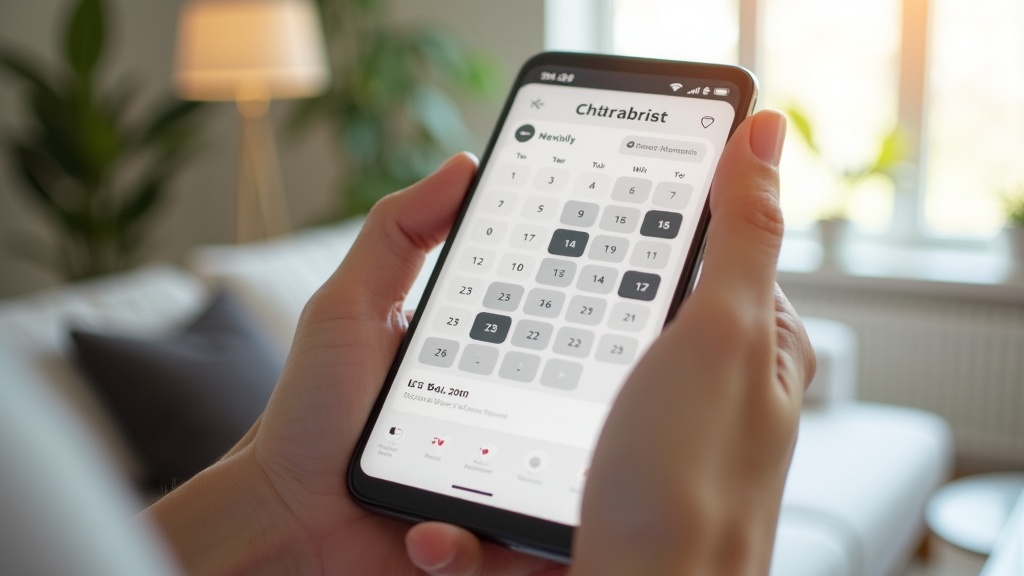
Market signals are observable changes in a competitor's listing performance that reveal underlying problems or strategic shifts. They include calendar gaps, review velocity decline, price drops, photo staleness, response rate deterioration, and amenity neglect. Monitoring these signals systematically gives you advance warning of competitive opportunities.
Think of market signals as the early warning system professional investors use to spot companies in trouble before the market catches on. A restaurant that stops updating its menu, a shop with peeling paint, a website with broken links—these aren't random details, they're symptoms of deeper issues. The same principle applies to Airbnb listings.
The most valuable signals fall into six categories: availability patterns, pricing behaviour, review trends, visual presentation, host responsiveness, and amenity investment. Each tells a different story about the host's situation, and clusters of signals are far more reliable than any single indicator. A competitor who drops their price by 10% might just be experimenting—but if they've also stopped responding quickly and haven't updated photos in 18 months, that's a pattern worth noting.
The 7 market signals that reveal a competitor is losing ground
1. Sudden or prolonged calendar gaps (the availability anomaly)
Calendar availability is the most visible real-time signal. A competitor who's usually 80% booked but suddenly shows large blocks of availability has either raised prices too aggressively, suffered a quality incident, or is losing momentum. Use Airbnb's search filters to check competitor calendars 30, 60, and 90 days out—compare current availability to what you observed a month ago.
The context matters enormously. Random gaps in January might just reflect seasonal slowdown, but empty weekends in August for a city centre flat signals real trouble. If you're tracking multiple competitors and only one shows the pattern, that's a weakness you can exploit by ensuring your calendar stays visible and your pricing stays competitive during that window. For a systematic approach to tracking these patterns, identifying the right competitors in your area is the essential first step.
2. Review velocity decline (the silence signal)
Review velocity—the frequency of new reviews—is a proxy for booking volume. A listing that was receiving 2-3 reviews per week and now gets one every fortnight has lost roughly half its bookings. Since Airbnb's algorithm favours listings with consistent review activity, this decline becomes self-reinforcing: fewer bookings mean fewer reviews, which means lower search ranking, which means even fewer bookings.
Check the review timestamps on your top five competitors' profiles. Note the gaps. A competitor who hasn't received a review in 18 days during peak season is almost certainly struggling to fill their calendar. This is your cue to increase visibility—refresh your photos, tweak your title, or run a small price promotion to capture the guests they're missing.
3. Aggressive or erratic price drops (the panic signal)
Frequent, reactive price changes—especially drops of 15-25% with no clear seasonal logic—indicate a host in panic mode trying to salvage bookings. You can spot this by checking a competitor's calendar weekly and noting their weekend rates. If a previously confident £120/night host is now fluctuating between £95 and £135 week-to-week, they're guessing, not strategising.
Erratic pricing damages guest trust (why would I book today if it might be cheaper tomorrow?) and signals desperation to the algorithm. Rather than following them down, hold your pricing steady or make smaller, strategic adjustments. Guests searching during their turbulence will notice your consistency and perceive higher value. Understanding where revenue gaps emerge in your market helps you price confidently when competitors lose their nerve.
4. Stale photos (the neglect signal)
Photos degrade in competitive value fast. A listing with the same hero image for 24+ months is either unaware of the importance of fresh visuals or has disengaged from optimisation. Check a competitor's photo metadata if visible, or simply note whether their images reflect current interior trends—muted tones, natural textures, uncluttered styling. If their photos still show heavy patterns, dark wood furniture, and busy décor, they're visually outdated.
Stale photos don't just look worse—they suggest the property itself might be tired. Guests scrolling search results will instinctively favour listings that feel current. If your top competitor hasn't refreshed their visuals in 18 months, invest in new photos or even just rearrange and reshoot with your phone—you'll appear fresher by comparison.
5. Slipping Superhost status or response metrics (the service signal)
Airbnb displays Superhost status prominently, and losing it is a public admission of declining standards. Check competitor profiles for the Superhost badge—if it's missing and they used to have it, they've failed to meet response time, review rating, or booking volume thresholds. Similarly, look for the 'response rate' and 'response time' stats on their profile—anything below 95% or above a few hours suggests they're stretched, distracted, or disengaged.
When a competitor's service metrics slip, your responsiveness becomes a differentiator. Tighten your own response time to under an hour, ensure your profile shows 100% response rate, and mention your attentiveness in your description. Guests comparing listings side-by-side will notice.
6. Review sentiment decline (the quality signal)
Read the last 10 reviews of your closest competitors—not just the star rating, but the language. Are guests mentioning minor disappointments, maintenance issues, or unmet expectations? A competitor with a 4.8 overall rating but recent reviews mentioning 'tired décor,' 'could use a refresh,' or 'a bit dated' is vulnerable.
Airbnb's algorithm weights recent reviews more heavily, so a listing coasting on old 5-star reviews but now collecting 4-stars will see ranking pressure. If you spot this pattern, audit your own listing for the same risks—then emphasise your freshness, maintenance, and attention to detail in your description and host responses.
7. Amenity stagnation (the investment signal)
The amenities section is a public ledger of host investment. A competitor who hasn't added a single new amenity in 18 months—while you and others have added coffee makers, smart locks, 4K TVs, or EV charging—is either complacent or cash-strapped. Check their amenity list against yours and the market median. If they're missing now-standard features like fast WiFi (100+ Mbps), dedicated workspace, or self check-in, they're actively disadvantaging themselves in filtered searches.
Amenity gaps are low-hanging fruit for you. Identify which desirable features your competitors lack, add them to your property, and highlight them in your title and first paragraph. A £15 cafetière lets you tick 'Coffee Maker' and appear in filtered searches—if your competitors haven't done this, you've just captured a segment they're missing. For a deeper look at how small amenity investments unlock hidden revenue, explore the five metrics that explain why top hosts out-earn the competition.
How to systematically monitor competitor weakness signals

Spotting a single signal is interesting—tracking patterns over time is strategic intelligence. Build a simple monitoring system using a spreadsheet or notes app. Every two weeks, record the following for your top 3-5 competitors:
- Calendar availability at 30, 60, and 90 days out (count blocked vs available nights)
- Most recent review date (calculate days since last review)
- Weekend and midweek pricing for the next month (note any large changes)
- Superhost status and visible response metrics
- Recent review sentiment (note any repeated complaints or themes)
After 4-6 weeks, you'll see patterns. A competitor whose calendar is steadily filling with gaps, whose reviews have slowed, and whose prices have dropped 20% is in genuine trouble—and that represents opportunity for you. Conversely, if a competitor suddenly tightens up all metrics, they've either hired help or recommitted, and you'll need to respond.
This doesn't require expensive tools—manual observation beats automated dashboards if you're disciplined. Set a calendar reminder, spend 15 minutes every other Monday, and log what you see. The act of regular observation sharpens your market instincts and prevents you from being blindsided by competitive shifts.
Turning competitor weakness into your booking advantage
Identifying struggling competitors is only valuable if you act on the intelligence. Here's how to translate observed weakness into tactical advantage:
Exploit calendar gaps with strategic availability
If a competitor has sudden availability gaps, ensure your calendar is open and visible for those dates. If they've closed off weekends or raised minimum stays during a slow period, do the opposite—open single-night bookings, drop minimums, and make yourself the easier choice. Guests searching for those dates will see fewer options, and your listing rises by default.
Counter price panic with stable, value-focused positioning
When competitors drop prices erratically, resist the urge to match them blindly. Instead, hold your rate and add value—offer a welcome basket, upgrade your coffee provision, or include a late checkout option. Communicate stability and quality in your messaging. Guests who see a competitor's price swinging wildly will question what's wrong—your consistency signals confidence.
Refresh your visuals when competitors go stale
If your top competitors haven't updated photos in over a year, even minor visual refresh on your end creates contrast. Rearrange furniture for a lighter feel, shoot in better natural light, or add a few inexpensive styling touches (fresh flowers, neutral cushions, uncluttered surfaces). Upload the new shots and watch your click-through rate improve as your listing feels current compared to their dated presentation.
Amplify service quality when competitors slip
When competitor response times or Superhost status decline, double down on your own service visibility. Mention your response time in your listing description ('I reply within the hour'), add a line in your automated messages emphasising your attentiveness, and ensure every review response is warm and thorough. The contrast will be obvious to anyone comparing listings side-by-side.
Fill amenity gaps competitors ignore
The fastest wins come from adding amenities your competitors lack. Check their listings—if none offer a coffee maker, add a £12 cafetière and tick the box. If none mention fast WiFi speeds, test yours and specify '150 Mbps fibre' in your description. If none have smart locks, install one for £80 and highlight self check-in. Each addition pulls you ahead in filtered searches and guest decision-making. To see how Bristol hosts used this exact approach to dominate their submarkets, read our Bristol market deep dive.
What struggling competitor patterns reveal about market demand shifts
Competitor weakness isn't random—it's often a response to a demand shift they failed to anticipate. If multiple competitors in your area are struggling simultaneously, dig deeper: has a new hotel opened? Has a local event been cancelled? Has corporate travel to your area declined? Conversely, if only one or two competitors are faltering while others thrive, the issue is specific to those hosts, not the market.
The most valuable insights come from divergence. When one competitor's performance declines while others remain stable, you can safely assume the problem is internal—poor pricing, declining quality, or lack of engagement. When all competitors show stress signals, the market itself may be softening, and you need to adjust expectations and tactics accordingly.
Tracking competitor health also reveals which guest segments are underserved. If a family-focused competitor loses momentum but your couples-oriented listing thrives, it suggests family demand has weakened or shifted elsewhere. Adjust your targeting, messaging, and amenity focus accordingly. Competitor analysis isn't just about watching others—it's about reading the market through their behaviour. For more on spotting these market gaps, see our guide on identifying underserved demand in London.
Common mistakes hosts make when analysing competitor weakness
Overreacting to single data points
One empty weekend or a single price drop doesn't mean collapse. Wait for patterns—at least three observations over 4-6 weeks—before concluding a competitor is genuinely struggling. Premature reactions (like slashing your own prices) can damage your positioning unnecessarily.
Ignoring your own vulnerabilities
The same signals that reveal competitor weakness can apply to you. If you're tracking competitors for stale photos and slow response times, audit yourself first. The goal isn't to gloat over others' decline—it's to ensure you're not exhibiting the same warning signs.
Copying struggling competitors' tactics
If a competitor drops their price by 25% and still has empty calendar gaps, the problem isn't the price—it's something else (quality, photos, reviews, positioning). Don't copy losing strategies. Instead, analyse why their tactic failed and do the opposite.
Forgetting that competitors can recover
A struggling competitor might hire a manager, refresh their property, or adjust strategy. Competitive advantage is temporary—which is why continuous monitoring matters. If you spot weakness, act quickly, but keep watching. Markets are dynamic.
Tools and techniques for ongoing competitor performance tracking
Manual tracking works well for 3-5 key competitors, but if you're managing multiple properties or operating in a dense market, consider structured support. Spreadsheet templates with date-stamped entries let you visualise trends over time—create columns for availability percentage, days since last review, weekend rate, and notes on any observable changes.
Set calendar reminders for your monitoring sessions—consistency is more valuable than frequency. Fortnightly checks are sufficient for most markets; weekly checks make sense only in hyper-competitive or fast-moving areas like Central London or Edinburgh during Festival season.
If you want a professional benchmark of how your listing compares to competitors without manual tracking, LetGrow's free Airbnb performance score analyses your title, photos, pricing strategy, and competitive positioning—giving you a clear snapshot of where you stand and which areas need attention.
How to stay ahead once you've identified competitor weaknesses
Spotting weakness is step one—sustained outperformance requires continuous optimisation. Once you've identified gaps your competitors aren't filling, your job is to fill them consistently and communicate that advantage clearly. This means:
- Updating your title and description to highlight the amenities and features competitors lack
- Maintaining visual freshness—refresh hero images every 6-12 months even if the property hasn't changed
- Keeping your pricing strategy responsive but stable—adjust for demand shifts, but avoid erratic changes
- Monitoring your own metrics as rigorously as competitors'—response time, review velocity, calendar fill rate
- Reinvesting in your property—small upgrades (better bedding, smarter tech, thoughtful touches) compound over time
The hosts who consistently win aren't the ones with the best property—they're the ones who optimise relentlessly and monitor the market intelligently. Competitor weakness is an opportunity, but only if you're positioned to capture it.
Not sure where you stand relative to your local competition? Get your free listing performance score from LetGrow—it benchmarks your pricing, photos, title, and amenities against similar properties in your area and shows you exactly where to focus your efforts.
Frequently Asked Questions
How often should I check my Airbnb competitors' performance?
Every two weeks is ideal for most hosts. This frequency is enough to spot meaningful trends without becoming obsessive. Set a recurring calendar reminder and spend 15 minutes logging calendar availability, recent reviews, and pricing for your top 3-5 competitors. In highly competitive or seasonal markets, weekly checks during peak booking windows can be valuable.
What's the most reliable single signal that a competitor is struggling?
Review velocity decline is the strongest single indicator. If a competitor who typically receives 2-3 reviews per week suddenly goes 14-21 days without a new review during normally busy periods, their booking volume has dropped significantly. This is more reliable than pricing changes or calendar gaps alone, because it directly reflects completed stays.
Should I lower my prices if a competitor drops theirs by 20%?
Not automatically. First, investigate why they dropped their price—check their reviews, photos, and calendar. If they're struggling due to quality issues or poor positioning, matching their price drags you down unnecessarily. Instead, hold your rate and ensure your listing clearly communicates superior value through better photos, stronger reviews, or additional amenities. Only adjust pricing if you see market-wide softening affecting multiple competitors.
Can I see a competitor's exact booking calendar on Airbnb?
No, you can only see their availability—which nights are blocked (booked or blocked by the host) versus available. While this doesn't confirm bookings definitively, a previously open calendar that's now heavily blocked almost certainly indicates bookings. Conversely, a listing that used to show blocked weekends but now shows consistent availability is likely struggling to secure reservations.
What should I do if all my competitors seem to be struggling at once?
This suggests a market-wide demand softening rather than individual host failure. Investigate external factors—has a major local employer reduced travel? Has a new hotel opened nearby? Are seasonal patterns shifting? In this scenario, focus on maintaining your quality and visibility rather than aggressive price-cutting. The hosts who maintain standards during soft periods are best positioned to capture demand when it returns.
How can I tell if my own listing is showing weakness signals?
Apply the same analysis to yourself: check your review velocity (are you receiving reviews as frequently as three months ago?), monitor your calendar fill rate at 30/60/90 days out, track your average response time, and note when you last updated photos or added amenities. If you're seeing declining review frequency, growing calendar gaps, or slower enquiry response, you may be exhibiting the same warning signs you're tracking in competitors. LetGrow's free performance score gives you an objective assessment of your listing's health across all key metrics.
Conclusion: Turn competitor intelligence into competitive advantage
Learning to spot struggling Airbnb competitors transforms you from a reactive host into a strategic operator. Market signal analysis—tracking availability gaps, review velocity, pricing behaviour, visual staleness, service metrics, and amenity investment—gives you advance warning of competitive opportunities. When competitors falter, you gain the chance to capture their lost bookings by filling the gaps they've created.
The key is systematic observation, pattern recognition, and disciplined action. Don't overreact to single signals, don't copy failing strategies, and don't neglect your own vulnerabilities while watching others. Competitor weakness is only valuable if you're positioned to exploit it—and that means continuous optimisation of your own listing.
Ready to see how your listing measures up against local competitors? Get your free performance score at LetGrow—you'll receive a detailed breakdown of your competitive positioning, pricing strategy, and the specific improvements that will help you capture more bookings.