
An Airbnb chargeback can feel like a punch to the gut. One moment you're celebrating a successful booking, the next you're staring at a payment dispute notification that could cost you hundreds of pounds. For UK hosts, understanding how chargebacks work and how to protect yourself isn't just helpful—it's essential for safeguarding your short-term rental business.
Unlike standard refund requests that go through Airbnb's resolution centre, chargebacks bypass the platform entirely. Guests contact their bank or credit card company directly, claiming the transaction was unauthorised or the service wasn't provided as promised. This leaves hosts facing not just the lost revenue, but potential fees and a complex dispute process.
What is an Airbnb chargeback and how does it work?
A chargeback occurs when a guest disputes a payment directly with their bank or credit card company, rather than through Airbnb's normal resolution process. The bank then reverses the transaction, pulling money from the merchant account—in this case, Airbnb's—who subsequently debits your host payout.
The process typically unfolds like this: A guest contacts their bank claiming they never authorised the payment, didn't receive the service, or the accommodation was significantly different from what was advertised. The bank investigates and often sides with the cardholder initially, reversing the charge within 1-3 business days. Airbnb then notifies you of the chargeback and begins gathering evidence to contest it.
What makes chargebacks particularly frustrating is their one-sided nature. Banks generally favour cardholders, and the burden of proof falls heavily on merchants to demonstrate the transaction was legitimate and the service was provided as described. For hosts, this means having comprehensive documentation ready at all times.
Why do guests initiate payment disputes against Airbnb hosts?
Guest motivations for filing chargebacks vary widely, from legitimate concerns to outright fraud attempts. Understanding these reasons helps hosts identify vulnerabilities in their operations and take preventive action.
The most common legitimate reason is a significant discrepancy between what was advertised and what guests experienced. This could include misleading photos that make a property appear larger or more luxurious than reality, missing amenities that were prominently featured in the listing, or cleanliness issues that make the space uninhabitable.
Technical problems also trigger disputes. Guests who can't access the property due to faulty keyless entry systems, experience major appliance failures during their stay, or face heating/cooling breakdowns in extreme weather often feel justified in seeking chargebacks rather than working through Airbnb's resolution process.
Unfortunately, fraudulent chargebacks are increasingly common. Some guests deliberately book properties intending to dispute charges after their stay, essentially attempting to receive free accommodation. Others use stolen credit card details, with the legitimate cardholder later disputing charges they never authorised.
Poor communication from hosts can escalate minor issues into chargeback territory. Guests who feel ignored when reporting problems or who don't receive adequate support during their stay may turn to their bank as a last resort. This is why maintaining clear, responsive communication throughout the booking process is crucial.
How can hosts prevent Airbnb chargebacks before they happen?
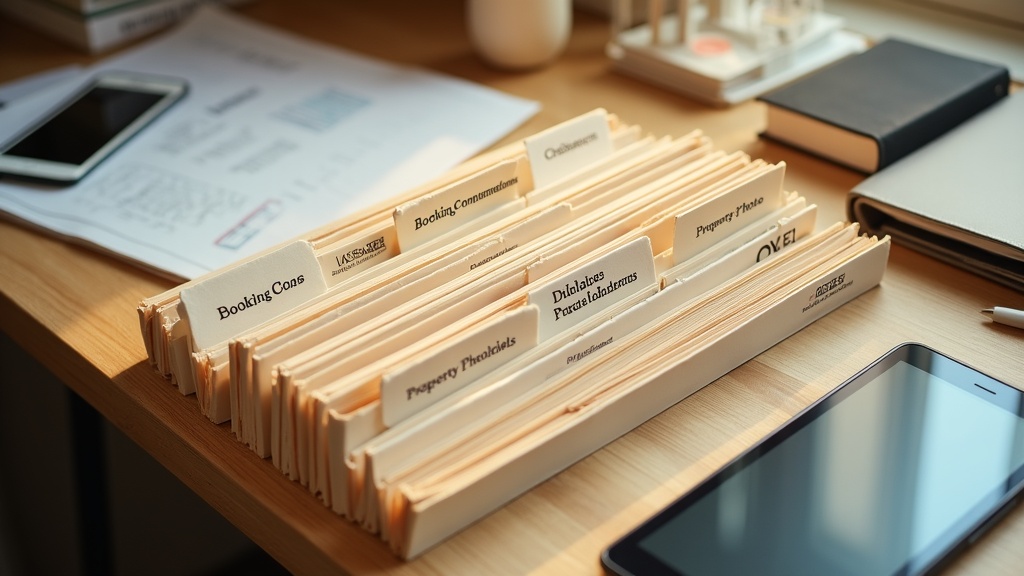
Prevention remains the most effective chargeback defence strategy. By addressing common triggers proactively, hosts can significantly reduce their dispute risk while improving overall guest satisfaction.
Accurate listing representation is your first line of defence. Every photo, amenity, and description should reflect reality precisely. Use recent, high-quality images that show the space honestly, including any limitations. Professional photography can make a significant difference in setting accurate expectations while still making your property attractive to potential guests.
Your listing description should be comprehensive yet honest. Mention nearby noise sources, construction, or other factors that might affect guests' stays. While this might seem counterproductive, it actually reduces booking cancellations and chargebacks from disappointed guests.
Implement robust guest verification procedures. Request government-issued ID photos, require guests to confirm their booking details in writing, and maintain a paper trail of all communications. Many successful hosts ask guests to acknowledge house rules and property details via message before arrival.
Create detailed check-in procedures that guests must follow. This includes photo documentation of ID verification, written confirmation of property condition upon arrival, and signed agreements regarding house rules and policies. While this might seem excessive, it provides crucial evidence if disputes arise later.
Maintain your property meticulously. Regular deep cleaning, appliance maintenance, and safety checks prevent the types of problems that lead to legitimate disputes. Having clear protocols for handling any damage or issues shows professionalism and can defuse potential conflicts before they escalate.
What evidence do you need to win an Airbnb payment dispute?
When chargebacks occur, success depends entirely on the quality and comprehensiveness of your evidence. Banks and payment processors evaluate disputes based on documentation, so meticulous record-keeping becomes essential for protecting your revenue.
Start with booking confirmation evidence. Save screenshots of the original reservation details, including dates, guest information, total cost breakdown, and any special requests or modifications. Include copies of all pre-arrival communications, particularly messages where guests confirm their booking details or ask questions about the property.
Photo documentation proves invaluable in disputes. Take timestamped photos of the property's condition before and after each guest's stay. Include images of key amenities, cleanliness standards, and any areas specifically mentioned in your listing. If guests report problems during their stay, document your response with photos and written communication.
Communication records form the backbone of your defence. Save every message, email, and SMS exchange with the guest. Include their initial inquiry, booking confirmation, check-in instructions, and any issues reported during the stay. Most importantly, document your responses and resolution attempts. This demonstrates you provided the service and addressed concerns professionally.
Service delivery proof shows the guest actually used your accommodation. Keyless entry logs, utility usage records, and even nearby CCTV footage (where legally permissible) can demonstrate occupancy. Some hosts use smart home devices to track entry and exit times, providing concrete evidence of service delivery.
Third-party verification strengthens your case significantly. Positive reviews from other guests around the same period, professional cleaning receipts, and maintenance records all support claims that your property was as advertised and properly maintained.
How does Airbnb handle chargeback disputes on behalf of hosts?
Airbnb's chargeback handling process offers some protection for hosts, though understanding its limitations helps set realistic expectations. The platform typically fights chargebacks on behalf of hosts, but success rates vary depending on the quality of evidence and specific dispute circumstances.
When a chargeback occurs, Airbnb's payments team gathers evidence from both the host and their own records. This includes booking confirmations, message histories, review data, and any resolution centre cases related to the reservation. They compile this information into a dispute response submitted to the issuing bank within strict deadlines—usually 7-10 days.
The platform's approach varies based on chargeback reason codes. For "services not provided" disputes, they focus on proving the guest actually stayed at the property and received the advertised accommodation. For "unauthorised transaction" claims, they demonstrate the legitimate cardholder made the booking through verified account access and communication patterns.
Airbnb's success rate in chargeback disputes depends heavily on host cooperation and evidence quality. Cases with comprehensive documentation, clear guest communication, and verified service delivery have significantly higher success rates than those lacking proper records.
However, hosts should understand that Airbnb's primary concern is maintaining good relationships with payment processors. In some cases, they may choose not to fight chargebacks if they believe the costs outweigh potential recovery, particularly for smaller amounts or cases with weak evidence.
The timeline for resolution typically ranges from 30-90 days, during which the disputed amount remains held. If Airbnb successfully contests the chargeback, funds are returned to the host's account. If unsuccessful, the chargeback stands, and hosts lose both the payout and any associated fees.
What are your options if Airbnb's chargeback dispute fails?

When Airbnb's initial dispute efforts fail, hosts still have several avenues for recovering funds, though each requires careful consideration of costs versus potential benefits.
The representment process allows merchants to dispute chargeback decisions directly with card networks. If you believe Airbnb's initial response was inadequate or missed crucial evidence, you can request they file a representment on your behalf. This requires presenting new evidence or arguments not included in the original dispute response.
Independent legal action becomes viable for larger chargebacks, particularly those involving fraud or guest misconduct. Some UK hosts successfully pursue small claims court cases against guests, especially when clear evidence of fraudulent behaviour exists. However, legal costs often exceed recovery amounts for smaller disputes.
Insurance claims may provide relief depending on your coverage. Some short-term rental insurance policies include chargeback protection or fraud coverage. Host protection insurance through Airbnb typically doesn't cover payment disputes, but standalone policies might offer broader protection.
Professional chargeback representation services specialise in fighting payment disputes for merchants. These companies typically work on contingency basis, taking a percentage of recovered funds. For hosts experiencing frequent chargebacks, professional representation might prove cost-effective.
Credit monitoring and fraud alerts help identify patterns in fraudulent bookings. If you notice chargebacks from specific geographic regions, payment methods, or booking patterns, you can adjust your acceptance criteria to reduce future risk.
Want a professional eye on your listing to reduce dispute risks? LetGrow analyses your title, photos, pricing, and amenities for free — helping you identify potential issues before they become expensive problems.
How do chargebacks affect your Airbnb host performance and rankings?
Chargebacks create ripple effects beyond immediate financial losses, potentially impacting your visibility, Superhost status, and long-term hosting success on the platform.
Airbnb's algorithm considers various trust and safety metrics when ranking listings in search results. While the company doesn't publicly confirm chargeback impact on search placement, hosts with frequent payment disputes often report decreased booking rates and lower search visibility. This suggests the platform may factor payment reliability into its ranking calculations.
Superhost status requirements include maintaining high guest satisfaction ratings and low cancellation rates. While chargebacks don't directly count as cancellations, they often correlate with negative reviews and guest complaints that can jeopardise your Superhost qualification. Lost Superhost status means reduced search visibility and fewer bookings.
Multiple chargebacks may trigger additional account scrutiny from Airbnb's trust and safety team. This could result in delayed payouts, additional verification requirements, or even account suspension in extreme cases. Hosts experiencing frequent disputes should proactively communicate with support to address underlying issues.
Guest trust erodes when properties have histories of payment disputes. While guests don't see chargeback information directly, they often notice patterns in reviews or host responses that suggest recurring problems. Maintaining transparent communication and addressing issues promptly helps preserve guest confidence.
Long-term revenue impact extends beyond individual chargeback amounts. Reduced search visibility, lost Superhost benefits, and decreased guest trust can significantly impact your earning potential over time. This makes chargeback prevention and professional listing optimisation crucial investments.
If you'd like an expert assessment of your listing to improve guest satisfaction and reduce dispute risks, LetGrow's free listing score shows you exactly where you stand against local competitors.
What UK-specific considerations apply to Airbnb chargebacks?
Operating in the UK market presents unique regulatory and practical considerations that affect how chargebacks are processed and resolved for short-term rental hosts.
UK banking regulations under the Payment Services Regulations 2017 provide strong consumer protections that often favour guests in chargeback disputes. Banks must investigate disputed transactions thoroughly, but they also err on the side of caution by initially siding with cardholders. Understanding these regulations helps hosts prepare more effective dispute responses.
The Financial Conduct Authority (FCA) oversees payment dispute processes, ensuring banks follow proper procedures but also protecting legitimate merchant interests. Hosts facing recurring chargeback issues can escalate concerns through the Financial Ombudsman Service if they believe banks aren't following proper dispute resolution procedures.
Consumer Rights Act 2015 implications affect how courts view accommodation disputes. The act requires services to be provided with "reasonable care and skill" and to match descriptions provided. This means accurate listing descriptions aren't just good practice—they're legal requirements that can influence chargeback outcomes.
Brexit has created additional complexities for international guests using UK-issued cards or vice versa. Different dispute resolution timelines and procedures may apply to cross-border transactions, potentially affecting response deadlines and evidence requirements.
GDPR compliance affects evidence gathering and storage for chargeback defence. Hosts must balance comprehensive record-keeping needs with data protection requirements, ensuring guest information is stored securely and used only for legitimate business purposes.
Tax implications of chargebacks deserve consideration, as lost revenue may affect your income calculations and VAT obligations if applicable. Keeping detailed records of chargeback losses helps ensure accurate tax reporting and potential deduction claims.
How can listing optimisation reduce chargeback risks?
Strategic listing optimisation serves as your most powerful tool for preventing chargebacks by setting accurate expectations and attracting quality guests who are less likely to dispute charges.
Professional listing photography significantly reduces disputes by accurately representing your space. High-quality images that honestly showcase your property help guests make informed booking decisions, reducing disappointment-driven chargebacks. Include photos of potential limitations alongside attractive features to maintain transparency.
SEO-optimised titles and descriptions improve guest matching by attracting visitors who genuinely want what you offer. Strategic keyword usage helps your listing appear in relevant searches while detailed descriptions set clear expectations about amenities, location, and property characteristics.
Competitive pricing strategies reduce the likelihood of guests feeling overcharged, a common chargeback trigger. Research local market rates and adjust your pricing to reflect your property's actual value proposition. Overpriced listings often attract guests with unrealistic expectations who later dispute charges.
Amenity optimisation ensures you're delivering everything promised in your listing. Regular audits of your amenities list, compared against what's actually available, prevent guests from claiming missing services. Remove any amenities that aren't consistently available or functional.
Review management and response strategies demonstrate your commitment to guest satisfaction. Prompt, professional responses to reviews show potential guests you're actively engaged in providing quality service, while also providing evidence of your professionalism for potential chargeback disputes.
Data-driven improvements based on competitor analysis help identify and address potential problem areas before they trigger disputes. Understanding how your listing compares to local alternatives helps you set realistic pricing and amenity expectations while identifying improvement opportunities.
Frequently Asked Questions
Can guests file chargebacks after leaving positive reviews?
Yes, guests can file chargebacks even after leaving positive reviews, though this strengthens your dispute defence significantly. Positive reviews demonstrate guest satisfaction and make fraudulent chargeback claims much harder to justify. Save screenshots of all reviews as evidence for potential disputes.
How long do guests have to file Airbnb chargebacks?
Most UK banks allow chargeback claims within 120 days of the transaction, though some circumstances extend this to 540 days. The timeline varies by card type and dispute reason, which is why maintaining comprehensive records for at least 18 months after each booking is crucial for protection.
Will Airbnb cover chargeback fees for hosts?
Airbnb typically absorbs chargeback processing fees rather than passing them to hosts, but this varies by payment processor and dispute circumstances. However, you still lose the booking revenue if the chargeback succeeds, making prevention and proper dispute response essential regardless of fee coverage.
Can hosts be banned from Airbnb for too many chargebacks?
While Airbnb doesn't publish specific thresholds, excessive chargebacks can lead to account suspension or termination. The platform monitors payment disputes as part of trust and safety assessments. Multiple chargebacks, especially those involving fraud allegations, may trigger additional verification requirements or account restrictions.
Should hosts lower prices to avoid chargebacks?
Competitive pricing reduces chargeback risk, but underpricing can attract problematic guests more likely to cause issues. Focus on accurate pricing that reflects your property's value while ensuring your listing, photos, and descriptions justify the rate. Transparent value proposition prevents expectation mismatches better than simply low prices.
Do travel insurance policies cover guest chargebacks?
Standard travel insurance rarely covers merchant chargeback losses, but specialised short-term rental insurance policies may include payment dispute protection. Review your coverage carefully and consider upgrading if you frequently host high-value bookings or experience recurring chargeback issues.
Protecting yourself from Airbnb chargebacks requires a comprehensive approach combining accurate listing representation, meticulous documentation, and proactive guest communication. While you can't eliminate all dispute risks, implementing proper prevention strategies and maintaining detailed records significantly improves your chances of successful dispute resolution. Remember that every aspect of your listing—from photos to pricing—affects guest expectations and satisfaction levels that ultimately determine your chargeback exposure. Ready to see how your listing measures up? Get your free score at LetGrow and identify potential improvements that could protect your revenue.