
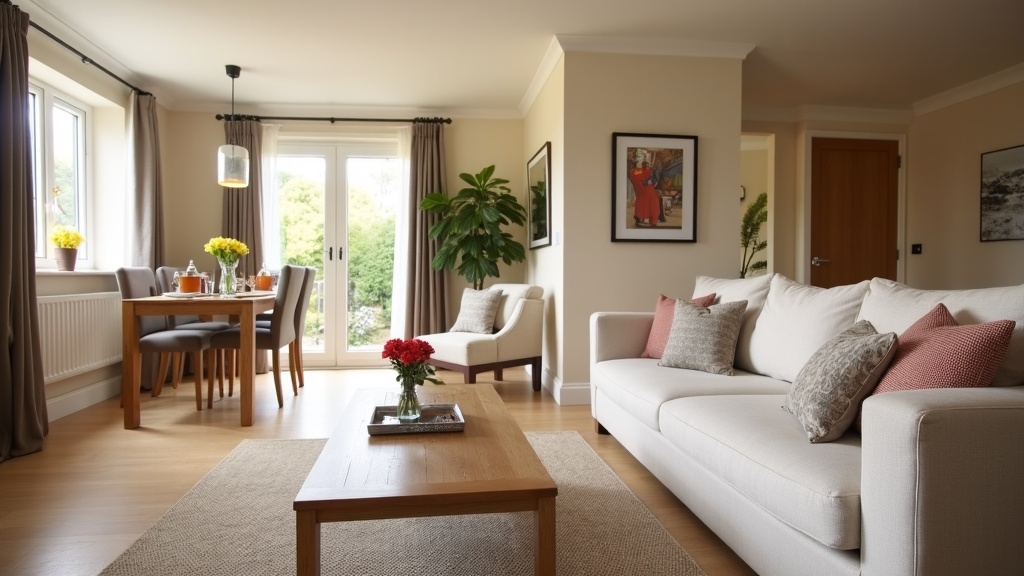
Starting an Airbnb business requires careful financial planning, and Airbnb startup costs vary dramatically by property type — from £3,000 for a spare room to £15,000+ for a luxury apartment. Understanding these upfront investments helps you budget realistically and avoid costly surprises that derail your hosting journey before it begins.
Whether you're considering renting a property specifically for Airbnb or transforming your existing space, the initial outlay depends heavily on your chosen property type, target guest segment, and local market expectations. Let's break down exactly what you'll need to invest across different scenarios.
What Are the Main Categories of Airbnb Startup Costs?
Airbnb startup costs fall into five core categories: property setup, furnishing and equipment, legal and regulatory compliance, marketing and listing optimisation, and operational reserves.
The largest expense is typically furniture and essentials, accounting for 40-60% of your total startup budget. Property deposits (if renting) come second, followed by safety equipment, insurance, and initial marketing costs. Understanding these categories helps you prioritise spending and identify areas where you can start lean.
Property Setup and Security Deposits
If you're renting a property specifically for Airbnb, expect to pay 1-3 months' rent upfront as a deposit, plus the first month's rent. For a £1,200/month apartment, that's £2,400-4,800 before you've furnished anything. Many landlords now require additional short-term rental clauses in tenancy agreements, sometimes with higher deposits to cover potential damage from guest turnover.
Existing homeowners skip this cost but may need to invest in property modifications like separate entrances, keyless entry systems, or noise insulation if converting part of their home.
Essential Furnishing and Equipment
Every Airbnb needs the basics: beds, bedding, seating, dining furniture, kitchen equipment, and bathroom essentials. Quality matters here — cheap furniture breaks quickly under guest use, creating ongoing replacement costs. Budget £80-150 per room for basic furniture, scaling up for higher-end properties.
Don't forget the often-overlooked essentials: towels (at least 4 sets per bathroom), kitchen starter supplies, cleaning equipment, and a comprehensive first aid kit. These small items add up quickly but are crucial for guest satisfaction.
Legal and Safety Compliance
UK Airbnb hosts must install smoke alarms, carbon monoxide detectors, and fire extinguishers as minimum safety requirements. Expect £100-300 for basic safety equipment, more for larger properties requiring multiple detectors.
Many areas now require short-term rental licences or planning permission changes. Research your local council's requirements early — some charge £500+ for licence applications, and the process can take months.
How Much Does It Cost to Start a Spare Room Airbnb?
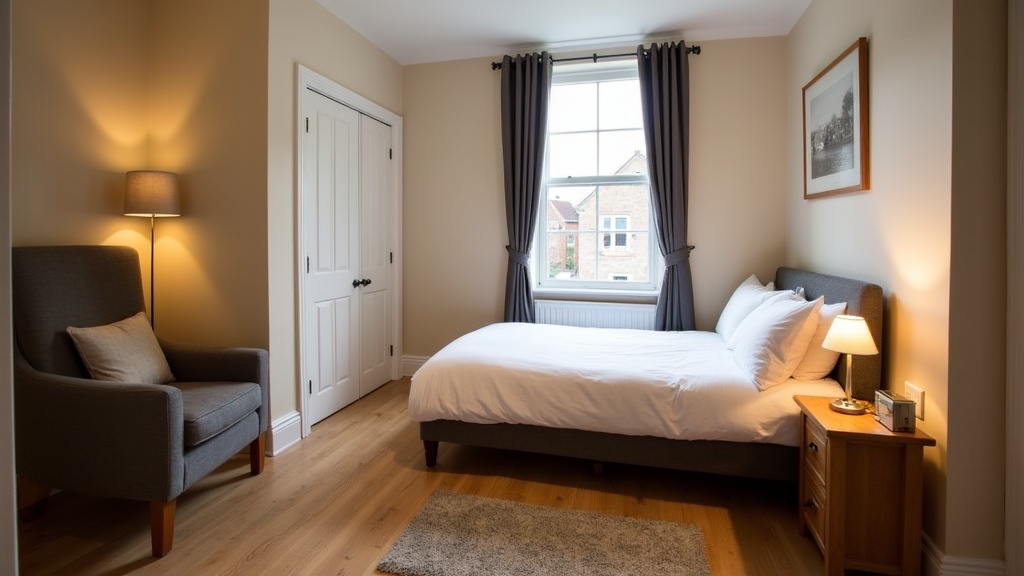
Converting a spare room typically costs £2,000-4,000, making it the most affordable entry point into Airbnb hosting with existing household amenities reducing initial investment.
Your spare room investment focuses on guest comfort and privacy. A quality single or double bed (£300-600), fresh bedding (£100), blackout curtains (£50-100), and basic furniture like a bedside table and chair (£150-300) form your core expenses.
Since guests share your kitchen and living areas, you'll need to stock additional supplies rather than duplicate appliances. Extra towels, toiletries, coffee, and breakfast items typically cost £200-400 initially. Consider a mini-fridge (£150-250) and kettle (£30-50) for the room itself if your kitchen isn't easily accessible.
Privacy enhancements often prove worthwhile investments. A simple door lock (£50-100) and noise-reducing curtains or rugs (£100-200) help guests feel comfortable while protecting your own space.
The beauty of spare room hosting lies in testing the waters without massive upfront costs. You can start basic and upgrade based on guest feedback and booking success.
What's the Investment Required for a One-Bedroom Apartment Airbnb?
A one-bedroom apartment Airbnb startup typically requires £6,000-10,000, covering complete furnishing, kitchen equipment, and all guest amenities for independent stays.
You'll need to furnish every room from scratch. The bedroom requires a double bed with quality mattress (£400-800), wardrobes or storage (£200-400), bedside tables (£100-200), and lighting (£100-200). The living area needs seating for 2-4 people (£300-600), a dining table and chairs (£200-400), and entertainment like a TV (£200-400).
Kitchen setup represents a significant cost category. Basic appliances like a microwave (£80-150), toaster (£30-50), and kettle (£30-50) are essential, along with cookware, crockery, and utensils for 4 people (£200-300). Don't forget cleaning supplies, washing-up liquid, tea, coffee, and basic condiments (£100-150).
If you're considering the apartment versus house decision for Airbnb earnings, apartments generally have lower startup costs but may face more regulatory restrictions in city centres.
Bathroom essentials include towels for 4 guests (£100-150), toiletries, toilet paper, and basic medical supplies (£100). A washing machine, if not included, adds £300-500 but significantly improves guest satisfaction and your operational efficiency.
How Much Investment Does a Multi-Bedroom House Require?
Multi-bedroom houses typically demand £12,000-20,000+ startup investment, with costs scaling rapidly as bedroom count and guest capacity increase.
Each additional bedroom requires its own complete furniture set, bedding for 2 people, and storage solutions. Multiply the one-bedroom costs by your bedroom count, then add communal area expenses. A 3-bedroom house needs living and dining furniture for 6+ people, larger kitchen equipment, and additional bathrooms fully stocked.
Houses often require more substantial safety investments. Larger properties need multiple smoke detectors, carbon monoxide alarms, fire extinguishers, and potentially fire blankets. Budget £300-600 for comprehensive safety coverage.
Outdoor spaces add both cost and value. Garden furniture (£200-500), BBQ equipment (£150-300), and basic garden maintenance tools (£100-200) enhance guest experience but require upfront investment. Many guests specifically search for houses with outdoor access, particularly post-pandemic.
Operational complexity increases with size. More rooms mean more cleaning time, higher utility costs, and greater wear and tear. Factor these ongoing expenses into your financial planning, as they directly impact profitability.
For comprehensive guidance on getting your property ready for guests, our step-by-step setup guide walks through every detail of creating your first listing.
What About Luxury or High-End Property Startup Costs?
Luxury Airbnb properties require £20,000-50,000+ initial investment, with premium furnishing, high-end amenities, and professional presentation driving substantially higher costs.
Luxury guests expect quality in every detail. Beds with premium mattresses (£800-2,000+), high-thread-count bedding (£200-400 per set), designer furniture, and artwork all contribute to the premium experience. Kitchen appliances shift from basic to high-end — think Nespresso machines (£150-300), wine fridges (£300-600), and premium cookware sets (£300-500).
Technology becomes crucial in luxury properties. Smart home systems (£500-2,000), high-speed Wi-Fi upgrades (£200-500), premium sound systems (£300-800), and large smart TVs in every room (£300+ each) are often expected amenities.
Professional services become worthwhile investments at this level. Interior design consultation (£500-2,000), professional photography (£300-800), and comprehensive property styling can differentiate your listing in competitive luxury markets.
Insurance requirements typically increase for high-value properties. Comprehensive Airbnb property insurance becomes essential when you're furnishing properties worth tens of thousands of pounds.
What Hidden Costs Should New Hosts Budget For?
Hidden costs typically add 20-30% to your planned budget, with photography, insurance, utility deposits, and unexpected maintenance being the most common oversights.
Professional photography, while not mandatory, significantly impacts booking rates. Quality photos cost £200-500 but often pay for themselves through improved occupancy. Many new hosts underestimate this investment's importance in competitive markets.
Utility setup and deposits catch many off-guard. If you're renting a new property for Airbnb, utility companies may require deposits of £100-300 per service (gas, electricity, water). Internet installation and monthly costs for high-speed service add £30-60 monthly.
Cleaning and maintenance supplies require ongoing investment beyond initial stocking. Professional-grade cleaning products, replacement bedding, light bulbs, and basic maintenance tools cost £200-400 initially, with ongoing monthly expenses of £50-150 depending on occupancy.
Local authority requirements vary dramatically by location. Some councils require expensive planning permission changes, others mandate specific safety certificates. Research these thoroughly — a £500 licence application discovered after you've furnished could derail your budget.
For detailed guidance on budgeting for furnishings across different property types, our comprehensive furnishing guide provides specific cost breakdowns and money-saving strategies.
How Can You Minimise Startup Costs Without Compromising Quality?
Smart cost reduction focuses on buying quality basics first, sourcing from wholesale suppliers, and gradually upgrading based on guest feedback rather than front-loading premium purchases.
Start with a 'Phase 1' approach: invest in comfortable beds, clean bedding, basic furniture, and essential appliances first. Skip luxury additions like coffee machines, premium artwork, or designer furniture until you've established consistent bookings. Guest reviews will guide your upgrade priorities far better than assumptions.
Wholesale and bulk buying significantly reduces per-unit costs. Restaurant supply stores offer commercial-grade items at better prices than retail — think bulk towels, basic crockery, and cleaning supplies. Online wholesalers provide better rates on bedding sets, particularly if you're furnishing multiple rooms.
Consider quality second-hand furniture for non-bed items. Well-chosen vintage or refurbished pieces add character while reducing costs by 50-70%. Wardrobes, dining tables, and decorative items work particularly well bought used, while beds and upholstered seating merit new purchases for hygiene and durability.
Phased purchasing spreads costs over time while generating income. Start with essential items only, then reinvest early profits into comfort upgrades and additional amenities. This approach reduces initial cash requirements while ensuring upgrades align with actual guest preferences.
Want a professional assessment of how your investment compares to successful local listings? LetGrow's free listing score analyses your amenities, pricing, and competition to show exactly where your money makes the biggest difference.
What's the Return Timeline for Different Investment Levels?
Most Airbnb investments break even within 8-18 months, with spare rooms recovering costs fastest and luxury properties taking longer but generating higher absolute returns.
Spare room operations typically break even in 6-12 months due to low startup costs and shared household expenses. At £40-60 per night with 50% occupancy, you're generating £600-900 monthly revenue against minimal ongoing costs.
One-bedroom apartments usually recover their £6,000-10,000 investment within 12-18 months. At £80-120 per night with 60% occupancy, monthly revenue of £1,440-2,160 covers rent, utilities, and gradual cost recovery while building your hosting experience.
Multi-bedroom houses face longer payback periods (15-24 months) due to higher initial costs and operational complexity, but successful properties generate substantial monthly profits once established. The key lies in achieving higher occupancy rates through superior guest experiences.
Luxury properties may take 18-36 months to recover substantial initial investments, but command premium nightly rates (£200-500+) that generate significant long-term returns for well-positioned properties.
Which Property Type Offers the Best ROI for New Hosts?
One-bedroom apartments typically offer the best balance of manageable startup costs, reasonable payback periods, and substantial profit potential for new hosts willing to invest £6,000-10,000.
Spare rooms provide the lowest barrier to entry and fastest cost recovery, making them ideal for testing hosting without major financial commitment. However, profit potential remains limited by shared space constraints and typically lower nightly rates.
One-bedroom apartments hit the sweet spot for most new hosts. They're large enough to command good nightly rates (£70-150 depending on location), don't require massive initial investment, and allow you to learn hosting fundamentals without overwhelming operational complexity.
Multi-bedroom houses offer the highest profit potential but require substantial capital, more complex management, and greater market knowledge to optimise effectively. They're better suited to experienced hosts or those with significant startup capital.
Market location heavily influences ROI regardless of property type. A well-located spare room in central London may outperform a poorly positioned house in a quiet suburb. Research your specific area thoroughly — our Leeds market analysis provides an example of location-specific considerations for new hosts.
The optimal choice depends on your available capital, risk tolerance, and hosting goals. Start conservatively, learn the business fundamentals, then scale up as your experience and confidence grow.
How Do Local Markets Affect Startup Costs?
Local markets dramatically impact startup costs, with London properties requiring 2-3x the investment of northern cities due to higher guest expectations, property prices, and operational costs.
Guest expectations vary significantly by location and average nightly rates. Budget travellers in seaside towns may appreciate clean basics, while business travellers in financial districts expect premium amenities, high-speed Wi-Fi, and sophisticated furnishing. Your startup budget must align with local market standards to compete effectively.
Property rental costs directly affect feasibility if you're not using existing property. London's sky-high rents may require £50,000+ annual revenue just to cover rent, utilities, and basic expenses, while similar properties in northern cities might break even at £20,000 annual revenue.
Regulatory environments add varying costs across the UK. Some London boroughs require expensive planning permission changes, Edinburgh has strict short-term rental licensing, while rural areas may have minimal regulatory barriers. Factor these location-specific requirements into your startup calculations early.
Competition density affects marketing and differentiation costs. Saturated markets may require premium furnishing, professional photography, and ongoing optimisation services to maintain visibility, while emerging markets might succeed with more basic approaches.
FAQ
How much money do I need to start an Airbnb in the UK?
Startup costs range from £2,000 for a spare room to £15,000+ for a luxury apartment. Most new hosts should budget £5,000-8,000 for a successful one-bedroom Airbnb including furnishing, safety equipment, and initial supplies.
Can I start an Airbnb with no money?
While impossible to start with zero investment, you can minimise costs by using existing furniture, buying second-hand items, and starting with a spare room. Minimum viable startup costs are around £1,500 for basic essentials and safety equipment.
What are the biggest unexpected costs when starting an Airbnb?
Professional photography (£200-500), utility deposits (£100-300 per service), local licensing fees (£200-500+), and replacement/maintenance supplies (£200-400) are commonly overlooked costs that add 20-30% to planned budgets.
How long does it take to break even on Airbnb startup costs?
Most properties break even within 8-18 months depending on investment level and market performance. Spare rooms recover costs fastest (6-12 months), while fully furnished apartments typically take 12-18 months to recoup initial investment.
Should I buy or rent property for Airbnb?
Renting offers lower upfront costs and reduced risk for new hosts, while buying provides long-term wealth building but requires substantial capital. Most beginners should start by renting or using existing property to learn hosting fundamentals first.
What safety equipment is legally required for UK Airbnb properties?
All UK Airbnb properties must have working smoke alarms on every floor, carbon monoxide detectors where gas appliances are present, and accessible fire extinguishers. Budget £100-300 for comprehensive safety equipment depending on property size.
Starting an Airbnb requires careful financial planning, but understanding these costs by property type helps you make informed decisions aligned with your budget and goals. Whether you're starting small with a spare room or investing substantially in a luxury property, success comes from matching your investment to local market expectations while maintaining realistic profit projections. Ready to see how your planned investment compares to successful local competitors? Get your free performance score at LetGrow and optimise your strategy before you launch.